
The Myth
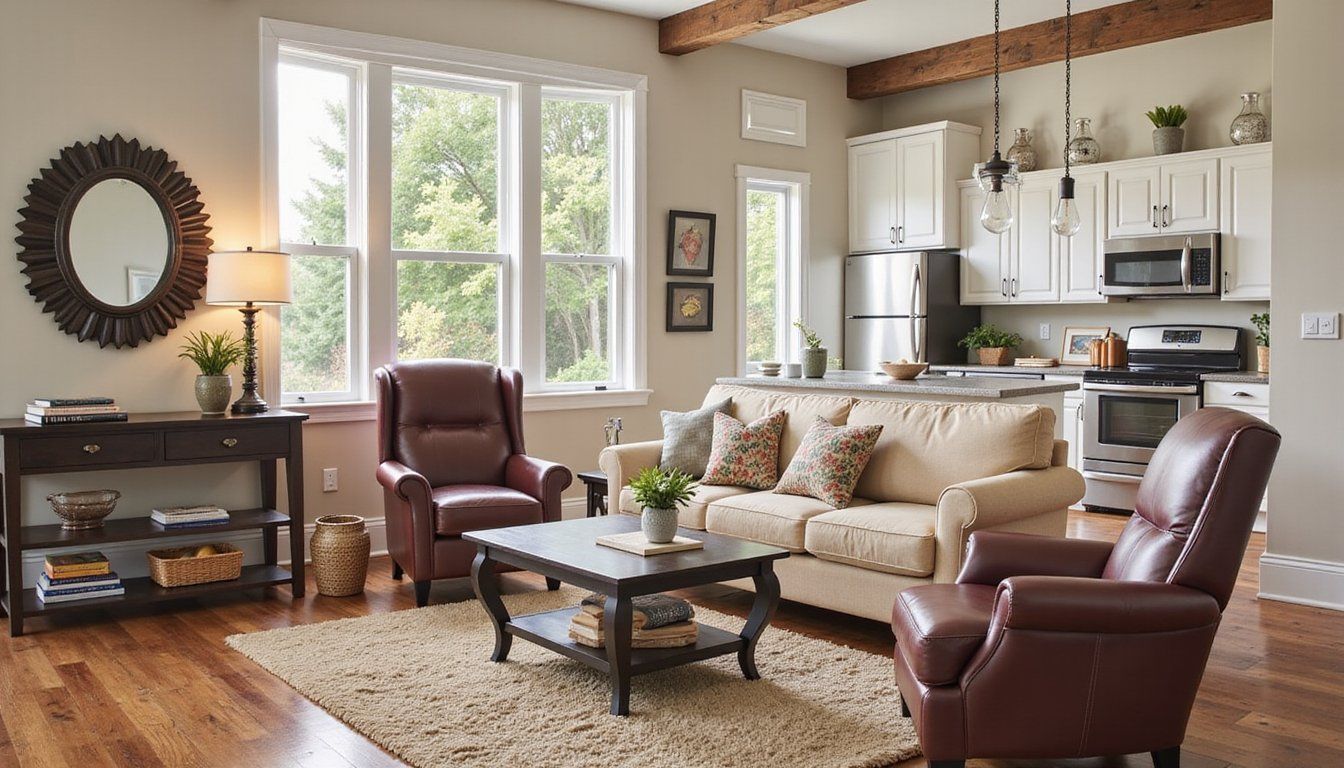
Everyone says you must buy new to guarantee quality. That belief leads shoppers to pay retail prices for basic designs that can be matched or improved with used finds.
Used equals broken or dirty is a false rule. Many secondhand items are structurally sound and simply need cosmetic care, a little elbow grease, or a creative upgrade to become standout pieces.
The Truth
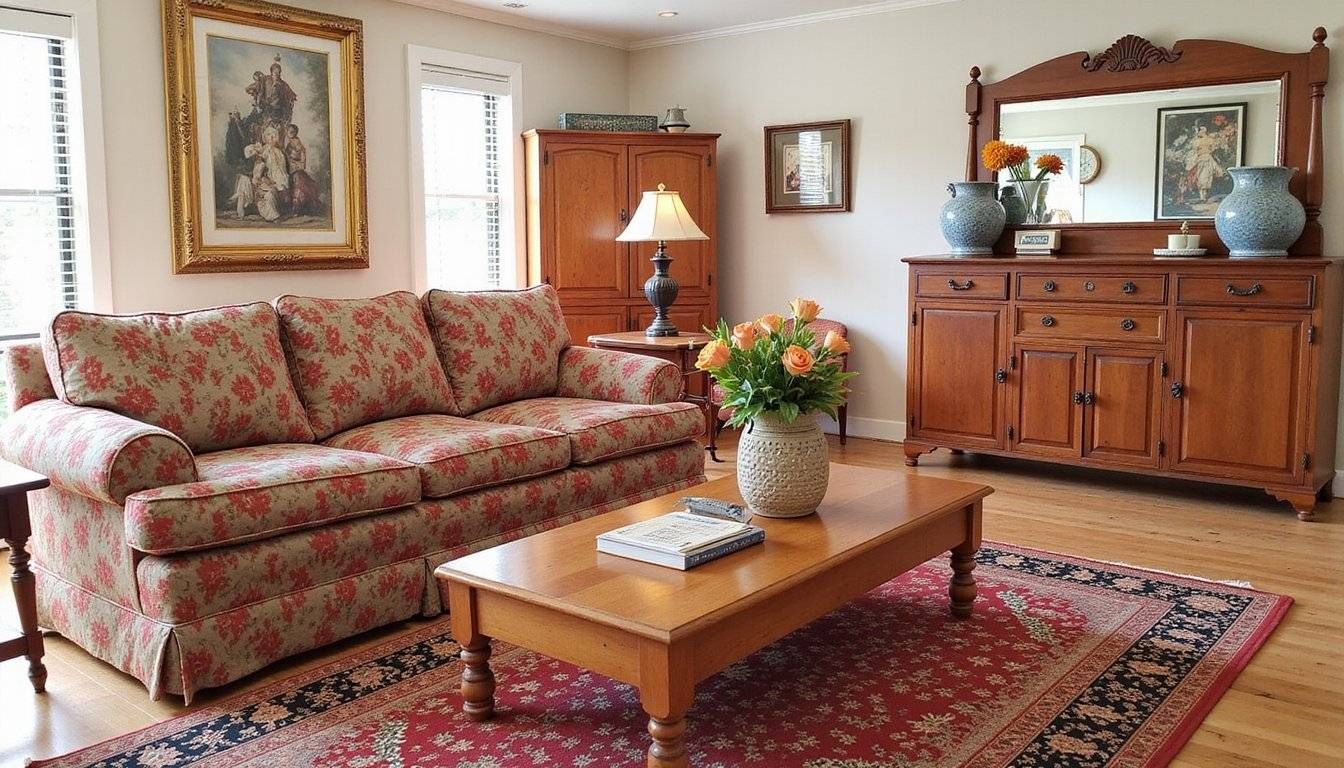
Quality furniture often outlasts trends and shows up at thrift stores and estate sales. Solid-wood construction, hand-stitched upholstery, and classic joinery frequently survive decades and can be secured for a fraction of replacement cost when you know what to look for.
Buying used can give you better value and a more unique home aesthetic. Savvy shoppers can mix high-quality secondhand finds with a few strategic new pieces to craft a look that feels curated rather than mass-produced.
Myth-Buster Box

Reality: Many used pieces are more durable than cheap new alternatives and can be found in excellent condition for much less.
Short primer on what this means for you. If you adopt a careful inspection routine and a willingness to repair or reupholster, secondhand shopping becomes a cost-saving design advantage rather than a gamble.
Getting Started

Start with a plan before you shop so you avoid impulse buys that don’t fit your space. Measure your room, note doorways and staircases, and set a budget that includes potential repair or transport costs so purchases remain pleasant investments instead of buyer’s remorse.
Mindset matters: think of shopping as treasure hunting plus quality control. With patience, regular scanning of local listings, and a few standard tools in your kit, you can source long-lasting items that add character without draining your savings.
Tools & Materials
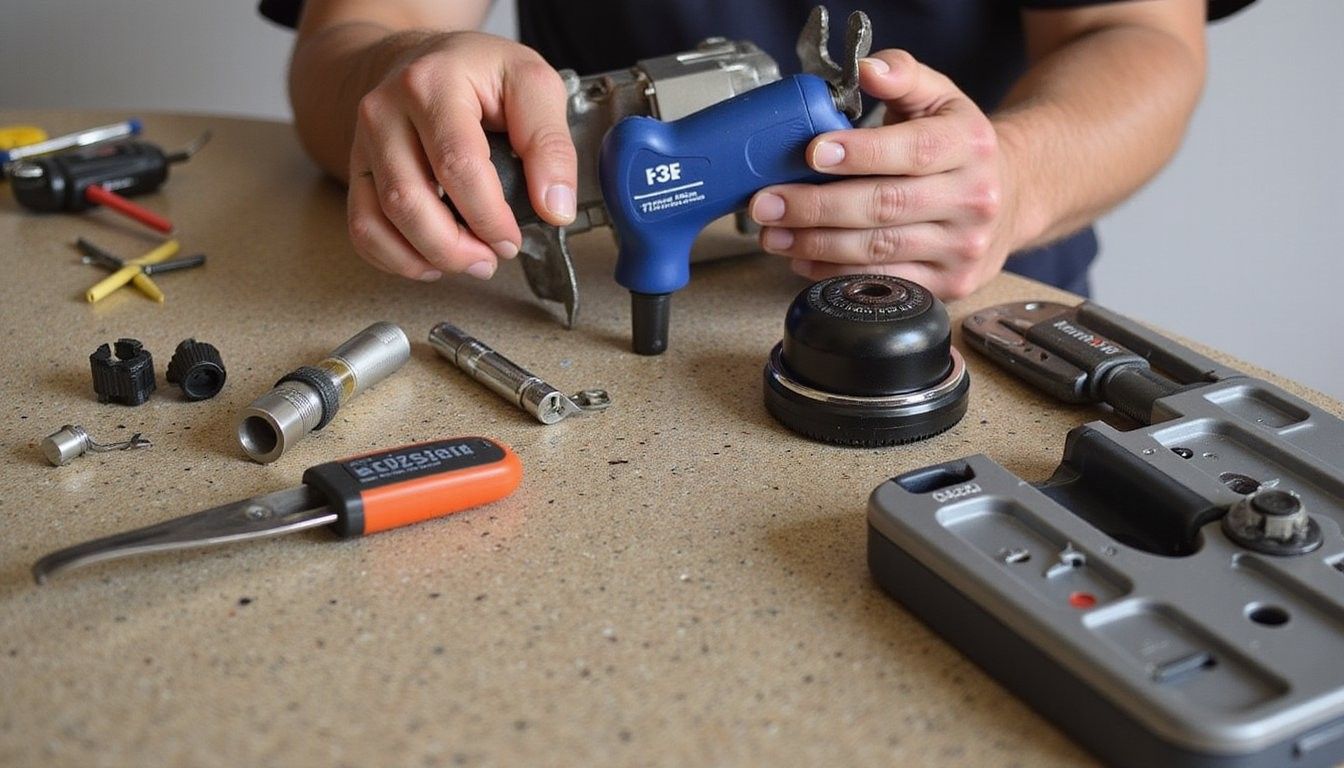
Gather a simple toolkit to inspect and, if needed, begin basic repairs on the spot. Having the right items ready lets you judge condition accurately and sometimes makes negotiations smoother when you can show what a repair will require.
- Tape measure: to confirm fit through doors and inside rooms.
- Flashlight: to inspect joints, drawer slides, and undersides.
- Screwdriver set: to test tightness and identify replaced hardware.
- Magnet: to detect screws under putty or replaced nails in frames.
- Wood glue and clamps: for small structural fixes at home.
- Fabric swatch or lint roller: to check upholstery fibers and odors.
Where to Look
Cast a wide net across online classified ads, local thrift stores, estate sales, auction houses, and neighborhood social groups. Each source has different rhythms: estate sales often offer high-quality, older pieces; thrift shops can yield hidden gems if you visit frequently; online listings allow targeted searches and price comparisons.
Schedule time to browse consistently and set alerts for keywords that match your goals. Patience pays off because the best finds rarely appear all at once, and repeat visits let you develop an eye for patterns and trustworthy sellers.
Inspecting for Quality
Look beyond surface wear to the underlying structure: check joints, frame integrity, and drawer function. Pull out drawers to examine runners, lift cushions to see how springs and webbing feel, and press along frame corners to detect wobble or loose dowels that signal deeper issues.
Identify materials and construction techniques that indicate longevity. Solid wood, dovetail joints, hardwood veneers over plywood, and original hardware are clues that an item was built to last and often repays restoration effort with years of reliable service.
Provenance & Style Fit
Consider the piece’s history and how its scale, finish, and lines will integrate with your existing decor. A well-preserved mid-century chair might anchor a modern living room, while an ornate antique could overwhelm a minimalist space unless balanced with simpler elements.
Document measurements and take photos before you commit, and imagine simple tweaks that can make it yours. A fresh coat of paint, new upholstery, or replaced knobs can shift a piece from misplaced to purposeful without major expense.
Pricing & Negotiation
Price discussions are easier when you have context: research comparable items and factor in repair, transport, and reupholstery costs. Being informed gives you leverage and helps you decide whether to walk away, make a low offer, or pay a premium for a truly rare find.
Approach sellers with respect and data rather than aggressive haggling. Pointing out minor flaws and offering a fair, explained price often wins goodwill and a better deal than a blunt lowball, especially with private sellers who care about their items.
Cost vs. Impact Comparison
Weigh the cost of purchase against time and money needed for restoration, then compare that total to retail alternatives. That comparison helps you prioritize which pieces are worth refurbishing and which are best left to another buyer.
| Scenario | Upfront Cost | Restoration Needed | Value vs New |
|---|---|---|---|
| Light wear, solid frame | Low | Clean, minor touch-up | High savings |
| Surface damage, good frame | Moderate | Refinish or reupholster | Moderate to high |
| Structural issues | Variable | Major repair | Often low |
Negotiation Tactics That Work
Offer a range and anchor your lower number with an explanation of any repairs needed. Sellers are more receptive when you show knowledge and respect rather than making an unsupported low offer, and sometimes offering to pick up the item the same day can tip the balance in your favor.
Use cash or quick digital payment to make an offer more attractive if you can safely do so. Convenience can be worth a small premium, but always meet in a public place for smaller items and get a receipt when possible to keep the exchange professional and accountable.
Transport & Logistics
Think through how you will move the piece before you buy to avoid unexpected costs or damage. Measure doorways, staircases, elevators, and vehicles in advance and consider hiring a small local removal team for heavy or fragile items to protect your purchase and your back.
Plan packaging and padding for transit and set aside small fees for insurance if shipping long distances. Proper handling preserves value and spares you the regret of discovering a cosmetic or structural flaw that happened during a rushed move.
Restoration & Care
Small repairs often add disproportionate value: tighten joints, reglue loose veneer, and replace missing hardware with sympathetic pieces. Learning a few basic techniques or establishing a relationship with a trusted local restorer gives you the confidence to take on pieces that would otherwise be priced out of reach.
For finishes, start with the least invasive treatment and escalate only as needed. Gentle cleaning, wax, or restorative oils can often refresh wood without the time and expense of full stripping, and preserving original patina often preserves value better than over-refinishing.
Cost-Benefit Table
Use this quick table to estimate whether a piece is worth rescuing versus replacing at retail. Include purchase price, estimated repair costs, and comparable new prices to make a clear decision.
| Item | Purchase Price | Estimated Repair | Comparable New |
|---|---|---|---|
| Solid wood dining table | $150 | $120 (refinish) | $900 |
| Upholstered armchair | $60 | $220 (reupholster) | $700 |
| Bookshelf (plywood) | $40 | $0 (clean) | $150 |
Common Mistakes
Avoid over-committing to a single piece without checking fit and function. Sellers and sellers’ photos can be flattering, and it’s common to misjudge scale or final appearance in your room unless you compare against your dimensions and lighting.
Decision Checklist
Use a short mental checklist to finalize a purchase: measurements, structural integrity, cost to restore, transport logistics, and how it complements existing decor. This sequence keeps you focused on whether the item truly adds value to your home rather than simply being a tempting find.
Rule of thumb: If the total outlay is less than half the cost of a comparable new item and the frame is sound, it’s often a smart buy.
Quick Boolean Guide
Use simple yes/no questions to eliminate poor matches quickly so you save time on inspections. Asking a few targeted questions reduces wasted trips and narrows your focus to pieces that are practical and worth deeper inspection.
| Question | Yes/No |
|---|---|
| Frame solid when pushed? | Yes = Good |
| Major cracks or rot? | No = Good |
| Smell of mildew? | No = Good |
Sustainability & Style
Choosing secondhand pieces reduces waste and often gives you access to richer materials than economy new furniture. Keeping quality items in use extends their lifecycle and contributes to a more thoughtful home environment while offering a lived-in warmth that mass-produced pieces cannot replicate.
Mixing eras and finishes creates depth and personality at low cost. Curating used finds around a consistent color story, scale, and texture will help disparate pieces feel cohesive rather than mismatched.
Final Checks Before Purchase
Do a last-minute run-through: measure again, test moving parts, smell for odors, and confirm the agreed price and pickup details in writing. These final checks prevent avoidable headaches like discovering a hidden flaw after transport or lacking a clear pickup plan that leads to cancellation fees.
Trust your instincts but back them with facts. If something feels off despite acceptable measurements, ask for more photos or a short video before committing to ensure you aren’t missing a costly defect.
Frequently Asked Questions
How can I tell if a wooden frame is good quality? Check for solid joints, dovetail or mortise-and-tenon construction, the absence of wobble when pushed, and consistent wood grain and heft as indicators of a durable frame.
Is reupholstery worth the expense? If the frame and springs are in good condition, reupholstery can be a cost-effective way to extend life and customize style, though factor labor and fabric costs into your decision so the total remains less than a comparable new piece.
What should I avoid when buying online? Avoid listings with vague measurements, no close-ups of joints or underside, and sellers unwilling to provide additional photos, and always ask about pickup logistics to ensure transport is possible.
Can antiques be inexpensive and valuable? Yes, many older pieces were produced with quality materials and craftsmanship and can be found affordably, but rarity, condition, and provenance determine collectibility and resale value more than age alone.
