
Story Hook
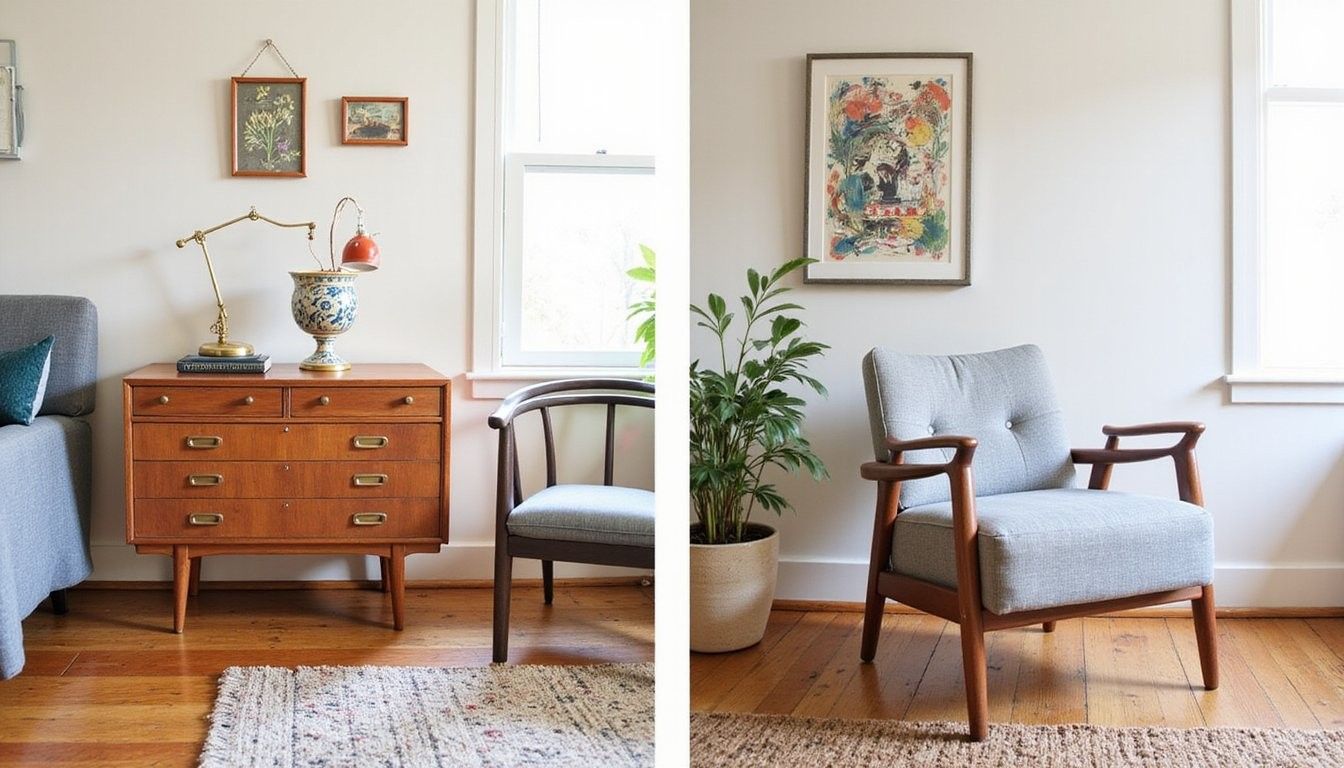
I remember the first time I found a battered mid-century side table at a thrift store — its warped top and missing knob felt like a challenge rather than a problem, and I bought it on impulse for next to nothing. That table became the entry point to a years-long habit of hunting secondhand treasures and turning them into signature pieces for my home.
The thrill of a successful find is a blend of surprise, creativity, and practicality, and those moments stick with you more than any mass-produced purchase. When you rescue something and reimagine it, you get a richer story in your space and a more personal style that no store-bought item can replicate.
The ‘Why’
Choosing thrift store decorating and upcycling matters because it blends sustainability, budget sense, and creative expression into home design. Beyond cost savings, repurposing items reduces waste and gives your rooms a lived-in, layered look that feels welcoming.
Upcycling also trains your eye to see potential where others see discard, and that skill changes how you shop and design for a lifetime. When you build a home from reclaimed pieces, each object brings a story and texture that help your space feel curated rather than catalog-driven.
Introduction
This guide gathers the best thrift store decorating finds and practical ideas to transform them into beautiful, functional pieces for modern homes. You’ll find concrete techniques for furniture, textiles, decorative objects, lighting, and storage that suit renters and homeowners alike.
My approach favors approachable projects that require basic tools and patience rather than advanced carpentry or costly supplies. With thoughtful choices and a few creative steps, thrifted pieces can outshine new items and make your home feel uniquely yours.
Tools & Materials
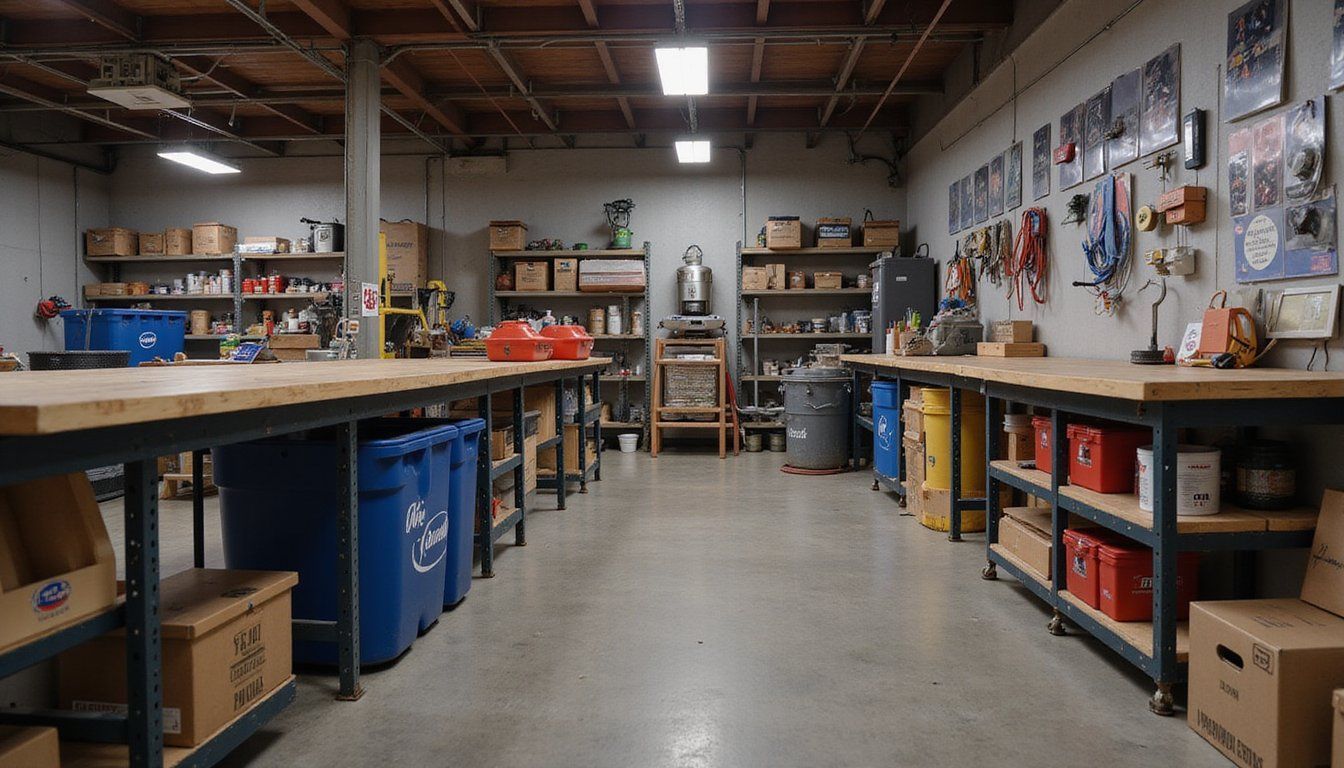
- Sandpaper and sanding block — assorted grits for smoothing and prepping wood and metal surfaces.
- Primer and paint — spray and brush-on options in neutral and accent colors for fast updates.
- Wood glue and clamps — for repairing joints and reinforcing reclaimed furniture.
- New hardware — knobs, pulls, and hinges to modernize vintage pieces.
- Fabric and batting — for reupholstery of cushions and seat pads.
- Decoupage medium and decorative paper — to add pattern to drawers, tabletops, and lamp shades.
- Basic tools — screwdriver, pliers, hammer, drill, measuring tape for common fixes.
- Clear sealer or wax — to protect finishes on painted or stained surfaces.
Furniture Finds: Chairs, Tables, and Dressers
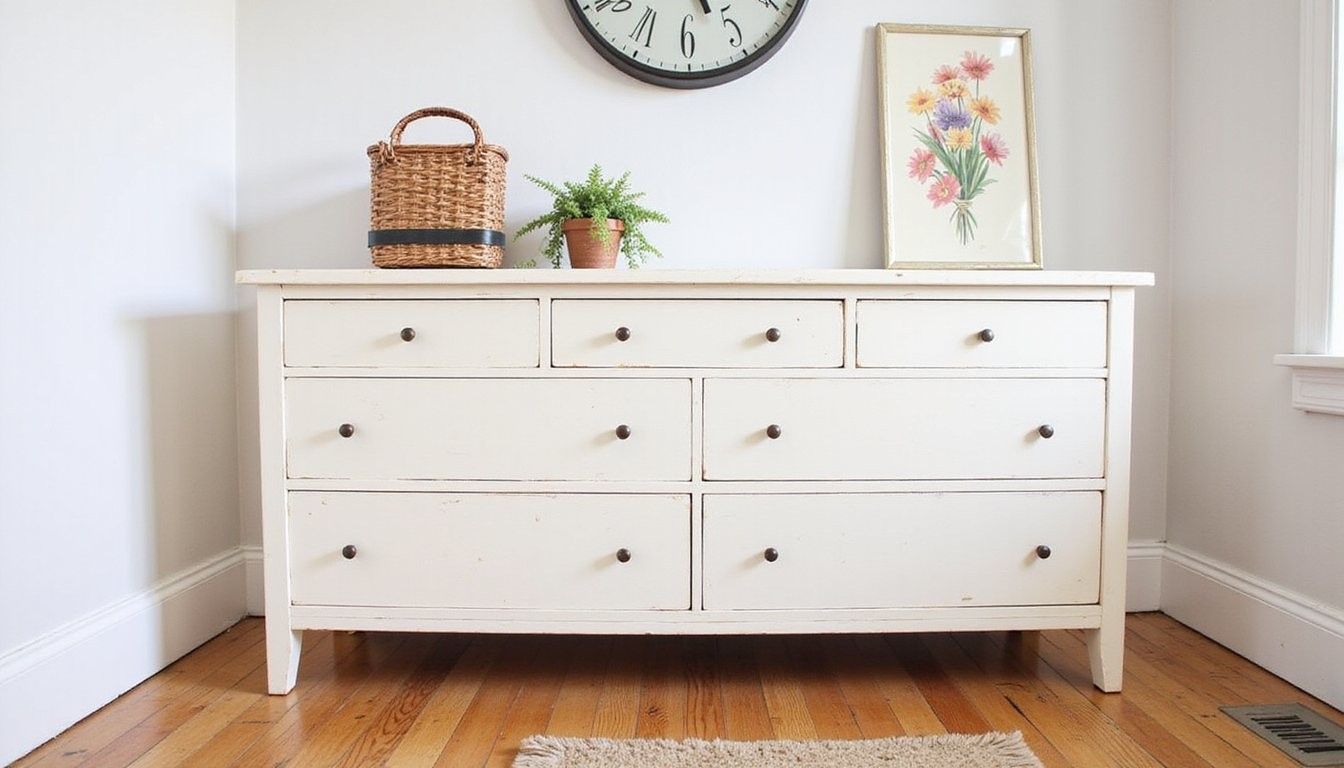
Thrifted furniture offers the best canvas for upcycling because pieces like side tables and dressers often have solid bones and just need cosmetic love. When you focus on structure first, a simple sanding, a coat of paint, and updated hardware can turn an overlooked piece into a room anchor.
Start by checking for wobble and water damage and test drawers and joints before buying, since structural repairs add time and cost. A well-made frame with cosmetic wear is far more valuable than a pretty piece that will fall apart within months.
For an updated look, consider two-tone paint or contrasting drawers to create a custom feel without advanced skills. Replacing or painting hardware is a small change that makes a big visual difference and can bring period pieces into a modern palette.
| Find | Typical Upcycle | Effort Level |
|---|---|---|
| Wood side table | Sand, stain or paint, new knobs | Low to Medium |
| Upholstered chair | New fabric, foam, trim | Medium |
| Dresser | Paint, replace pulls, line drawers | Medium |
Textiles & Soft Furnishings: Rugs, Cushions, and Throws
Textiles breathe life into a room and thrift stores are treasure troves for unique fabrics, from Persian rugs with muted palettes to patterned curtains waiting for a new life. Even slightly worn textiles can be cleaned, patched, and repurposed into cushion covers, upholstery panels, or accent throws with a bit of sewing and creativity.
When choosing textiles, assess fabric weight and weave to determine durability and suitability for upholstery versus decorative use. Lightweight drapery fabrics make beautiful throw pillow fronts, while heavy wool or flatweave rugs can be re-edged or turned into bench cushions.
Simple repairs like darning, reweaving fringe, or adding a fabric backing extend the life of thrifted textiles and let you keep beloved patterns that might otherwise be discarded. Investing a little time in clean-up and repair saves money and preserves character that mass-produced items lack.
Decorative Objects & Art: Frames, Vases, and Finds That Tell a Story
Small decorative objects are the easiest way to add personality and charm because a single painted vase or re-framed print can shift a whole vignette. Look for solid materials like glass, brass, and wood since they respond well to simple cleaning, polishing, or painting techniques.
Frames are particularly generous canvases for creativity; swapping matting, painting the frame, or inserting vintage fabric creates a custom piece at a fraction of the cost. When you pair thrifted art with new framing or mat colors, you elevate the overall aesthetic and make disparate pieces feel cohesive.
Vases and bowls can be grouped by color or texture to create impactful centerpieces even if each item is small on its own, and metallic finishes often polish up beautifully. Layering vintage objects with a few new pieces keeps the display fresh while honoring the thrifted finds.
“Mixing eras creates visual interest and keeps your home from looking too uniform.”
Functional Finds: Lamps, Baskets, and Storage
Functional items often deliver the biggest return on investment because a thrifted lamp or basket that works perfectly requires minimal aesthetic changes to be transformative. When repairing a lamp, prioritize safe wiring and choose a tasteful shade to match your room; it’s surprising how a new shade can modernize a dated base.
Baskets and boxes add texture and organizational value while being practically maintenance-free once cleaned and lined. Simple solutions like adding felt feet to baskets or re-lining boxes make them more user-friendly and help them blend into contemporary interiors.
Small fixes like tightening screws, replacing bulb sockets, or re-gluing joins make thrifted functional finds safe and durable for daily use. These practical repairs are often straightforward and highly worthwhile because they extend the life of the item and your enjoyment of it.
Cost vs. Impact Comparison
To help decide where to invest time and money, the table below compares typical thrift finds by cost and visual impact so you can prioritize projects that give the biggest stylistic return. Use this as a practical guide when you’re deciding whether to repair, refinish, or pass on a piece.
| Item | Average Cost Found | Typical Upcycle Cost | Visual Impact |
|---|---|---|---|
| Side table | $10–$40 | $10–$60 | High |
| Upholstered chair | $15–$75 | $20–$150 | High |
| Small decor (vase, frame) | $2–$20 | $0–$20 | Medium |
| Rug | $15–$150 | $10–$80 | High |
Focus on high-impact pieces like chairs and tables if your goal is to change the feel of a room quickly, and pick smaller objects for layering and styling. Budget both materials and time into your plan so you’re not surprised by repair needs after you bring a piece home.
Quick Decision Checklist (Boolean Table)
Use this quick checklist when browsing to make faster, smarter decisions and avoid hauling home items that won’t be worth the effort. Answering a few simple questions in the store saves time and helps you focus on pieces with the most potential.
| Question | Yes | No |
|---|---|---|
| Sturdy construction? | ✓ | |
| Safe to repair? | ✓ | |
| Fits scale of room? | ✓ |
Repair & Prep Techniques
Preparation is the foundation of a good upcycle and includes cleaning, minor repairs, and prepping surfaces so finishes adhere and new hardware fits correctly. Start by removing dirt and old polish with gentle cleaners and then evaluate whether sanding, wood filler, or reinforcement is needed before painting.
When sanding, move from coarse to fine grit to avoid gouging and to create a smooth surface for paint or stain, and always clean dust thoroughly before finishing. Test paint and stain on hidden areas first so you can be sure of color and adhesion before committing to the visible surfaces.
Finishing Touches That Elevate
Finishing is where a thrifted piece becomes a treasured fixture in your home, and small choices like hardware, lining materials, and protective finishes matter more than you might think. Select hardware and textiles that harmonize with your room palette to create cohesion between new and reclaimed items.
Sealers like clear wax, matte varnish, or water-based polyurethane protect surfaces and make them easier to live with, especially in high-traffic areas. Consider low-sheen finishes for longevity so scratches and fingerprints show less than they would on glossy surfaces.
What to Avoid
Project Ideas with Time Estimates
Projects that transform thrifted finds can be scaled to your time and skill level, so choose one that fits your calendar and budget rather than trying to do everything at once. Below are project ideas with rough timeframes to help you plan weekend projects or longer restorations.
| Project | Time | Skill |
|---|---|---|
| Painted side table | 2–6 hours | Beginner |
| Reupholster seat cushion | 4–10 hours | Intermediate |
| Refinish dresser | 6–20 hours | Intermediate |
Sourcing Strategies: Where and When to Shop
Successful thrift shopping is a combination of timing, curiosity, and local knowledge because stock turns over and the best finds require persistence. Weekday mornings, charity shop restock days, and estate sale windows are often the best times to find intact, high-quality items before the weekend crowds arrive.
Build relationships with store staff when possible, since they can tip you off to arrivals or hold items for you on request. Tracking multiple shops and visiting regularly increases your chances of finding those special pieces that reward patience and attention.
Styling Tips to Make Thrifted Pieces Shine
Styling thrifted finds is where your personal taste becomes the final flourish, and the easiest approach is to mix eras and textures thoughtfully rather than matching everything. Balance visual weight by pairing bold vintage items with simpler modern pieces so each object reads clearly in the room.
Repeating colors or materials across the room helps unify disparate pieces and create a curated look, while negative space gives each thrifted find room to breathe. Use groupings of three or odd numbers when arranging small objects to create natural visual rhythm and interest.
Sustainability and Budget Considerations
Upcycling thrifted items is inherently eco-friendly and can significantly lower your decorating budget because it delays items from landfills and reduces demand for new production. While some restoration supplies add cost, the overall environmental and financial benefit is usually favorable compared with buying new high-end pieces.
Set a clear budget per project before you buy to avoid overspending on supplies or impulse purchases that erode savings. With modest investments in paint, fabric, and hardware, you often achieve results comparable to much more expensive retail alternatives.
Common Mistakes
When to Call a Professional
Certain repairs should be left to professionals, especially where structural integrity or safety is concerned, like major wood reconstruction or complex electrical rewiring for lamps. If you encounter mold, extensive rot, or wiring that looks compromised, consult a specialist so repairs are safe and compliant.
Professional upholstery work is worth the cost for heirloom pieces because experts can match foam density and stitch construction for longevity. Weigh the sentimental or monetary value of a piece before investing in high-end restoration to ensure the expense is justified.
FAQ
How do I clean thrifted textiles safely? Use gentle detergent and air-dry when possible, and test a hidden corner for colorfastness before washing; for delicate items, consider professional cleaning.
Can I refinish antiques without losing value? Light surface work that respects original finishes preserves value more than aggressive stripping, and consult a dealer for true antiques that might lose resale value when altered.
What paints are best for furniture? Use high-quality latex or furniture-specific milk paint for easy application and durability, and seal with wax or low-VOC polyurethane for protection.
Is it safe to buy electrical items at thrift stores? Small lamps and appliances can be safe if rewired and tested, but complex electronics are best avoided unless inspected and repaired by a technician.
How do I transport large thrifted furniture? Measure carefully, bring appropriate blankets, straps, and a helper, and plan for doorways and staircases before committing to purchase.
