
The Myth
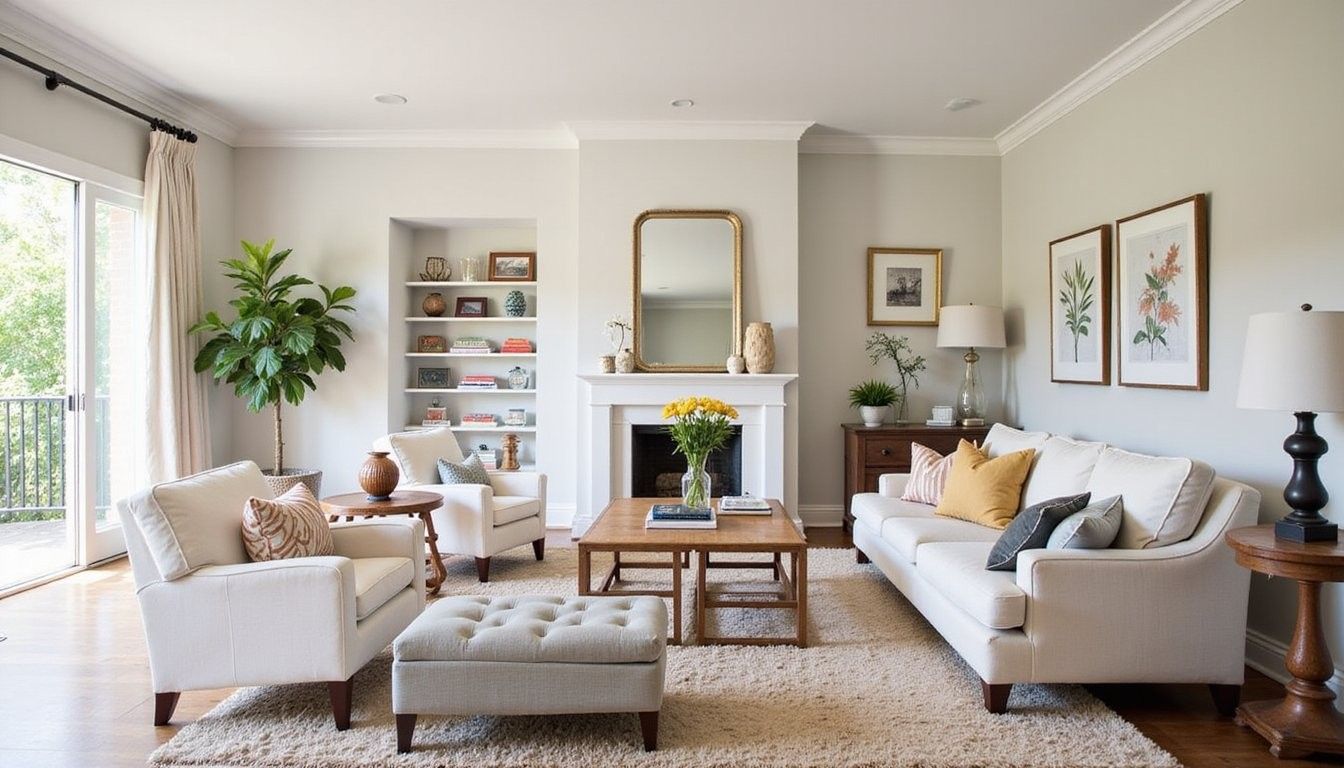
Big changes require big budgets. Many homeowners believe that to make a room feel fresh and welcoming they must spend a lot on fixtures and hire pros to rewire, which can make lighting improvements feel out of reach.
Only complex projects count as real upgrades. That idea keeps people stuck with harsh overhead lights, but small swaps and smarter choices can create a dramatic mood shift without tearing up ceilings or draining savings.
The Truth
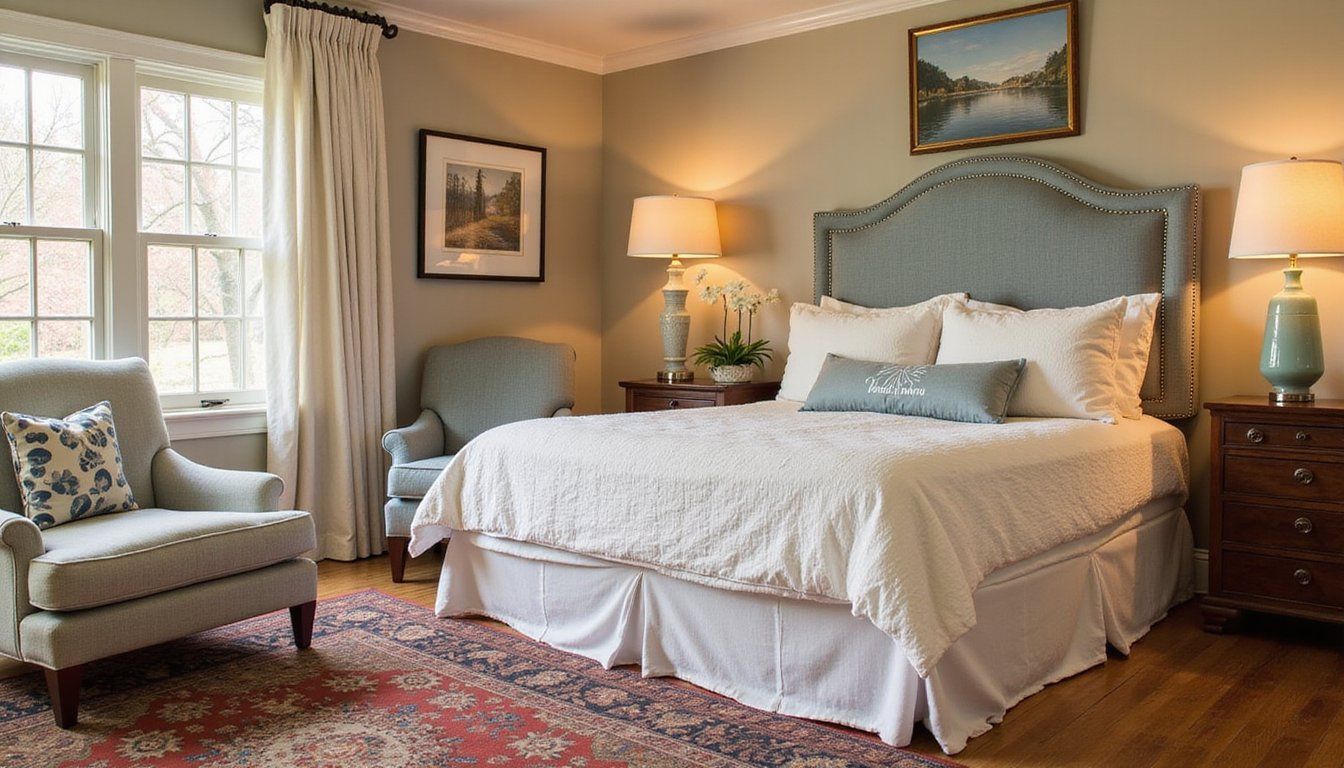
A few thoughtful swaps transform a room. Swapping bulbs, adding targeted lamps, and softening glare can change perceived size, warmth, and purpose of a space with minimal expense and minimal time.
Small investments multiply the feel of luxury. When light is layered and controlled, inexpensive elements like LED bulbs, a new lamp shade, or a dimmer create the sense of a curated space that guests notice first.
Myth-Buster Box
Reality: Thoughtful low-cost swaps—better bulbs, layered lamps, and light control—can remake a room’s feel with little fuss and minimal spend.
Overview
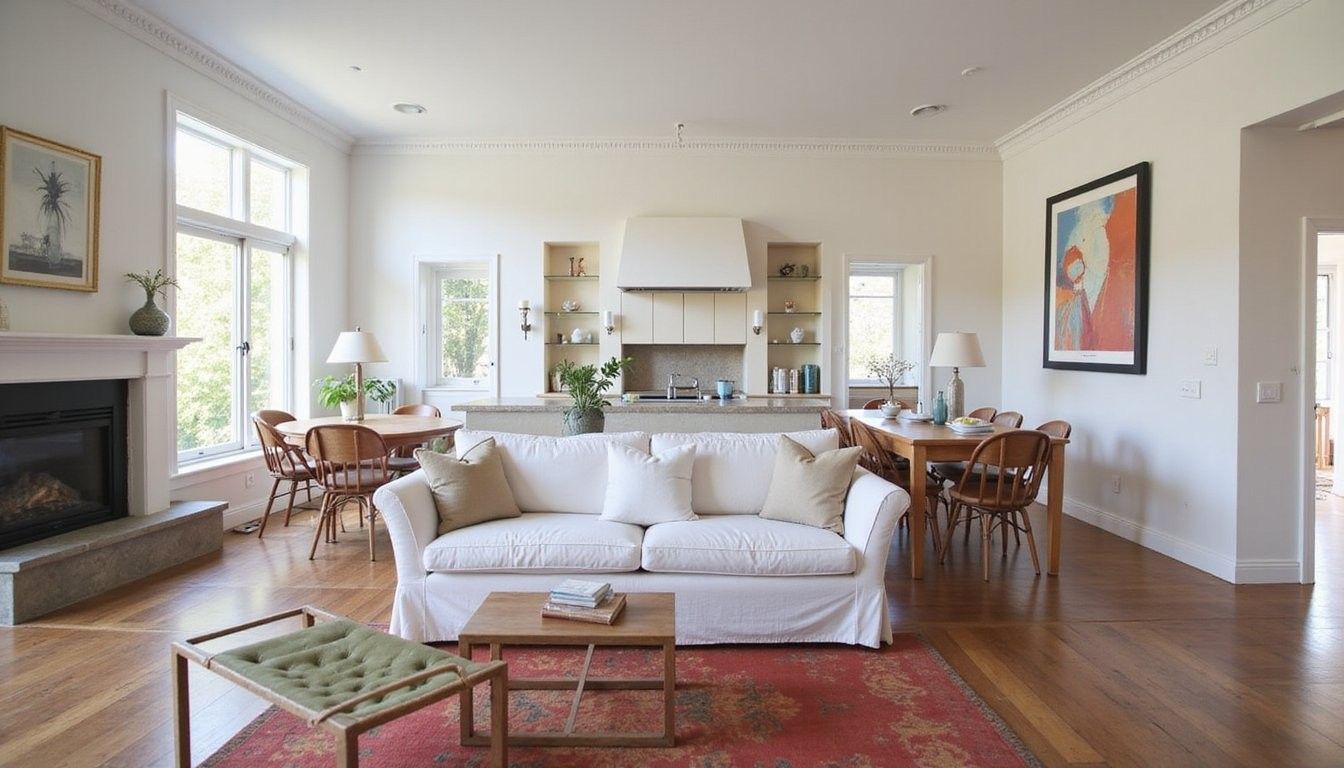
Lighting shapes emotion and function. When light matches how you use a room it supports tasks, highlights focal points, and makes daily life feel intentional, so a strategic approach matters more than the size of the bill.
Practical changes bring design polish. This guide walks through affordable options you can apply in hours, describes what tools you might need, and flags missteps that waste time or money so you get the best result from modest investment.
Tools & Materials
Gathering the right basics saves time. Having common items at hand prevents mid-project delays and keeps the focus on styling rather than running for tools.
- LED bulbs in a range of color temperatures (2700K to 3000K) and wattage equivalents.
- Smart bulbs or plugs if you want remote control and scheduling.
- Dimmers compatible with LED loads (check packaging for compatibility).
- Table and floor lamps with shades that soften light rather than direct it harshly.
- Plug-in wall sconces or adhesive puck lights for renter-friendly accent solutions.
- Basic tools like a screwdriver, ladder, and a soft cloth for polishing fixtures.
Swap Bulbs First
Changing bulbs is the fastest, most visible move. Swapping an old bulb for a high-quality LED shifts color temperature and brightness control, reduces heat, and often cuts energy costs, while offering instant improvement to color rendering and perceived space.
Match bulb choice to room activity. Pick warm 2700K to 3000K for lounges and bedrooms to create cozy ambiance, and choose higher lumen counts for task areas, taking care to avoid glare by adding shades or directing light where you need it.
Layer Lighting
Combining ambient, task, and accent light makes spaces flexible. Ambient light provides overall illumination, task light supports activities like reading or cooking, and accent light highlights art or architectural details, so arranging these layers lets a room adapt to different needs and moods.
Placement and scale matter more than price. A low-cost floor lamp beside a sofa or a pair of matching table lamps on either side of a bed adds symmetry and purpose, drawing the eye and making a room read as thoughtfully designed even if pieces are affordable.
| Upgrade | Approximate Cost | Perceived Effect |
|---|---|---|
| LED bulb swap | $3–$10 each | Brighter, cleaner light |
| Pair of table lamps | $50–$150 total | Balanced ambience and warmth |
| Dimmer switch | $15–$40 | Mood control and lower energy draw |
Accent & Task Lighting
Targeted lights make features feel curated. A low-profile picture light, a slim spotlight for a bookshelf, or under-cabinet strips in kitchens elevate focal points and improve usability while keeping costs low when you choose plug-in or adhesive options.
Soft diffusion prevents harsh contrast. Adding shades, frosted covers, or bouncing light off walls reduces glare and lengthens the lifespan of eyes comfort during evenings, so focus on placement and diffusion rather than raw wattage for the best result.
Small accent lights yield big personality. Use them to frame art or architectural details and the room will feel intentional without an expensive overhaul.
| Feature | Before | After |
|---|---|---|
| Art visibility | Dim, uneven | Highlighted and crisp |
| Task clarity | Strained | Clear and pleasant |
Smart Controls & Dimmers
Control is where value compounds. Adding a dimmer or smart control gives you instant ability to change mood, save energy, and coordinate scenes with plug-in smart bulbs or switches that cost a fraction of fixture replacements.
Compatibility matters more than brand names. Before purchasing, confirm that neat pairing between dimmers and LED loads exists and that smart bulbs will work with your hub or phone so the new gear performs smoothly and avoids flicker or limited dimming range.
| Option | Typical Cost | What it Adds |
|---|---|---|
| Basic dimmer switch | $15–$40 | Mood control and energy savings |
| Smart bulb | $10–$40 | Remote control, scheduling |
| Plug-in smart module | $20–$35 | Smart control without rewiring |
Cost vs. Perceived Change
Smart choices weigh cost against visual gain. A low-cost bulb that offers better color rendering can feel more transformative than a pricey fixture that is poorly placed, and a small bundle of complementary changes often reads as a cohesive update rather than piecemeal spending.
Spend where placement multiplies effect. Invest in a pair of lamps for symmetry or a dimmer for a living area and the room will feel intentionally styled, which is the core of design impact more than the dollar amount of each element.
| Item | Cost Range | Perceived Change |
|---|---|---|
| Single LED bulb | $3–$10 | Noticeable brightness and warmth shift |
| Accent lighting kit | $25–$80 | Feature highlighting and depth |
| Full rewiring or fixture replacement | $200+ | Substantial change when layout or fixture finish is the issue |
What to Avoid
Avoid mismatched color temperatures. Mixing warm and cool bulbs in the same sightline creates discord that undermines every other styling decision, so standardize around a temperature range for connected spaces.
Don’t overglaze with fixtures without function. Excess fixtures placed without intention add clutter and cost rather than clarity, so prioritize placement that serves tasks, frames features, or builds mood.
FAQ
How long does a simple refresh take? A basic bulb swap and lamp rearrangement can be done in an hour or two, while adding dimmers or plug-in accents might take a weekend depending on how many rooms you update and whether you need to order parts.
Are LED bulbs always the right call? For most living spaces they are a strong choice because they run cooler, last longer, and offer consistent color, but check CRI and color temperature to ensure skin tones and fabrics look natural under the light.
Can I use smart bulbs with existing lamps? Yes, many smart bulbs fit standard sockets and give you remote control and schedules without rewiring, though some multi-light fixtures or enclosed shades may restrict wireless signal or heat dissipation so test before full rollout.
Will a dimmer save money? Dimming reduces power draw and extends bulb life for many setups, and when paired with LED choices the combination often gives the best balance of savings and mood control, provided the dimmer is LED-compatible.
