
The Struggle
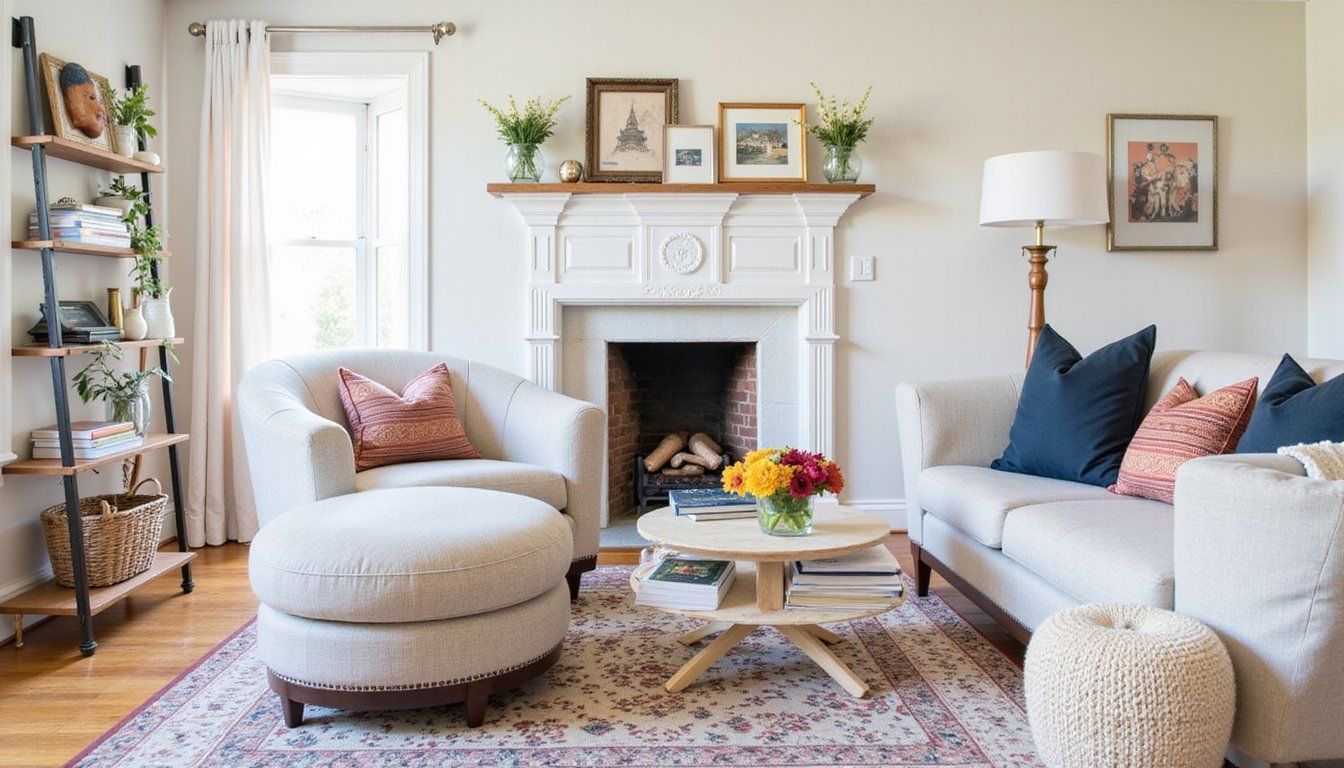
Cluttered or empty display areas can make a living room feel unfinished and stressful, leaving you unsure how to arrange items without spending a fortune. That awkward in-between—too much stuff on a shelf or a mantel that looks bare—often comes from not having a plan for scale, texture, and rhythm.
The Quick Fix
Start with a simple rhythm by grouping pieces in threes and mixing heights before buying anything new, which instantly makes displays feel curated rather than crowded. Focus on one unifying element like color or texture to tie the arrangement together and swap inexpensive items seasonally to refresh the look.
Introduction

Styling open shelves and mantels is a joyful chance to show personality while keeping the room balanced and calm, and you don’t need designer prices to get there. With a few affordable strategies—editing, layering, and smart shopping—you can create compositions that feel measured, warm, and collected.
These ideas are practical for renters and homeowners alike because they rely on arranging what you already own and adding budget-friendly accents. Small swaps and thoughtful placement will refresh a whole space without a major outlay or a long weekend of DIY.
Tools & Materials
A short checklist helps you gather items so that styling becomes a focused project instead of a scavenger hunt that drags on. Collecting everything first makes it easier to test pairings, change groupings quickly, and avoid unnecessary purchases.
- Assorted books (hardback and paperback) for layering and height
- Neutral baskets or crates for hidden storage
- Small vases and ceramic bowls in mixed heights
- Framed photos or unframed art leaned against the wall
- Greenery (real or faux stems) for texture and life
- Decorative objects like candles, shells, or sculptural pieces
- Command strips or small museum putty to secure items
- Simple tray for corralling small things
A tidy toolkit of baskets, trays, and adhesives will make the final styling feel polished and last through everyday use. Choosing multiuse items such as trays that double as display bases and storage baskets that also look decorative stretches every dollar further.
Styling Open Shelves
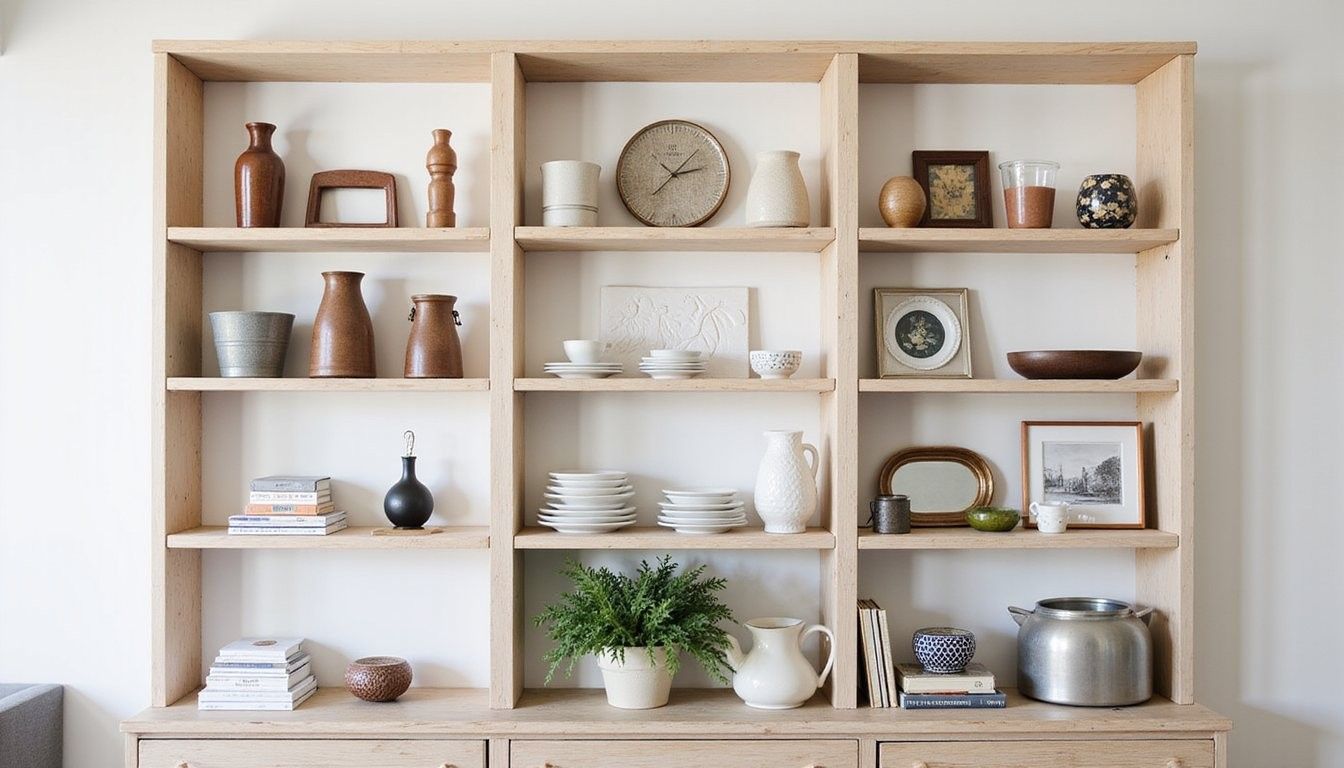
Start by editing the shelf like a room—remove everything, keep a handful of favorites, and think in groups rather than singles so the shelf tells a visual story. Grouping similar tones or textures lets your eye move comfortably across the shelf and prevents a cluttered feeling without needing costly pieces.
Work with scale and negative space by alternating tall and low items and leaving breathing room to let each object register. Avoid lining items up like soldiers by leaning art, stacking books horizontally, and using small sculptural pieces to break the monotony.
Use repetition to create cohesion by repeating one color or material across the shelves to knit different objects into a calm composition. Small, repeated elements like a trio of ceramic bowls or a consistent greenery type give the overall arrangement a curated feel without being matchy.
Styling Mantels
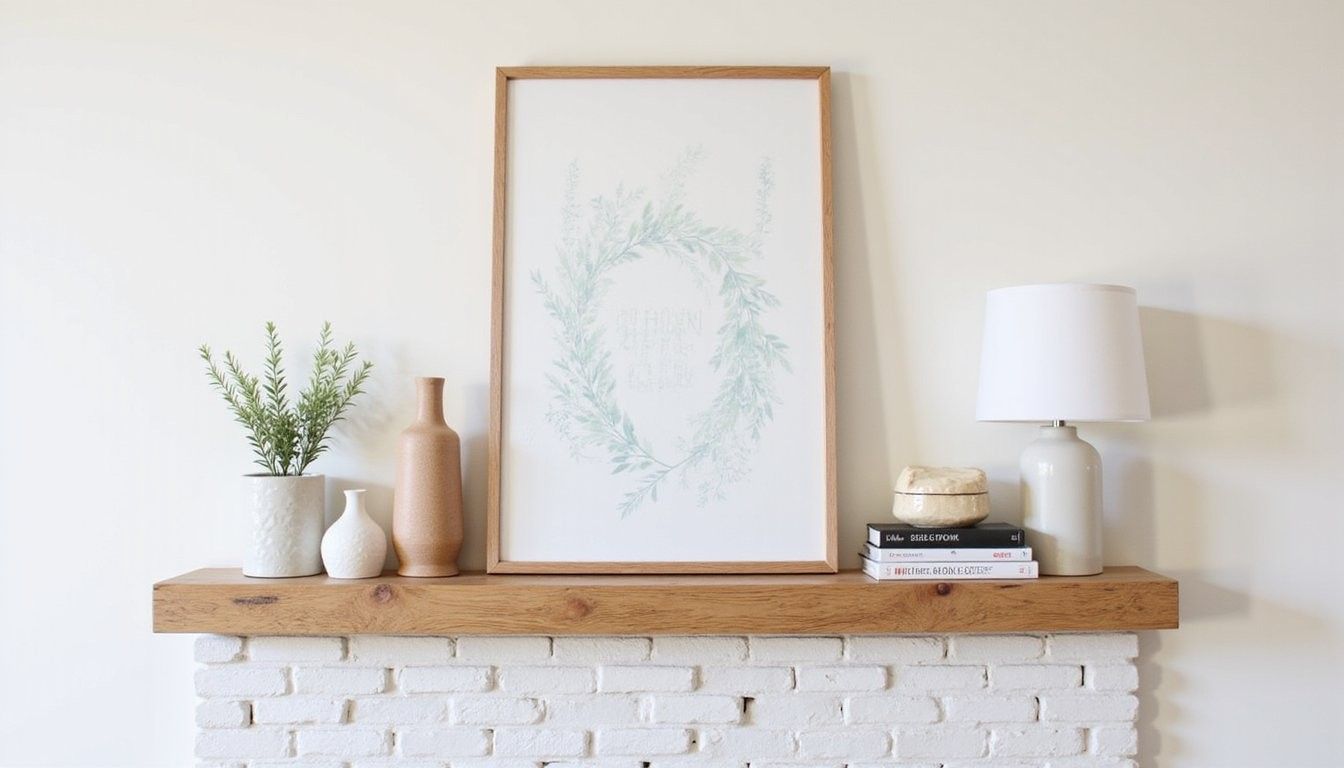
Think of the mantel as a focal ledge that anchors the room, and aim for a balanced asymmetry rather than perfect mirroring to keep the look relaxed. Layering elements such as a large leaning art piece, medium objects, and small accents helps create depth without spending much.
Rule of thirds works wonders for mantels: place the tallest piece off-center and arrange supporting items in two visual groups to the sides.
Mix personal items with found objects to give the mantel warmth and character—family photos, a vintage book, and a simple vessel look intentional together. Swapping seasonal finds like greenery in spring or candle clusters in winter keeps the mantel fresh throughout the year.
Budget-Friendly Hacks
Thrift stores and flea markets are goldmines for unique pieces that look expensive but cost a fraction of retail, and a quick spray of paint can modernize older finds. Refinishing or painting items in a consistent palette makes mismatched elements read like a curated set rather than leftovers.
Use nature as a free resource with foraged branches, shells, or seasonal foliage that add texture and a personal touch at no cost. Switching out smaller accents seasonally—like pillow covers for the room—keeps the display feeling new without frequent shopping.
| Item | Typical Cost | Visual Impact |
|---|---|---|
| Vintage vase (thrift) | $5–$25 | High |
| Spray paint for makeover | $6–$12 | Medium |
| Baskets for storage | $10–$40 | High |
A simple cost-versus-impact test helps you choose where to spend: prioritize items that give the biggest visual return like a statement vase or an oversized frame. Small, inexpensive swaps can change perceived value dramatically when placed thoughtfully in a composition.
Layering, Scale, and Texture
Layering creates depth by combining flat elements like art with three-dimensional objects such as ceramics and plants, which prevents displays from looking flat. Start with large pieces at the back and add medium and small items in front to create a sense of progression and make each item readable.
Scale wins over symmetry because a mix of tall and short objects is more interesting than identical duplicates, and varying heights draw the eye through the arrangement. Texture—woven baskets, matte ceramics, and glossy glass adds tactile contrast that reads on camera and in person, elevating inexpensive items.
| Element | Role | Budget Tip |
|---|---|---|
| Large framed print | Anchors the composition | Use poster prints in inexpensive frames |
| Stacked books | Adds height and base layers | Choose neutral covers or wrap in kraft paper |
| Baskets | Conceals clutter and adds texture | Thrift woven baskets or DIY with rope |
Common Mistakes
Another frequent misstep is relying solely on symmetry which can feel stiff and contrived, making a space look showy rather than lived-in. Choose balanced asymmetry by offsetting weight on either side and using a central anchor like art or a mirror to keep the composition grounded.
Overusing matching sets reduces interest and makes the styling predictable, and identical repeats can flatten a display rather than enrich it. Mix materials and finishes like metal with wood or matte ceramics with glossy glass to maintain visual contrast and energy.
Practical Styling Process
Follow a simple, repeatable routine when styling: edit, anchor, layer, and step back to tweak spacing and balance so decisions feel deliberate and fast. Working methodically reduces second-guessing and makes it easy to refresh a space every season.
Start with an anchor piece such as a large art or a tall vase, then create two supporting clusters and finish with a small accent to bridge the groups. Test different heights and angles by leaning frames, stacking books, and rotating objects until the flow feels natural.
Cost vs. Impact Comparison
Knowing where to spend matters because a few targeted purchases can elevate a whole display, while many tiny buys often dilute the look. A budgeted plan prioritizes statement elements and practical storage over impulse buys that don’t add cohesion.
| Purchase | Cost Range | Visual Return |
|---|---|---|
| Large framed print | $20–$100 | High |
| Set of small decorative objects | $10–$50 | Medium |
| Thrifted baskets | $5–$30 | High |
Quick Editing Checklist
A brief edit saves time when styling: remove everything that doesn’t spark joy or relate to the overall palette before you begin rearranging. Keep only pieces that communicate something about your style or family story to make groupings feel purposeful rather than accidental.
Then assemble in threes where possible—grouping in threes creates natural rhythm and reduces visual clutter by consolidating many small items into one readable unit. Repeat one unifying element such as a color, finish, or texture to harmonize the grouping across shelves or the mantel.
FAQ
How can I make shelves feel balanced without buying new decor?
Answer: Start by removing half of the items and rehanging any art to create negative space, then group the remaining pieces into layered clusters using books as risers to change heights.
Can I style a mantel if I have a TV above it?
Answer: Yes, place one strong anchor like a long runner or a single wide artwork directly on the mantel and balance with asymmetrical stacks and low objects that won’t compete with the screen.
What’s the easiest way to update a shelf seasonally without spending much?
Answer: Swap textiles and greenery, change small accent colors like candle wraps or ribbon, and rotate a couple of objects from storage to refresh the look quickly and affordably.
How do I secure items on high shelves or in homes with kids and pets?
Answer: Use museum putty on bases, choose heavier low-positioned items for areas within reach, and place fragile or valuable items out of reach to prevent accidents without sacrificing style.
Is matching all decor items necessary for a cohesive look?
Answer: No; mixing finishes and eras creates an interesting, collected feel, but use one unifying thread like color or material to keep the mix from feeling chaotic.
