
The Myth
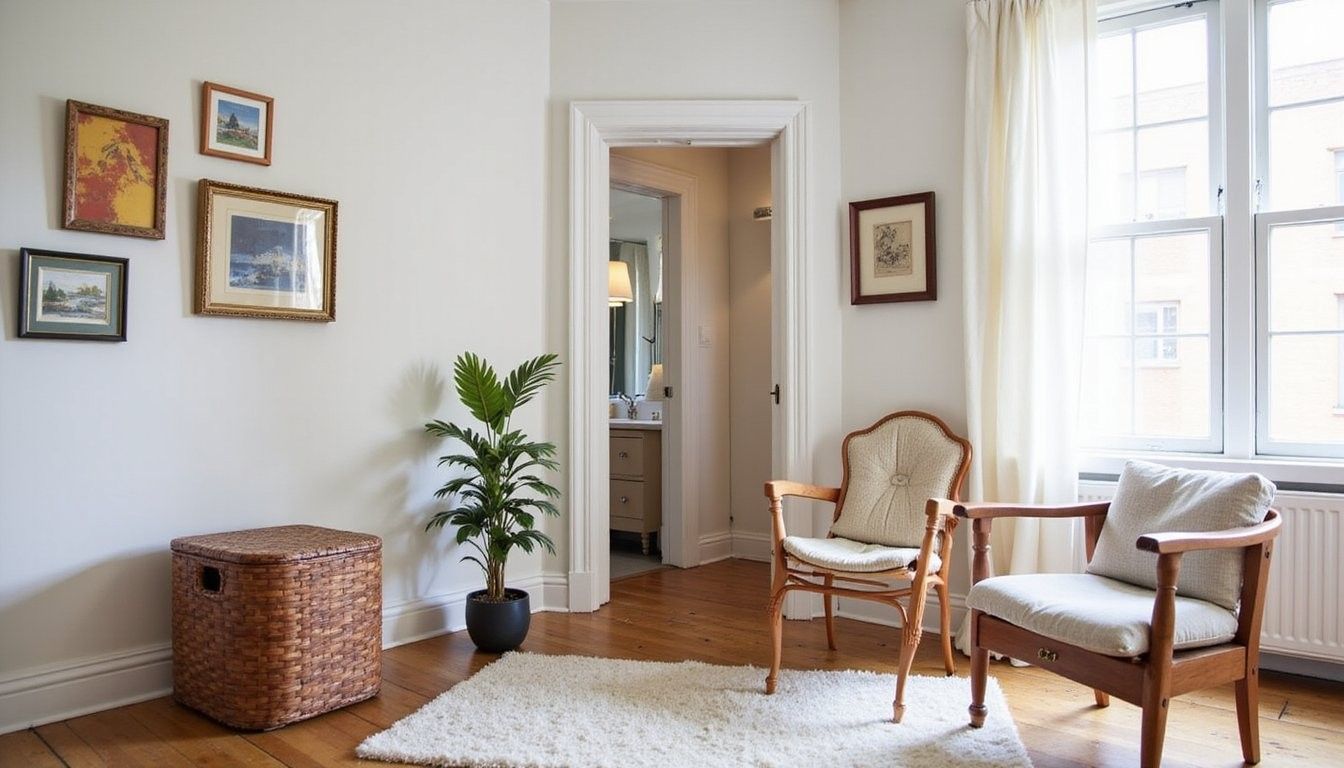
You need a big apartment to live clutter-free. Many people assume that a roomy floor plan is the only way to keep belongings tidy and stylish, and that small layouts force compromise on comfort and function.
Stuff will overflow if space is limited. That belief keeps people holding onto more than they need and prevents creative thinking about how to make compact square footage work harder.
The Truth
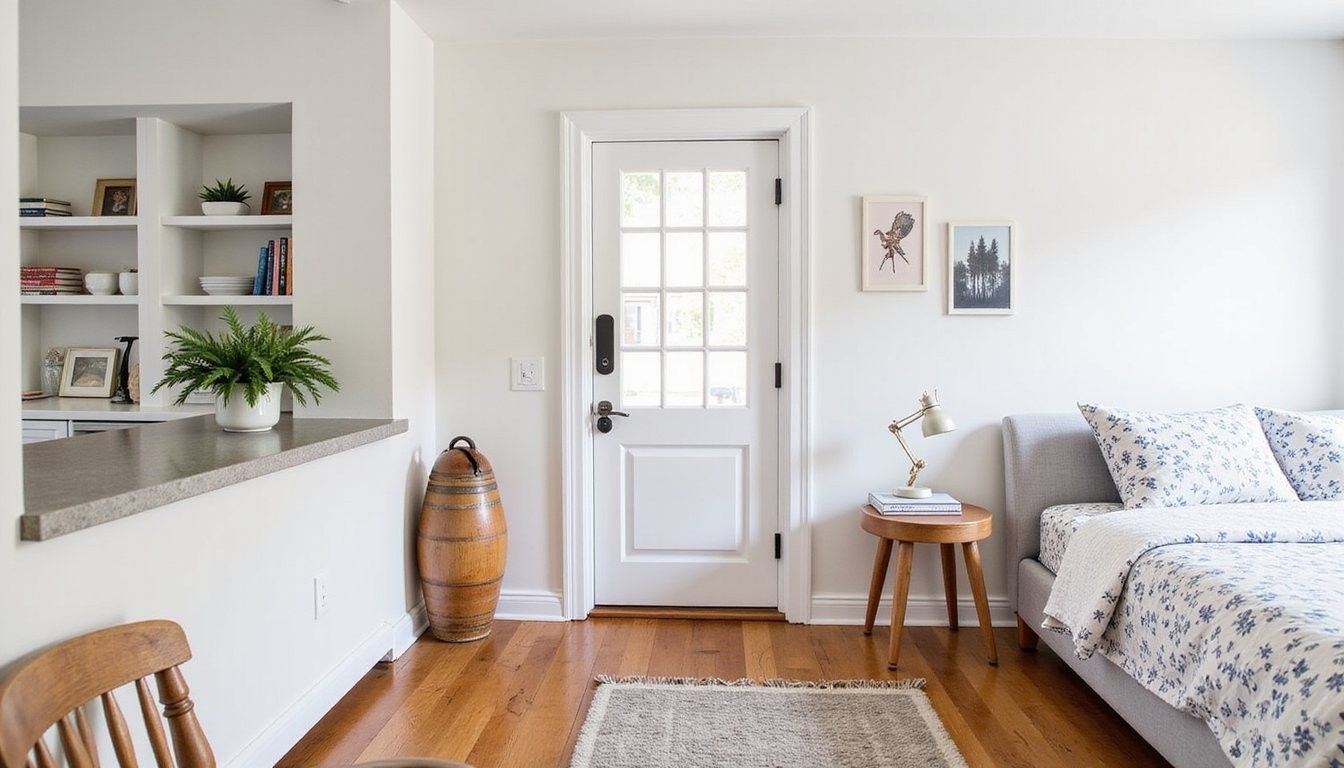
Smart design beats square footage every time. Thoughtful storage strategies and multi-use pieces can transform a small footprint into a calm, efficient home that feels larger because every item has a place and every surface serves more than one purpose.
Less can feel like more when arranged well. By prioritizing vertical space, concealed storage, and furniture with built-in compartments, you can create room for living, working, cooking, and relaxing without expanding the walls.
Myth-Buster Box
Reality: Compact homes can be calm and highly usable when storage is planned, layered, and integrated into the architecture and furniture.
Introduction
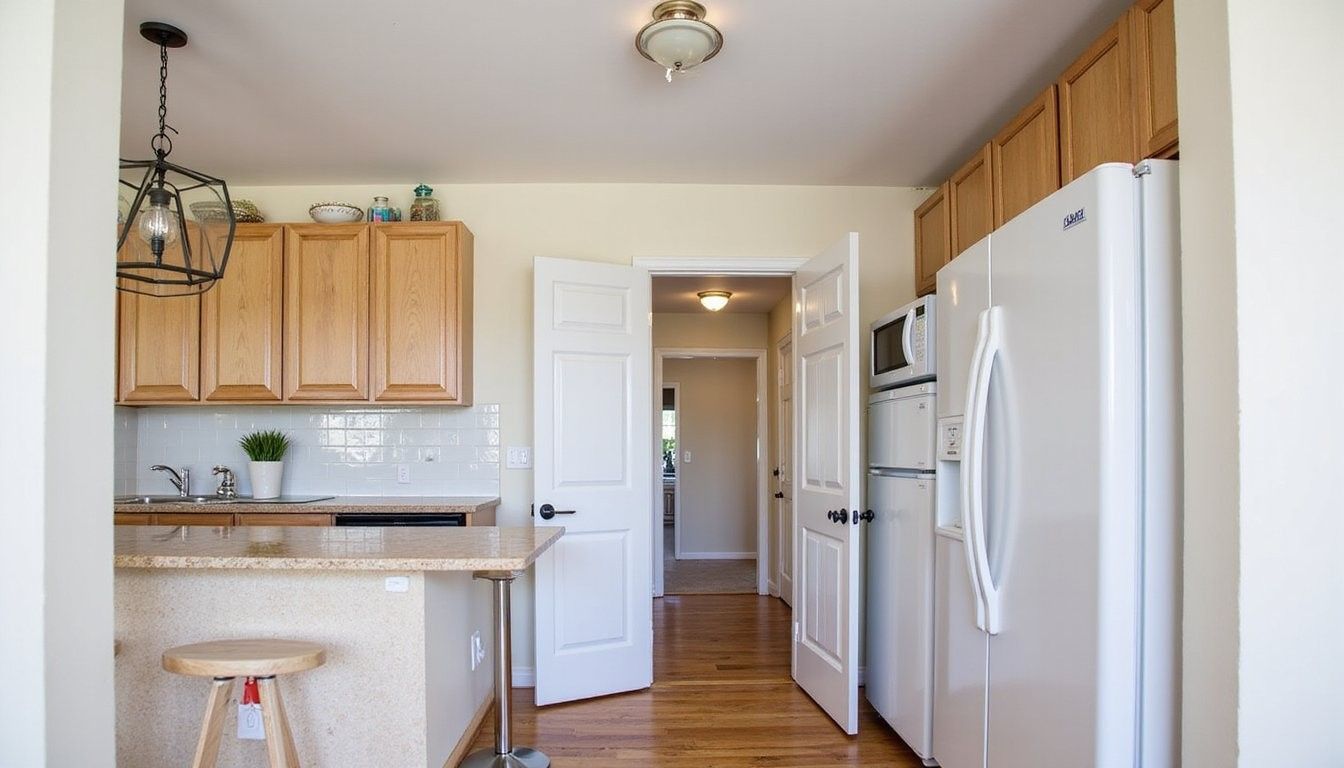
Small spaces reward intentional choices. When square footage is limited, every storage decision affects daily flow, and a strategic approach makes living simpler and more joyful because clutter is managed instead of ignored.
Think of storage as design, not an afterthought. Solutions that combine beauty and functionality free visual space and let furnishings breathe, which often creates the impression of more room than actually exists.
Tools & Materials
Gather a few essentials before you start. Preparing the right tools and containers helps you implement ideas quickly, avoids wasted purchases, and ensures each solution fits the space.
- Measuring tape and a laser measure for accuracy
- Label-free clear storage bins and stackable boxes
- Wall anchors and screws rated for weight
- Floating shelf brackets and modular shelving units
- Multi-functional furniture like storage ottomans and murphy beds
- Drawer dividers, under-bed organizers, and adhesive hooks
Smart Vertical Storage
Vertical space is the easiest untapped square footage. Installing tall shelves, stacking modules, and floor-to-ceiling cabinetry reclaims headroom that would otherwise be wasted, and it draws the eye upward so ceilings feel higher.
Use the wall plane for both storage and style. Combine open shelving for display with closed cabinets for less attractive items, and stagger heights so everyday objects sit within reach while seasonal pieces live higher up.
Multi-Functional Furniture
Choose pieces that pull double duty. Beds with drawers, fold-down desks, and sofas that convert to beds let one footprint serve multiple needs, which is especially helpful when space must act as bedroom, living room, and office.
Quality over quantity makes room feel curated. Investing in a few adaptable items reduces the total number of pieces required and gives you more free surface and floor area to move and breathe.
Hidden & Creative Nooks
Concealment creates calm. Use false fronts, storage benches, and toe-kick drawers under kitchen cabinets to tuck away seldom-used items so surfaces stay clean and the space reads as uncluttered.
Every niche can earn a function. Convert the space under stairs or lofts into a mini closet or reading nook with shelving and soft lighting, which increases storage without altering the apartment footprint.
Kitchen & Bathroom Studio Hacks
Small kitchens demand clever organization. Magnetic strips for knives, wall-mounted rails for utensils, and pull-out shelving in lower cabinets maximize usability while keeping counters clear for meal prep.
Bathrooms become spa-like with tidy storage. Over-the-toilet shelving, recessed medicine cabinets, and tiered organizers inside vanity drawers keep toiletries accessible but out of sight for a streamlined look.
Styling to Reduce Visual Clutter
Consistency in color and material calms the eye. Limiting finishes and choosing cohesive containers makes storage look intentional rather than ad hoc, which helps the space feel larger and more restful.
Open shelving benefits from editing. Keep only what you love or use often on display, and rotate decorative objects seasonally so the shelves tell a simple, tidy story instead of a crowded one.
Data & Comparison
Compare investment against daily payoff to choose wisely. Small apartments reward solutions that offer big daily returns, like beds with storage or adjustable shelving, rather than trendy pieces with limited utility.
| Solution | Approx Cost | Daily Impact |
|---|---|---|
| Platform bed with drawers | $300–$900 | High – frees closet and floor space |
| Wall-mounted shelving | $30–$200 | Medium – adds display and storage |
| Fold-down desk/murphy table | $150–$600 | High – creates workspace only when needed |
| Approach | Pros | Cons |
|---|---|---|
| Built-in shelving | Custom fit, high capacity | Higher upfront cost |
| Modular units | Flexible and portable | May require more floor space |
| Hidden drawers and under-bed boxes | Discreet and space-saving | Limited access if poorly organized |
What to Avoid
Resist impulse purchases that don’t fit the plan. A single misplaced item can create a cascade of clutter in tight quarters, so measure, visualize, and commit to multi-purpose pieces before you buy.
Pro Tips
Label containers by content category only when necessary. In a small home, clear containers or consistent bins allow you to identify contents quickly without the visual clutter of many stickers and tags.
Maintenance Habits That Keep It Working
Simple routines maintain order without effort. A weekly ten-minute reset to return items to homes, purge recently unused things, and tidy surfaces prevents clutter from accumulating and keeps the systems you installed effective.
Designate ‘in’ and ‘out’ spots to manage flow. An entry tray for mail, a hook for daily bags, and a donation box that leaves with you monthly reduce decision fatigue and maintain clarity in a small environment.
Final Styling Touches
Make storage part of the overall decor plan. Choose containers, hardware, and finishes that match your palette so hidden storage feels cohesive and the room reads as intentional rather than patched together.
Layer lighting to highlight calm zones and hide cluttered spots. Task lights over work areas and warm ambient lighting elsewhere make useful storage feel like an integrated design element rather than a practical afterthought.
Frequently Asked Questions
Can small apartments really feel like a luxury space? Yes, a curated combination of storage, high-quality finishes on a few pieces, and uncluttered surfaces creates a luxe feel because the eye rests on thoughtful details rather than disorder.
Which single purchase gives the biggest benefit in a studio? A bed with integrated storage or a convertible sofa typically offers the most daily return by freeing closet and floor space, and by providing extra hidden capacity for linens, clothing, or seasonal gear.
How do I choose between open and closed shelving? Balance display needs with the desire for calm: choose closed storage where visual noise gathers and open shelving for items you use frequently or want to style, then keep displays minimal and intentional.
What is the best way to handle seasonal overflow? Store seasonal items in labeled, stackable bins placed higher up or under a bed, and rotate items seasonally so everyday storage stays dedicated to current needs, which keeps daily routines simple and efficient.
