
The Myth
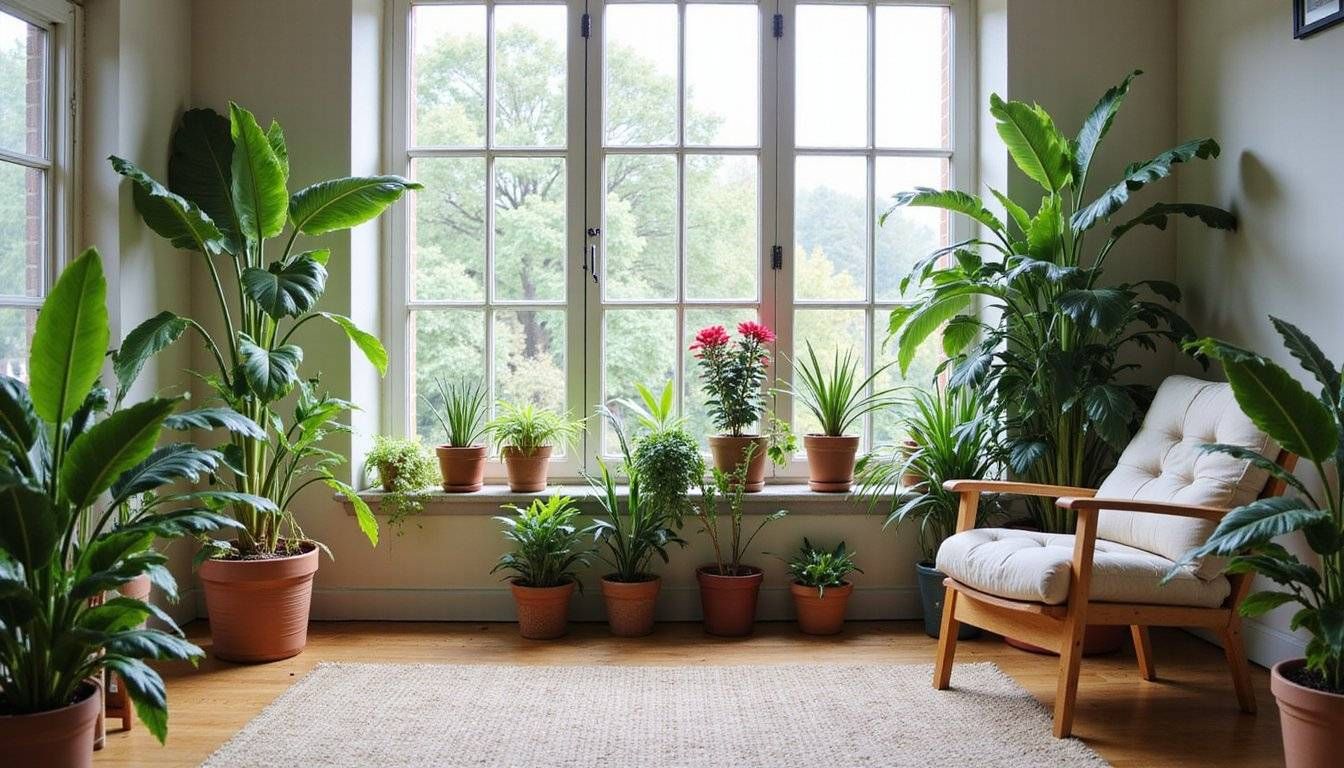
Plants need lots of space: Many people assume greenery belongs only in large homes with roomy windows, and that notion keeps apartments and tiny rooms barren.
Clutter fear: The worry that pots will swamp surfaces or compete with décor often stops people from trying even a single resilient specimen.
The Truth
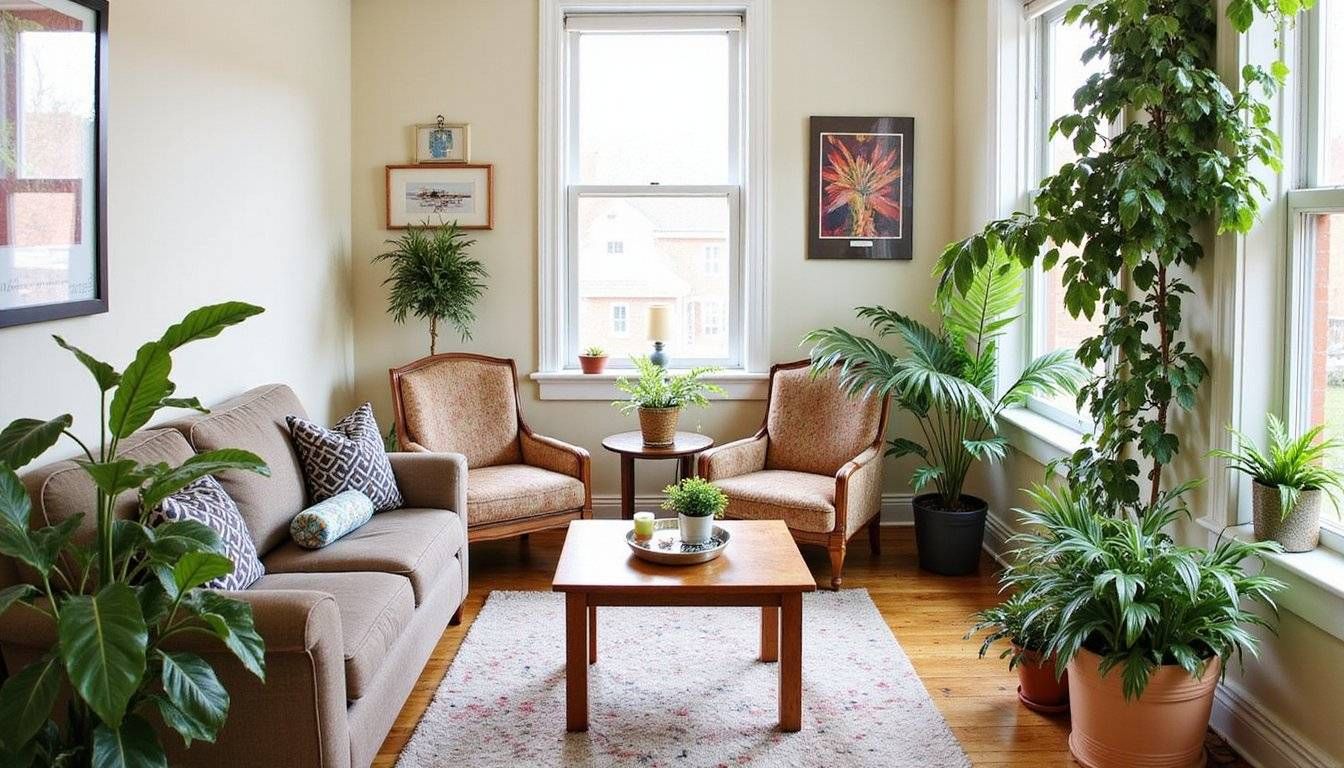
Small spaces thrive with the right choices: Picking compact species, choosing clever containers, and arranging plants to work with existing furniture can create a lush atmosphere without crowding.
Smart styling beats scale: When placement focuses on lines, repetition, and negative space, greenery becomes an accent rather than visual noise.
Myth-Buster Box
Quick refresher: A short callout helps reframe the worry about fitting plants into tiny rooms.
Reality: Many hardy choices thrive in lower light and compact containers, and thoughtful placement amplifies their effect without stealing room.
Overview
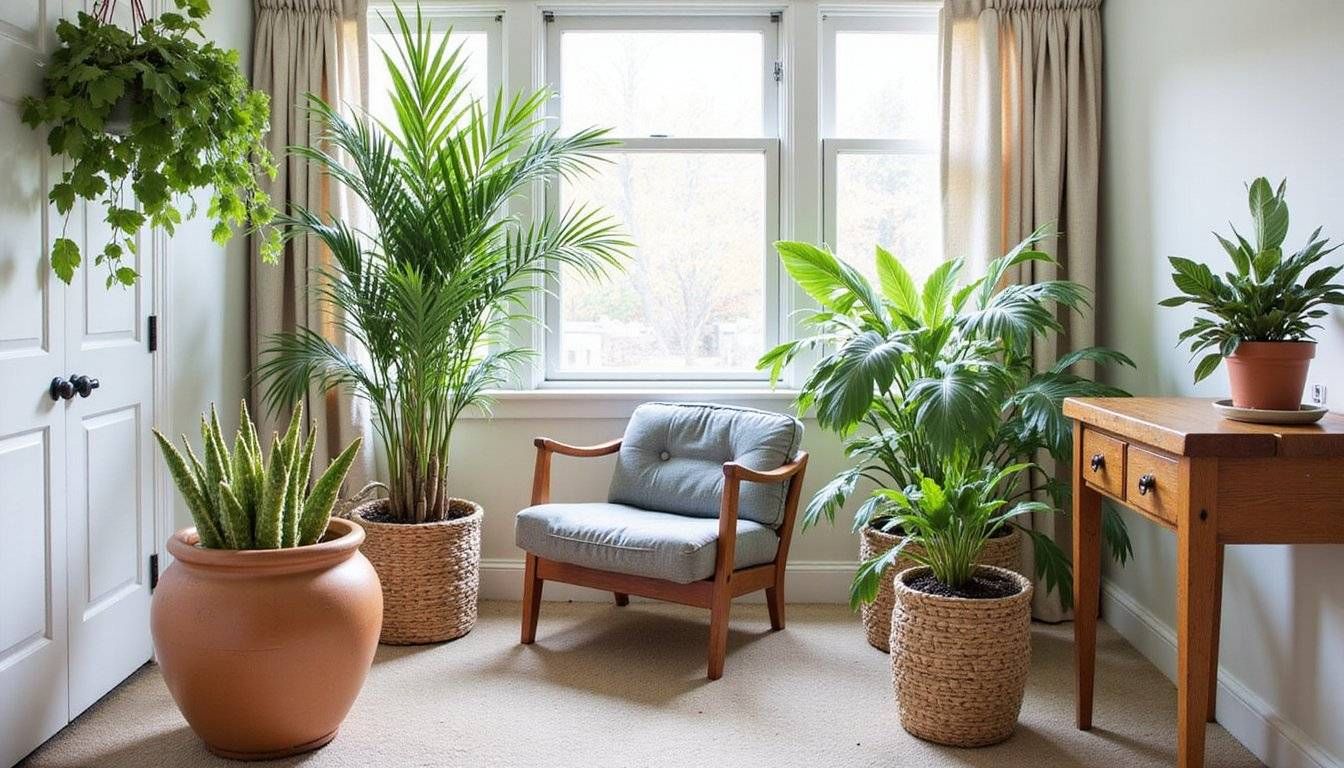
Why this matters: Introducing plants to snug quarters lifts mood, improves air feel, and softens hard surfaces while adding texture and color that layers with décor.
How to think about placement: Treat pots like small pieces of furniture and edit with restraint so each green element earns its space.
Design note: Repetition of a single plant or pot style across a room creates calm rhythm without visual clutter.
Room-by-room approach: Start with one spot that needs life, solve lighting and watering there, and expand only if the layout still feels airy.
Tools & Materials
Gather a few basics: A short checklist makes the process smooth and prevents impulsive, cluttered buys.
- Small and medium-sized pots with saucers
- Fast-draining potting mix and a bag of perlite
- Pebbles or coarse grit for bottom drainage
- Compact watering can and a moisture meter
- Wall anchors or hanging hardware rated for light loads
- Narrow shelves or a slim plant stand
- Pruning shears and a soft brush for leaf cleaning
Compact Plant Picks
Low-footprint classics: Some species naturally stay small or have vertical growth habits that fit tight spots while adding green visual interest.
Pothos and philodendron family: These trailing plants work on shelves or in hanging baskets and tolerate a range of light conditions, making them forgiving first choices.
Snake plant and ZZ plant: Narrow or upright leaves minimize spread and handle intermittent care, which reduces the time pressure in busy households.
Succulents and small cacti: Their sculptural forms take tiny saucers and windowsills and require shallow soil, keeping pots proportionate to narrow ledges.
Peperomia, small ferns and baby tears: These compact understory plants bring texture without sprawling and can thrive on a sunny shelf or a humid bathroom ledge.
| Plant | Mature Size | Light | Water |
|---|---|---|---|
| Pothos | Compact trailing | Low to bright indirect | Moderate |
| Snake plant | Upright clumps, narrow | Low to bright indirect | Low |
| ZZ plant | Moderately tall, narrow | Low to medium | Low |
| Succulents | Tiny rosettes | Bright direct to indirect | Low |
| Peperomia | Small clumps | Medium indirect | Moderate |
Styling Without Clutter
Edit as you would furniture: Choose a single focal spot for a plant statement and resist filling every surface so the eye can rest between green accents.
Scale and repetition: Repeating a pot style or plant species in small groups creates rhythm and reduces visual noise compared with many different silhouettes.
Color and texture choices: Neutral pots or a limited palette allow leaf shapes and natural tones to become the focus rather than competing finishes.
Negative space matters: Keep breathing room around each plant so it reads like intentional décor rather than an accumulation of green items.
| Cost | Visual Impact |
|---|---|
| Budget pots and cuttings | High when repeated and curated |
| Single statement plant in a designer pot | Very high but takes more space |
| Wall-mounted planters | High per square foot with minimal footprint |
Vertical Solutions
Think up instead of out: Vertical shelving, wall planters, and hanging baskets free floor surfaces and make plants visible without taking square footage.
Layered heights: Combine one tall slim plant, a mid-level shelf, and a hanging plant to create depth while keeping each piece tidy and intentional.
Window frames and curtain rods: These under-used supports can host narrow pots or hanging glass planters that catch light without blocking walkways.
| Plant | Suitable for Hanging |
|---|---|
| Pothos | Yes |
| Snake plant | No |
| Spider plant | Yes |
| Succulents | Sometimes (shallow trays) |
Care and Habits
Routines beat perfectionism: A short, regular habit like a weekly check keeps plants healthy and prevents the appearance of neglect that creates cluttered vibes.
Watering with restraint: Most compact species prefer to dry a bit between drinks, so err toward under-watering rather than soggy conditions that force repotting into larger containers.
Pruning as styling: Trim leggy growth to preserve shape and scale and remove older leaves to keep arrangements light and tidy.
Rotation for even growth: Turn pots every few weeks so plants grow uniformly and don’t lean into one light source, which helps them remain compact and well-balanced.
What to Avoid
Overcrowding surfaces: Packing many pots into a small area creates visual chaos and reduces airflow for plants, increasing maintenance needs.
Wrong pot scale: Oversized containers in tight rooms dominate the scene and make the rest of the décor feel crowded, while too-small pots can stress roots and force frequent repotting.
Forgetting light and water needs: Ignoring placement and care requirements leads to struggling plants that look messy and encourage removal rather than enjoyment.
Frequently Asked Questions
Can I keep plants in a tiny, north-facing apartment?
Answer: Yes; many hardy species tolerate lower light and will do well when placed near any available bright spot and rotated occasionally to prevent uneven growth.
How many plants are too many in a small room?
Answer: Focus on balance rather than a specific number; leave negative space and avoid grouping more items than the eye can comfortably process at once.
Which pot materials suit small spaces best?
Answer: Lighter-weight pots and neutral colors keep sightlines open, while matching finishes across several pots creates cohesion without adding bulk.
How do I prevent water marks and mess?
Answer: Use saucers, trays, or cachepots and lift wet pots to dry surfaces after watering to protect furniture and keep tidy lines.
