
Story Hook
Small-home memory: I once moved into a snug city flat where the living room barely held my couch and a coffee table, and after three afternoons of pushing things around I learned that nudging a sofa three inches and angling a chair by fifteen degrees made the space feel calmer and more welcoming, which taught me that tiny changes can free up surprising breathing room.
Lesson learned: That first experiment became a habit of testing tiny adjustments and noticing how they changed movement and mood, and that habit is what I bring to every compact layout I plan so the room feels generous without adding square footage.
The ‘Why’
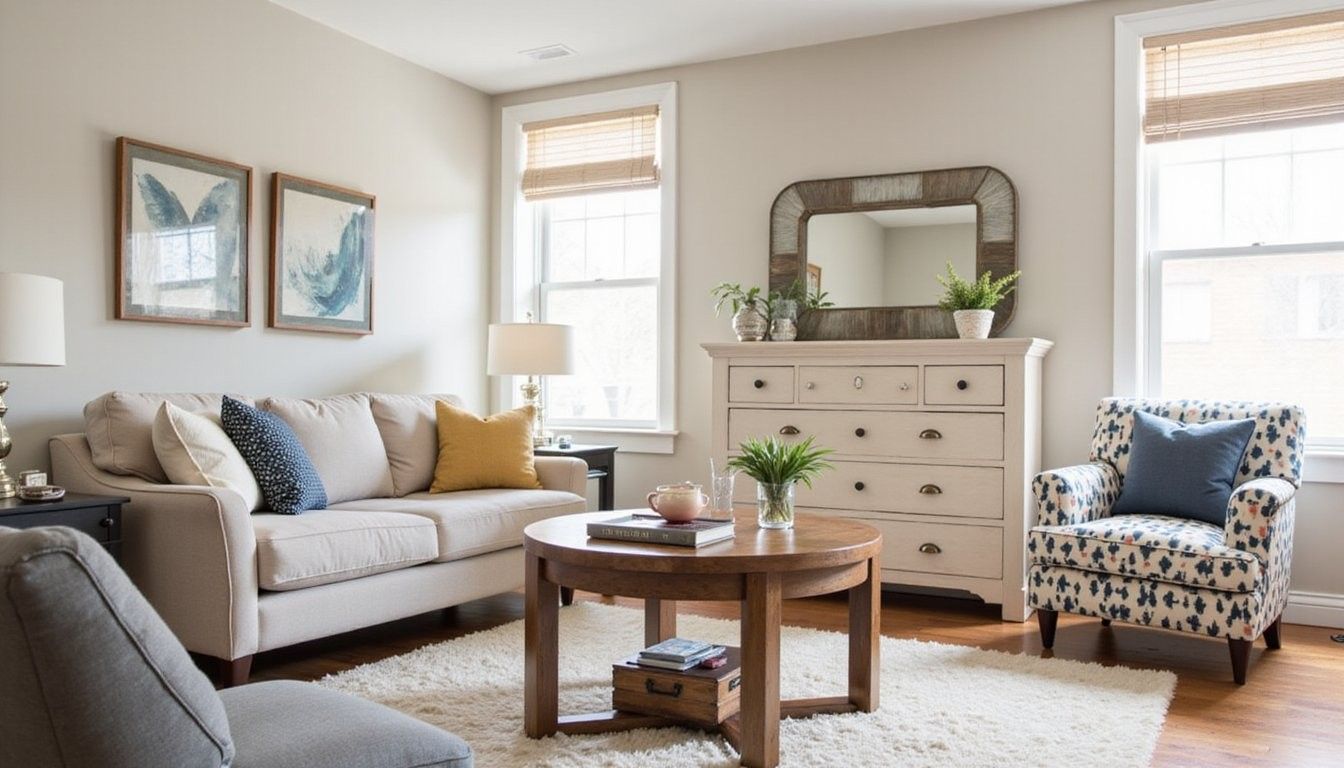
Why this matters: A cramped living area often makes daily routines feel harder and invites clutter because pathways are unclear and furniture overwhelms the senses, and sorting layout thoughtfully makes the room support daily life rather than fight it.
What you gain: When a tiny room is arranged for smooth movement and layered storage you get more usable surface, clearer sightlines, and a calmer daily rhythm that helps guests and household members move naturally through the space.
Getting Started
First steps: Begin by standing in the doorway and picturing how you want the room to function during an average day, noting where people naturally walk, sit, and set things down so you can plan placements that follow those patterns instead of blocking them.
Mindset for change: Treat furniture as movable tools rather than permanent fixtures, so you allow yourself permission to test configurations, measure twice, and decide based on how the space feels while moving through it rather than merely on how it looks from the sofa.
Tools & Materials
- Tape measure: For accurate dimensions of walls, door swings, windows, and furniture pieces so you avoid guesswork that wastes time and space.
- Graph paper or a digital planning app: To sketch a simple floor plan to scale so you can test layouts without heavy lifting and keep track of clearances.
- Painter’s tape: To mark furniture footprints on the floor so you can visualize circulation and sightlines before moving heavy items.
- Lightweight furniture sliders or blankets: To move pieces easily and protect floors while you experiment with positioning.
- Notebook and pen: To record measurements, ideal clearances, and notes on what feels comfortable during walk-throughs so adjustments are intentional rather than random.
Plan and Measure
Sketch a simple floor plan: Start with basic room dimensions, door and window positions, and note radiators or vents so you avoid blocking them and so you can visualize the real usable area instead of relying on memory, and a drawn plan prevents frustrating back-and-forth moves when a piece won’t fit where you hoped.
Define clearances: Aim for practical walkways of at least twenty-four inches where possible and account for door swings and television sightlines so movement feels effortless and seating arrangements serve both conversation and circulation without collision points.
Pick the Right Scale
Choose furniture that matches the room’s proportions: In a compact area, a generously scaled sectional can overwhelm sightlines and make circulation awkward while a sleeker sofa or a narrow love seat can provide equal comfort with more walking room and visual openness, so compare measurements rather than trusting how a piece looks on the showroom floor.
Opt for dual-purpose and visually light pieces: Low-profile tables with open legs, armless chairs, and furniture with exposed legs let light flow under and around them which creates a sense of space, and items with storage hidden inside help reduce clutter without adding bulk that blocks pathways.
Place smaller pieces strategically: Use narrow console tables behind sofas for additional surface without encroaching on walking areas and choose nesting or stackable side tables that tuck away when not needed so the room can breathe on event days.
Create Clear Zones and Pathways
Define functional pockets: Group seating around a focal point like a fireplace or media console while leaving one continuous path from entry to other rooms so people can move without weaving through chairs, and design the arrangement so casual use and social moments are both comfortable.
Mind the sightlines: Keep low furniture near windows and taller storage along walls to preserve views and daylight, and angle occasional chairs slightly to open a visual diagonal that tricks the eye into seeing depth and flow rather than boxed-in corners.
Keep entryways free: Reserve a small landing near the door for keys and mail and avoid placing bulky items that impede the immediate path into the seating zone, which keeps the overall flow calm and prevents accidental crowding when guests arrive.
Light, Mirrors and Vertical Storage
Maximize natural and layered lighting: Rely on ceiling fixtures plus table and floor lamps to create zones of light that brighten corners and make a low ceiling feel higher, and choose warm bulbs that create a welcoming atmosphere while avoiding glare on screens and reflective surfaces.
Use mirrors and vertical elements: Place a large mirror opposite a window to bounce daylight deeper into the room and select tall shelving that draws the eye upward to emphasize height, combining both strategies to expand perceived space without physical renovation.
Keep vertical storage open and organized: Open shelving with carefully arranged baskets and a mix of display and hidden storage keeps essentials accessible without creating a visual wall, and anchoring taller pieces against solid walls prevents the arrangement from feeling precarious in a tight footprint.
Layout Comparisons and Quick Decisions
Compare common setups: Visual comparisons help pick a layout quickly by weighing mobility against seating needs, and thinking in terms of trade-offs makes it easier to choose whether a piece belongs in the room or should be stored or replaced.
Use small tests: Cut paper templates or use painter’s tape to mark prospective furniture footprints and pathways so you can walk the path and feel the room before moving heavy items, which saves time and preserves floors.
| Layout Option | Space Use | Flow Impact |
|---|---|---|
| Floating sofa with open back | Better sightlines, extra behind-sofa surface | Creates a clear central pathway when positioned thoughtfully |
| Sofa against wall | Maximizes open floor, allows rug anchoring | May limit conversational grouping unless balanced with chairs |
| Built-in or tall cabinet along long wall | Adds storage without blocking the center | Helps define movement along the perimeter |
Choose based on daily life: Select the option that supports how you move and where you store things day-to-day rather than the layout you prefer for photos, because true success comes from a room that feels easy to live in over time.
What to Avoid
Resist impulse buys: Avoid bringing items home without measuring because even a beautiful piece can upset balance and obstruct movement, and keeping a simple checklist stops decorative enthusiasm from undermining functionality.
Frequently Asked Questions
How do I choose the right sofa size? Measure the room and consider depth first: Measure available wall space and mark the intended footprint on the floor, and choose a depth that allows comfortable seating without encroaching on walkways so the sofa supports both comfort and traffic flow.
Can a rug really change how the room feels? Yes, a rug anchors zones: Picking a rug that fits at least the front legs of the seating group ties the arrangement together visually and helps define the main living area so the space reads as organized rather than scattered.
What seating arrangement works best for tight spaces? Keep it flexible and layered: Combine a slim sofa with stackable or nesting tables and one or two small chairs that can be moved easily so you can shift from intimate conversation to open floor space without hauling heavy pieces.
How can I add storage without crowding the room? Think vertical and concealed: Use taller cabinets against walls, floating shelves, and furniture with hidden compartments to keep essentials tucked away while preserving floor area and sightlines.
