
Hook & TL;DR
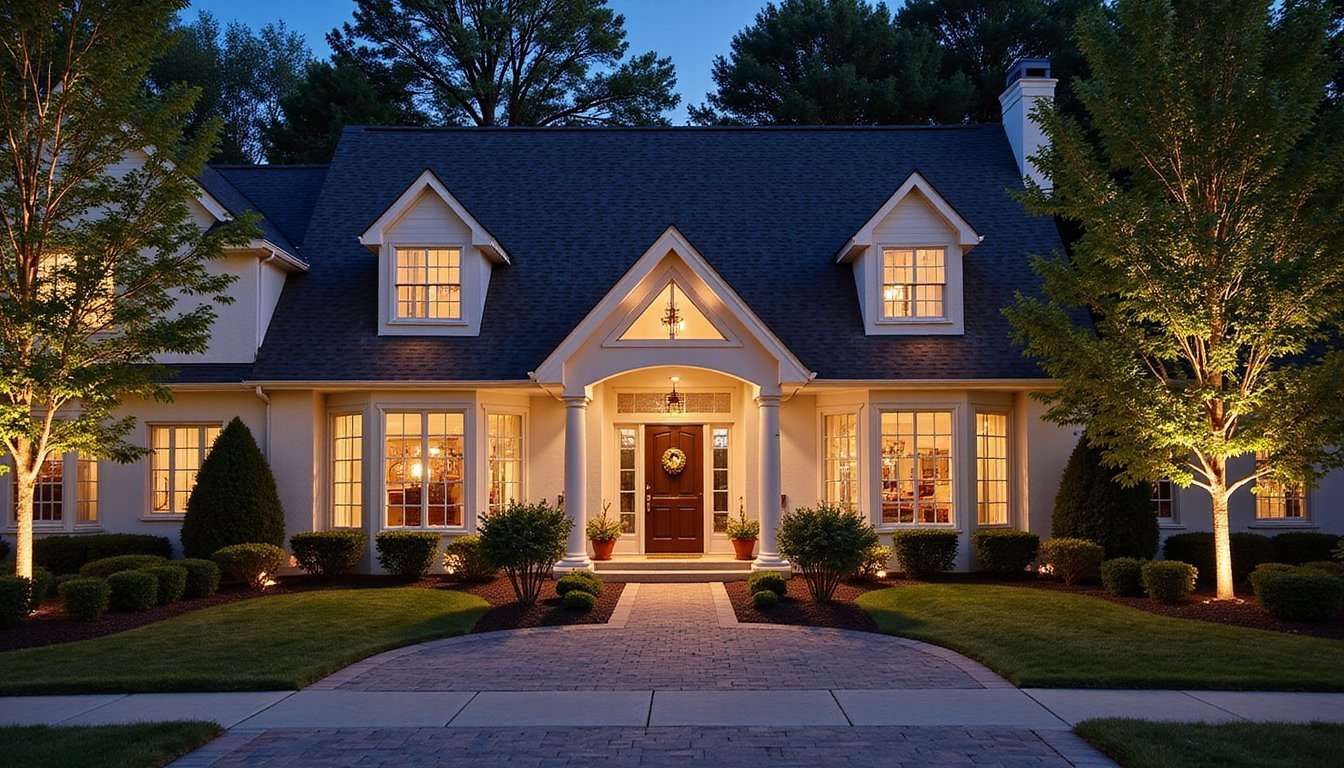
Warm up crisp nights with smart outdoor lighting that extends time spent outside and makes entryways welcoming during shorter days, while keeping safety and energy use in mind.
Key Takeaways
- Layer light to combine ambience, task lighting, and accents for depth and safety.
- Choose warm tones to make cold evenings feel cozy and inviting.
- Use timers and sensors to save energy and reduce maintenance.
- Pick weatherproof fixtures and route cables safely to avoid hazards.
Introduction
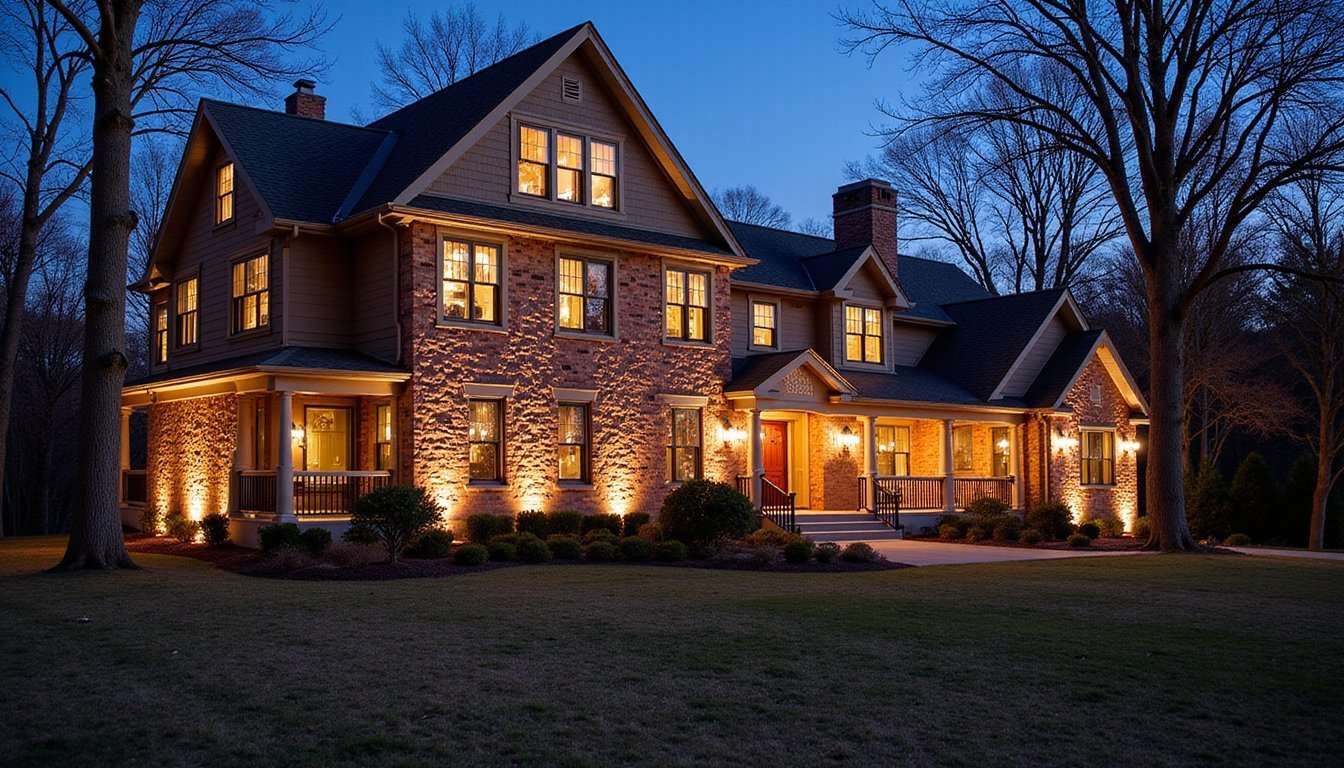
Seasonal lighting changes mood because shorter days and crisp air call for softer, warmer illumination that invites people to linger outdoors and helps guests feel welcomed when they arrive after dark.
Thoughtful planning reduces stress by balancing beauty and safety, so selecting fixtures with the right placement and control options keeps pathways visible and highlights plants or architecture without creating glare.
Tools & Materials
- LED bulbs (warm white, 2700K–3000K)
- Weatherproof fixtures rated for outdoor use (IP65 or higher)
- Timers and motion sensors for automated control
- Outdoor-rated extension cords and wiring and cable clips
- Low-voltage transformers if installing landscape lighting
- Solar lights for low-maintenance pathway illumination
Layering light: ambient, task, and accent
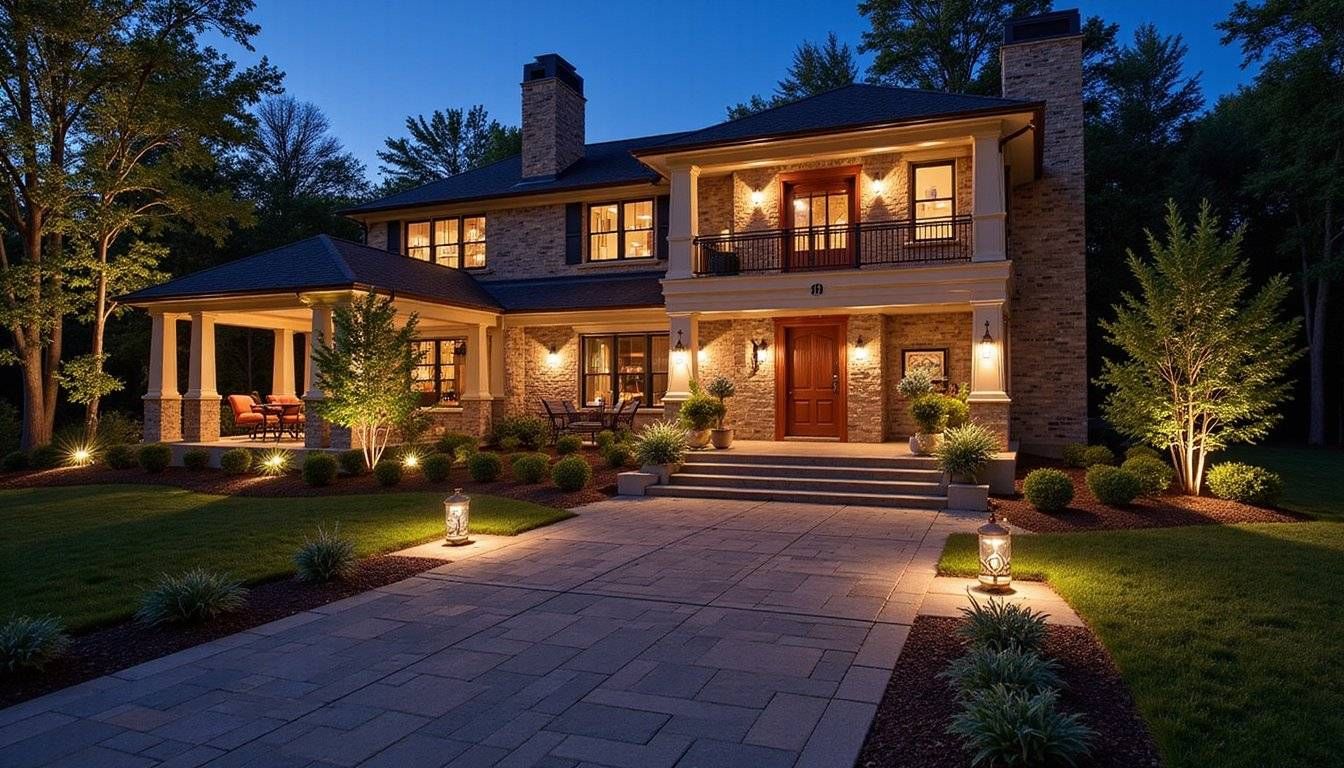
Start with ambient illumination to wash larger outdoor areas in gentle light that prevents deep shadows and sets an inviting tone, and plan this layer first so other pieces add interest rather than competing brightness.
Add task lighting where you need visibility for activities like grilling, stairs, or doorways, using brighter but shielded fixtures to avoid glare while keeping work zones well lit and comfortable to use.
Finish with accent lights to highlight trees, architectural details, or seasonal displays, using narrow-beam fixtures or small uplights to create depth and focal points that draw the eye gently around the space.
Layering creates depth and makes outdoor rooms feel larger and more inviting by mixing broad washes of light with pinpoint accents that reveal textures and shapes at night.
Fixtures and placement
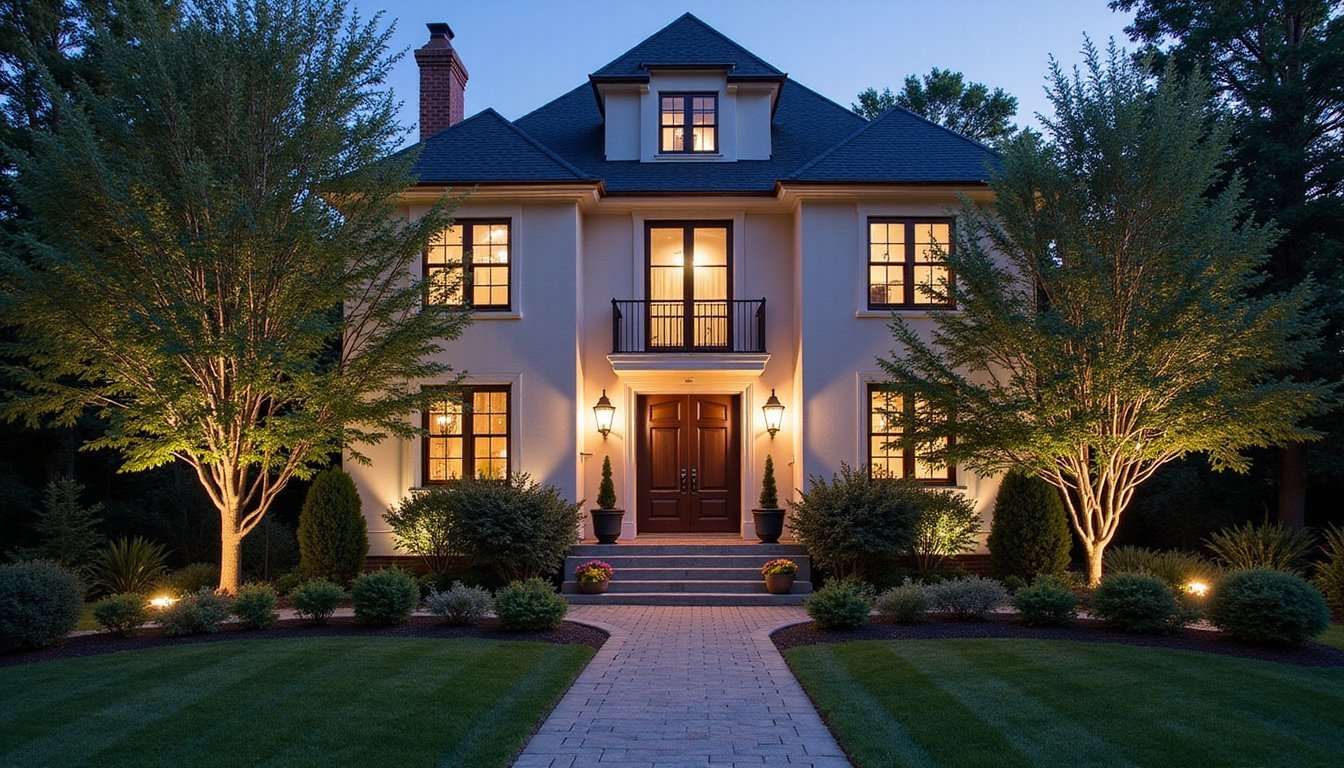
Pick fixtures by purpose and place them where they improve safety and highlight features, mounting sconces near doors, pathway lights along walkways, and spotlights at the base of specimen trees for striking silhouettes.
Mind beam angle and shielding so light hits intended surfaces rather than neighbors or windows, which keeps glare down and ensures the mood stays warm instead of harsh or clinical.
| Fixture Type | Best Use | Durability |
|---|---|---|
| Pathway lights | Walkways and steps | High (outdoor-rated) |
| Wall sconces | Porches and flanking doors | High |
| Spotlights/uplights | Trees and facade accents | Medium to high |
Consider mounting height and distance so path lights are spaced to create a continuous guide without bright gaps, and sconces are placed at eye level to glow without blinding passersby.
Bulb color, temperature, and effects
Choose warm color temperatures (around 2700K to 3000K) to add amber tones that flatter skin and foliage and soften cold air, creating a cozy visual warmth that feels natural against late-season skies.
Use dimmable LED options to shift intensity for dinners or gatherings and to reduce light pollution during quiet hours, making the yard flexible for different activities and moods.
| Effect | Color Temp | Use Case |
|---|---|---|
| Cozy/ambient | 2700K | Seating areas, porches |
| Neutral task | 3000K | Grill stations, work areas |
| Bright/security | 3500K | Driveways, safety lighting |
Seasonal decorating and layering for fall and winter
Blend seasonal elements with lighting by combining amber string lights with lanterns and battery candles to spotlight pumpkins, wreaths, or winter planters, creating a cohesive display that resists wind and dampness.
Use texture and reflection by positioning lights near metallic accents, glass ornaments, or wet foliage so light scatters and sparkles subtly, enhancing visual interest without extra fixtures.
Energy, control, and safety
Automate with timers and sensors to ensure lights switch on when needed and off when not, cutting power use and preventing lights from being left on for long overnight hours during seasons with early darkness.
Choose LED and solar solutions where feasible to lower energy draw and reduce trips for bulb changes, and ensure circuits and transformers are installed to code for dry and wet locations to avoid hazards.
| Control Type | Pros | Cons |
|---|---|---|
| Timers | Consistent schedule, simple | Less flexible for variable routines |
| Motion sensors | Saves energy, adds security | May trigger from wildlife |
| Smart controls | Remote control and scenes | Requires setup and sometimes subscriptions |
Cost vs. impact and fixture comparisons
Balance upfront cost with long-term savings by investing in quality LEDs and weatherproof fixtures that last through seasons and reduce replacement frequency, which often offsets higher initial prices in a couple of years.
Compare options by purpose and pick simpler solutions for temporary seasonal use and tougher fixtures for permanent installations, matching budget to expected years of service to get the most value from each purchase.
| Option | Typical Cost | Visual Impact | Maintenance |
|---|---|---|---|
| String lights | Low to medium | High for atmosphere | Low |
| Landscape LEDs | Medium | Medium to high | Medium |
| Flood lights | Low to medium | High for safety | Low |
| Choice | Pros | Cons |
|---|---|---|
| Solar pathway lights | Low operating cost, easy install | Performance varies with sun exposure |
| Hardwired landscape lights | Consistent output, durable | Higher install cost |
Common Mistakes
Don’t forget neighbor comfort by pointing lights away from adjacent windows and using shields to contain beams, which keeps relationships smooth and decreases wasted light that offers little benefit.
Maintenance and winter care
Plan for snow and moisture by choosing fixtures elevated above likely snowbanks and with sealed housings so melting and refreezing won’t damage connections or bulbs, and keep pathways clear to preserve light spread.
Schedule quick checks in late fall and midwinter to clear debris, tighten mounts, and replace bulbs as needed, because small adjustments keep fixtures aligned and maintain the look you worked to create.
Final styling tips and finishing touches
Add dimmers or multi-scene controls so you can shift the yard from bright and functional to soft and intimate with a tap, making the space useful for tasks and cozy for social evenings without swapping bulbs or fixtures.
Use reflectors sparingly from polished pots, water features, or metallic ornaments to catch light and add sparkle, which enhances seasonal styling without adding clutter or harsh brightness.
FAQ
Can I use indoor fixtures outside? No, indoor fixtures are not rated for moisture and temperature swings, so choose fixtures labeled for outdoor use with appropriate IP ratings to avoid water damage and electrical hazards.
What color temperature feels most inviting? Warm whites around 2700K to 3000K produce amber tones that flatter faces and plants and create a cozy atmosphere that contrasts nicely with cool outdoor air.
Are solar lights reliable in fall and winter? Solar lights work well in bright, sun-exposed spots but can underperform on overcast days or in heavily shaded yards, so use them for supplemental or decorative lighting and pair with mains-powered fixtures for key safety zones.
How do I prevent glare for neighbors? Use shields, lower mounting heights where appropriate, and aim beams downward to keep light on your property and reduce spill into neighboring windows and yards.
