
The Myth
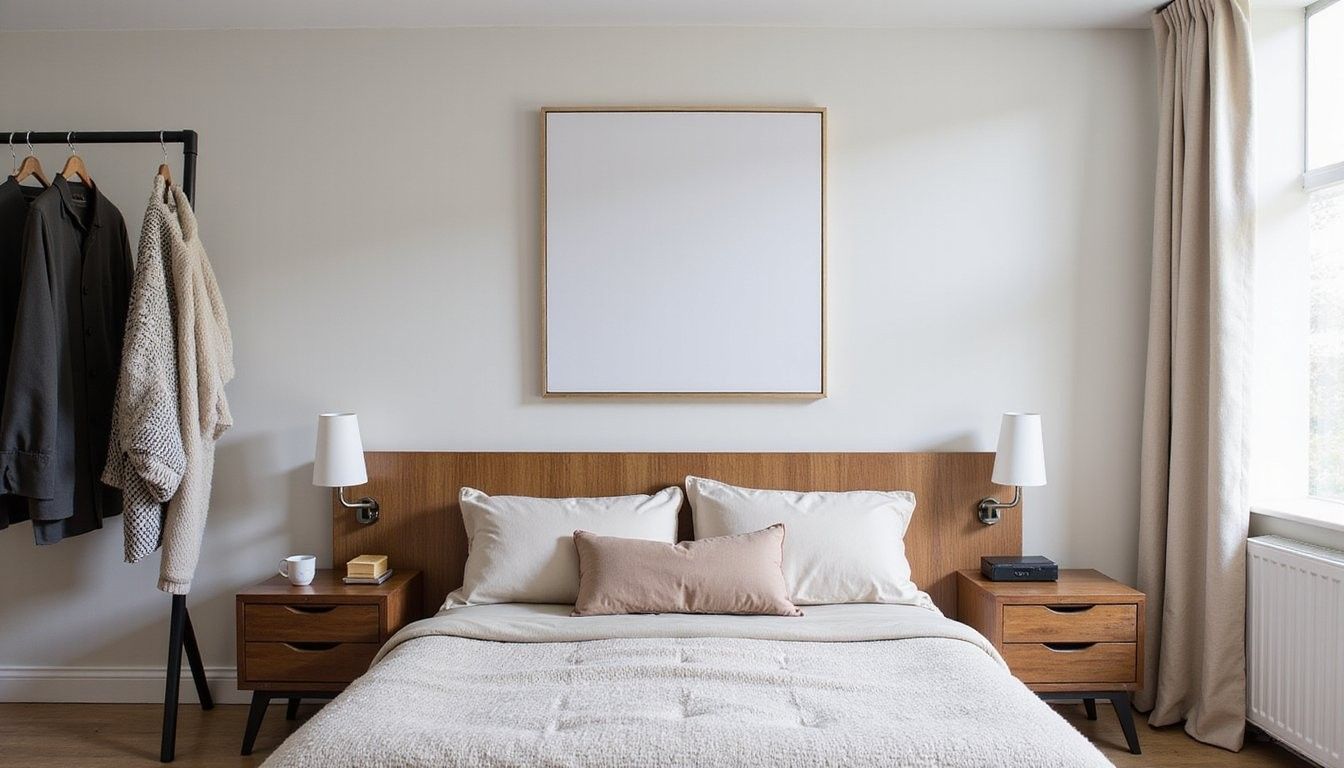
Minimalism requires cold restraint. Many people think a pared-back holiday palette must feel stark and emotionless, but that belief comes from confusing fewer objects with less feeling and misses how texture, light, and memory make a space cozy.
The Truth
Fewer pieces can amplify warmth. By choosing meaningful items, layered textures, and warm lighting, a restrained holiday scheme can feel more intimate and intentional than a crowded setup, and it invites calm instead of visual chaos.
Myth-Buster Box
Reality: Thoughtful selection, natural materials, and layered textures turn restraint into warmth and presence.
Introduction
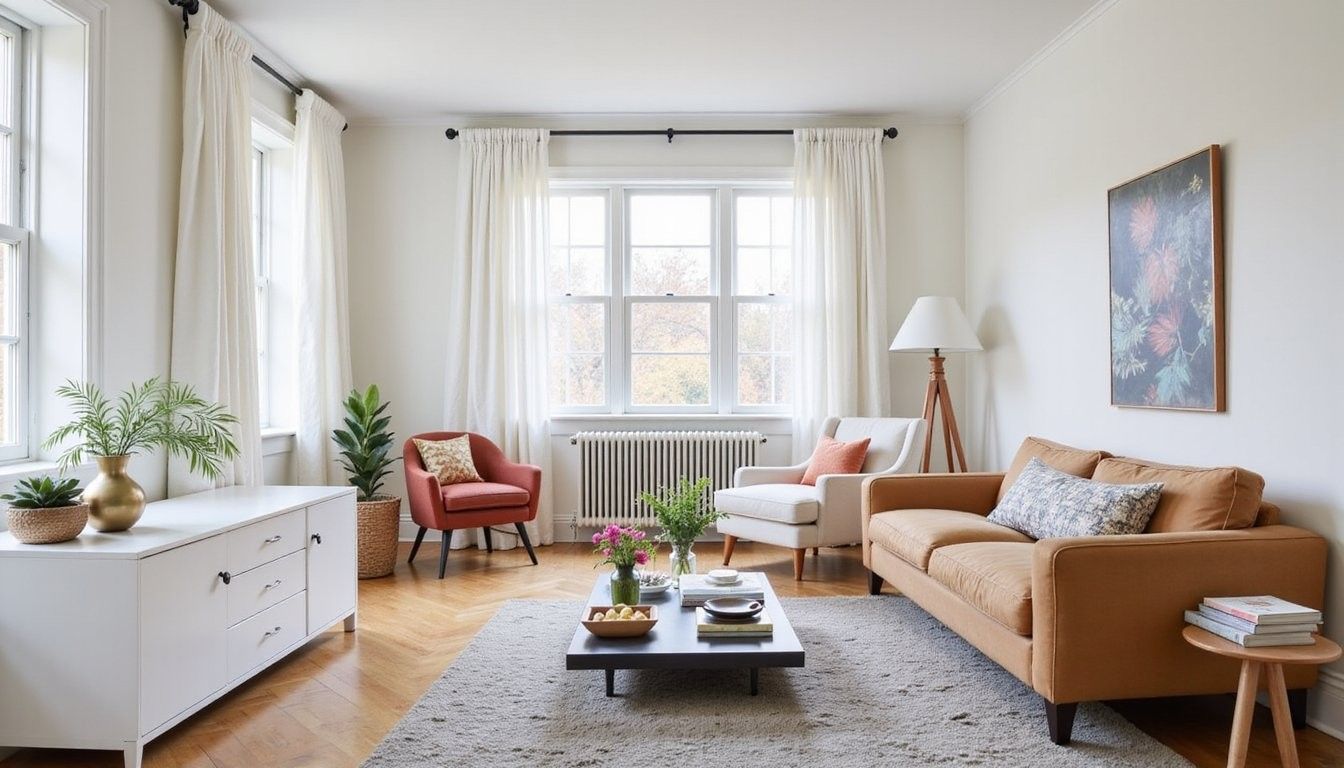
Think of minimalism as careful hospitality. The holiday season offers a chance to curate a calm setting where each object has a role, and that curation can heighten comfort for you and your guests without excess.
Focus on mood over number. Small, deliberate choices in color, texture, scent, and light shape the feeling of a room more than the tally of decorations, so aim to design experiences rather than fill space.
Tools & Materials
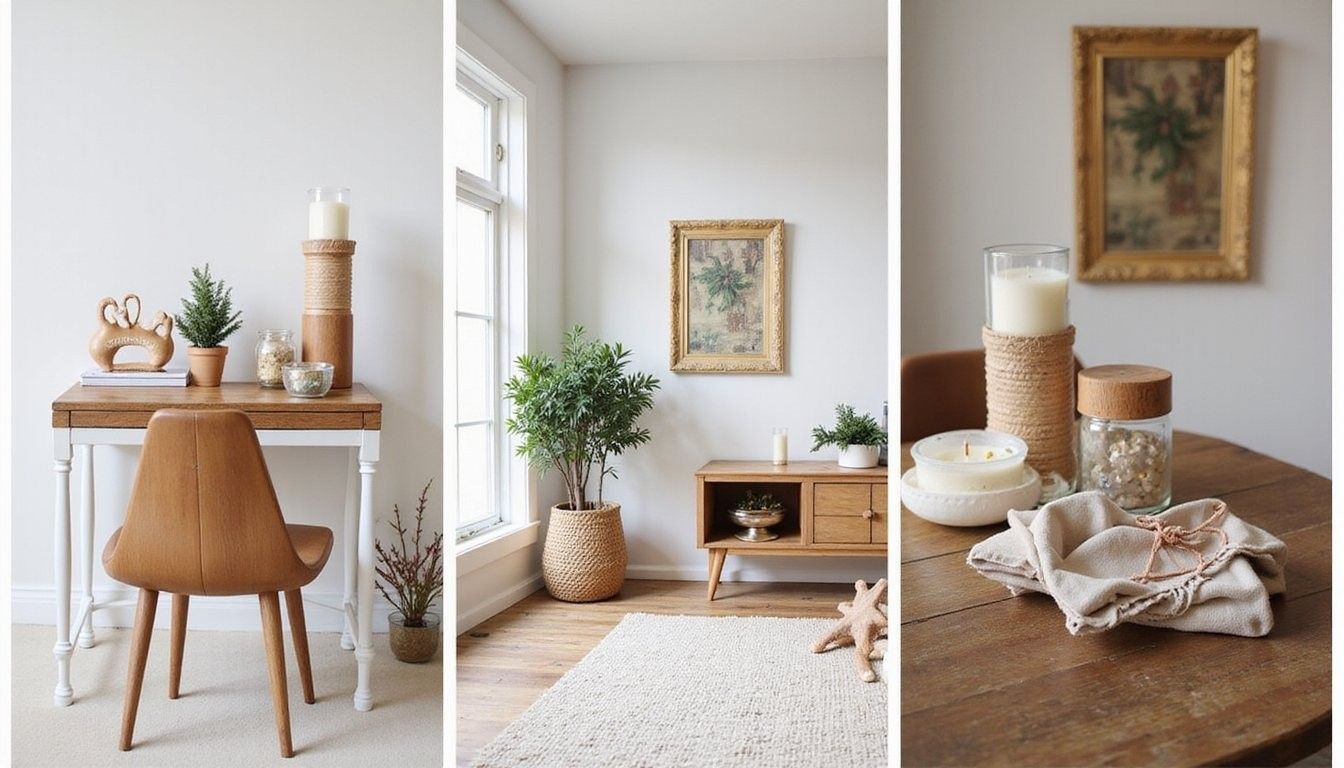
Gather a short list of reliable items. Building a warm minimalist holiday look means collecting a mix of natural materials, soft textiles, gentle lights, and a few meaningful ornaments rather than a large inventory of trinkets.
- Wool or knit throw blankets in warm neutrals
- Beeswax or unscented pillar candles and a few LED warm-tone lights
- Natural greenery like eucalyptus, cedar, or pine sprigs
- Simple glass or brass vessels for single stems or tapered candles
- Natural-fiber table linens and a neutral runner
- A few handcrafted ornaments or family heirlooms
- Minimalist wreath or a small tabletop tree
Core Principles for a Warm Minimalist Holiday
Choose a restrained palette with warm undertones. Limiting color choices to two or three hues gives coherence, and leaning toward cream, warm gray, soft terracotta, or muted green keeps the scheme inviting while avoiding visual clutter.
Prioritize texture and scale over quantity. A single oversized knit throw, a grouping of candles at different heights, or one substantial wreath brings tactile richness that reads as warmth, while many small objects can feel busy and unfocused.
Allow negative space to breathe. Leaving open surfaces contributes to calm and highlights the pieces you kept, so place items with intention and resist filling every shelf or table with decor.
Color, Texture, and Natural Elements
Warm neutrals and muted tones anchor comfort. Swap icy whites for cream, introduce gentle wood tones or matte brass, and choose textiles in cozy fibers so the eye reads warmth even in a pared-back palette.
Texture creates emotional depth. Combine wool, linen, brushed wood, and felt to build layers that invite touch and linger in memory, and let a single textured item become the focal point in each vignette.
Nature supplies effortless charm. Use clipped greenery, dried grasses, or pinecones as repeating motifs to connect rooms and reinforce a low-key, natural aesthetic that feels timeless and seasonal.
Lighting and Scent
Soft, layered lighting sets the mood. Combine a dimmed overhead fixture, warm LED string lights, and clusters of candles so illumination comes from multiple sources and casts gentle shadows that enhance coziness.
Keep fragrance subtle and familiar. A small diffuser with cedar, orange peel, or cinnamon can evoke the season without overpowering, and single-note scents often read as cleaner and more refined than heavy blends.
Arranging Vignettes and Focal Points
Create pockets of attention in each room. Rather than decorating everywhere, choose two or three spots to highlight—a mantle, an entry table, and a dining surface—and design each as a cohesive small scene that tells a quiet story.
Use repetition to unify the home. Repeat a material, color, or shape across vignettes to create flow and coherence so the minimalist approach reads like a curated narrative rather than isolated moments.
Less is warmth when items are chosen with care. A single meaningful object can anchor a scene and evoke memory, company, or ritual more powerfully than many anonymous decorations.
Cost vs. Impact Comparison
Spend on texture and lighting rather than many trinkets. Investing in a quality throw or a set of good candles often changes the feel of a room more than buying many small ornaments, and it keeps the aesthetic consistent year after year.
| Item | Typical Cost | Impact on Warmth |
|---|---|---|
| High-quality wool throw | $$ | High |
| String lights (warm LED) | $ | High |
| Assorted small ornaments | $-$$ | Low-Medium |
Pro vs Con: Minimalist Holiday Choices
Weigh benefits of restraint against potential quietness. A pared approach reduces visual stress and makes gatherings feel intentional, while too much austerity risks appearing uninterested if you remove all personal touches.
| Pro | Con |
|---|---|
| Calming environment | May feel sparse if personal items removed |
| Easy upkeep | Requires deliberate editing |
Layering and Personal Touches
Layer with intention to keep things cozy and personal. Start with a neutral base, add a tactile layer such as a linen runner or burlap, then place a personal item like a framed seasonal photo or a single heirloom ornament to anchor the scene.
One meaningful item per vignette goes far. A small bowl of family ornaments or a single handcrafted piece can be both a conversation starter and the emotional center of a minimalist display, offering warmth through memory rather than volume.
Small Tree and Greenery Options
Consider compact living trees or a trimmed branch for a minimal statement. A small potted tree or a single large branch in a tall vase uses vertical form without crowding the floor, and selective trimming keeps silhouette clean and elegant.
Greenery can be repeated to tie rooms together. Place identical sprigs or matching vessels in each room to create rhythm and a clear holiday presence without adding many decorative types.
Styling the Table for Festive Meals
Keep table settings uncluttered and tactile. Use plain white plates, neutral linens, a natural-fiber runner, and one low centerpiece to ensure conversation feels central and the table reads as intentional rather than decorated for spectacle.
Name or seating details can be very subtle or absent. If you wish to include a thoughtful detail, a single sprig on each plate or a small wax-sealed napkin ring will suffice to show care without creating visual noise.
Maintenance and Storage
Plan for easy teardown and thoughtful storage. Pack seasonal pieces in single bins labeled by room or vignette so you can rotate items each year without opening everything, and choose storage that protects textures like wool and dried botanicals.
Rotate rather than accumulate. When you add a new piece, decide which old item will be retired to keep the collection tight and meaningful and to prevent decor bloat over time.
Common Mistakes
Quick Checklist Table
Use a small checklist to prepare each area. The table below helps you decide what to keep, what to add, and what to remove for a warm minimalist holiday atmosphere.
| Area | Keep | Add | Remove |
|---|---|---|---|
| Living Room | Cozy throw | Clustered candles | Many small knickknacks |
| Dining | Neutral linens | Low centerpiece | Tall, obstructive pieces |
Accessibility and Comfort
Design for ease of use and movement. Keep walkways clear, avoid low-hanging decor that can be knocked, and choose candles or lights that are safe to operate around family and pets to ensure a welcoming environment for everyone.
Comfortable seating and soft textures matter most. Guests remember how a space felt more than how it looked, so prioritize seating arrangement, throws, and ambient warmth when planning your decor.
Sustainability and Longevity
Choose durable, natural materials that age gracefully. Investing in pieces that can be reused and re-styled yearly reduces waste and keeps the holiday look feeling thoughtful rather than disposable.
A small, well-made collection tells a better story than a large, short-lived set. Prioritize items that have multipurpose use or can be adapted from season to season so your design stays fresh without excess buying.
FAQ
Can I have a minimalist holiday look in a small apartment? Absolutely; limit decorations to one or two focal zones, choose compact trees or branches, and use wall-mounted lights to save floor space while maintaining a warm ambience.
How many decorative pieces are too many? There is no fixed number, but aim to keep only items that contribute to mood or story, and remove anything that competes for attention to maintain a calm setting.
Will guests feel the space is festive enough? Yes; people respond to warmth from light, scent, and hospitality, so prioritize those sensory elements rather than decorative volume to make gatherings feel celebratory.
How do I add color without breaking minimalism? Introduce one accent hue in small doses—like muted red napkins or a single bowl of oranges—and keep shapes and textures restrained so the color reads as purposeful.
