
Hook & TL;DR
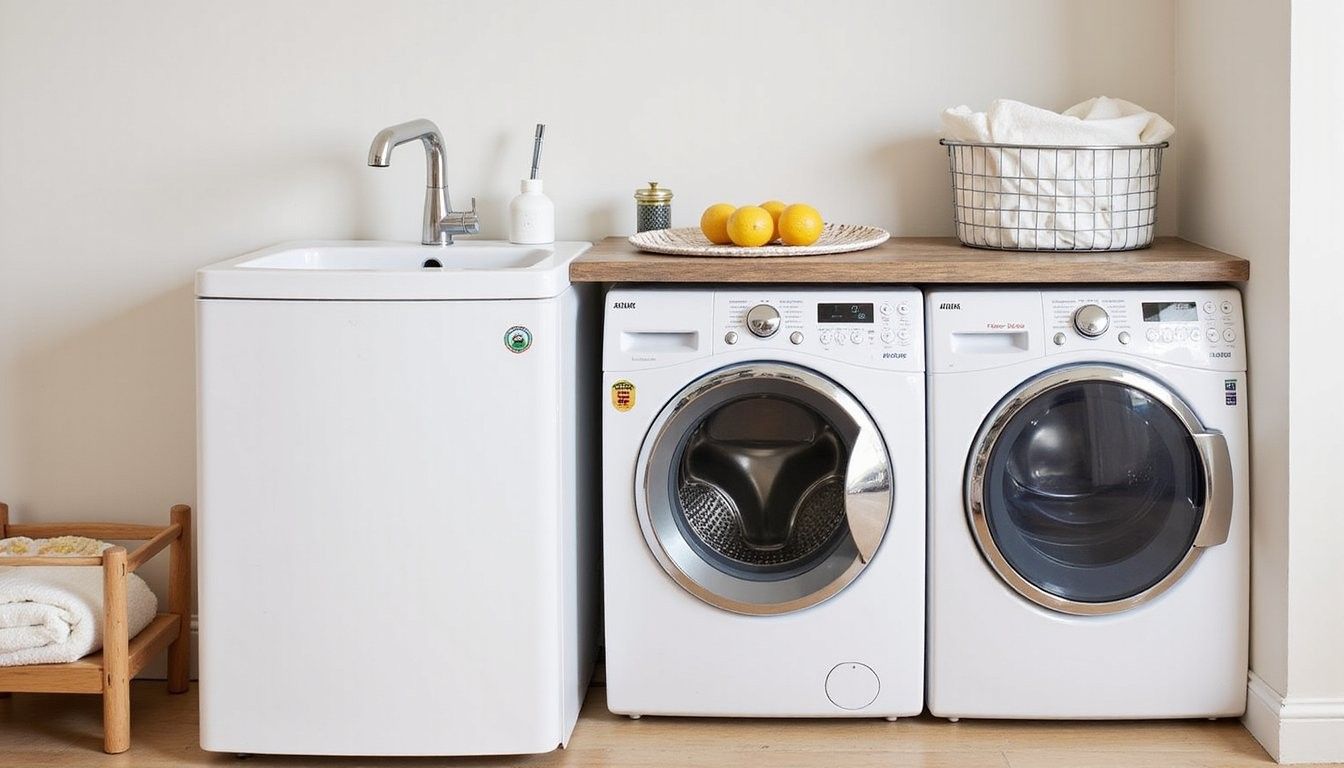
Quick promise: Small apartments without hookups can still feel like laundry-friendly homes with the right equipment, routines, and storage choices that fit limited floor space and renter rules.
Key Takeaways
- Portable washers and countertop units save space and plug into a sink for rinsing and draining.
- Drying strategies like fold-out racks, heated airers, and over-the-door solutions free up floor area.
- Shared services and laundromats remain practical for bulky items and heavy loads.
- Smart storage keeps supplies tidy and turns awkward nooks into laundry zones.
- Simple rules prevent damage, avoid fines, and make laundering a smoother task.
Overview
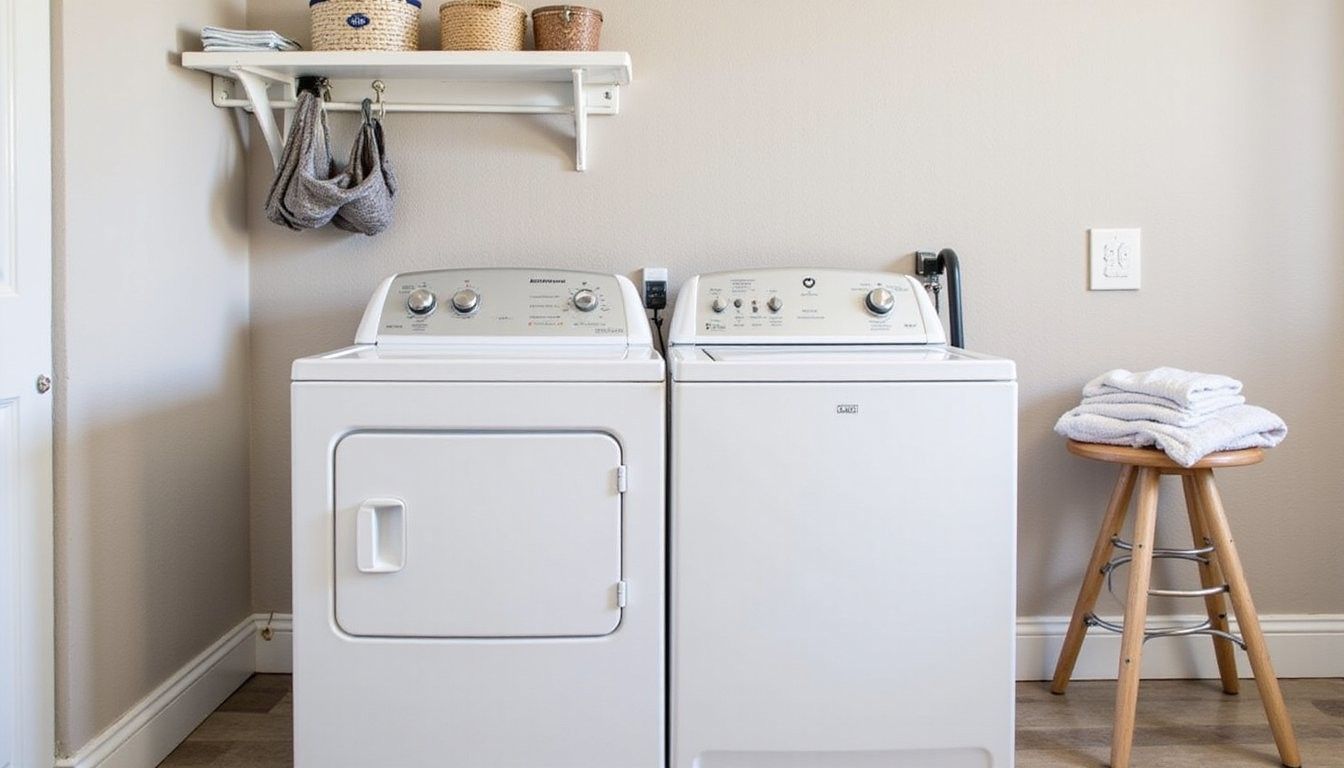
Why space matters: Living without a laundry hookup presents limits that affect appliance choice, drying options, and storage plans, so understanding the tradeoffs up front helps you plan a system that keeps laundry manageable without overwhelming your apartment.
How to approach this: Focus on three areas—machines that fit tight footprints, drying strategies that avoid bulky dryers, and storage that tucks supplies out of sight—and build a routine that minimizes time and clutter while protecting your home and your lease standing.
Tools & Materials
Starter checklist: The right kit combines compact appliances, smart drying gear, and organizational tools that fit wall space, closets, or under counters so your laundry zone remains invisible when not in use.
- Portable washing machine (top-load or countertop) or twin-tub unit that drains to a sink.
- Compact spin dryer or high-speed spin function to reduce drying time.
- Foldable drying rack that collapses flat for storage.
- Over-the-door drying bars and retractable indoor clothesline for temporary use.
- Stackable slim shelving or rolling cart for detergents and laundry supplies.
- Mesh laundry bags, delicates wash bags, and fabric-safe wash pods to protect clothing.
- Small laundry hamper that fits under counters or in closets.
- Moisture and odor controls like dehumidifier packs or a small dehumidifier for damp climates.
Compact washer options
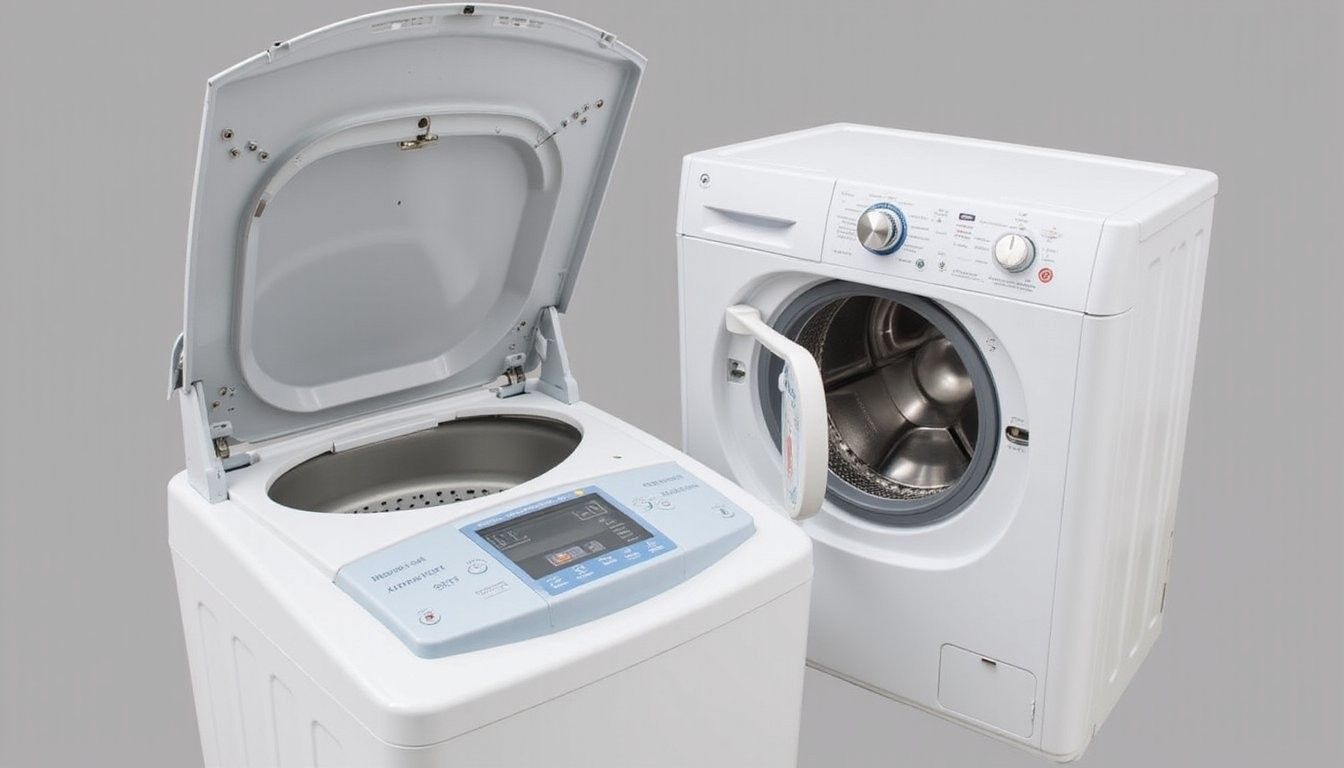
Choosing a compact washer: Portable washers come in countertop and small floor-standing models that require no hard plumbing hookup and instead connect to a sink faucet or use a drain hose, making them ideal for renters who need washing ability without permanent installation.
Tradeoffs to weigh: Capacity, water use, spin speed, and noise differ between models, so select a unit that matches your typical load size and your tolerance for noise and manual hookup at the sink.
| Model | Capacity | Footprint | Estimated Price |
|---|---|---|---|
| Countertop Spinner | 2–4 kg | 0.4 m² countertop | $120–$300 |
| Compact Top-load | 5–7 kg | 0.6–0.8 m² floor | $250–$600 |
| Twin-tub | 5–8 kg | 0.7–0.9 m² floor | $200–$500 |
Laundry services and shared options
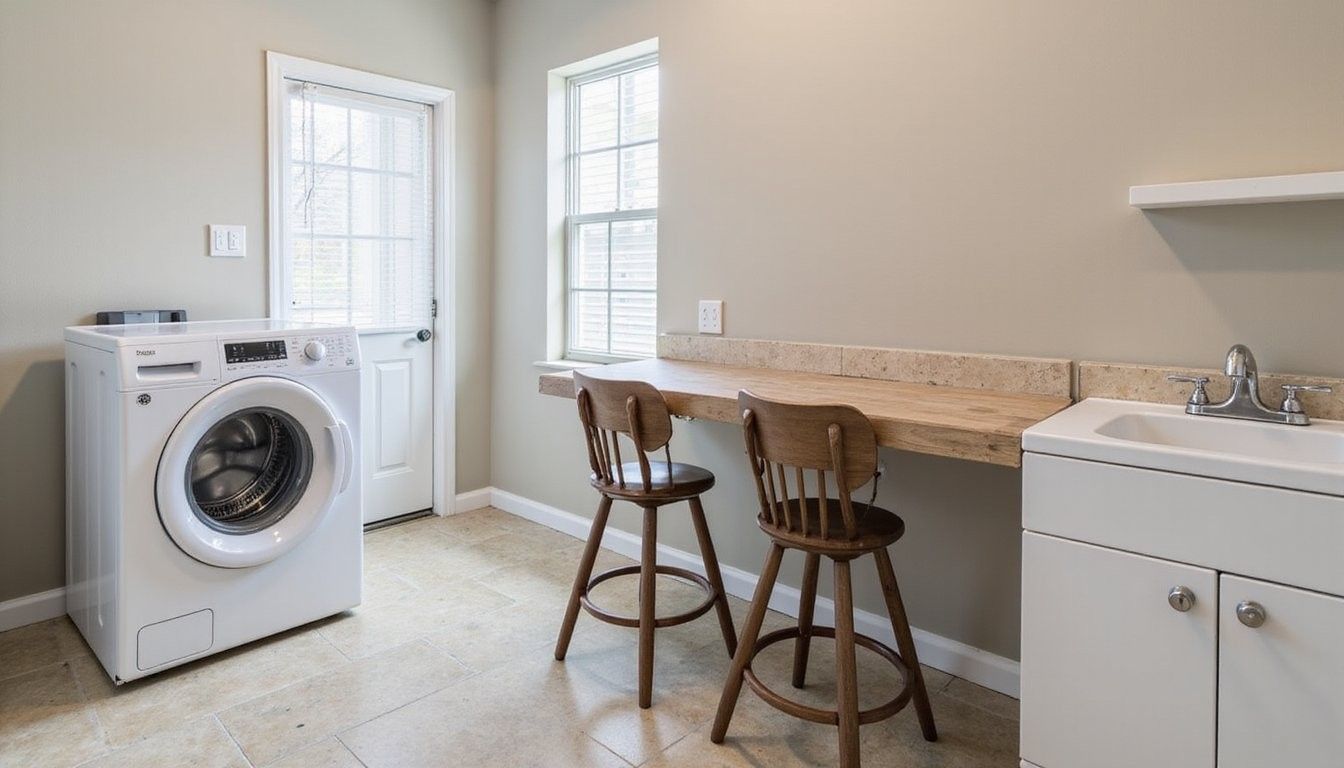
When services make sense: For bulky bedding, heavy towels, or infrequent large loads, neighborhood laundromats and pick-up/drop-off laundry services save time and spare your living area from long drying cycles and excess moisture from indoor drying.
How to choose a service: Compare cost per pound, turnaround time, and pickup windows, and keep a list of trusted providers that have clear handling practices for delicates and stain treatment so you avoid surprises.
| Option | Typical Cost | Best For |
|---|---|---|
| Laundromat (self-serve) | $2–$6 per load | Large loads and bedding |
| Wash-and-fold service | $1–$3 per lb | Busy schedules, convenience |
| Pickup/drop laundry apps | Varies, subscription available | Regular maintenance without trips |
Drying strategies that save space
Air drying smartly: Indoor drying racks that fold flat, retractable lines that mount inside a shower or across a balcony, and over-the-door bars make the most of vertical space and let you dry items without a dryer footprint.
Speed up drying: Using a high-spin cycle before hanging, placing racks near a window or fan, or employing a small dehumidifier speeds drying and reduces musty odors while keeping your apartment comfortable.
| Method | Space Needed | Dry Time |
|---|---|---|
| Fold-out drying rack | 0.5–1 m² when open | 6–24 hours |
| Retractable line | Wall-length when extended | 6–24 hours |
| Heated airer | 0.6–1.2 m² | 2–6 hours |
Storage and organization for small spaces
Maximize vertical real estate: Tall narrow shelving, hooks on the back of doors, and slim rolling carts let you keep detergents, stain treatments, and tools tidy while preserving floor area for appliances or living space.
Contain clutter: Use labeled baskets or clear containers to group items by task—washing, stain care, drying—so you can grab what you need quickly and tuck the rest away when guests arrive.
Space-saver note: Vertical organization cuts visual clutter and helps laundry feel like part of your home’s design instead of an eyesore.
Choosing what to keep and what to outsource
Keep everyday items: Underwear, shirts, and quick-turn garments are easiest to wash at home with a compact machine and a fast spin cycle so you avoid frequent trips and keep essentials on hand.
Outsource bulky loads: Items that take up a lot of drying space or require heavy washing, such as comforters and large rugs, are often simplest to handle at a laundromat or by a pickup service so you preserve apartment space and avoid moisture issues.
| Item | At-home? | Why |
|---|---|---|
| T-shirts, underwear | Yes | Quick cycles, small footprint |
| Bedding, large towels | No | Requires space to dry, bulky |
| Delicates, knitwear | Yes | Gentle cycles and flat drying |
Cost vs. convenience comparison
Understanding tradeoffs: Low-cost options like hand washing or borrowing a laundromat may save money up front but add time and hassle, while higher-cost solutions such as delivery services or heated airers purchase convenience and time savings.
| Option | Estimated Cost | Convenience Level |
|---|---|---|
| Hand wash / line dry | Very low | Low |
| Portable washer + rack | Moderate | High |
| Laundromat | Low to moderate | Moderate |
| Pickup/drop service | Higher | Very high |
Quick decision checklist
Basic questions to answer: Measure your available floor and counter space, check your building rules, assess load frequency and average garment size, and determine how much time you want to spend on laundry tasks to decide which combination of tools fits your lifestyle.
Next steps: Start small with a compact washer or a strong drying rack and add a spin dryer or rolling storage when you find the routine that works so you avoid overbuying and wasting space.
| Question | Action |
|---|---|
| Do you have counter/sink access? | Consider a countertop or portable sink-drain washer |
| Do you have space for a rack? | Invest in a foldable or wall-mounted drying solution |
Common mistakes
Small habits matter: Not pre-treating stains, leaving wet laundry in a closed machine, or drying heavy towels indoors without airflow creates odors and may lead to mildew that affects both clothes and walls, so adopt quick routines that keep garments fresh and spaces dry.
Boolean quick-reference
At-a-glance suitability: This table helps you see which options fit most small apartments without hookups so you can narrow choices quickly based on space and renter constraints.
| Option | Fits without hookup | Needs lease approval |
|---|---|---|
| Portable washer | Yes | Sometimes |
| Heated drying rack | Yes | Rarely |
| Vented dryer | No | Usually |
Pros and cons of common setups
Evaluate tradeoffs: Understanding what you gain and give up with each approach makes it easier to pick an option that aligns with your priorities for cost, convenience, and living comfort.
| Setup | Pros | Cons |
|---|---|---|
| Portable washer + rack | Convenient, home-turnaround | Limited capacity, manual draining |
| Laundromat use | Handles bulky items | Time and travel needed |
| Pickup/drop services | Saves time | Higher recurring cost |
Maintenance and care tips
Keep machines fresh: Clean portable washer drums and hoses regularly, run an empty hot-cycle with vinegar or manufacturer cleaner when residues build up, and check hoses for wear to prevent leaks that could damage flooring and lead to costly repairs.
Protect your apartment: Place drip trays under machines, use non-slip pads for vibration control, and always run spin cycles over tile or other water-safe surfaces to reduce the chance of moisture reaching wood floors or carpet seams.
Frequently Asked Questions
Can I run a portable washer without a sink nearby? You can, but you will need a reliable place to drain wastewater such as a utility sink, bathtub, or a temporary bucket system that you empty after each use, and always follow local disposal guidelines to avoid drainage problems.
Will indoor drying cause mold? Indoor drying can increase humidity, so to prevent mold use fans, open windows when possible, and consider a small dehumidifier if you regularly air dry heavy items in an enclosed space.
How do I handle bedding and bulky textiles? Bedding and large towels are best laundered at a laundromat or with a wash-and-fold service unless your portable unit specifically lists large capacity, because drying volume and machine strain are concerns in compact setups.
Is a ventless dryer a good option? Ventless heat-pump dryers save space and do not require an external vent, but they can be pricier and slower to dry than vented units, so weigh cost against convenience when selecting one for a small apartment.
Do landlords allow portable washers? Many landlords permit non-permanent, non-vented machines, but always check your lease and confirm in writing to ensure you meet any water, electrical, or noise restrictions before purchasing.
