
The Myth
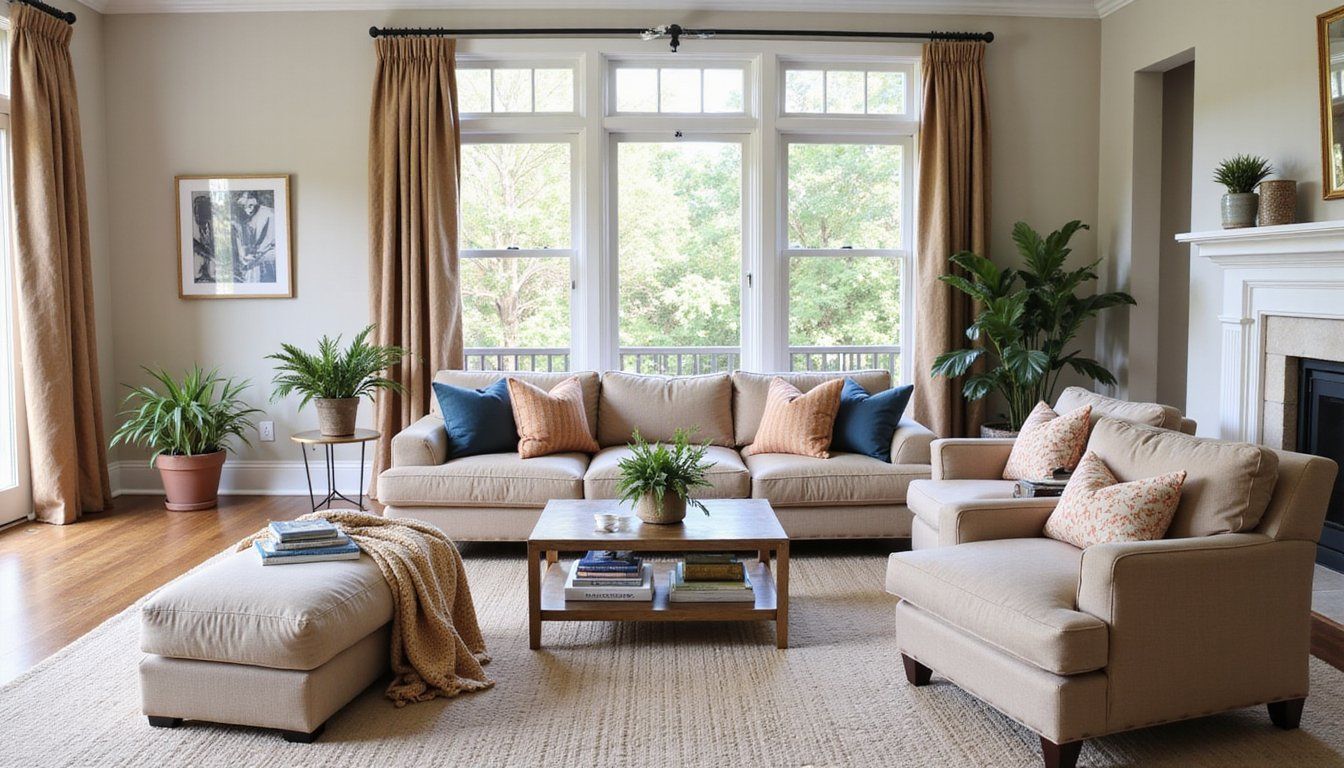
Everyone says you need a huge budget to make a layered, luxurious room. That belief pressures people into thinking richness in textiles demands expensive purchases and constant replacements.
High price is not the only path to a layered look. Many low-cost choices can create the same depth and warmth when chosen with intent and assembled thoughtfully.
The Truth
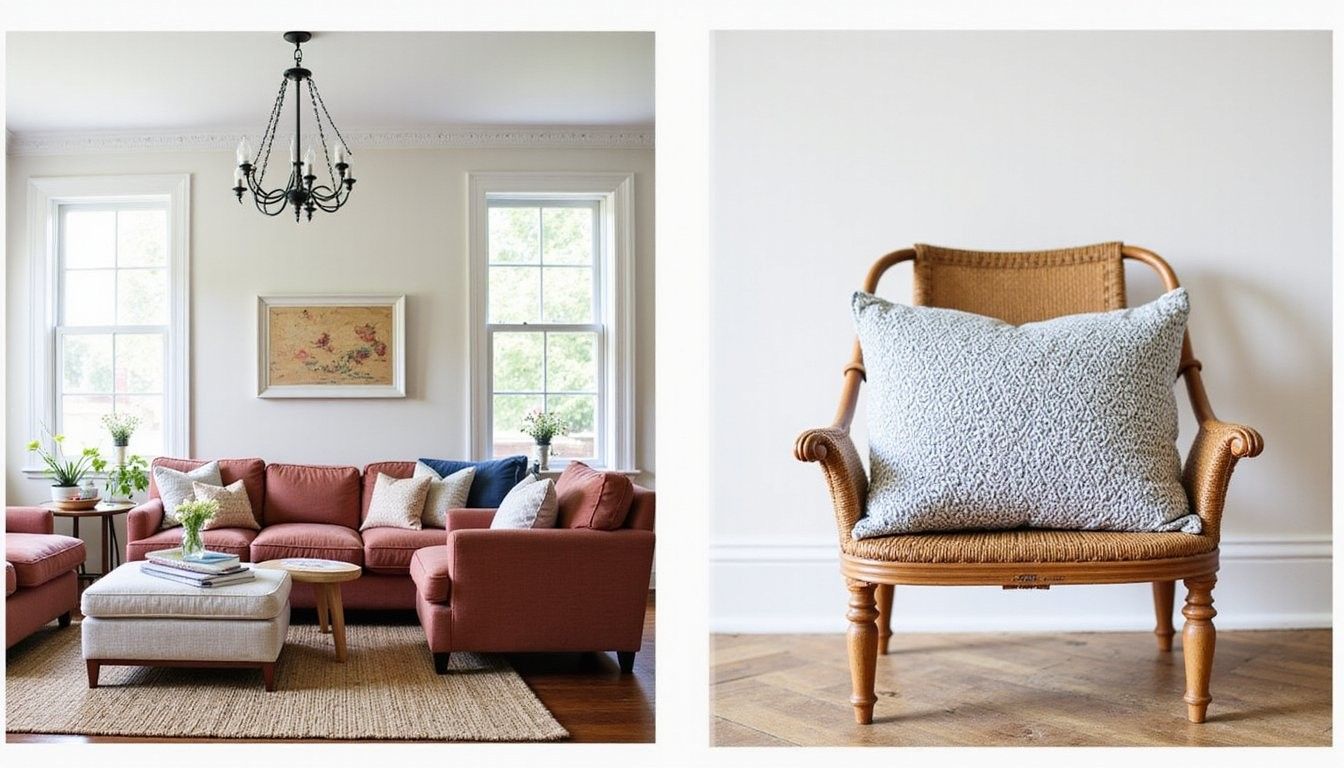
You can build rich textile layers without spending a fortune. Strategic mixing of textures, scale, and color can create a designer feel using affordable pieces, thrift finds, and simple DIY updates.
Intent beats expense when combining fabrics. A clear plan for placement and contrast delivers cohesion while keeping costs low and options flexible.
Myth-Buster Box
Reality: Thoughtful combinations of affordable items, repairs, and texture contrast create the same visual richness.
Opening Notes
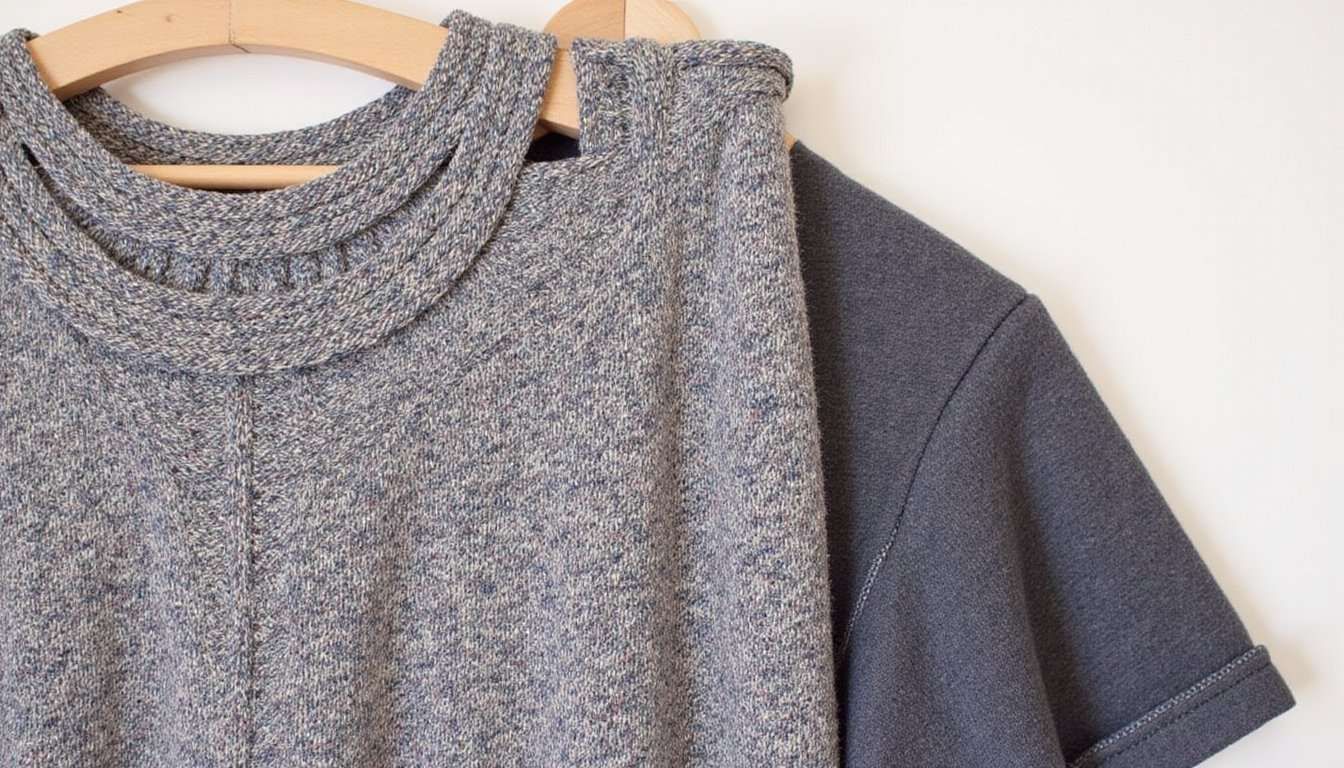
Layering textiles is about contrast, rhythm, and function. When you plan for tactile differences, scale changes, and purpose, the result reads as curated rather than cluttered.
Budget constraints can sharpen your design eye. They force creative sourcing and encourage making the most of what you already own, which leads to more personal spaces.
Tools & Materials
Gathering basic supplies makes updates fast and inexpensive. A few tools and materials let you clean, mend, restyle, and repurpose textiles to stretch their life and impact.
- Needle and thread for simple repairs
- Fabric scissors and pinking shears
- Cheap curtain rings and clips
- Iron and steaming device
- Non-slip rug pad pieces
- Safety pins and fabric tape
- Cheap pillow inserts to swap into covers
- Spray starch and fabric refresher
- Basic upholstery tacks or adhesive hooks
- Patch fabrics from old garments or thrifted linens
Layering Basics: Texture and Scale
Start with a base texture and add contrast. A smooth sheet or flat-weave rug works as a visual foundation that lets chunky knits, brushed velvet, or worn linen stand out when layered on top.
Vary scale to keep the eye moving. Pair a large-scale patterned throw with small-scale patterned cushions and a medium-scale rug so each piece has room to breathe without competing.
Think about handfeel as a visual cue. Fabrics that invite touch, like boucle or flannel, read as luxurious even when they cost little, because they add sensory depth to the room.
Use weight to control drape and silhouette. Lightweight cottons and linens create soft folds, while heavier weaves build structure that anchors a layered arrangement.
Mixing Patterns and Colors Affordably
A small color palette makes pattern mixing safe on a budget. Select two to three colors to carry through pillows, throws, and curtains, and allow neutrals to tie them together for cohesion.
Scale and rhythm matter more than matchy prints. A floral, a stripe, and a geometric in the same palette will feel unified if their scales vary and they repeat colors sparingly.
Thrift shops are treasure troves for unique pattern pieces. Mix in one or two secondhand finds that introduce personality without inflating cost.
Use sheerness and opacity to layer colors subtly. A thin voile over a printed cushion can soften contrast while creating a nuanced, layered look.
Where to Splurge and Where to Save
Spend a little more on high-contact items for comfort and longevity. Pillow inserts, a rug pad, and a quality duvet insert often change the entire feel of cheaper covers and blankets.
Save on decorative pieces that are easy to swap or repair. Throws, pillow covers, and small accent rugs can be affordable buys or DIY projects because they are simple to replace over time.
Strategic spending protects budget without sacrificing look. Investing in a few thoughtful foundational items creates a versatile base you can dress up with inexpensive layers.
Cost vs. Impact Table
Compare typical textile purchases by cost and visual effect. This table helps prioritize where to allocate funds for the biggest return on aesthetic impact.
| Item | Typical Cost | Visual Impact |
|---|---|---|
| Pillow inserts | Low to Medium | High |
| Rug pad | Low | Medium |
| Throws | Low | Medium to High |
| Curtains | Medium | High |
Pro Tips: Where to Splurge
Small foundational purchases have outsized returns. When those pieces feel and perform well, your layered textiles look deliberate rather than patched together.
DIY Updates and Repurposing
Patchwork and trims can revive thrifted finds quickly. Adding a contrasting stitch, a fringe, or simple applique turns a basic throw into a focal item without a major outlay.
Turn old garments into cushion covers or small throws. Denim, wool sweaters, and patterned shirts can be cleaned and stitched into charming, durable layers with minimal sewing skills.
Use removable details to update seasonally. Snapping or pinning a lightweight valance or fringe lets you change the room’s tone without buying a new item every season.
Pro Tips: DIY Finishes
Finishing details read like investment pieces. Clean hems and reinforced corners make inexpensive textiles look intentional and last longer under daily use.
Styling & Placement Tricks
Think in layers that serve comfort and composition. Start with function: a rug for warmth, a base throw for protection, then decorative layers for interest and comfort.
Anchor groups with a neutral element. Neutral throws or solid pillows help busy patterns feel intentional when placed together on a sofa or bed.
Use height and overlap to add depth. Arrange cushions with varying heights and slightly overlap throws so the eye reads the arrangement as cohesive rather than scattered.
Pro vs. Con Table
Weigh the benefits and trade-offs of frequent textile changes. This simple table helps decide whether to refresh a room or patch what you have.
| Approach | Pros | Cons |
|---|---|---|
| Refresh constantly | Keeps look current | Higher spend |
| Patch and style | Lower cost, more unique | Requires time |
Quick Decision Boolean Table
Use this quick table to decide whether to buy new or repair. A clear yes/no guide speeds choices while shopping or sorting the closet.
| Question | Yes | No |
|---|---|---|
| Is the fabric structurally sound? | Repair or repurpose | Replace |
| Does it match the planned color palette? | Keep | Dye or cover |
Mistakes People Make
Ignoring scale flattens your design. If cushions, rugs, and throws are all similar in size, the arrangement looks cluttered rather than layered, so vary the dimensions for depth.
Choosing only trendy accents limits longevity. Trend-driven small items date quickly, while neutral foundational pieces can be refreshed with inexpensive seasonal layers.
Sourcing Smart: Thrift, Swap, and Refresh
Thrift shops and swaps offer surprising finds at low cost. Look for heavy linens, wool blankets, and clean upholstery fabrics that can be cleaned and repurposed with minimal work.
Refresh by dyeing or trimming to make pieces cohesive. A quick dye job or added trim creates a consistent color story that ties thrifted items into your palette.
Ask friends to rotate pieces for a fresh feeling without spending. Swapping textiles seasonally with someone you trust keeps both homes feeling new while saving money.
Care and Maintenance to Extend Life
Proper washing and storage preserves texture and color. Follow fabric care, air natural fibers to avoid mildew, and fold heavy knits to prevent stretching for longer usefulness.
Rotate high-wear pieces to spread use evenly. Switching cushion positions and flipping throws keeps any single piece from wearing out quickly and maintains a fresh look.
Creating Seasonal Looks Without Extra Spend
Use color accents and texture swaps to shift mood with the season. Swap a wool throw for lightweight cotton and switch pillow covers to cooler hues to evoke a seasonal change without new purchases.
Layer and unlayer strategically for temperature control and look. Removing a thick rug or adding a lightweight quilt alters both comfort and tone while keeping costs stable.
A Final Styling Checklist
Review scale, color, texture, and function before finishing styling. Check that each piece adds contrast, supports use, and fits the overall palette to avoid cluttered or disjointed results.
Step back and evaluate in different light and at different times of day. Textiles read differently in warm morning light versus cool evening light, so adjust layers accordingly for balance.
Quick Blockquote for Inspiration
Well-chosen layers tell a room’s story without needing a big budget. Combining thrifted character with small investments makes spaces feel cared for and welcoming.
Frequently Asked Questions
How do I make thrifted textiles look cohesive? Start with a simple palette and either dye or add neutral trims to bridge disparate patterns and colors so the items read as part of a single plan.
What is the easiest way to refresh old pillows? Swap inserts, steam to remove creases, and add a decorative stitch or ribbon to the covers for an instant uplift that costs little.
Can I layer rugs without it feeling busy? Yes; choose a large neutral base rug and add a smaller patterned rug on top, offset slightly to show contrasting edges and avoid perfect centering.
Is it okay to mix materials like wool and cotton? Absolutely; mixing fibers creates tactile interest, but balance heavier and lighter materials so one does not swallow the other visually or physically.
How often should I update textile layers? Rotate high-use pieces seasonally and swap a couple of accent items when you want a fresh feel, while keeping foundational elements for longer wear.
