
Story Hook
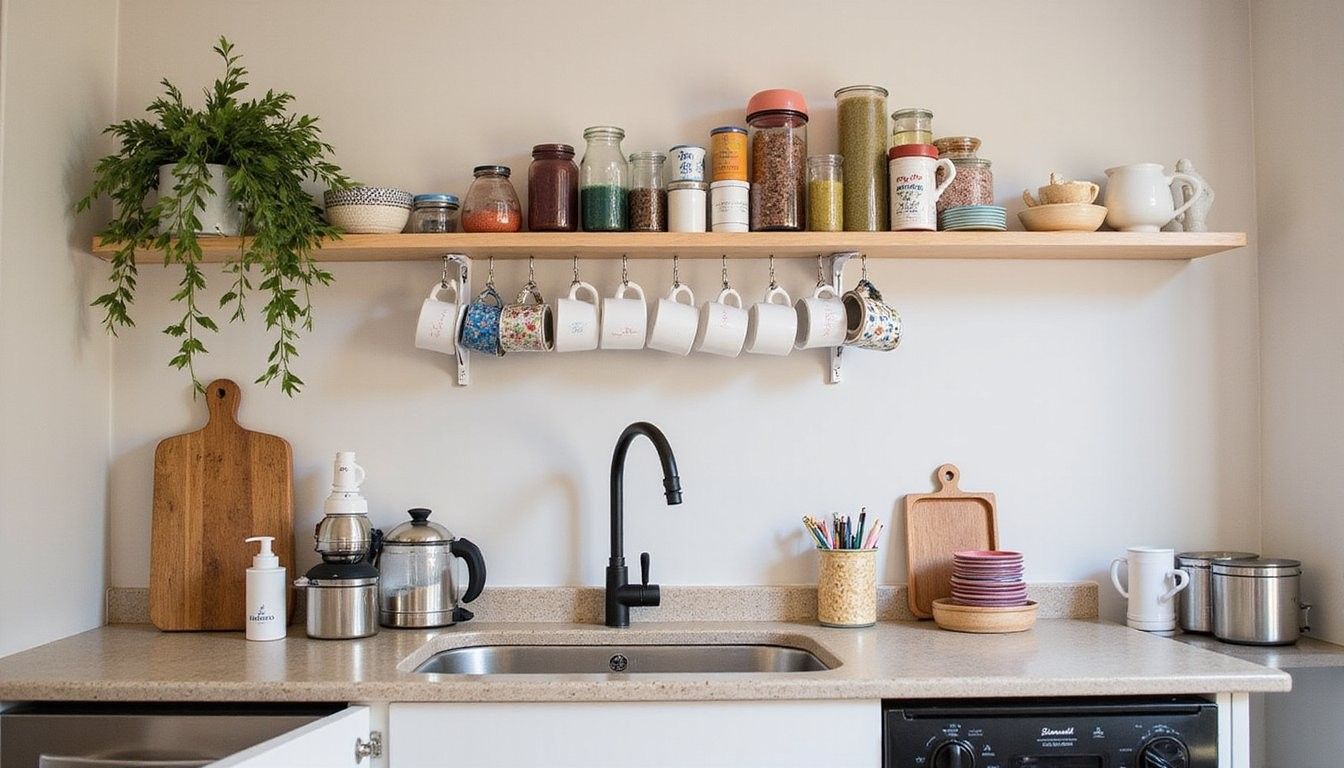
My first tiny apartment taught me a lot when I stacked mismatched mugs on a shallow shelf above a compact sink and then watched them collect dust and chaos within days, which forced a rethink of how I kept everyday items accessible without turning the room into a cluttered display.
That scramble for order led me to experiment with doors, baskets, clear displays, and mixed solutions until I found ways to make a tight footprint feel open, tidy, and calm while still keeping the things I use most within easy reach.
The ‘Why’
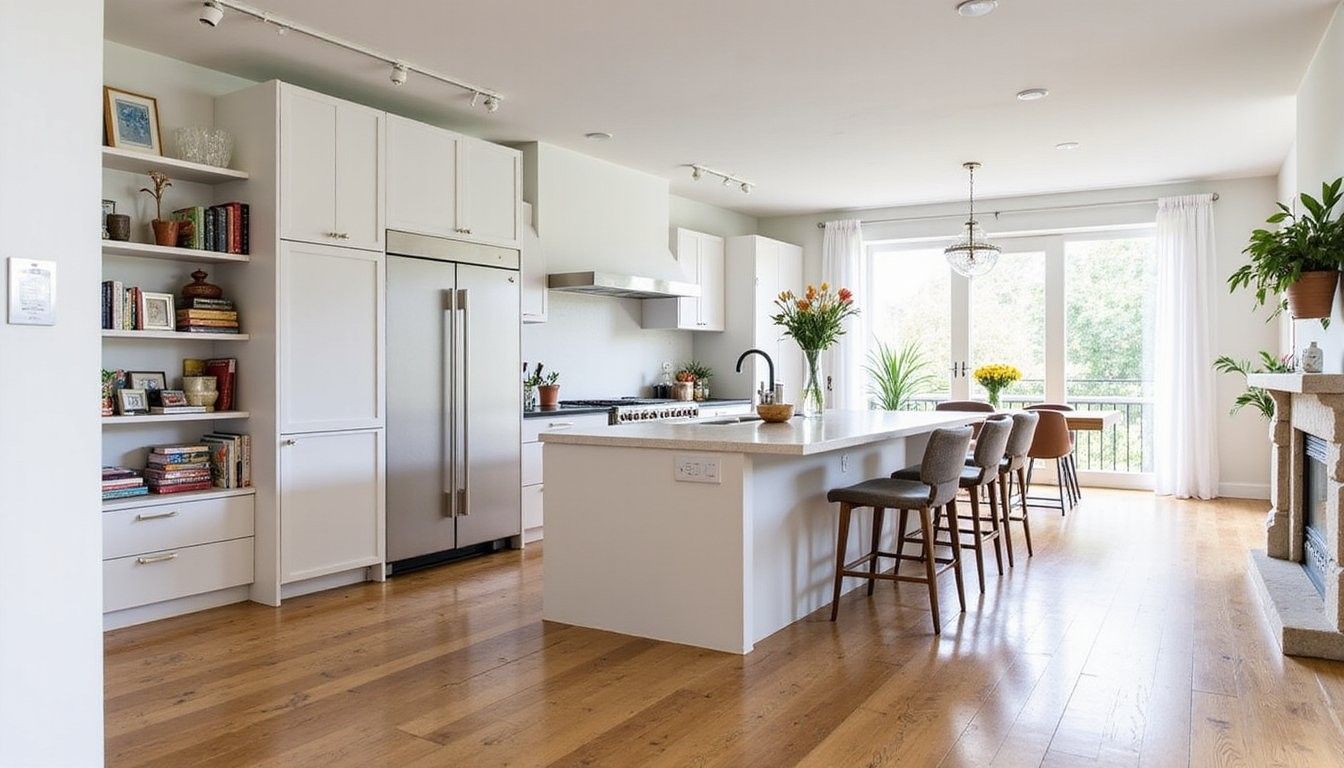
Deciding how to store items in a compact home matters because every square inch changes how the room looks and how you move through it, and the choice between visible displays and hidden cupboards affects daily habits and upkeep.
Understanding the tradeoffs helps you match storage to lifestyle so your space can feel larger, calmer, or more curated depending on what you want to live with and how you like to work in the room.
Overview

This piece compares two storage approaches by looking at sightlines, access, dust control, flexibility, and how each choice changes the perceived size of a room, so readers can choose an approach that matches their routine and aesthetic preferences.
Rather than offering a single answer I share design moves, layout ideas, maintenance notes, and pitfalls I learned the hard way so you can decide with clarity and avoid common missteps that make small spaces feel cluttered.
Tools & Materials
Gathering the right tools helps any project move faster and saves frustration, so start with basics for measuring, mounting, and styling before you commit to drilling or painting in a compact home.
- Tape measure and level
- Stud finder or wall anchors
- Screwdriver or drill with appropriate bits
- Cabinet hinges and soft-close catches if opting for doors
- Low-profile baskets and matching containers for concealed zones
- A set of matching plates, bowls, or storage jars if choosing open display
- Microfiber cloth and dusting brush
High-Visibility Shelves

Open shelving makes items instantly reachable and visually active because your essentials become part of the room’s décor, which can make a compact area feel airy when what you display is tidy, color-coordinated, and intentionally pared down.
That visual openness can also be a liability if you keep too many things on show or if items vary wildly in size and finish, since an unedited display reads as clutter and shrinks perceived space rather than expanding it.
When you choose this approach favor consistent containers, repeating shapes, and negative space between objects so the eye can rest and the room reads as intentionally styled even at close quarters.
Concealed Storage
Closed cupboards and drawers hide sensory clutter and create a calmer backdrop because the visual field remains uninterrupted, which helps a compact room feel more peaceful and upscale even when storage runs to overflow.
Hiding things does not remove the need for organization since crowded cabinets are harder to sort and find items in, so internal systems like pull-out trays, labeled boxes, and vertical dividers will pay off quickly.
Choosing this path often means you can store more behind each door, but plan for airflow and odor control in kitchen zones to keep hidden spaces fresh and pleasant.
Design Strategies for Tight Footprints
An intentional mix blends visibility where it helps and concealment where it matters so the most attractive and used items live on view while bulk, cleaning supplies, and backup goods stay tucked away to reduce daily visual noise.
One approach is to keep the upper plane light and open while grounding the lower plane with concealed units which preserves sightlines and gives storage depth without drawing attention to the volume of what you own.
| Consideration | Open | Closed |
|---|---|---|
| Visual weight | Light | Solid |
| Maintenance | Frequent dusting | Less visible dust |
| Flexibility | Easy styling swaps | Organized storage |
A small boolean cheat sheet can help you decide quickly whether an area should be open or closed: consider daily use, aesthetic value, and dust sensitivity, then mark yes or no to guide the install.
| Feature | Recommended |
|---|---|
| Daily-use dishes | ✓ |
| Bulk pantry supplies | ✕ |
| Decorative glassware | ✓ |
Styling, Care, and Longevity
What you display will age faster than what you hide because items on view are touched more, exposed to light, and collect dust, so plan refreshes and keep duplicates tucked away to rotate in when things look tired.
Care routines are short but regular and they pay dividends in a small room: dust weekly, wipe shelves when you swap items, and check concealed drawers every month to catch crumbs, leaks, or smells before they spread.
A small cleaning habit like a ten-minute weekly sweep keeps surfaces welcoming and prevents an accumulation that turns tidy displays into visual noise.
Common Mistakes
Overloading a small space with things on display creates visual chaos that shrinks the perceived size and makes even well-designed rooms feel tight and frantic, so edit ruthlessly and only show the objects that add real warmth or utility.
Neglecting the interior of closed units turns them into catchalls where items get lost, which means you should fit dividers and clear containers and assign zones so each door has a purpose and a rhythm for restocking.
Frequently Asked Questions
How do I choose between visible shelves and hidden cupboards? Start by noting what you access daily and what you want the room to feel like; keep the most-used items reachable and consider hiding backups and cleaning supplies behind doors so the main visual plane stays calm.
Can mixed storage work in a very small room? Yes, mixing open and closed solutions often gives the best of both worlds by keeping display items light above eye level and using concealed storage at lower heights to take weight off sightlines and store bulk.
Will open displays make cleaning harder? They will require more frequent dusting and occasional styling, but two short routines per week will keep surfaces presentable and prevent long scrubbing sessions later on.
Is it cheaper to install open shelving than cabinets? Surface-mounted shelves and brackets are generally less expensive than full cabinetry, but good-quality open shelving and matching containers can add up, so weigh upfront cost against how much you value the visual effect and upkeep.
