
The Myth
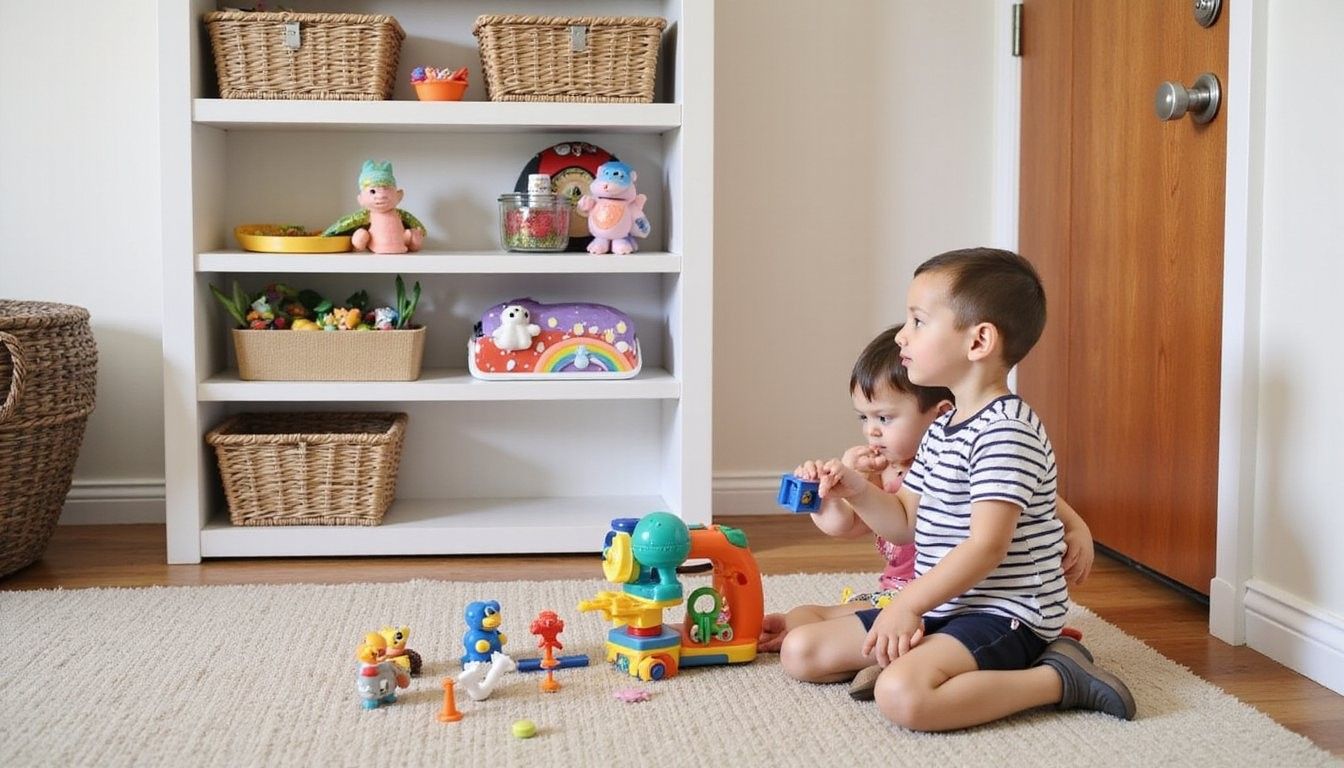
Popular belief: Parents often hear that you must own endless storage bins and a perfect schedule to keep toys tidy, which sets an unrealistic expectation for daily family life and creates pressure to buy more organizing products than necessary.
Reality check: That message can make caretakers feel that any mess equals failure and that only major overhauls will work, which discourages steady, small actions that actually build lasting order.
The Truth
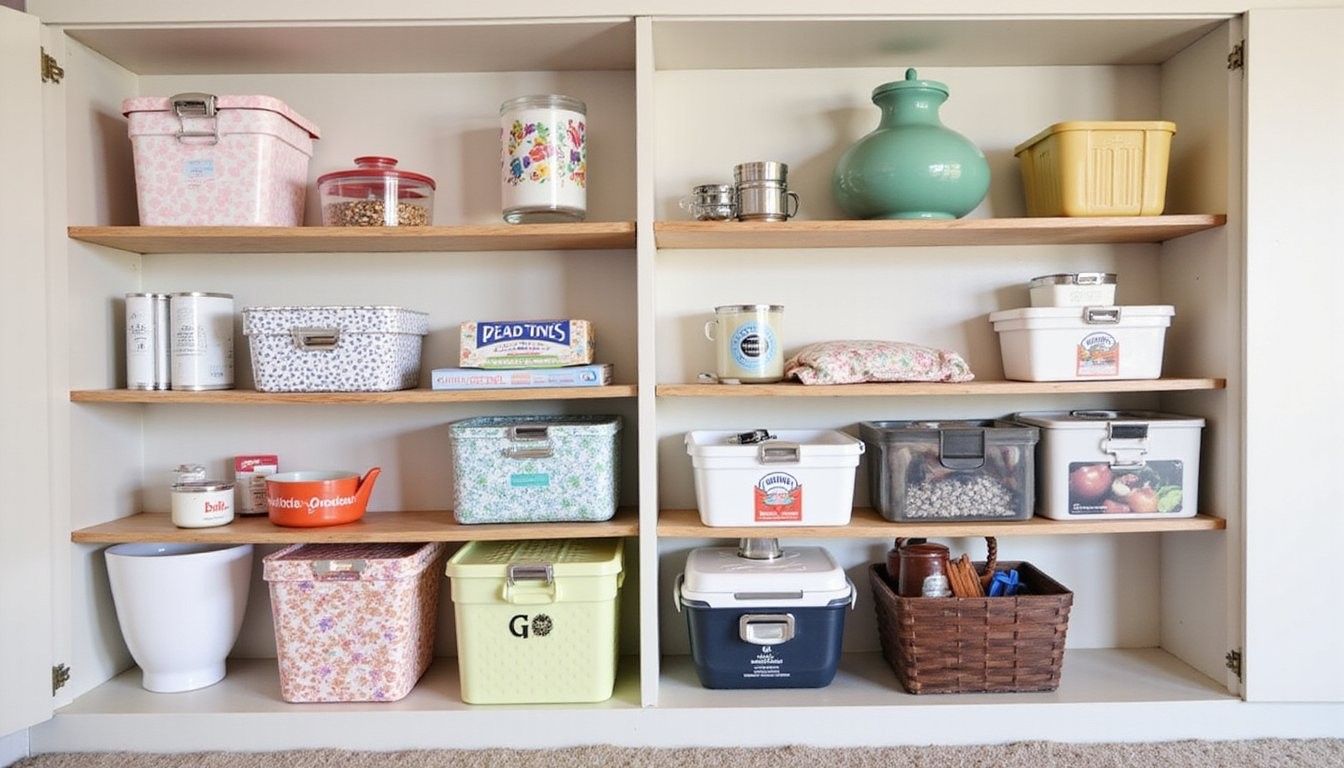
Counter-intuitive truth: Order is better achieved through smart choices and routines than by acquiring a mountain of containers, because simplicity supports repeatable habits that kids can learn and parents can maintain.
Practical outlook: Taking small, clear actions each day and designing systems that fit your home’s flow is what creates a lasting clutter-free play area rather than chasing a one-time perfect solution.
Myth-Buster Box
Reality: Thoughtful limits, easy-to-follow zones, and a few flexible storage pieces create more reliable order than a lot of containers.
Introduction
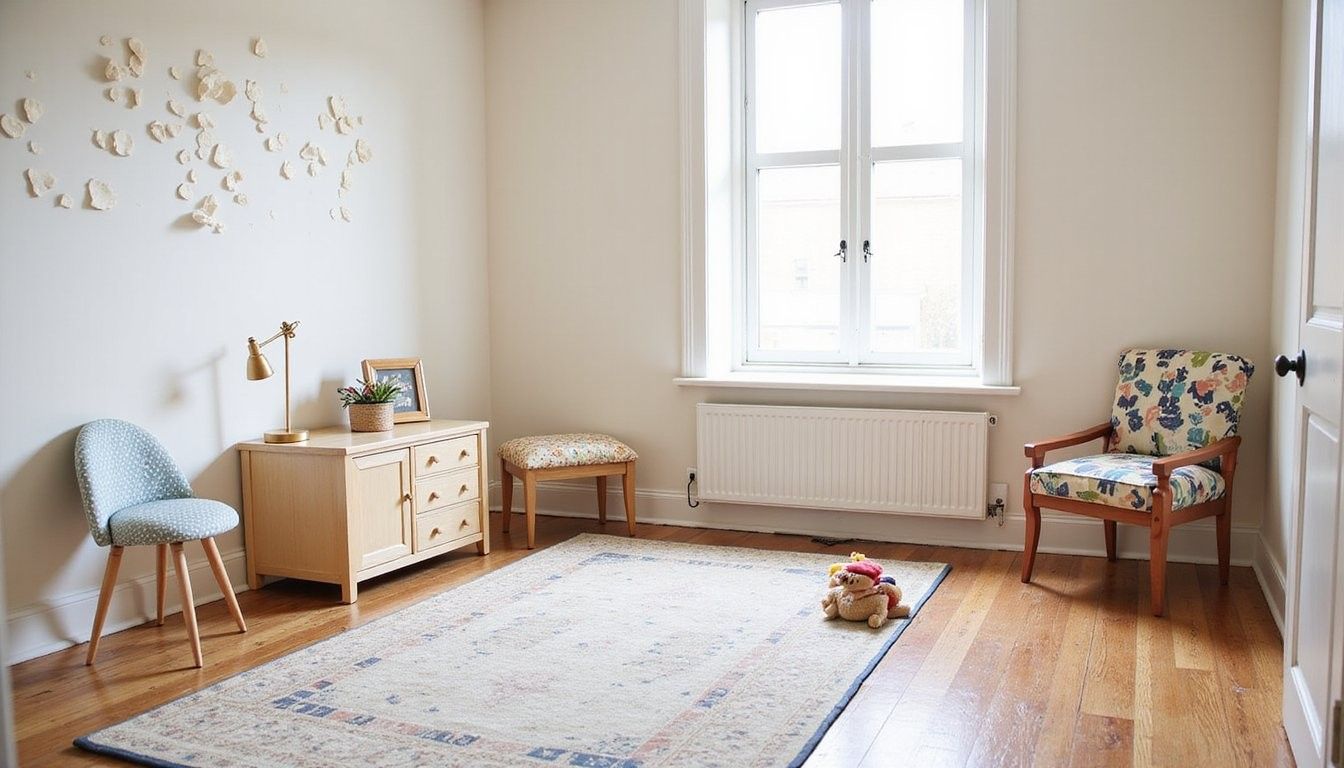
Welcome note: A playroom that feels calm and inviting is achievable without drastic expense or time, and the best systems grow with the child rather than forcing a one-size-fits-all design.
What this helps you do: You will find clear, down-to-earth strategies to sort toys, pick storage that matches family routines, create easy pickup habits, and keep the room useful for play and rest.
Tools & Materials
- Durable bins: Stackable plastic or fabric bins in neutral colors for quick grouping.
- Low shelving: Open shelves at child height so kids can see and reach toys.
- Clear labels: Use picture stickers for young children and simple words for older kids.
- Rolling cart: A narrow cart for art supplies that can move to different rooms.
- Under-bed storage: Flat containers for dress-up clothes or seasonal toys.
- Donation box: A visible box to collect items you plan to pass on.
- Timer: A simple kitchen timer to set short pickup sprints with kids.
Sort and Curate
Start with categories: Group toys into meaningful piles like building toys, dolls, art supplies, puzzles, and outdoor gear so you can see what you have and avoid duplicate buys that add clutter.
Make choices with kids: Invite children to pick favorites and gently retire items that no longer spark play, because letting kids participate builds respect for the system and reduces resistance at cleanup time.
Smart Storage Solutions
Match storage to the toy: Place puzzles on a low shelf, soft toys in a breathable basket, and art supplies in a mobile caddy so each item’s home fits how kids use it and encourages return-to-home behavior.
Visibility matters: Open bins and cubbies let children see choices, which reduces decision friction and makes cleanup a faster, more cooperative task than opaque boxes that hide contents.
Design Play Zones
Create dedicated zones: Divide the room into clear areas for building, reading, art, and active play so activities stay anchored and materials naturally stay with their zone instead of drifting across the room.
Use rugs and furniture: A small rug, a low table, or a bookshelf can subtly define a corner and invite kids to keep that area consistent for a type of play, which reduces the overall spread of toys.
Toy Rotation System
Rotate seasonally or weekly: Keep a subset of toys accessible and store the rest out of sight for a week or month, which refreshes interest and reduces daily clutter while keeping the play experience engaging.
Easy swap process: Store rotated toys in clearly labeled bins that slide under a bed or on a top shelf so swaps are quick and painless and kids see the novelty each time a box returns.
Daily Routines & Habits
Short pickup sprints: Set a two to five minute timer after playtime for everyone to put away items, since short, consistent routines beat long, infrequent cleanups and teach stewardship.
Model and praise: Demonstrate how to put toys back, narrate the actions, and offer specific praise when kids do it independently to build confidence and make cleanup a positive habit.
Maintenance and Refresh
Monthly check-ins: Schedule a quick look each month to purge broken items and shift rarely used toys into rotation or donation, because small maintenance prevents slow accumulation that becomes overwhelming.
Adapt with age: Reassess storage heights and categories as children grow so the room stays useful and independent rather than becoming obsolete and ignored.
Comparison: Cost vs. Impact
| Solution | Estimated Cost | Potential Impact on Clutter |
|---|---|---|
| Low shelves + bins | Moderate | High improvement in daily tidiness |
| Custom closets | High | High but takes time to design |
| Rotation boxes | Low | Big boost in perceived novelty |
Data: Toy Types and Storage Needs
| Toy Type | Best Storage | Maintenance Tip |
|---|---|---|
| Blocks and building sets | Open bins, clear drawers | Sort by set and check connectors monthly |
| Plush toys | Breathable baskets | Wash or surface-clean on a schedule |
| Art supplies | Mobile caddy | Cull dried markers weekly |
Quick Pro Tips
Why it works: A temporary catch-all reduces resistance to cleanup and prevents toys from being scattered to every room, because misplaced items get returned in one efficient run rather than multiple small trips.
Pro Tip: Keep It Quick
How to run it: When cleanup is tied to an engaging cue, children internalize the habit and parents avoid nagging because the rhythm of the routine takes over.
Safety and Accessibility
Keep things reachable: Store frequently used toys at child height and fragile or small-parts items up high so children can access what is safe for them independently and avoid hazards.
Anchor furniture: Secure tall shelves and storage to the wall to prevent tipping and inspect cords and small pieces to reduce choking and tripping risks.
Pro vs. Con: Storage Types
| Storage Type | Pros | Cons |
|---|---|---|
| Open cubes | Easy access and visibility | Requires regular tidying to look neat |
| Lidded bins | Conceals clutter quickly | Kids may avoid using them if lids are a barrier |
| Wall hooks | Great for costumes and backpacks | Not suitable for loose small toys |
Small Space Strategies
Use vertical space: Mount narrow shelves and hang organizers on the back of doors to keep floors clear and make the most of limited square footage while keeping toys accessible.
Double-duty furniture: Choose ottomans with storage or a bench that hides bins so seating and storage share the same footprint and clutter stays contained.
Teach Ownership Without Nagging
Make tasks clear: Break cleanup into tiny, defined steps like ‘put books on shelf’ or ‘put blocks in the blue bin’ so young kids can succeed and feel proud rather than daunted.
Offer choices: Let children choose which small task they will complete to build buy-in and keep power struggles out of tidy time.
Storage for Sentimental Items
Create a memory box: Limit keepsakes to one labeled box per child and review items annually so treasured pieces are preserved without overtaking living spaces.
Digitize extras: Photograph large or bulky sentimental pieces and store the images to keep the memory while freeing physical space for play items.
What to Avoid
Quick Troubleshooting
If kids resist cleanup: Turn the task into a short race, reduce the number of visible choices by rotating toys, and celebrate any small success to build momentum toward cooperative tidiness.
If clutter creeps back: Revisit categories, purge items that no longer spark play, and simplify storage so the system matches daily life rather than fighting it.
A Short Boolean Guide
| Question | Yes | No |
|---|---|---|
| Should everyday toys be visible? | ✔ | |
| Store all toys permanently? | ✔ |
Final Setup Checklist
Before you finish: Confirm zones, label simple picture cues, set up a rotation bin, and place a donation box in an accessible spot so the new system is ready for daily life and easy to sustain.
Keep expectations realistic: Aim for a room that feels workable rather than perfect, and let routines take over so that maintaining order becomes part of family rhythm rather than a constant project.
Frequently Asked Questions
How often should I rotate toys? Answer: Rotate a small set every one to four weeks depending on how quickly interest fades, because frequent rotation keeps play exciting while limiting visible choices so cleanup feels manageable.
What if my child gets upset about donating toys? Answer: Involve them in selecting items to pass on and frame donations as gifts to other children, and start with one toy to build comfort with the idea rather than handing over a long list.
Are labels necessary? Answer: Use picture labels for young children and simple word labels for older kids to speed recognition and make return-to-home intuitive, which supports independence at cleanup time.
Can a small apartment have a functional playroom? Answer: Yes; define a small zone with vertical storage and double-duty furniture so play has a clear home without sacrificing living space.
