
Hook & TL;DR
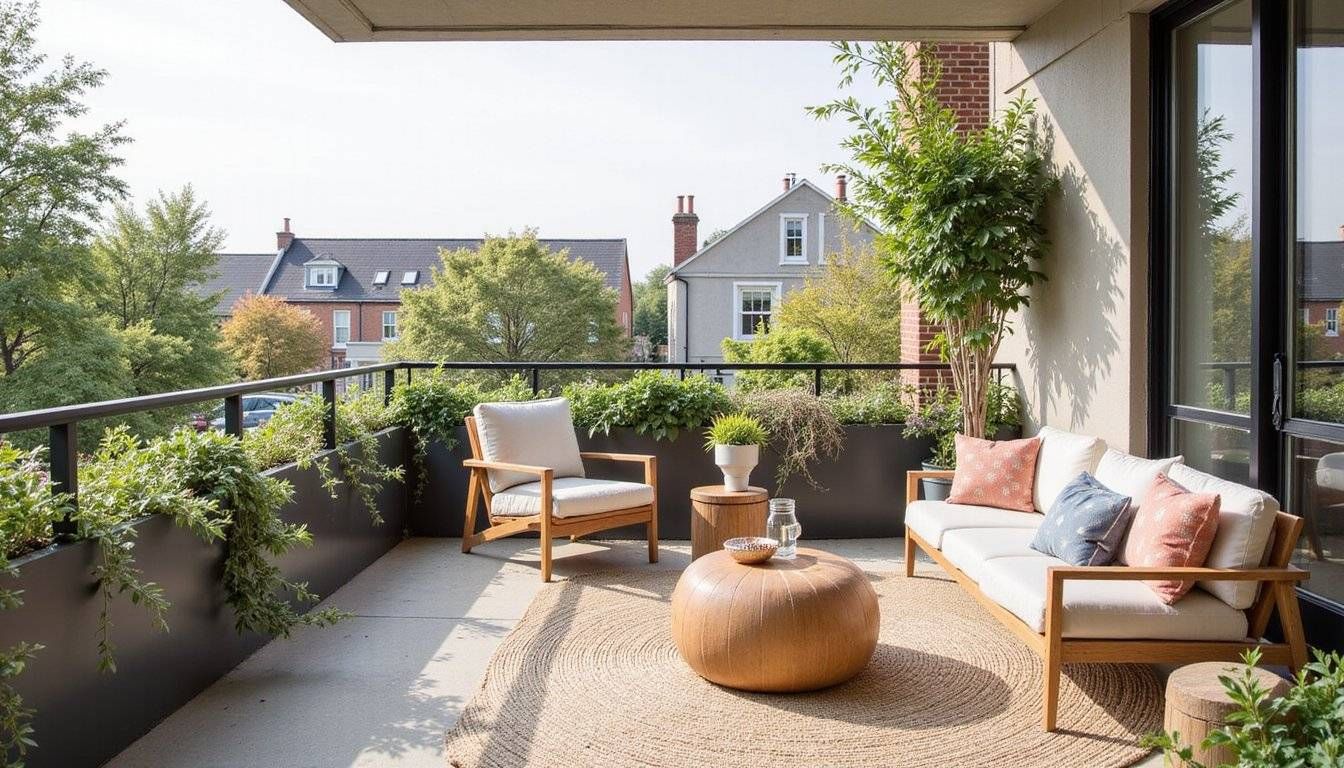
Fresh perspective: A tiny balcony can feel like an extra room with the right layout, light, and textures, turning a cramped ledge into a calming outdoor retreat that encourages slow mornings and relaxed evenings.
Key Takeaways
- Small choices create scale: pick low-profile furniture, vertical greenery, and layered lighting to expand visual space.
- Plan for function: decide on seating, storage, and weather protection before buying anything.
- Use mirrors and clear sightlines: reflective surfaces and uninterrupted rails make a balcony feel larger.
- Prioritize comfort: textiles and plants turn a small area into a cozy destination you’ll use daily.
Overview
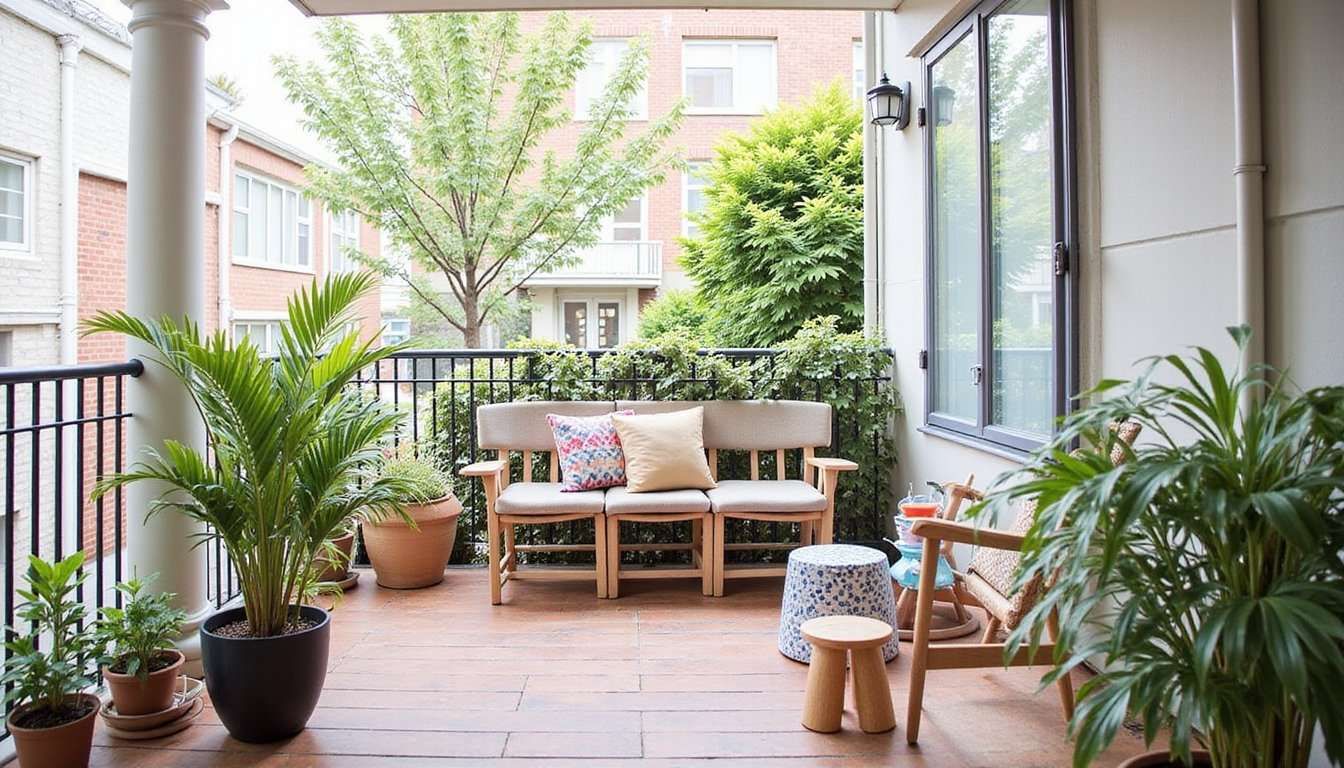
Why a makeover matters: Turning a tiny balcony into a useful outdoor room boosts livable square footage and improves daily wellbeing by offering a private spot for coffee, reading, or fresh air.
Approach to planning: Start with a clear goal for how you want to use the space, measure carefully, and select pieces that fit both the physical dimensions and your lifestyle so every inch earns its place.
Tools & Materials
Checklist for the project:
- Measuring tape and notepad
- Foldable or stackable seating
- Weatherproof rug and cushions
- Planters for railing or wall
- Multipurpose storage item (bench with storage or slim cabinet)
- String lights or layered lighting
- Outdoor-friendly mirror or reflective accent
- Drill and basic hardware, plus adhesive hooks for non-invasive installs
Safety note: Check balcony load limits and local regulations before adding heavy planters or furniture so your design stays safe and compliant.
Design tricks to expand perception
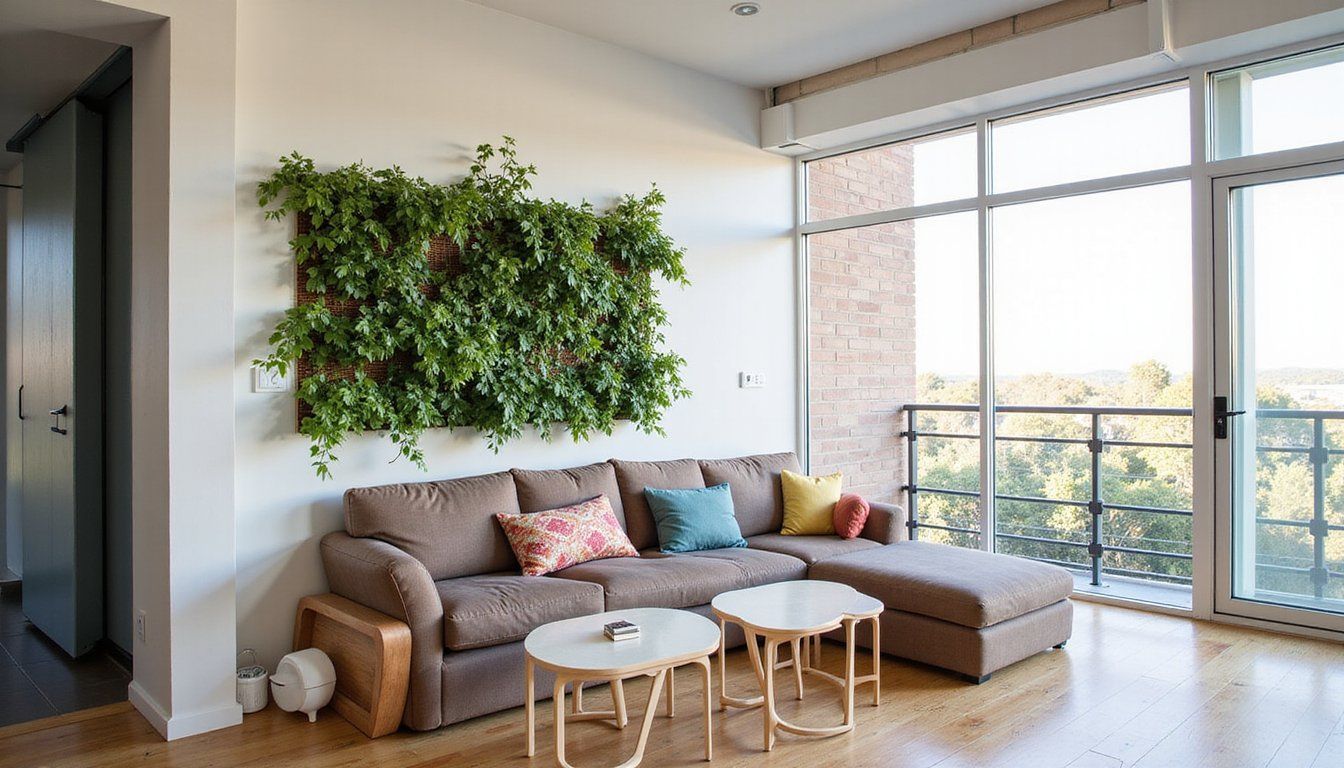
Use vertical space: Installing a living wall, narrow shelving, or hanging planters draws the eye upward and frees floor area so the balcony reads as taller and more open.
Layer textures and tones: A light-toned rug, slim furniture, and translucent textiles create depth while keeping the area visually airy and easy to move through.
Mirrors and reflective surfaces: Placing a weatherproof mirror against one wall or using metallic planter finishes doubles perceived depth by bouncing light and extending sightlines.
Choose low-profile furniture: Narrow benches and folding bistro sets keep circulation clear so the space reads as uncluttered and larger than its footprint.
Seating, layout, and storage solutions
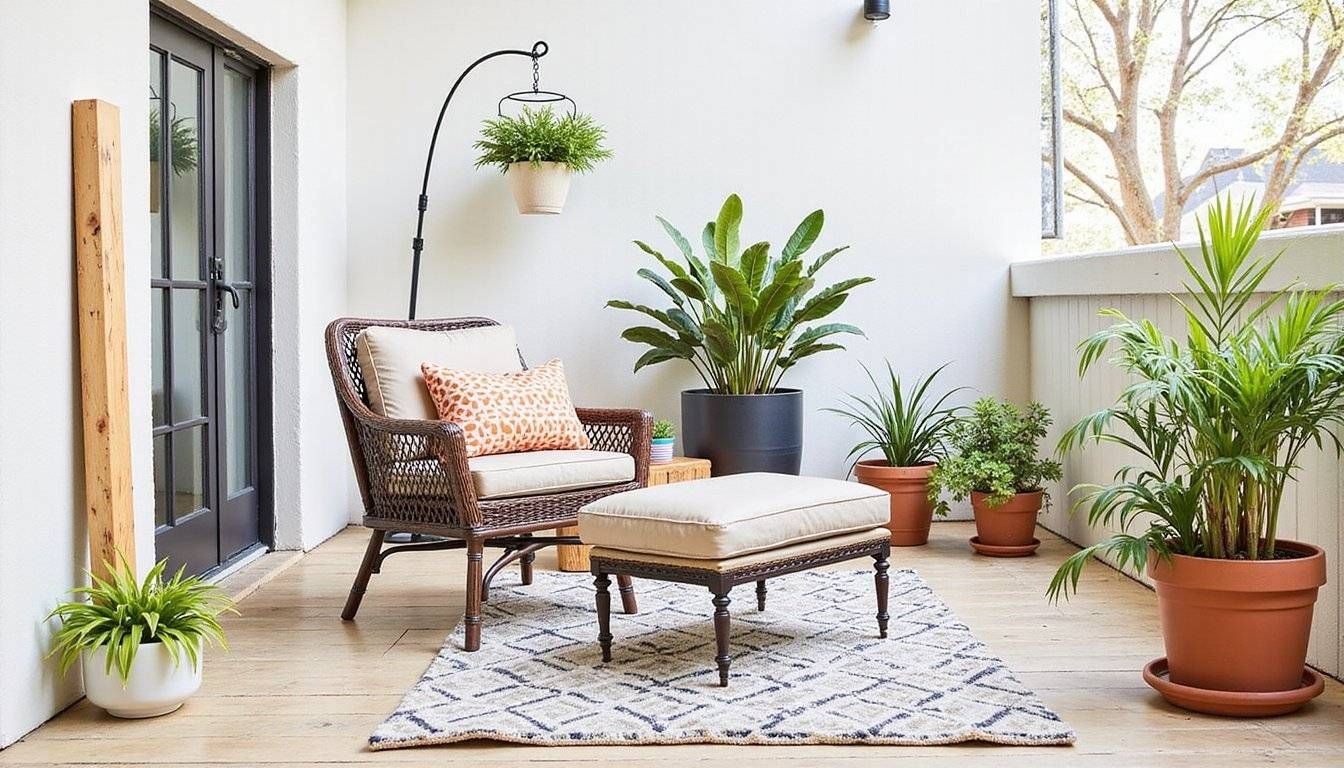
Define zones: Even on a tiny balcony, decide where you’ll sit, where plants live, and where you store items so each area has a clear purpose and the overall layout feels intentional.
Dual-purpose furniture: A storage bench or nesting tables give flexible surface area while hiding cushions or gardening tools, keeping clutter out of sight and the floor area open.
Scale and placement: Push seating toward the outer edge to preserve walking space and use corner benches to snugly seat more people without blocking access.
Greenery, privacy, and climate considerations
Pick the right plants: Select varieties that match your light and wind conditions, using shallow-root planters for constrained depths and vertical planters for more variety without sacrificing floor area.
Privacy strategies: Use bamboo screens, lattice with climbing vines, or layered planters to create a green screen that softens views while maintaining airflow and sunlight.
Weatherproofing choices: Choose outdoor fabrics, rust-resistant hardware, and quick-drain planters so your balcony remains beautiful through sun, rain, and season changes without constant upkeep.
Lighting, color, and finishing touches
Layered lighting: Combine soft string lights, a small task lamp, and solar stake lights in planters to create flexible ambiance for morning coffee or late-night relaxation.
Color strategy: Use a restrained palette with pops of color in cushions or planters to keep the space unified while introducing personality through small accents.
Finishing details: Add a small outdoor rug, a tray for drinks, and wind-resistant candles or lanterns to make the balcony feel finished and inviting without cluttering the footprint.
Cost vs Result comparison
Match investment to impact: Small upgrades like textiles and lighting deliver a large feel change for modest spend, while built-in bench seating or structural work costs more but adds long-term function and storage.
| Project | Estimated Cost | Result for Feel |
|---|---|---|
| Textiles and lighting | Low | High uplift |
| Vertical planting system | Medium | Strong green presence |
| Built-in seating with storage | Higher | Long-term function |
Practical data table: furniture sizing guide
Measure once, buy right: Use this simple sizing guide to avoid purchases that overwhelm the balcony or block access, ensuring furniture proportions support the intended layout.
| Balcony Width | Recommended Furniture Depth | Suggested Pieces |
|---|---|---|
| Less than 36 inches | 12–16 inches | Slim bench, railing planters |
| 36–60 inches | 16–20 inches | Bistro set, narrow storage |
| 60+ inches | 20–24 inches | Small lounge chair, vertical garden |
Quick decision boolean table
Fast choices: Use this quick yes/no table to decide whether a feature suits your tiny balcony so you can streamline selections without second-guessing.
| Feature | Recommended? |
|---|---|
| Large freestanding planter | No |
| Foldable seating | Yes |
| Railing-mounted table | Yes |
What to Avoid
Declutter carefully: Resist impulse purchases that look charming online but overwhelm your layout, and prioritize a few well-chosen items that align with your plan so the space remains usable and calming.
Implementation timeline and quick roadmap
Simple timeline: A weekend can handle measurements, a deep clean, and textiles while a week allows for plant delivery, furniture assembly, and lighting installs, so plan tasks in phases to avoid overwhelm and spread cost.
Phased approach: Start with foundational items like seating and a rug, then add greenery and lighting, finishing with decorative accents to test how the space functions before committing to larger purchases.
Maintenance and season care
Routine care: Sweep debris, rotate plants for even light, and store textiles during heavy weather to preserve materials and keep the balcony ready for use without large maintenance days.
Winter prep: Drain planters, secure lightweight items, and cover or store cushions to protect fabrics and hardware from frost, salt, or turning winds so spring refreshes are quick and easy.
Styling on a budget
Small investments, big change: Secondhand pieces, DIY planter projects, and swapping throw covers for the season give fresh looks for modest expense while maintaining a thoughtful aesthetic.
Upcycle creatively: Refinish an old stool as a side table or repurpose a wooden crate for storage to add character and save money while keeping the space unique and personal.
Case studies and small makeovers
Micro-makeover example: A narrow 4×6 balcony transformed with a fold-down table, two stools, a slim rug, and hanging herbs became a usable dining spot that cost less than a typical indoor chair set, demonstrating that focused choices pay off.
Green corner example: Converting one side into a vertical herb wall with rail planters created privacy, scent, and a mini-kitchen garden without reducing seating, showing that multifunctional planting can deliver multiple benefits at once.
Seasonal styling ideas
Spring refresh: Add pastel cushions, lightweight throws, and fresh potted herbs to celebrate milder weather and invite more daylight into the space.
Autumn mood: Swap to deeper cushion colors, include a weather-safe throw, and add warm-tone lighting to extend balcony evenings when temperatures dip.
Final checklist before you enjoy
Quick pre-use check: Confirm furniture stability, secure planters, test lighting, and clear any trip hazards so the space is safe and welcoming for immediate use.
Use it and refine: Spend time on the balcony across different times of day, tweak placement or lighting based on real use, and keep the setup flexible so adjustments are easy as needs change.
Frequently Asked Questions
Can I put heavy planters on a small balcony? Check your building’s load limits and prefer shallow, lightweight planters or use railing-mounted boxes to avoid concentrated weight and distribute load safely across the structure.
How do I make a balcony private without blocking light? Use semi-transparent screens, tall narrow plants, or staggered planter heights to create privacy that filters views while keeping sunlight and airflow intact.
What seating works best for tiny balconies? Foldable seats, slim benches with storage, and built-in ledges provide seating without crowding the walkway and offer flexibility for different activities.
How can I protect cushions and textiles from sudden rain? Keep a weatherproof storage box or bench on the balcony and choose quick-dry fabrics so you can stow soft goods quickly and reduce mildew risk.
Are there low-maintenance plant choices for wind-exposed balconies? Opt for grasses, succulents, and hardy perennials that tolerate wind and shallow soil so you enjoy greenery with minimal fuss.
