
Story Hook
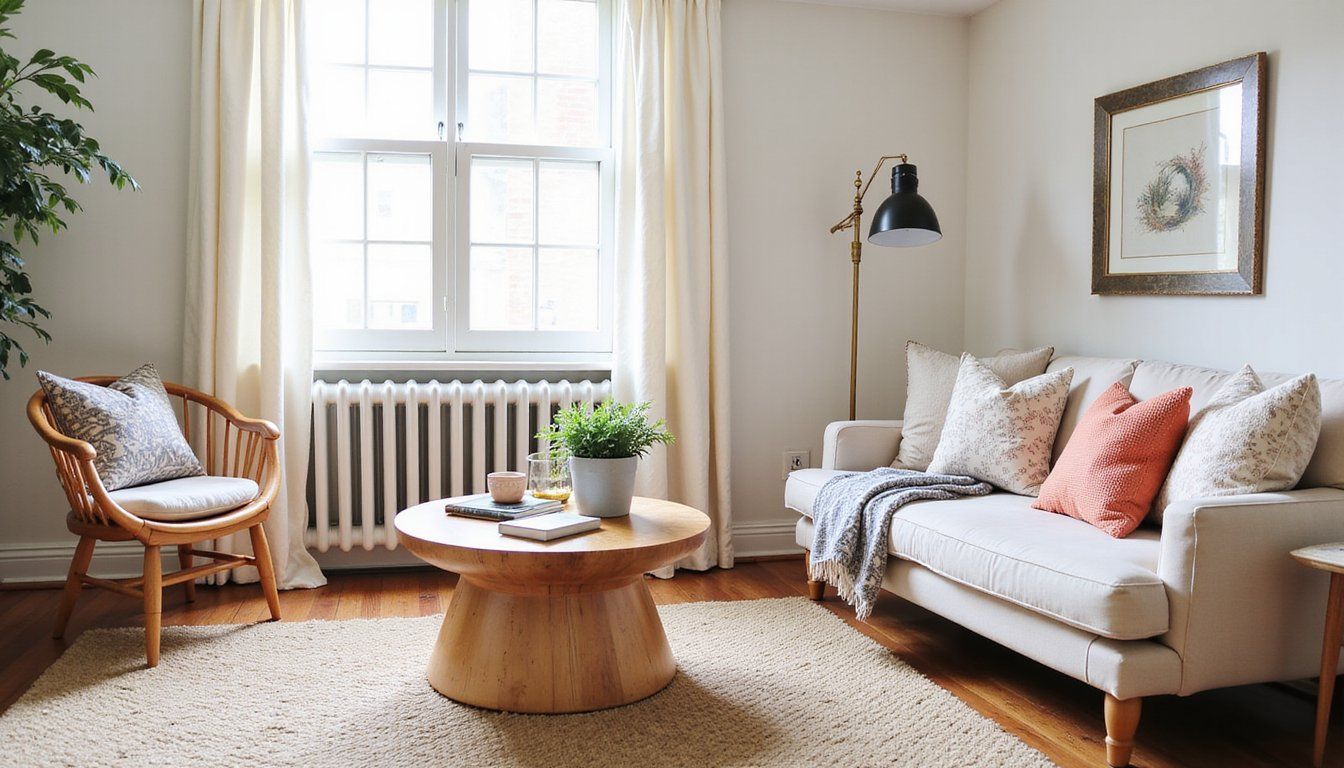
That first cool evening I remember hauling my light throw blankets into the linen closet after a long, bright summer and then standing in my living room wondering how to make the house feel cozy again without a full overhaul, and that small moment was the start of a ritual I now look forward to every year. Small swaps over time taught me that a few thoughtful choices can turn a bright, airy summer room into a warm, welcoming autumn space without a single costly purchase.
The ‘Why’
Shifting the mood of your home matters because our surroundings influence comfort and daily routines, and when the weather turns cooler we naturally crave layers, texture, and warmth in the places we spend the most time. Thoughtful transition keeps the home feeling connected to the season while saving time and money by reusing and rearranging what you already own instead of replacing everything at once.
Overview
This guide walks through how to move from summer brightness to autumn coziness with practical swaps, styling shortcuts, and a plan you can finish in an afternoon or spread over a weekend. Plan with purpose so each change feels intentional and layered rather than rushed, which keeps the look mature and comfortable without losing the freshness you enjoyed all summer.
Tools & Materials
Before you begin gather everything that will make swapping and styling faster so you can work room by room and keep momentum without running back and forth to closets or the store. Little tools like a lint roller, a steamer, and a set of storage bins save time and keep items fresh as you move them in and out of rotation.
- Soft throws in wool, knit, or heavier cotton.
- Layered pillows in warm tones and mixed textures.
- Area rug accents for anchoring furniture and adding warmth underfoot.
- Seasonal stems and wreaths in muted fall hues.
- Scented candles or reed diffusers in cozy fragrances.
- Storage baskets for tucking summer pieces away.
Layering Textiles: Foundation for Cozy
Start with the big fields by changing the largest textiles first—swap lightweight summer quilts and gauzy curtains for heavier throws, lined drapery, and a low-pile rug that brings warmth and muffles sound, which instantly makes a room feel grounded and intimate. Layer strategically by using a neutral base rug and then adding textured blankets and pillows in richer hues, because mixing textures creates depth without needing a lot of new pieces and makes the space feel deliberately seasonal.
Swap curtains with care by choosing lined or heavier fabric that still allows light to filter but keeps drafts at bay, which changes both appearance and comfort without a major redesign. Think seasonally when choosing colors and texture so that curtains act as a backdrop that unifies your autumn accents instead of competing with them.
Refresh Color Palette and Greenery
Shift your palette by bringing in warm neutrals, muted earth tones, and a few deep accents like rust, olive, or charcoal to nod to the season without overwhelming the space, and do so by rotating cushion covers, artwork, and a couple of tabletop pieces. Small changes, big feel can be achieved by swapping one or two dominant colors—such as replacing bright turquoise cushions with warm terracotta—and keeping the rest of the room steady so everything remains balanced.
Replace summer greenery with fall-friendly stems like dried grasses, eucalyptus, or branches with colorful leaves to create an organic, lived-in look that communicates the season subtly and elegantly. Use asymmetry with arrangements to feel collected rather than staged; one tall bundle near a hearth or entry balances a low arrangement on a coffee table and keeps interest around the room.
Lighting and Scent: Setting the Mood
Adjust lighting layers by adding table lamps, candles, and string lights in living areas to create a warm glow that invites relaxation and slow evenings, and position light sources at various heights to avoid a single bright spot. Dimmer control or smart bulbs let you shift from bright task light to soft ambient light with ease, which is especially helpful as daylight shortens and routines shift toward evening comfort.
Introduce seasonal scent in subtle ways by choosing candles, simmer pots, or reed diffusers with notes of cinnamon, cedar, or orange peel that evoke warmth without overpowering the room. Scent memory is powerful for creating atmosphere, so choose one or two scents that pair well with your decor and rotate them through the season to keep the home feeling fresh and inviting.
Small Details That Make a Big Difference
Swap art and small objects by rotating in frames with warmer mats, ceramics in deeper tones, and bowls of natural materials like pinecones or raw nuts that give surfaces seasonal interest without clutter. Curate intentionally so each shelf or tabletop has a focal piece and a supporting object, which keeps the look tidy and purposeful while adding seasonal personality.
Update textiles on chairs by adding slipcovers or woven seat pads in richer textures for dining and occasional seating, which brings continuity across rooms and makes even brief sitting feel more comfortable. Repeat a motif like a warm color or natural fiber across entries, living spaces, and bedrooms to create a cohesive transition through the whole home.
Front Door and Outdoor Transition
Welcome the season by changing the front-door mat, adding a wreath with muted foliage, and placing lanterns or potted mums to make the approach feel intentional and welcoming as the weather cools. Tiered approach to exterior styling keeps the entry balanced: a low planter, a medium lantern, and a single decorative element like a wooden sign or pumpkin cluster work together without overcrowding.
Maintain functionality by keeping weather essentials handy in an entry basket or bench while tucking summer gear into storage so everyday use stays easy and clutter-free. Stay practical with a small umbrella stand and a mat for shoes so the seasonal shift does not create extra daily friction.
Cost vs. Comfort Comparison
Decisions about what to buy should balance cost and the degree of comfort or change you want, and the table below helps identify moves that offer the most warmth for the least spending so you can prioritize. Use the table to decide whether a swap, a small purchase, or repurposing an item gives you the seasonal feel you want.
| Action | Typical Cost | Feel Gained |
|---|---|---|
| Swap lightweight throw for knit throw | Low | High warmth on couch and bed |
| Add lined curtains | Medium | Room anchoring and insulation |
| Invest in area rug | Medium to High | Large shift in texture and comfort |
Room-by-Room Quick Plan
Make a short plan for each room that highlights one big change and two small swaps so the work stays manageable and the results feel unified across the home. Work in order by starting with the room you use most so the changes have immediate benefits for daily life and momentum builds for other rooms.
Living room priorities include layered textiles, warmed lighting, and a focal arrangement on the coffee table to draw the eye, while bedrooms benefit most from heavier bedding, blackout curtains, and bedside lamps for cozy reading corners. Kitchen touches like woven towels, a small runner, and a bowl of seasonal fruit can carry the theme without taking up counter space.
What to Avoid
Common Mistakes
Trying to do everything immediately is one of the biggest missteps because rushing leads to mismatched colors and wasted purchases, and taking time to live with one or two changes lets you see what else is truly needed. Slow layering helps you make confident choices and prevents buyer regret since you can reuse or repurpose items after evaluating how they feel in the space.
Ignoring scale and balance means smaller items can disappear or bigger pieces can overwhelm, so keep proportions in mind when adding rugs, throws, or tall branches and place pieces to create a balanced composition. Step back often while styling so you can adjust groupings and avoid overcrowding any one surface or corner.
Final Styling and Edit
Do a final edit after all swaps are made by photographing the room and editing items out until each vignette reads clearly and calmly, which helps catch clutter and redundancy you might miss in person. Take your time with this step because a pared-down, cohesive scene reads as thoughtful and comfortable rather than busy or haphazard.
Maintain flexibility by storing a few seasonal pieces in easy-to-reach bins so you can rotate accents as you live with the room over weeks and adjust for holidays or gatherings. Label lightly the contents of bins to make seasonal switches easier next year without spending hours searching for what you want.
Quick Refresh Checklist
Use a simple checklist to move through rooms efficiently: textiles, lighting, small decor, greenery, and door/front porch, and tackle one room per day to keep the project fun rather than exhausting. Finish with scent and a final sweep for dust and lint so the home feels polished and welcoming for the season.
Frequently Asked Questions
How much should I change for fall? A few key swaps like heavier throws, a rug, and warmer accents often create the biggest difference without the need to replace major furniture, and focusing on texture and layered light makes the home feel cozy even with minimal new purchases. Prioritize comfort so you get immediate benefit in daily use versus chasing a perfect look that requires many purchases.
Can I keep bright summer colors and still feel autumnal? Yes, by pairing brighter hues with grounding neutrals and a couple of deep accents like rust or olive you can maintain energy while bringing in warmth, which keeps your style consistent across seasons. Balance is key so use color shifts in moderation and repeat a warm tone in two or three places to unify the look.
What if I have limited storage space? Rotate only a few pieces at a time and store the rest in vacuum bins under the bed or on a high shelf, and use multiuse baskets in entryways and closets to keep the transition manageable. Small edits can still create a seasonal feel when they are thoughtfully placed and the room remains decluttered.
