
The Myth
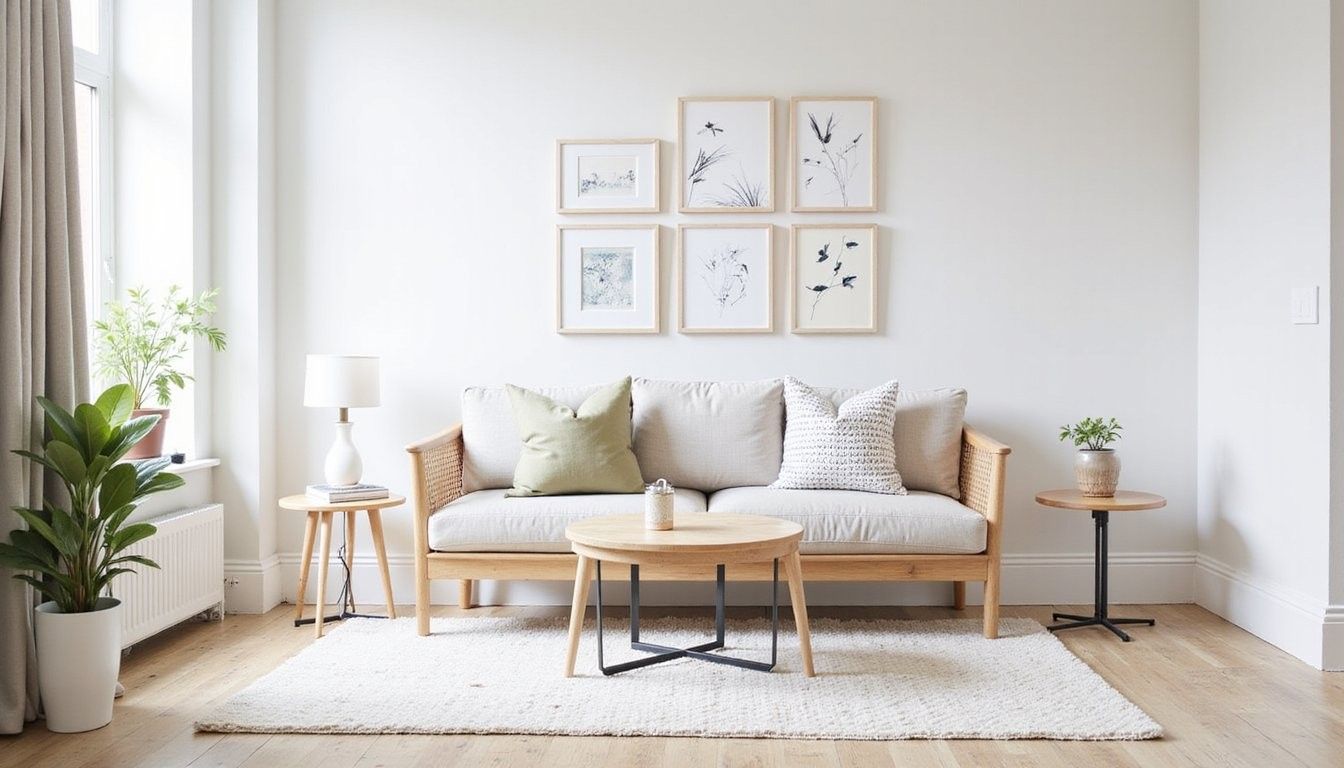
One widespread rule: People are often told that small rooms must be painted stark white and stripped of pattern to feel larger, which can make spaces feel sterile and uninspired.
Why that feels limiting: White can wash out character and ignore opportunities to create depth with smart color choices and layered surfaces that reflect and bounce light in more interesting ways.
The Truth
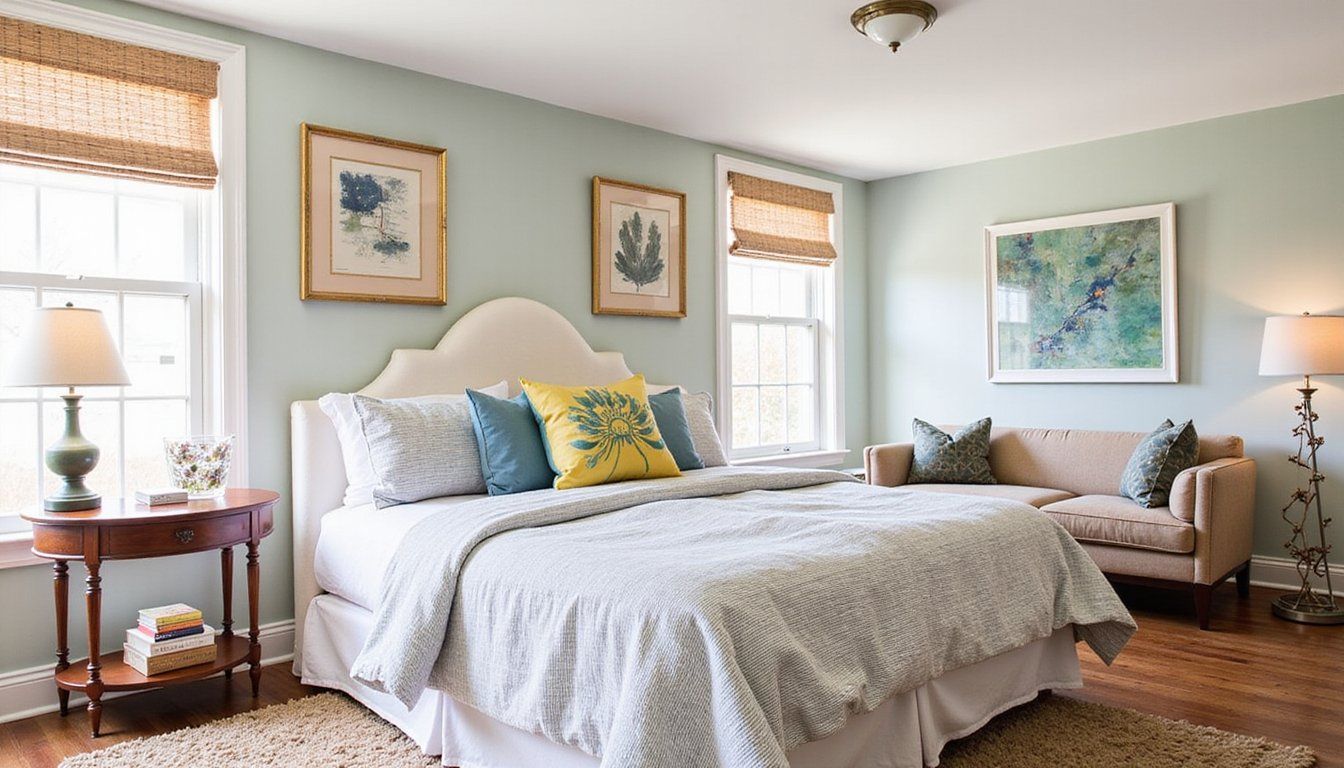
Contrary to the rule: Thoughtful color palettes and deliberate textures can expand a room visually and emotionally, even when square footage is tight.
How that works: Light-reflecting finishes, layered tones, strategic contrasts, and tactile fabrics create perceived depth and scale so a compact room feels open, warm, and intentional rather than empty.
Myth-Buster Box
Reality: Measured use of color, reflective surfaces, and layered texture enhances depth and openness while preserving personality.
Introduction
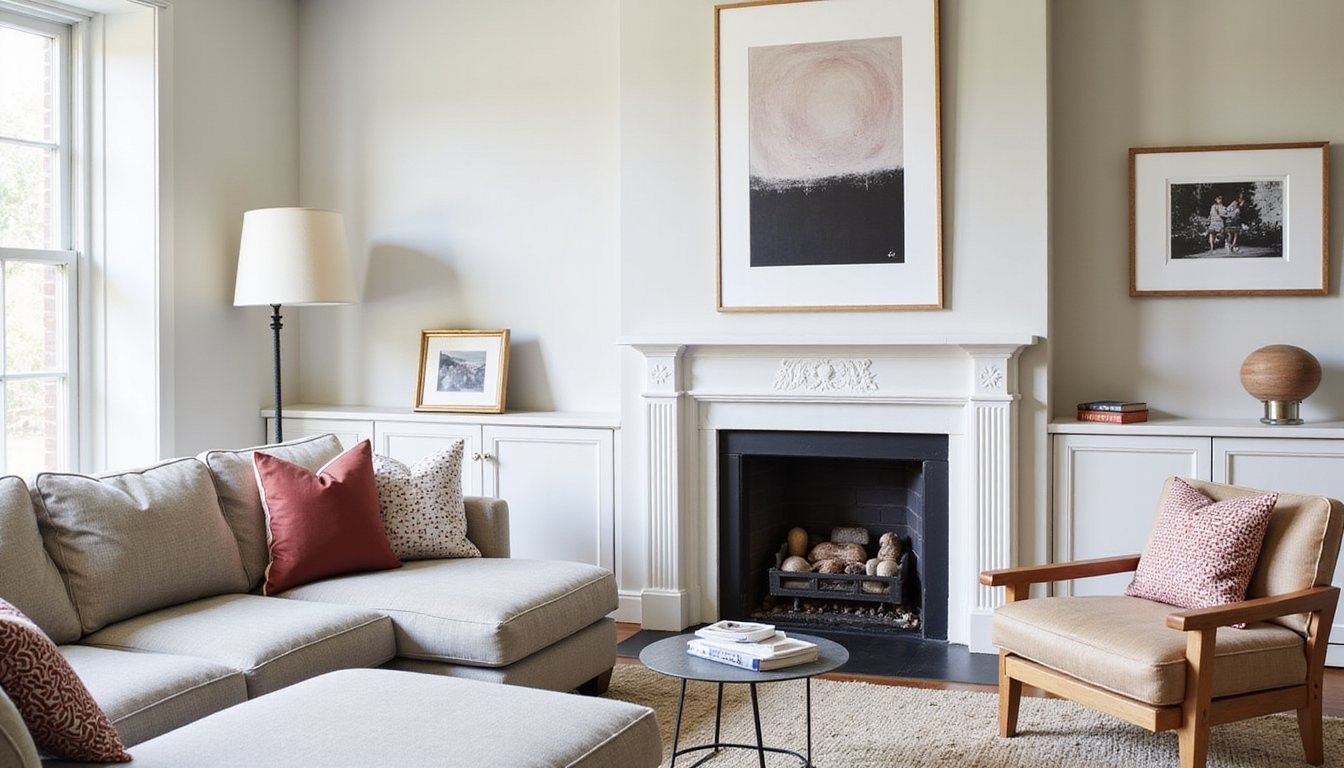
What this guide offers: Practical, design-forward strategies that use color palettes and textures to open up compact rooms while keeping them inviting and livable.
How to use these ideas: Read the material choices and layout suggestions, adapt the palettes and finishes to your light levels, and test small samples before committing to a whole room.
Tools & Materials
- Paint swatches and sample pots: Small cans allow testing on walls and trim to evaluate color with your light at different times of day.
- Fabric samples: Order or cut swatches in upholstery weight, linen, wool, and velvet to see how textures read from a short distance.
- Reflective surface samples: Small mirrors, metallic finishes, and glossy tile pieces help you judge sparkle and bounce.
- Lighting samples: Bulbs in different color temperatures and portable lamps show how hue shifts with warm or cool light.
- Rulers and clear tape: For mapping furniture scale and testing stripe or block patterns on walls without commitment.
Color Foundations for Small Rooms

Start with a dominant tone: Choose a primary palette that reads across surfaces so your eye can travel without interruption, which visually stretches the room.
Use anchor colors: A mid-tone on one wall or large piece of furniture can provide contrast without chopping the space, and pairing it with lighter surrounding tones keeps the overall feeling open.
Employ a triad: Select three related colors—one dominant, one supporting, and one accent—to create a coherent depth that prevents the space from feeling flat or one-note.
Test under natural and artificial light: Colors shift between sunlit and lamp-lit conditions, so viewing samples at night and day prevents surprises and helps you pick hues that read as intended.
Color Palette Data Table
Quick palette comparison: Use this table to weigh visual impact, warmth, and adaptability when selecting a direction for a compact room.
| Palette Type | Visual Effect | Best For |
|---|---|---|
| Light Monochrome | Airy and seamless | North-facing rooms with limited sun |
| Soft Contrast | Adds depth without drama | Rooms with balanced light |
| Warm Accent Pop | Inviting and focused | Kitchens and living spaces |
Light and Reflective Surfaces
Maximize natural light: Keep window treatments lightweight and high, and place reflective surfaces where they can bounce daylight deeper into the room to create perceived width.
Choose finishes with intent: Satin or eggshell paint and polished stone or glass highlights add gentle reflection without the glare that can make texture disappear.
Mirrors are strategic tools: A well-placed mirror opposite a window doubles the visual field and brightens corners that might otherwise recede into shadow.
Layer light sources: Combine overhead, task, and ambient lighting so surfaces reveal texture and color at all hours, preventing a flat, two-dimensional look after sunset.
A Small Boolean Guide
Simple suitability check: This table helps you decide whether a finish is practical for your compact room when you need to balance reflection and texture.
| Finish | Brightens Space | Shows Texture |
|---|---|---|
| High Gloss | True | False |
| Satin | True | True |
| Matte | False | True |
Textures and Layering
Introduce tactile contrast: Mix smooth surfaces with textured textiles like woven rugs, boucle cushions, and linen curtains to add depth without consuming space.
Scale textures mindfully: Use small-scale patterns and fine weaves so texture reads from a distance and doesn’t overwhelm the eye in a compact footprint.
Create foreground and background: Place a low-pile rug under furniture with layered throws and pillows above to establish planes that the eye interprets as spatial hierarchy.
Keep the palette linked: Let textures vary inside a consistent tonal family so variety feels curated rather than chaotic, which helps the room read larger and calmer.
Pro Tip (Beige)
Furniture, Layout & Multi-Use Pieces
Choose pieces that breathe: Low-profile furniture with exposed legs lets sightlines pass, which creates a feeling of space between objects and walls.
Scale for circulation: Opt for narrow sofas and round tables where possible to allow movement and prevent the room from feeling jammed by large silhouettes.
Embrace multifunction: Use nesting tables, ottomans with storage, and fold-out desks so each piece performs more than one role without cluttering the floor plan.
Float key pieces: Pull furniture slightly away from walls when the room allows, creating air behind pieces that gives the illusion of depth and reduces the boxy feel.
Pro vs Con Comparison Table
Weigh design choices: This table contrasts typical small-space strategies so you can pick the approach that fits your lifestyle and light.
| Strategy | Pros | Cons |
|---|---|---|
| All-white scheme | Feels clean; reflects light | Can feel flat and cold |
| Layered neutrals | Adds warmth and depth | Requires careful tonal matching |
| Bold accent wall | Creates focus and scale | May visually shorten a room if overused |
Anchoring and Focal Points
Create a visual anchor: A rug, light fixture, or piece of art can organize the room so elements read as part of a whole rather than competing fragments, which aids perceived size.
Keep anchors proportionate: Select an anchor large enough to be clearly present but not so big that it dominates and reduces perceived breathing room around it.
Using Pattern Without Overwhelming
Scale down patterns: Small-scale florals, thin stripes, or micro-geometric prints add rhythm without cutting the room into confusing segments that make space feel smaller.
Limit strong contrasts: Use patterns in a restrained way—on cushions, a single chair, or a runner—so the eye has places to rest and the room maintains a sense of flow.
Pro Tip (Aqua 1)
Rugs and Flooring Choices
Define areas with rugs: Rugs help delineate function in open-plan small spaces and lead the eye across the room in a purposeful way that enhances perceived breadth.
Keep tones cohesive: Flooring that harmonizes with wall and furniture tones avoids abrupt visual breaks that can fragment the space and make it feel smaller.
What to Avoid
Small Details That Make a Big Difference
Trim and moulding tips: Painting trim the same color as walls or in a slightly lighter shade creates uninterrupted planes that enlarge the appearance of walls and ceilings.
Hardware and fixtures: Slimline hardware and minimalistic switch plates reduce visual noise so the eye perceives continuous surfaces rather than tiny interruptions that shrink the space.
Storage That Feels Invisible
Make storage part of the architecture: Built-ins, under-bed drawers, and shallow wall cabinets that match wall tones disappear visually and free floor space for movement and light flow.
Choose closed storage for calm: Closed units consolidate visual clutter and let textured accents stand out without competing with scattered objects, which helps a small room breathe.
Blockquote
A simple reminder: Small rooms gain the illusion of space when design elements encourage the eye to move freely from one surface to another without abrupt stops.
Lighting Layer Checklist
Layered lighting is non-negotiable: Overhead ambient, focused task lamps, and low-level accent lighting together reveal texture, sculpt objects, and avoid flattening a compact room into darkness or glare.
Adjustable options win: Dimmers and directional lamps let you tune light intensity and warmth so colors and surfaces read beautifully at every hour.
Maintenance and Longevity
Pick durable textures in high-traffic areas: Low-pile rugs, stain-resistant upholstery, and wipeable paint finishes keep a small room usable and attractive over time without frequent replacement.
Rotate soft furnishings seasonally: Swapping pillows and throws refreshes the palette affordably and reveals how different textures interact with your permanent finishes, guiding future updates.
Common Mistakes
Final Styling and Editing
Less is more, edited well: After placing your major pieces, step back and edit accessories so each item contributes to texture or color story rather than cluttering visual pathways.
Maintain negative space: Leaving intentional breathing room around focal pieces amplifies their effect and supports a calmer, more expansive perception in a tight footprint.
Pro Tip (Aqua 2)
Frequently Asked Questions
Can I use dark colors in a small room? Yes; dark tones can create depth and cozy drama when balanced with lighter adjacent surfaces and reflective elements to prevent absorption of light.
Will patterns make my room feel smaller? Small-scale and tonal patterns add interest without chopping the space, whereas large high-contrast prints can visually compress a room if used excessively.
How do I choose textures for a low-light room? Opt for textures that catch subtle light—satin paints, velvet accents, and lustrous ceramics—and avoid matte-only schemes that absorb the already limited light.
Is too much matching bad for a small space? Matching creates smooth visual flow, but you should introduce contrast in texture or a single accent color so the room reads as intentional instead of monotonous.
