
The Struggle
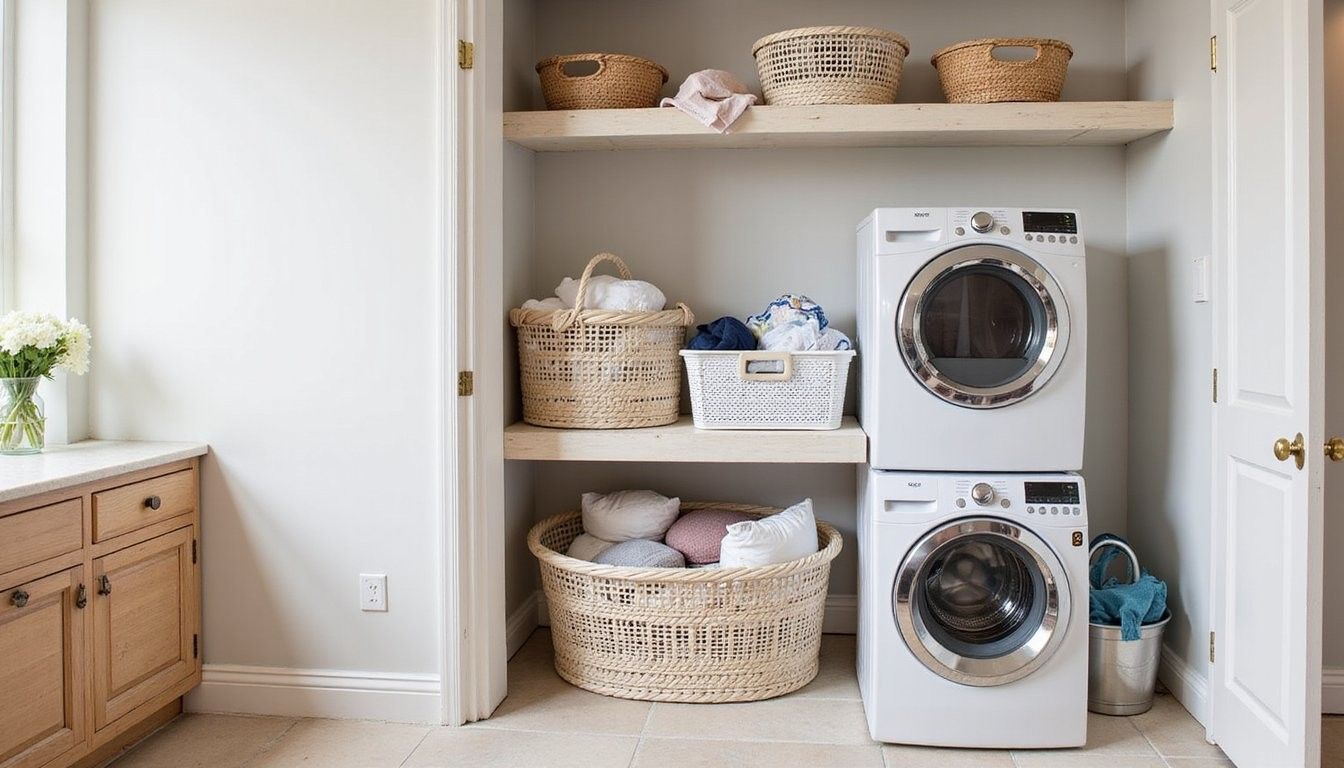
Cluttered laundry corners drain energy. Small alcoves that double as laundry zones often collect baskets, loose detergents, and half-sorted piles until the space feels chaotic.
The Quick Fix
Focus on vertical storage and clearly defined zones. Install wall-mounted shelves, use slim rolling hampers, and create a simple workflow of sort, wash, dry, and fold to reclaim the area.
Small changes make the room feel larger. Swapping bulky furniture for slender organizers and adding hooks or a fold-down table brings back usable floor space and calms the visual clutter.
Introduction
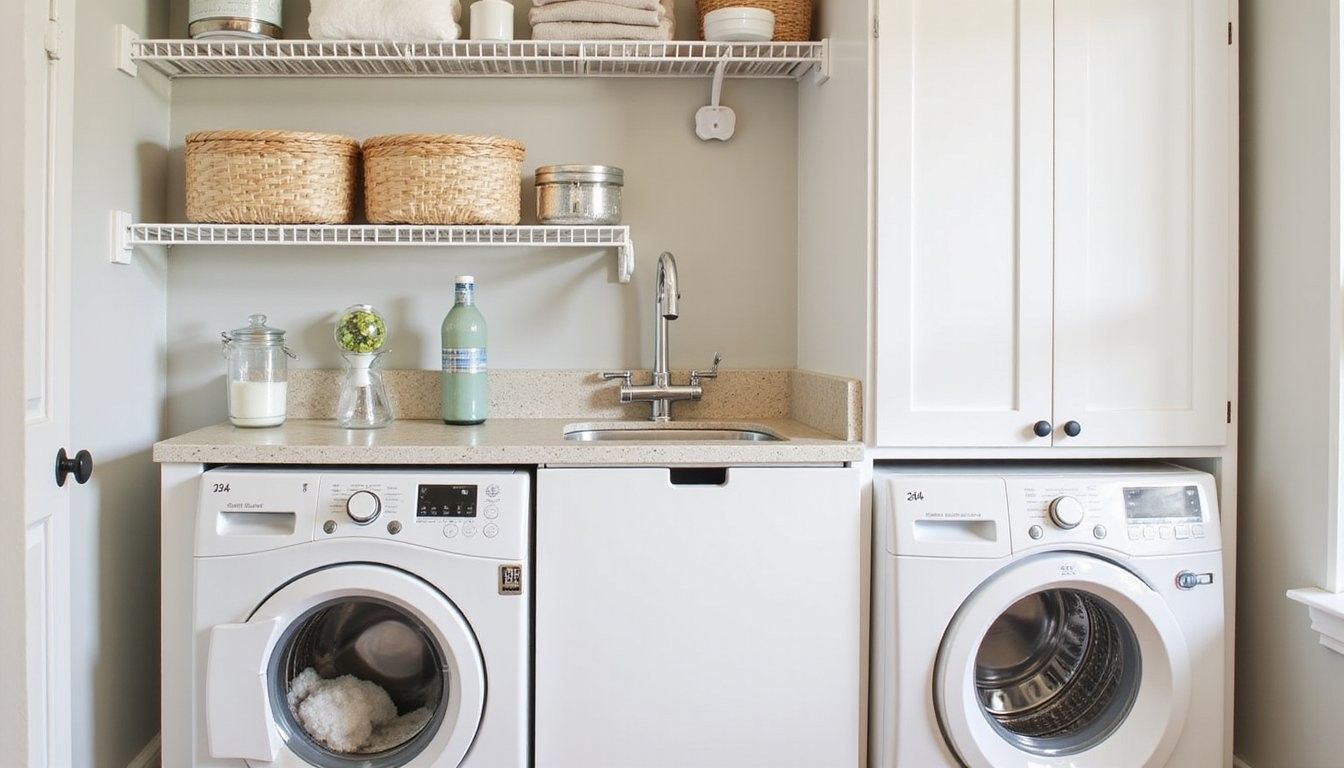
A tidy laundry space saves time and lifts mood. When the layout is thoughtful and storage is targeted, tasks happen faster and the corner becomes a pleasant part of the home rather than a chore cave.
Turning a cramped area into an efficient laundry room is about planning, not renovation. Thoughtful organization gives you more function without sacrificing style.
Small spaces reward smart solutions. You can achieve a serene, productive laundry corner by pairing a few clever products with a repeatable system that fits your daily rhythm.
Tools & Materials
Gather these basics before you start. Having the right items on hand saves decision fatigue and keeps the project focused.
- Slim rolling hamper for sorting laundry without blocking pathways.
- Wall-mounted shelving to use vertical space above machines.
- Over-the-door or wall hooks for delicates, bags, and drying racks.
- Stacking kit or pedestal if the machines support stacking to free floor area.
- Fold-down shelf or small table to create a folding surface that tucks away.
- Clear containers with lids for bulk detergents and pods to keep things neat and dust-free.
- Labels and slim baskets to keep small items organized and easy to find.
Maximizing Vertical Space
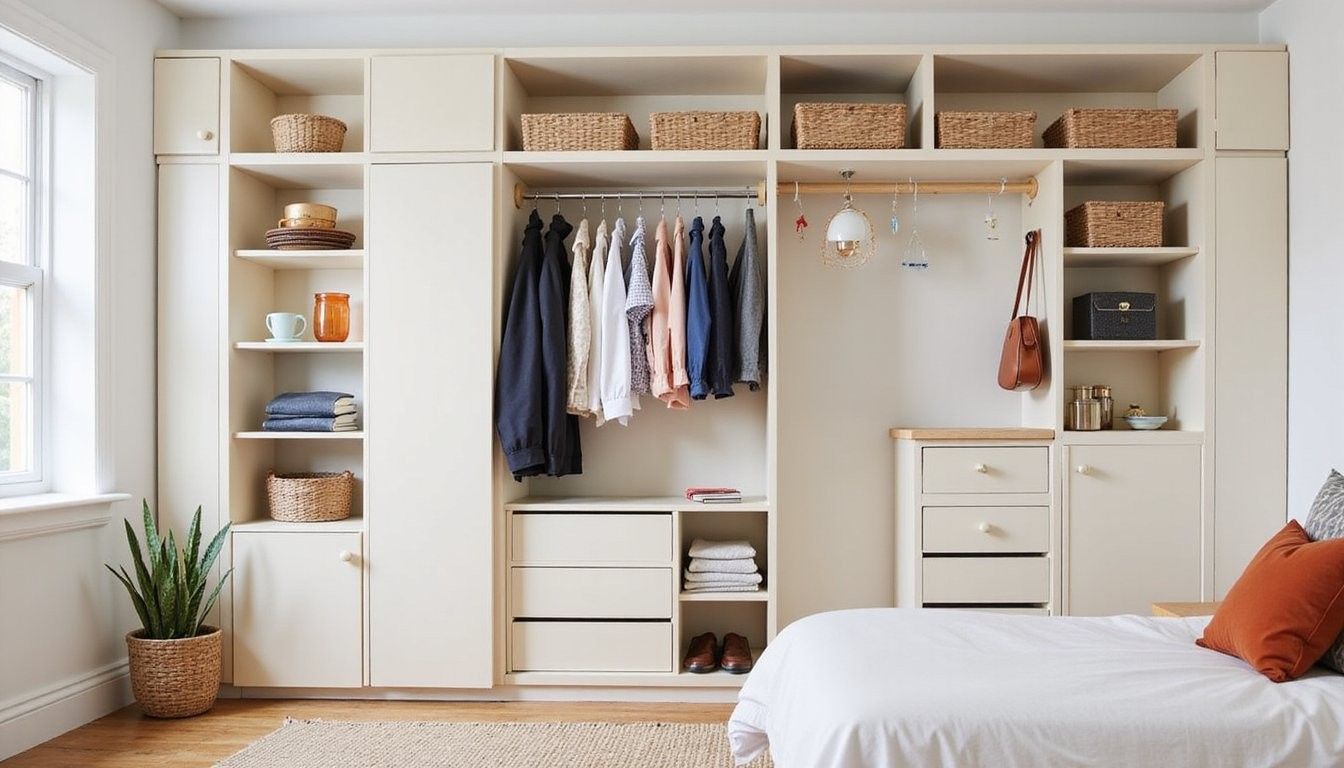
Think up instead of out to reclaim floor area. When floor square footage is limited, shelves, cabinets, and hanging rods convert empty wall height into usable storage while keeping the footprint small.
Open shelving feels lighter than closed cabinets. Displaying baskets and labeled containers on shelves makes it easy to see supplies and keeps frequently used items within reach without heavy doors that eat space.
Install a rod or retractable clothesline above machines. This creates a dedicated drip-dry zone for delicates and small items while remaining invisible when not in use, so the room stays tidy.
Use top-of-machine trays to corral essentials. Narrow trays keep bottles and small bins organized without sliding off and create a mini counter for temporary placement when loading machines.
Smart Storage Solutions
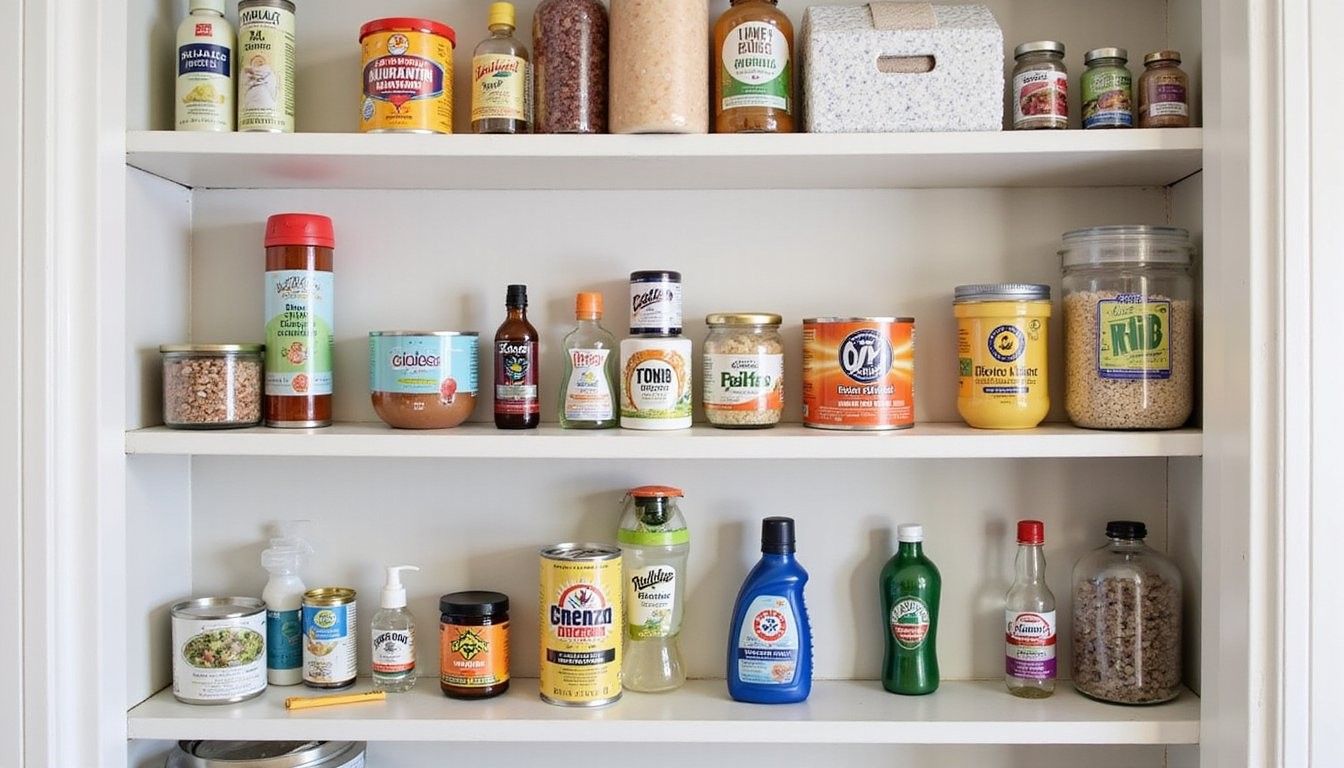
Choose storage by function and frequency of use. Keep daily items like detergent on easy-to-reach shelves while storing bulk or seasonal items higher up or in another closet to reduce visual clutter.
Slim pull-out towers fit beside machines or in tiny gaps. These narrow units are perfect for bottles, dryer sheets, and tools, offering many vertical inches of organized storage in a footprint that would otherwise be wasted.
| Storage Type | Best For | Estimated Cost |
|---|---|---|
| Open wall shelves | Everyday supplies | $30–$150 |
| Slim pull-out tower | Bottles & tools | $40–$120 |
| Over-the-door organizer | Small items & accessories | $15–$50 |
Transparent containers speed identification and reduce waste. Clear bins show when you are low on pods or stain remover and help you keep like items grouped, which shortens the time spent hunting for essentials.
Folding, Sorting & Workflow
Create a simple process and place for each task. A repeatable workflow—sort, treat stains, wash, dry, fold—reduces decision points and keeps baskets moving rather than piling up in corners.
Install a fold-down shelf to add workspace that disappears when not needed. This gives you a proper surface for folding without sacrificing circulation space and tucks away when the room needs to serve another function.
Use slim, labeled hampers for color-coded sorting. Keeping separate containers for lights, darks, and delicates speeds laundry decisions and keeps the system clear for everyone in the household.
| Workflow Step | Tip | Time Saved |
|---|---|---|
| Sorting | Pre-sort in baskets | 5–10 min/load |
| Folding | Fold at machine | 10–15 min/load |
| Storing | Assign a shelf per family member | Varies |
Appliances & Layout
Pick appliances that match the space and your habits. Compact or stackable units free up floor area and allow room for storage or a folding surface where a full-size side-by-side set would block movement.
| Option | Best For | Space Notes |
|---|---|---|
| Stacked washer/dryer | Tight closets and narrow rooms | Save up to 7 sq ft |
| All-in-one washer-dryer | Laundry in apartments or one-person households | Space efficient but slower cycles |
| Stacking kit for front-loaders | Convert side-by-side to stacked | Requires professional fit for some models |
Consider clearances and door swings before you buy. A machine that fits on paper may still block a hallway if the door swing conflicts with traffic, so measure carefully and mock up the layout with tape on the floor.
Small comforts make chores nicer without extra space. A single under-cabinet light, a hook for an apron, or a small plant makes the room feel intentional and inviting while preserving function.
What to Avoid
Resist the urge to buy every gadget sold for small spaces. Overfilling a compact room creates visual noise and reduces the efficiency you were trying to achieve, so choose multipurpose items and edit ruthlessly.
Avoid deep, dark shelving that becomes a black hole. Deep cabinets may swallow items and encourage forgetfulness, so prefer shallow, clearly organized solutions where contents stay visible.
Frequently Asked Questions
How can I make a laundry nook feel less cramped? Try vertical storage and a slim folding surface. Use shelves, hooks, and a fold-down table to keep the floor open and create zones that each serve a single purpose.
Is a stackable washer and dryer a good idea for a small apartment? Often yes, if your machines are compatible and ventilation is correct. Stacking frees up floor area for storage or a hamper but requires measuring and sometimes a stacking kit for a safe fit.
What are budget-friendly organizational upgrades? Install hooks, add clear containers, and use slim hampers. These options are inexpensive, fast to implement, and make a noticeable difference in order and efficiency.
How do I keep kids and partners using the system? Make the process visible and simple. Use clear containers or color-coded hampers and post a short routine near the room so everyone follows the same steps.
Can I add a folding surface without a remodel? Yes, with a wall-mounted fold-down shelf or a narrow cart. These choices provide temporary workspace that can be tucked away, keeping circulation open while offering practical function.
