
Hook & TL;DR
Fast transformation can come from small, deliberate choices that free floor space, speed up mornings, and make your clothing last longer by reducing overcrowding and wrinkling.
Key Takeaways
- Start with an edit to remove what you don’t wear.
- Choose hangers wisely to reclaim rod space and protect fabrics.
- Use vertical shelving to lift items off the floor and add visibility.
- Sort with bins to keep categories tidy and grab-and-go ready.
- Measure first to avoid wasted purchases and awkward fits.
Overview
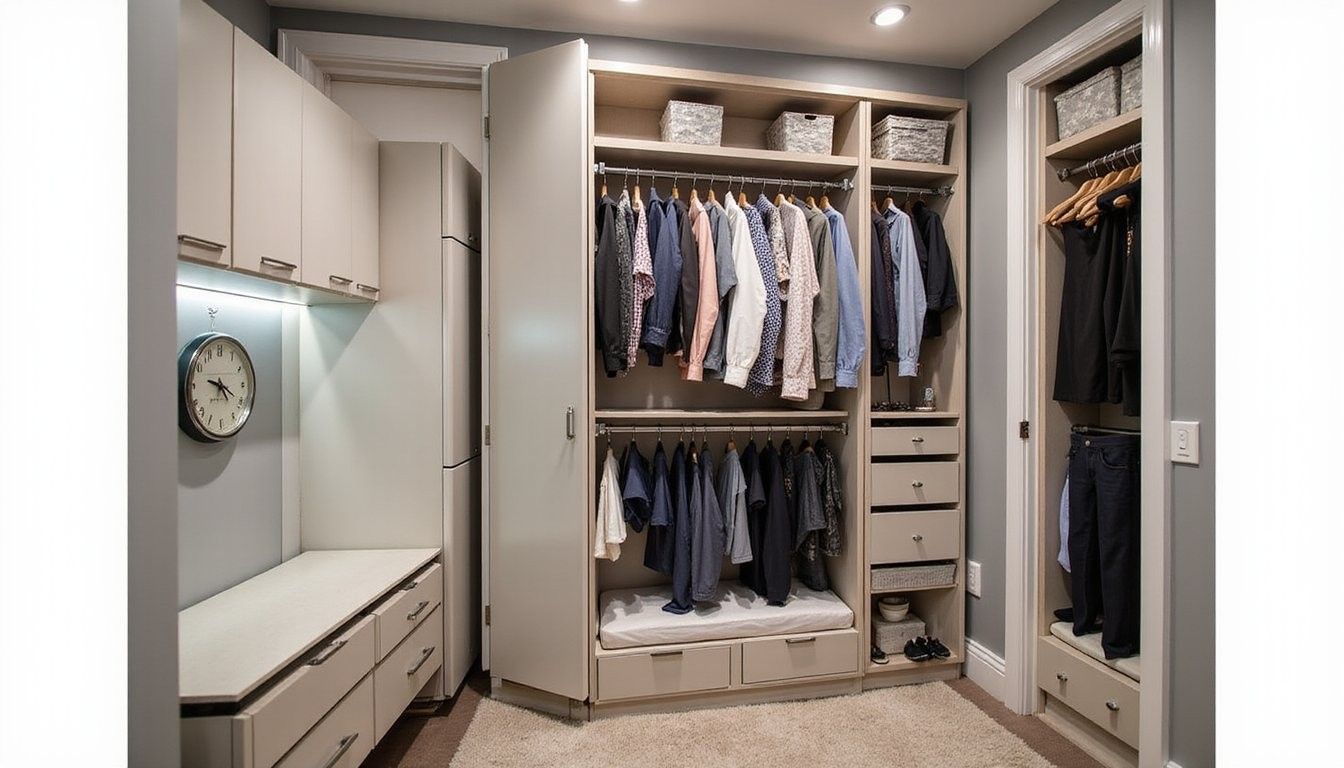
Small-space wins begin with an honest look at what you own and how you get dressed each day, because many storage solutions fail when they don’t match real routines and garment types.
Plan before you buy by measuring depth, height, and door clearance so that every hanger, shelf, or basket actually fits and does not fight the hardware or layout.
Tools & Materials
Gather essentials such as a tape measure, a step stool, sturdy hangers, slimline hangers for space savings, shelf brackets, stackable bins, non-slip shelf liners, and a soft brush to clean dust before installing new storage so everything fits cleanly and lasts longer.
- Tape measure and pencil
- Step stool or small ladder
- Slimlined non-slip hangers (velvet or thin wood)
- Multi-tier hangers and cascading hooks
- Adjustable shelving units or stackable cubes
- Clear and opaque bins with lids
- Drawer dividers and shelf liners
- Screwdriver/drill and wall anchors
Wardrobe Edit
Clear out first by taking everything out and grouping items by type so you can see duplicates, items that no longer fit, and pieces you never reach for, which quickly reveals how much real storage you need.
Decision rules such as keeping items you wore in the past year, items that fit your current lifestyle, and pieces that coordinate with multiple outfits simplify choices and make the resulting system sustainable.
Hanger Strategies
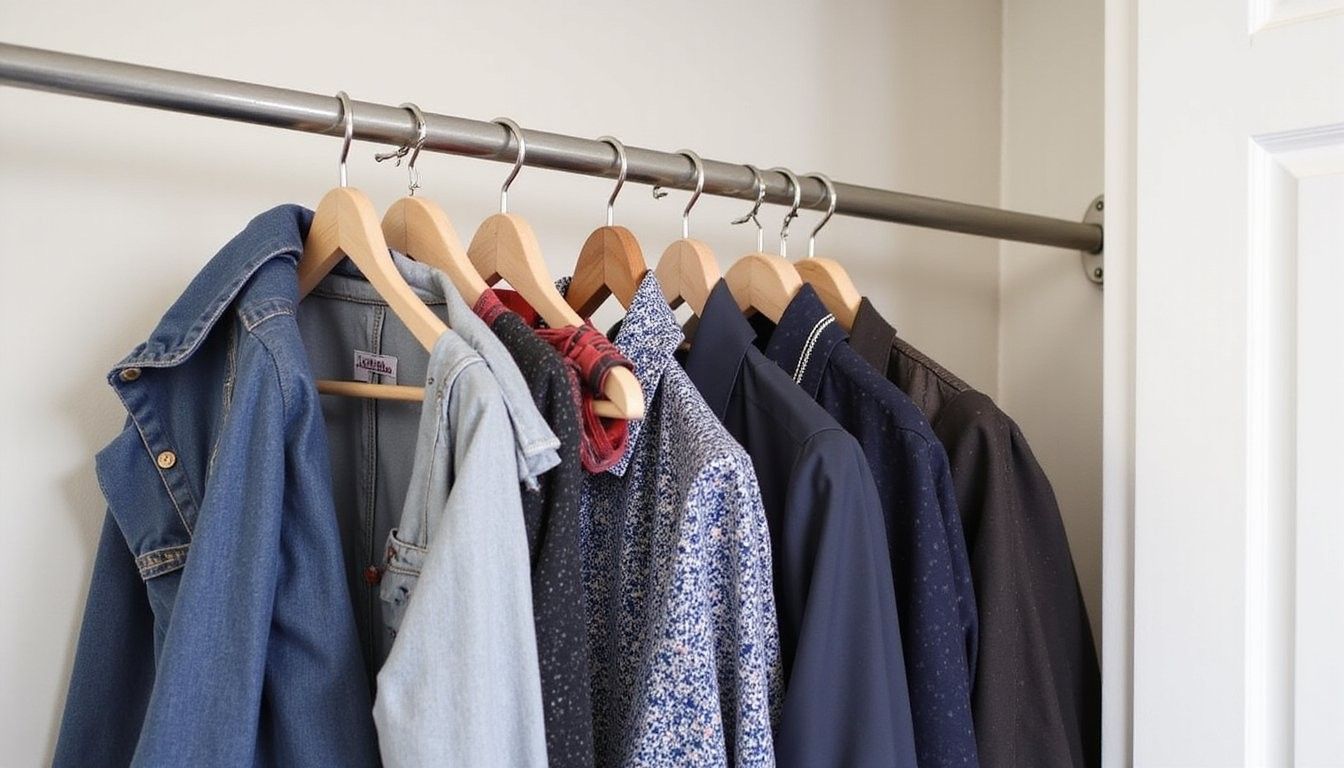
Pick the right profile by swapping bulky wire and plastic hangers for slimline velvet or thin wooden hangers to gain several inches of rod space per row while preventing slippage and shoulder bumps on garments.
Use multi-level options such as tiered hangers for pants and cascading hooks for shirts to multiply hanging capacity without cluttering sightlines or crushing clothes, preserving airflow and visibility.
Separate by frequency so you can place everyday outfits at eye level and seasonal or special-occasion items higher up, which reduces decision time and keeps frequently used pieces easy to reach.
| Hanger Type | Space Impact | Best For |
|---|---|---|
| Velvet slimline | High | Blouses, lightweight dresses |
| Wood with contoured shoulders | Medium | Coats, structured pieces |
| Multi-tier pant hanger | Very high | Pants, skirts |
Shelves and Vertical Storage
Think upward by installing adjustable shelves or cube units that take advantage of the full wall height so shoes, folded sweaters, and storage boxes are lifted off the floor and easier to see, which reduces clutter and makes cleaning simple.
Layer smartly by placing less-used items on higher shelves and stacking like items with clear containers on mid-level shelves for quick recognition, which keeps daily routines streamlined and minimizes time hunting for pieces.
Maximize narrow spaces with mountable slim shelves, thin shoe racks, or hanging fabric shelves that fit in shallow depths and make good use of side walls behind the door or between studs.
Bins and Drawer Systems
Use clear or labeled bins for out-of-season garments, scarves, and small accessories so that items are protected from dust and are easy to spot at a glance, speeding outfit prep and keeping the closet tidy.
Pick stackable solutions with uniform widths so they can act like drawers on open shelves and avoid wasted depth; choose hinged lids or front access depending on whether the bin will sit high or at eye level for best ergonomics.
Soft dividers inside drawers and boxes keep small things from rolling together and save time matching pairs or locating belts and jewelry during a rush, which makes daily routines calmer.
Small Fixtures and Accessories
Install hooks and rods on the closet side walls or door to hold belts, bags, or a daily outfit so you free up shelf space and keep frequently used items visible and ready to grab.
Consider pull-out options such as slide-out rods for quick access to a small number of outfits, which mimic boutique displays and minimize the need to rummage through crowded sections.
Choose slim lighting like LED strips that attach to shelves or the door jamb to brighten dark corners and reveal colors correctly so selection happens faster and garments are less likely to be accidentally overlooked.
Space, Cost and Impact Comparison
Measure return on any purchase by comparing how much space a solution saves versus its cost so you avoid buying low-impact items that fit your style less than they solve your storage needs.
| Solution | Approx Cost | Space Saved | User Impact |
|---|---|---|---|
| Slimline hangers (set) | $15–$40 | High | Immediate ease of use |
| Adjustable shelving | $40–$200 | Very high | Long-term organization |
| Stackable bins | $10–$60 | Medium | Seasonal rotation help |
Quick Organization Checks
Do a monthly sweep where you scan the closet for items that crept back into circulation and return them to their proper bin or donate pile, which keeps space from eroding over time and keeps habits tidy.
Adjust as life changes by rotating shelf heights and swapping out bins when your wardrobe or storage profile shifts, because a flexible setup lasts longer and avoids the need for full reworks.
Quick rule: If you haven’t worn it in a year, place it in a donate pile rather than letting it occupy prime space.
Storage Data Snapshot
Practical metrics help prioritize purchases by showing typical storage yields so you know whether to invest in shelving, hangers, or bins first based on measurable gains rather than marketing claims.
| Item | Average Capacity per linear foot | Typical Lifespan |
|---|---|---|
| Slimline hangers | 10–12 garments | 3–5 years |
| Adjustable shelving | Depends on layout; adds 20–50% usable space | 5–15 years |
| Stackable clear bins | Varies by size; 2–4 bins per shelf | 2–8 years |
Simple Trade-offs
Balance cost with flexibility by asking whether you want a long-term built-in solution or a renter-friendly approach that can be removed quickly; the former costs more but can change the closet permanently, while the latter gives mobility.
| Option | Pros | Cons |
|---|---|---|
| Built-in shelving | Durable, custom fit | Higher upfront cost |
| Freestanding units | Renters friendly, flexible | May be less stable |
Common Mistakes
Overbuying gear without a layout plan causes crowded corners and duplicate purchases, so map shelf heights and rod locations first to ensure each new piece earns its keep.
Ignoring access leads to forgotten items tucked in awkward corners; always plan for the most-used pieces to sit at reachable heights and avoid hidden deep bins for daily wear.
Maintenance Routine
Weekly tidy takes five minutes: straighten hangers, re-fold any slips, and return stray items to their bin so the system stays useful and does not decay into chaos.
Seasonal refresh where you rotate garments, launder or lightly air clothes before storing them, and inspect bins for dust or pests keeps fabrics fresh and saves long-term wear.
Small Closet Boolean Checklist
Quick readiness checks tell you whether your closet setup covers the essentials for daily ease and long-term health of garments, and a simple true/false list helps prioritize upgrades.
| Item | Yes / No |
|---|---|
| Measured rod and depth | Yes |
| Uniform hangers | No |
| Adequate lighting | No |
Pro Installation Notes
Wall anchors matter when installing shelves or rods to hold heavy items because proper anchors prevent sagging and keep your setup safe over time, particularly in plaster or drywall situations.
Leveling is quick with a small spirit level or a smartphone app to guarantee shelves sit flat and stacked bins don’t creep forward during use, which preserves a tidy aesthetic and function.
Styling for Calm
Color and material choices affect perception of space; choosing a neutral palette for the majority of storage containers and using a single accent color for labels or a standout bin creates a calm, roomy impression in a small envelope closet.
Texture adds warmth with woven baskets or fabric bins that soften the look and can be placed where they are seen, while clear plastic works best for quick visibility on deeper shelves.
When to Upgrade
Signs to replace include warped shelving, sagging rods, or chronic overflow; when quick fixes stop working, a more complete rework or professional closet system will be the better investment for daily ease.
Budget framing helps decide whether to buy higher quality hangers and shelving now or spread cost over time by prioritizing the most impactful purchase first, such as hangers or a single adjustable shelf section.
FAQ
How many hangers do I need? A simple way to estimate is to count current garments you use weekly and add 20% for rotation and cleaning; buying a matching set for the in-use portion of your wardrobe creates visual order and saves space compared with mixed hanger sizes.
Can I install shelving without drilling? Yes, choose freestanding adjustable units or tension rod systems and stackable cubes that fit snugly; these renters-friendly options provide storage without permanent fixtures and still increase useful space.
What size bins work best? Choose bins that match shelf depth and allow access from the front, with lids if you store seasonally, and pick a mixture of clear and opaque depending on whether visibility or aesthetics is the priority for that shelf.
How do I keep shoes tidy? Store shoes on angled slim racks, clear stackable boxes, or top-to-toe shelving so pairs are visible and airflow reduces odor, and consider a rotating shoe tray for frequent rotation to keep the floor clear.
