
Hook & TL;DR
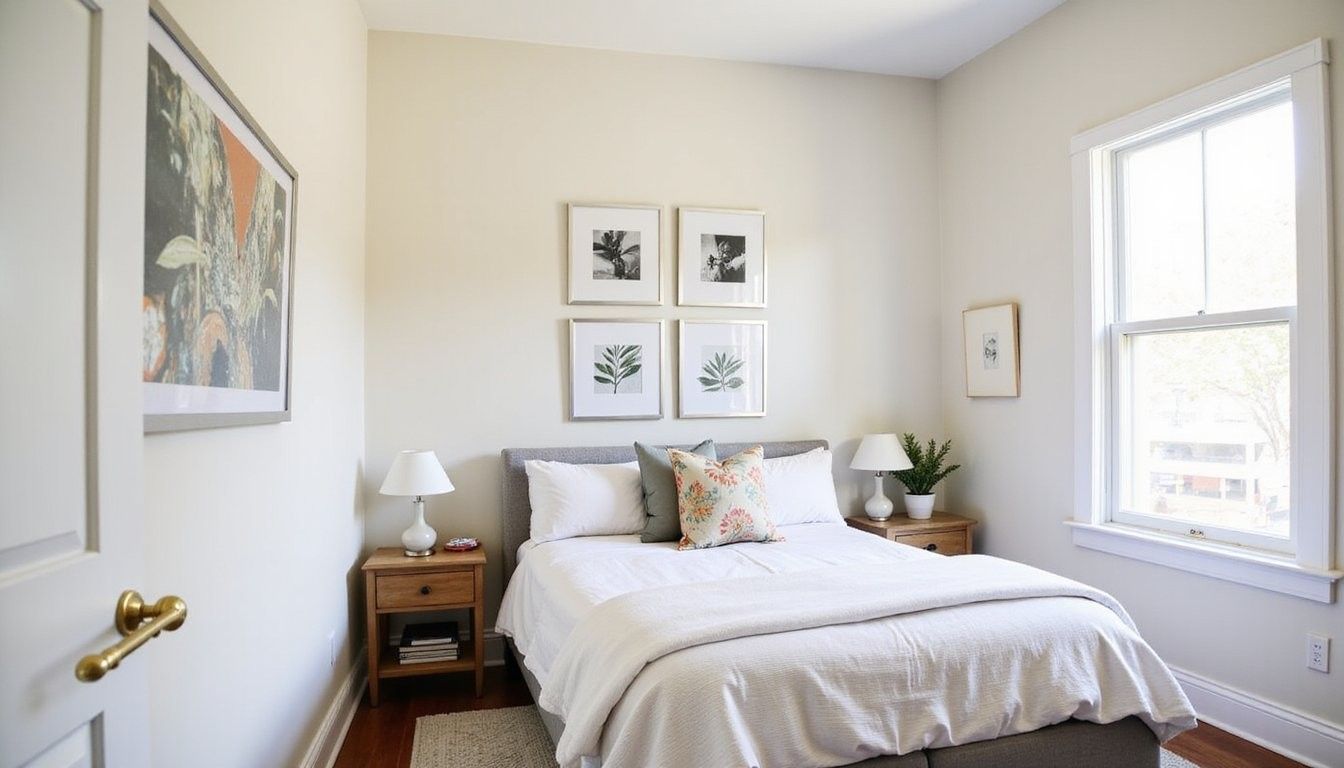
Make tight quarters feel calm: A small bedroom can become a restful, organized haven with a few thoughtful layout moves and storage choices that prioritize sleep space and clear circulation.
Key Takeaways
- Prioritize bed placement to keep pathways open.
- Choose storage that doubles as furniture to save floor area.
- Use vertical surfaces to reclaim floor space.
- Keep a clear bedtime zone for better rest.
- Layer lighting and soft textiles to create a cozy, roomy feel.
Overview
Think like a planner: Working within a compact bedroom means arranging pieces so each item earns its place, which keeps the sleeping area uncluttered and restful while still supporting daily routines.
Small choices add up: A few focused changes to layout and storage selection can expand usable floor area and create clearer sightlines, helping the room feel larger and more peaceful for sleep.
Tools & Materials

Gather before you start: Measuring tools and basic supplies make planning more accurate and installation smoother, which saves time and avoids costly mistakes.
- Tape measure and paper for sketching a floor plan
- Painter’s tape to mark furniture placement on the floor
- Storage containers and underbed drawers sized to your bed frame
- Wall anchors for shelving and floating bedside surfaces
- Multi-tool or screwdriver set for assembly
- Soft textiles like a duvet, throw, and rug for layering
Layout Basics
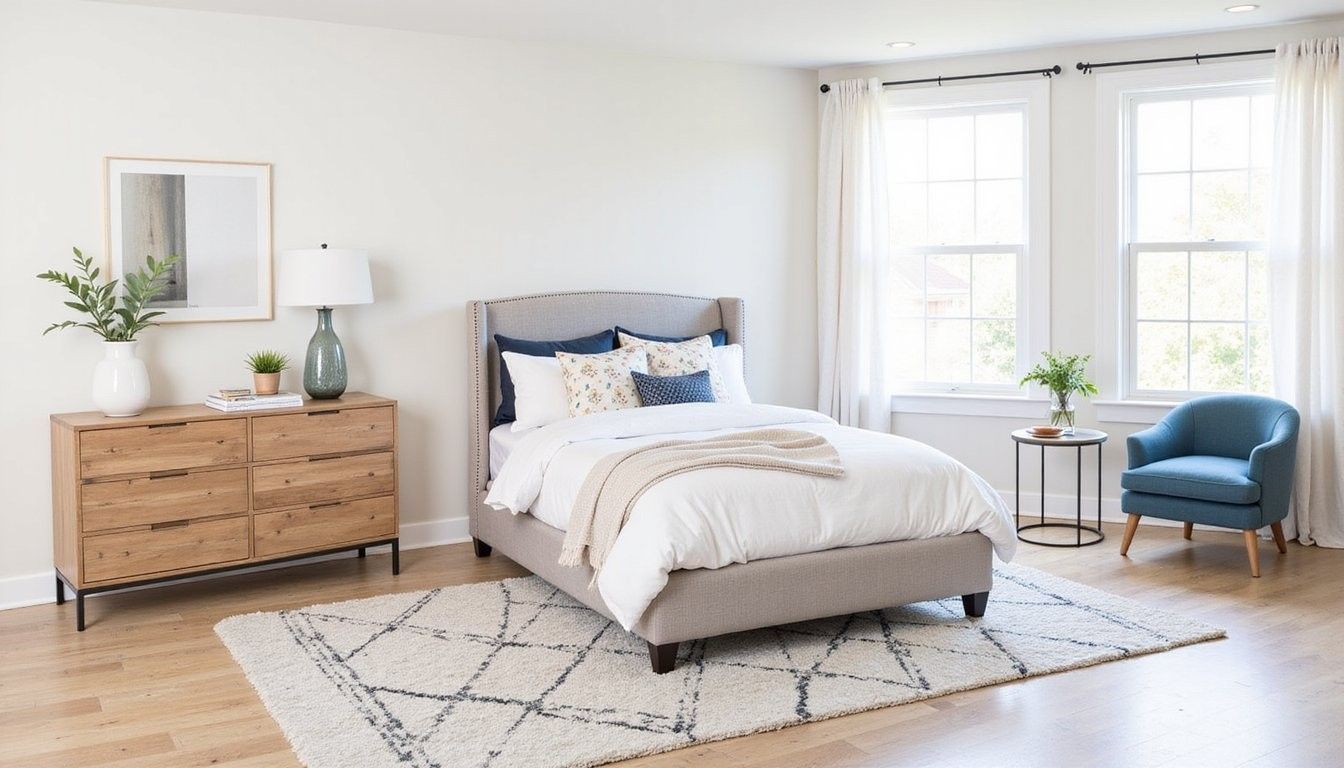
Place the bed first: The bed defines traffic flow and sightlines, so decide its ideal position before adding other pieces to ensure clear entry and easy access to storage.
Prioritize circulation paths: Leave at least a narrow path for movement from door to bed and to storage so the room feels breathable and bedtime routines stay simple.
Choose scaled furniture: Select pieces that match the room’s proportions so each item serves a purpose without overwhelming the floor area, which preserves visual breathing room and usable square footage.
Design mantra: Keep the route to the bed free and focus bulky items against walls to maintain a restful center.
Reflect light to expand space: Arrange mirrors or light-colored fabrics opposite windows to bounce daylight and create an impression of depth that complements tidy storage choices.
Bed and Underbed Storage Solutions
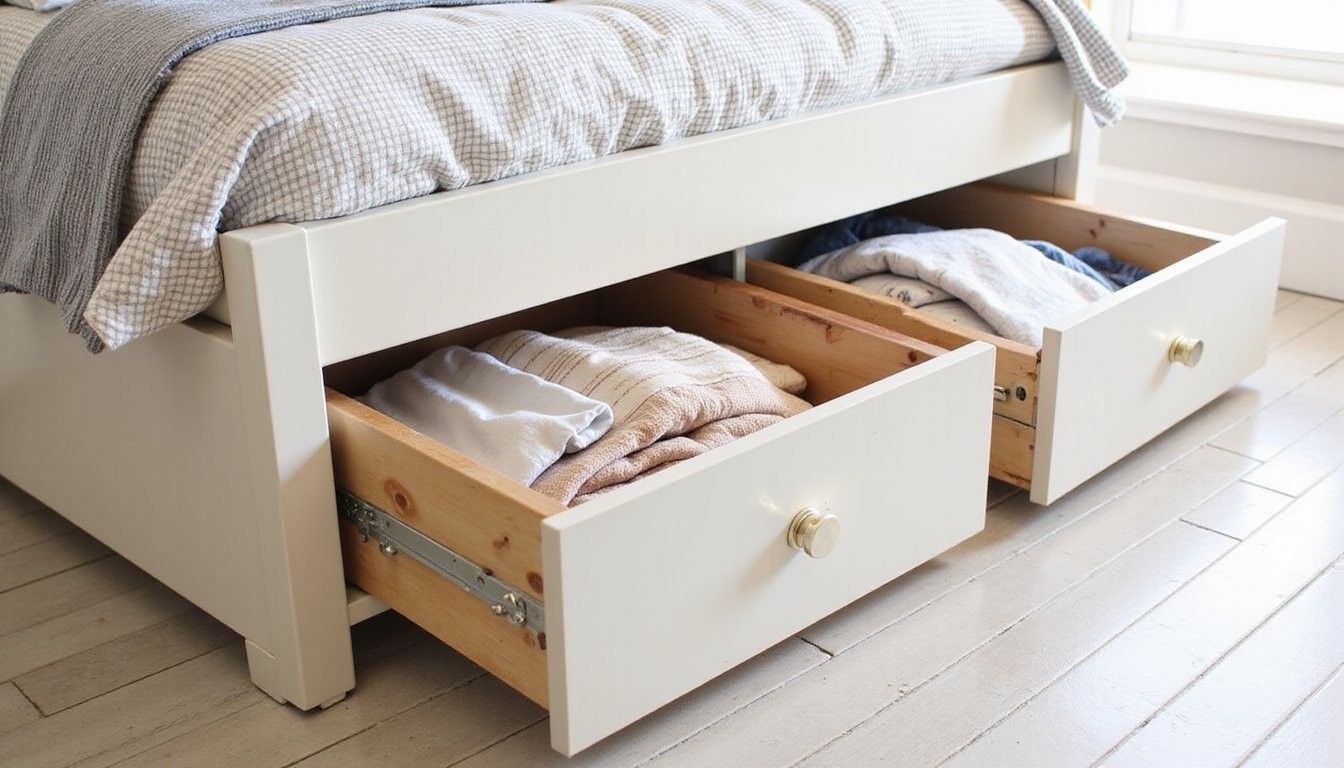
Make the bed work harder: Choose a bed with integrated drawers, a lift-up platform, or high legs to house containers and keep seasonal items and linens tucked away out of sight while preserving easy access.
Measure clearance carefully: Confirm the mattress thickness plus frame height before buying underbed systems so drawers open smoothly and the bed remains comfortable for sleep.
Sort contents for convenience: Use compartmentalized storage and clear bins under the bed to keep things organized and to avoid rediscovering forgotten items when you need them most.
| Option | Typical Cost | Space Returned |
|---|---|---|
| Platform bed with drawers | $200 – $900 | High |
| Lift-up storage bed | $300 – $1,200 | Very high |
| Underbed rolling bins | $20 – $60 | Moderate |
Vertical Storage and Wall Solutions
Think upward not outward: Shelving, peg rails, and wall-mounted bedside surfaces reclaim floor area and provide easy access to nightly essentials without crowding the walking space.
Balance open and closed storage: Combine a couple of open shelves for decor and daily items with closed cabinets or baskets for clothing and bulkier belongings to keep the room tidy and soothing for sleep.
Install at restful heights: Place bedside shelves or wall sconces at a comfortable reach to avoid stretching or bumping, which keeps nighttime routines effortless and the bed area calm.
| Solution | Floor Space Used | Best For |
|---|---|---|
| Floating bedside shelf | None | Tiny rooms |
| Wall-mounted wardrobe rail | Minimal | Everyday garments |
| High cubbies | Minimal | Seasonal items |
Multi-functional Furniture and Styling
Pick pieces with dual roles: A bench with storage, an ottoman that opens, or a desk that folds away frees space while supporting activities like dressing, working, or relaxing without adding clutter.
Match scale to room goals: Select multi-use items that do not dominate the layout so the bed remains the restful focal point and furniture supports nighttime ease rather than distraction.
Use cohesive textiles: Coordinated linens and rugs visually unify small spaces so the arrangement appears intentional rather than crowded, which supports a tranquil sleep environment.
| Furniture | Primary Role | Extra Role |
|---|---|---|
| Storage bench | Seating | Linen storage |
| Ottoman | Footrest | Hidden storage |
| Fold-down desk | Workspace | Nightstand |
Styling Tips to Enhance Calm and Space
Limit the palette: A restrained color scheme with two or three harmonizing tones reduces visual clutter and makes the room feel larger and more tranquil for sleep.
Layer lighting: Combine soft overhead light, bedside lamps, and subtle accent lighting to create flexible moods that help signal bedtime and keep the space functional during the day.
Keep night essentials reachable: Store frequently used items like a lamp, glass, and book within arm’s reach to reduce movement at night and maintain a peaceful bedtime routine.
Choose minimal patterns: Use small-scale prints and soft textures so the room appears cozy without competing with the sense of openair and restfulness you worked to create with smart storage and layout.
Common Mistakes
Avoid impulse buys: Bringing home large pieces without measuring or imagining their place can create a cramped feel that is hard to reverse and that undermines restful sleep by crowding the bed area.
Quick Decision Guide
Match needs to solutions: When choosing storage or furniture, consider how often you’ll access items and place frequently used things in easy reach while stashing infrequently used possessions higher or under the bed.
Use a simple checklist: Measure, mark with tape, and trial a layout before buying so each piece supports sleep space rather than intruding into it.
| Choice | Yes / No |
|---|---|
| Will the piece block circulation? | No |
| Does it add storage without taking floor space? | Yes |
| Will it keep bedtime items easily reachable? | Yes |
Frequently Asked Questions
How can I fit a nightstand in a tiny room? Opt for a wall-mounted shelf or a narrow rolling cart that tucks beside the bed, which provides a surface without taking a full footprint and keeps essentials close for nighttime use.
Is a loft bed worth it for adults? Loft beds reclaim floor area beneath for seating or storage, but confirm headroom and ladder comfort before committing so the sleeping spot remains comfortable and safe.
What is the best way to store seasonal clothing? Store out-of-season items in labelled underbed bins or high cubbies to free closet space for daily garments and to keep bulk from crowding the bedroom floor.
How do I make a small bedroom feel plush without clutter? Use layered soft textures, a restrained color palette, and a couple of meaningful accessories while keeping functional storage concealed so the room feels inviting and calm for sleep.
