
Hook & TL;DR
Start gently: Letting go of objects that carry memories can feel like losing pieces of your story, and that feeling is normal and human, but there are practical ways to make decisions that honor those memories while freeing space and peace in your home.
Key Takeaways
- Set clear rules: Create gentle guidelines that make decisions easier and kinder to yourself.
- Keep what matters: Prioritize items that spark joy, tell a story, or serve a new purpose.
- Preserve memories creatively: Digitize, photograph, or repurpose items so memories last without clutter.
- Use small steps: Short sessions and limits prevent overwhelm and reduce guilt.
Introduction
Why this matters: Living with excessive sentimental items can make a home feel crowded and can keep you tethered to moments that no longer fit your daily life, which affects how restful and functional your environment feels.
How you benefit: Thoughtful decluttering gives you a clearer space and a calmer mind, and the process can reconnect you with memories in healthier ways that respect both feelings and practical needs.
Tools & Materials
Gather what helps: Before you begin, collect the supplies that make sorting smooth and respectful so you can focus on decisions instead of hunting for boxes or bags.
- Boxes or bins: For keep, donate, recycle, and undecided items.
- Labels and markers: To mark containers clearly and avoid second-guessing later.
- Phone or camera: To digitize items and capture photos of things you love.
- Soft cloths and archival sleeves: For fragile pieces you intend to keep safely.
- Timer: To set short, focused sessions that reduce emotional fatigue.
Create a clear decision framework
Start with gentle rules: Decide ahead of time on a few simple criteria that make choices objective, such as whether an item sparks strong positive emotion, has a clear future use, or tells a story you want to retell, which reduces guilt by turning emotions into manageable signals.
Limit categories: Use short lists like keep, digitize, repurpose, pass on, or discard so an item has only a few possible outcomes and you avoid endless hemming and hawing that feeds guilt and clutter.
Use time limits: Short, scheduled sessions keep emotions from building and make each decision feel less like a test of loyalty and more like a practical choice about living space and memory care.
| Criteria | Question to Ask |
|---|---|
| Emotional response | Does this bring a warm, present joy or a distant nostalgia that feels painful? |
| Practical value | Will this serve a purpose in the next two years? |
| Story value | Does it contain a story you want to remember and share? |
Digitize, display, and honor
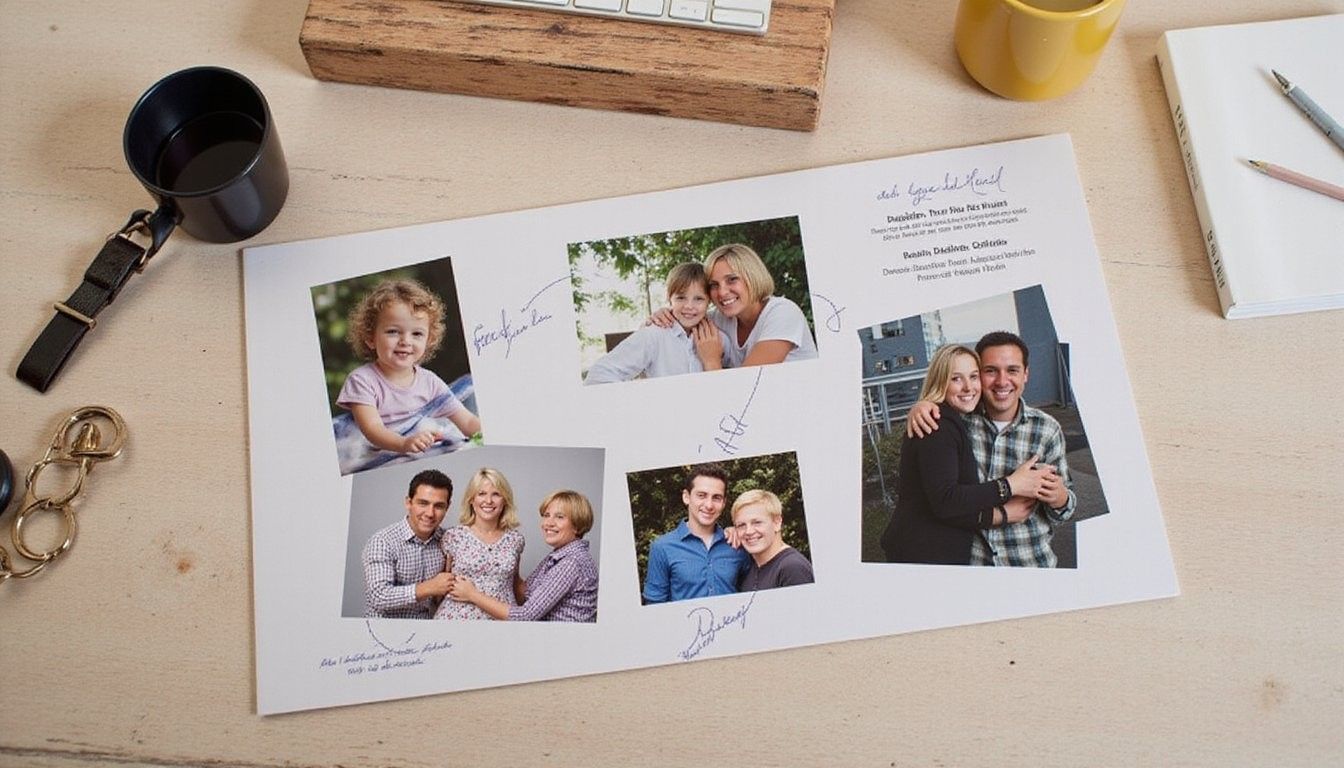
Digitizing reduces physical load: Photographing paper keepsakes, scanning letters, and creating folders of images preserves the memory without crowding shelves, and selecting a single framed photo or a rotating display keeps the memory present without hoarding.
Choose meaningful displays: Pick a few items that truly represent a person or moment and give them a special place to be seen and appreciated instead of storing everything out of sight where meaning can get lost.
Create rituals of remembrance: Allow a small ceremony when you pass items on, such as writing a note about why you are letting something go or sharing a memory with a friend, which honors feelings and reduces guilt during the parting.
| Method | Space Saved | Emotional Trade-off |
|---|---|---|
| Full digitization of documents | High | Low tactile feel, high accessibility |
| Keep one highlight piece | Moderate | High personal resonance |
| Repurpose into functional object | Moderate | Keeps connection through use |
Set limits and routines
Work in short bursts: Limiting sessions to 20 to 40 minutes prevents decision fatigue and keeps emotions from overwhelming practical choices, which helps you be kinder to yourself across the process.
Use physical limits: Choose a box or a specific shelf for keeps and when it fills, reassess what truly belongs there so the amount you keep matches the space you have and keeps memories on display rather than in cupboards.
Schedule seasonal reviews: Regularly revisit your curated items every six to twelve months so you can let go gradually as attachments shift, making downsizing feel like an ongoing care practice rather than a one-time purge.
Small steps preserve feelings: Treat the process like tending a garden: prune gently and often, rather than uprooting everything at once, to protect what truly nourishes you.
Involve family and create stories
Share the decision: When items are linked to family histories, involve relatives in choosing what to keep and what to pass on, which spreads responsibility and reduces the sense that letting go is a betrayal of memory.
Build simple archives: Create a shared digital folder or a small physical album of short captions that explain the story behind items so future generations understand context without needing every object as proof.
| Approach | When to Use |
|---|---|
| Family selection session | For heirlooms and shared items |
| Create a story card | For items you pass on to loved ones |
Practical sorting sessions and display ideas
Start with low-stakes items: Beginning with small or less emotionally charged pieces builds confidence and momentum, making harder decisions feel more manageable later on.
Try the “one-in, one-out” method: When you want to add a new memento, choose one existing item to release so your collection reflects intention rather than accumulation.
Rotate displays: Keep a rotating display box or frame where items change every few months, which honors many memories over time without requiring permanent storage for everything.
| Idea | Why it works |
|---|---|
| Memory shelf with three items | Focuses attention and prevents overcrowding |
| Shadow box for textiles | Protects fragile items while displaying them |
Comparison: keep, digitize, pass on
Understand trade-offs: Choosing to keep, digitize, or pass on items has different impacts on space, emotion, and legacy, and framing these differences helps you make intentional choices without guilt.
| Option | Space Impact | Emotional Effect |
|---|---|---|
| Keep | High | Immediate comfort and tactile connection |
| Digitize | Low | Preserves memory with less physical weight |
| Pass on | Variable | Continues legacy in another home |
Quick decision boolean guide
Use quick rules for small items: When you have many small mementos, a simple yes/no guide speeds decisions and keeps emotions from dominating every choice.
| Item Type | Keep? | Digitize? |
|---|---|---|
| Single photograph with strong memory | Yes | Optional |
| Stack of event programs | No | Yes |
| Child’s clay handprint | Maybe | Yes |
What to Avoid
Release the pressure: Avoid framing decluttering as an all-or-nothing event; gradual steps and honest rules protect relationships and memories while keeping your living space livable.
Common pitfalls and how to sidestep them
Beware the “what if” trap: Holding everything because you fear future regret often means you keep things for a hypothetical scenario rather than your present life, so create a rule that tests how likely that scenario really is.
Don’t outsource decisions endlessly: Passing items to others without asking can create similar problems in another home, so discuss and document wishes to ensure items land where they will be appreciated.
Maintaining a clutter-free sentimental collection
Set an annual ritual: Commit to a short yearly review where you revisit your curated items and remove anything that no longer matches your life so the collection remains meaningful rather than accumulating inertia.
Keep things visible: Stored items often feel more sacred than displayed ones, so putting favorites in sight encourages use and appreciation rather than unthinking hoarding.
Emotional support during the process
Honor your feelings out loud: Speaking memories, writing short notes about items, or sharing stories with a friend makes letting go feel like an act of love instead of loss and helps reduce lingering guilt.
Seek company for hard sessions: A trusted friend or family member can provide comfort and perspective, and their presence can remind you that memory lives in people as well as in objects.
Donation, recycling, and legacy options
Find good homes: Donating items to organizations, schools, or family members gives objects a second life and helps you feel purposeful about release rather than wasteful.
Consider sustainability: Recycle or responsibly dispose of items that cannot be passed on and look for textile or paper recycling programs so your decluttering honors both memory and the planet.
FAQ
How do I start if I’m overwhelmed? Begin with a small category like jewelry, cards, or a single drawer and set a short timer so decisions are manageable and you can build momentum without facing the full emotional weight at once.
What if family disagrees about an item? Discuss openly, offer options like shared rotation or documented wishes, and consider photographing the item and allowing it to be passed on if nobody wants permanent responsibility.
Is it disrespectful to let go of things from loved ones? Leaving some items behind while preserving stories, photos, or one meaningful piece is a respectful approach that honors memory without creating living spaces filled with untouched clutter.
How do I handle fragile heirlooms? Use archival materials and clear labeling, ask a conservator for guidance if an item is very precious, and consider sharing the care plan with family so responsibility is known.
Can digitizing truly replace physical items? Digitization preserves visual and textual memory well and often reduces space anxiety, but if an item’s tactile presence matters deeply, prioritize keeping one special piece and digitize the rest.
