
Story Hook

I remember the spring my son insisted on a jungle theme for his room and by the end of the week we had more stuffed animals than floor space. I felt excited about the idea at first but quickly learned that seasonal decorating can swell into clutter unless guided by a plan.
That season taught me the value of a simple system for swapping looks without losing storage or calm. Since then I have honed methods that let a room feel fresh every season while staying tidy and functional for play and sleep.
The ‘Why’
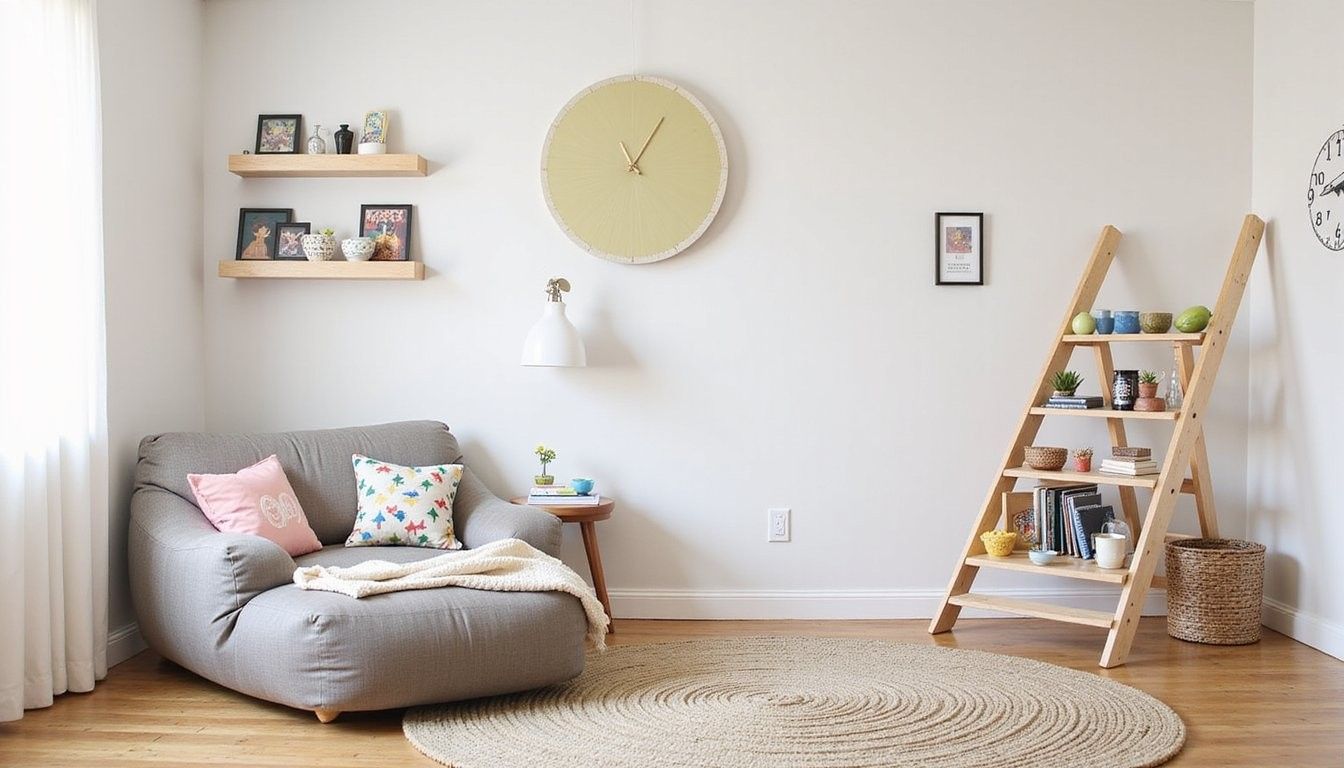
A child’s room that changes with the seasons keeps the space lively and engages curiosity without expensive overhauls. Seasonally rotating accents can teach children about cycles, colors, and textures while making the room feel loved and renewed.
Keeping decor uncluttered supports better sleep, easier cleaning, and more room for play. A pared-back, intentional approach to each seasonal refresh helps caregivers avoid fatigue from constant tidying and prevents toy overwhelm for kids.
Intro
This guide walks through simple systems and choices that let you refresh a child’s room for spring, summer, autumn, and winter while preventing clutter from creeping in. You’ll find practical storage moves, swap routines, and styling ideas that honor small budgets and busy family rhythms.
My approach focuses on flexible anchors, targeted accents, and regular editing so each seasonal update feels purposeful rather than chaotic. Read on for realistic routines, sample layouts, shopping-free options, and fail-safe ways to involve kids in keeping their space tidy.
Tools & Materials
- Stackable storage bins: Clear or labeled bins that slide under beds or stack in closets for seasonal items.
- Canvas storage baskets: Lightweight baskets for everyday toys to keep surfaces clear.
- Neutral bedding set: A base bedding that works for all seasons and acts as an anchor.
- Accent textiles: Lightweight throws, a textured rug, or seasonal pillow covers for quick swaps.
- Small, framed art: Two to three interchangeable frames for seasonal prints or kids’ artwork.
- Hooks and wall pockets: Over-door hooks, peg rails, or fabric wall pockets for rotating accessories and hats.
- Label maker or masking tape and marker: For quick kit labeling to make swaps easy.
- Donation box: A small box kept nearby for items that are ready to leave the room each season.
Spring Refresh
Begin by editing items that feel heavy or winter-specific and set them in the donation box so the room breathes again. A simple three-bin sort—keep, rotate, donate—helps you move through the task quickly and makes decisions feel less overwhelming.
Swap out thick blankets for a lightweight throw and change darker pillows for pastel or floral covers to shift the mood without new purchases. Changing textiles is a low-cost, high-visual-impact move that keeps surfaces uncluttered because you are replacing rather than adding objects.
Introduce a small, washable area rug in a bright but calm pattern that hides play scuffs and grounds the layout for spring play sessions. Choosing a rug that is lightweight and easy to roll makes seasonal storage painless, and a neutral base keeps it useful beyond the season.
Summer Cool
Embrace lightweight, breathable fabrics and reduce visual clutter by clearing too many toys from sight and rotating only favorite items for the season. Fewer visible toys encourages more imaginative play with what remains and keeps the room feeling open and refreshing on hot days.
Swap heavy curtains for breathable sheers or tiebacks that allow breezes and light to animate the room, while storing winter drapes away in labeled bins. Using neutral curtain anchors means you can add small, colorful tie-ons for a summery vibe and remove them when the season changes.
Introduce summer motifs through small, easily swapped accents like themed pillow covers or a lightweight wall hanging that can be rolled and stored compactly. Choosing accents that double as functional items, such as a beach-themed storage basket, reduces the urge to add single-use decor pieces.
Autumn Cozy
Bring texture into the room with a plush throw, warm-toned pillow covers, and a small lamp that casts cozy light for earlier evenings. Layering texture rather than adding many decorative objects preserves floor space and gives a sense of warmth without clutter.
Switch out light seasonal art for richer, earthy prints and rotate small nature finds like pinecones or leaves into a single decorative bowl that gets emptied before winter. Keeping nature displays contained to one vessel creates seasonal interest while teaching children to curate rather than accumulate finds.
Consider swapping one shelf for a cozy reading nook with a few select books and a seasonal plush to invite calm evenings without overfilling surfaces. Curating a small, themed spot helps children anticipate seasonal rituals and teaches simple organization by example.
Winter Warm
Bring in a thicker throw and swap lightweight rugs for a softer, low-pile rug that warms the floor while remaining easy to shake out or vacuum. Choosing a rug that is machine-friendly or easy to clean prevents winter mess from turning into long-term clutter.
Introduce warm light sources like a soft night lamp or string lights tucked along a shelf and keep holiday decor intentional and limited to one surface or a small tree. Containing seasonal displays to a single focal point prevents the sense of a cluttered explosion and makes holiday items easier to store afterward.
Use labeled, stackable storage for winter clothing and gear so daily items remain accessible without crowding dressers and play areas. A simple rotation system where cold-weather gear sits at the front of storage during its season reduces the temptation to keep too many out at once.
Storage & Swap Routines
Design a simple swap routine tied to the calendar so seasonal changes happen predictably and stay manageable, such as a quarterly Saturday morning session. Regular, short sessions prevent the need for marathon sorting days and make seasonal items feel like part of a rhythm instead of chores that pile up.
Use clear bins or labeled containers that fit a standard shelf so you can see what belongs where and move items quickly between active and storage states. A consistent container size makes stacking easier and helps kids learn where things go because the visual system is predictable.
Assign each bin a purpose, for example: textiles, decor accents, holiday crafts, and outdoor play props, and limit each to one bin to prevent overflow. Limiting each category to a single container forces prioritization and keeps seasonal kits compact and intentional.
| Kit | What Goes In | Storage Tip |
|---|---|---|
| Textiles | Throws, pillow covers, light rugs | Compress and label by season |
| Decor Accents | Small themed items, art prints | One flat box per season to avoid excess |
| Outdoor Props | Baskets, sand toys, sled tags | Keep near entryway for quick swap |
Cost vs Impact
Balancing budget and visual change helps you choose where to spend and where to swap cheaply, and a small investment in versatile anchors often yields the biggest payoff. Investing in a neutral bedspread, a good rug, or durable storage pays off across seasons and years while one-off themed purchases add clutter quickly.
| Item | Approx Cost | Visual Impact |
|---|---|---|
| Neutral bedding set | $50–$150 | High (anchors look) |
| Accent pillows/covers | $10–$40 each | Medium (color shift) |
| Storage bins | $5–$30 each | High (clutter control) |
Use the table above to decide where to invest based on how long you want items to last and how often you will reuse them. Choosing multifunctional pieces stretches every dollar and reduces the need for frequent replacements that add clutter.
Pro vs Con
Comparing seasonal swaps with permanent themed rooms clarifies trade-offs so you can pick an approach that fits your household energy and space. Seasonal swaps invite variety and learning while permanent themes can feel immersive but run a higher risk of accumulating single-use items.
| Approach | Pros | Cons |
|---|---|---|
| Seasonal swaps | Keeps room fresh; easy to contain | Requires planning and storage |
| Permanent theme | Immersive, cohesive look | Easier to collect excess items |
Common Mistakes
Another frequent misstep is treating every holiday as an excuse to buy more objects instead of editing what already exists and repurposing everyday items. Reusing neutral anchors and choosing accents that serve a function cuts down on purchases and keeps spaces clear for play and rest.
Avoid storing seasonal items in piles or mismatched containers that encourage forgetting or losing pieces. Standardizing container sizes and labeling them clearly helps you keep kits together and makes the swap process quick and satisfying.
Getting Kids Involved
Invite children to curate one small seasonal corner rather than rearranging the whole room so they learn decision making without feeling overwhelmed. Giving a child ownership of a limited zone encourages responsibility and makes the swap process a game instead of a chore.
Use simple choices like pick three toys to stay out or choose two new pillow covers to rotate and praise their selections to reinforce good habits. Small wins help children understand how less can be more and model tidy behavior that lasts.
Maintenance & Quick Fixes
Adopt a five-minute evening tidy where toys are returned to their bins and textiles smoothed so the room is always ready for the next day. Short, consistent maintenance prevents seasonal swaps from becoming big projects and keeps the room welcoming from one morning to the next.
Keep a small basket for items that need repair or replacement and address it monthly so broken things do not accumulate into a forgotten mess. A tiny habit like this saves time and emotional energy when seasons roll around and you want to refresh the space quickly.
Frequently Asked Questions
How often should I rotate seasonal items? Rotate four times a year with a short edit at each changeover, and perform tiny mid-season checks to keep clutter from building up.
Will seasonal swaps confuse my child? Many children enjoy predictable rituals and benefit from a simple routine that includes their choices, which builds comfort rather than confusion.
What if I have limited storage space? Prioritize compact, multiuse items and choose to store only one box per season, or swap single pieces from a communal family closet to keep things minimal.
Can I decorate on a tight budget? Yes, refreshsourced items from around the house, swap textiles instead of buying decor, and repurpose children’s artwork in frames to create new seasonal looks affordably.
How do I prevent holiday decor from staying out too long? Plan a post-holiday purge and calendar a two-week window for removal and donation so items do not linger and clutter the room.
