
Story Hook
The pile on my dining table sat there for weeks after an especially busy autumn, and I would walk past it every morning feeling smaller and more distracted until one Saturday I set a timer and started sorting with a cup of tea at my elbow.
That few-hour sort taught me that a focused, seasonal approach removes the vague pressure of ‘someday’ and replaces it with clear actions that actually get done, so the house feels calmer and chores stop piling up.
A small start often opens the door to lasting order because one completed task makes the next one feel possible.
The ‘Why’
Seasonal sorting creates rhythm rather than letting clutter accumulate in unnoticed pockets, and when you match tasks to the year it becomes easier to manage both time and energy because each season brings natural chores like wardrobe swaps and garden tool checks.
When your home reflects the season it supports daily comfort and clear living, which saves decision energy, reduces stress, and makes small routines feel meaningful rather than burdensome.
Welcome
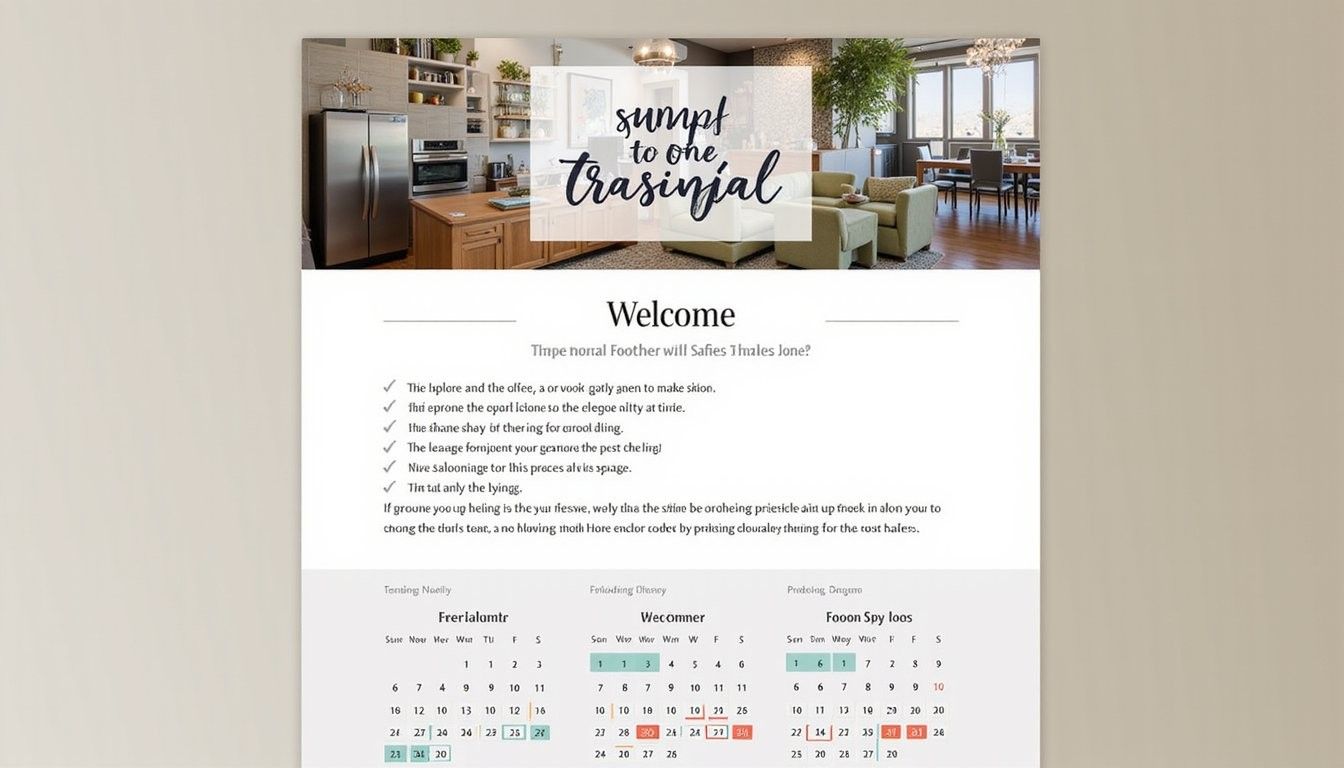
This guide gives a clear calendar you can follow each year so sorting tasks don’t pile up, with practical actions for spring, summer, autumn, and winter that match how people actually live and use their spaces.
Every section includes hands-on ideas for what to keep, what to let go of, and how to store items you want to keep so that each season feels lighter and more intentional.
Tools & Materials
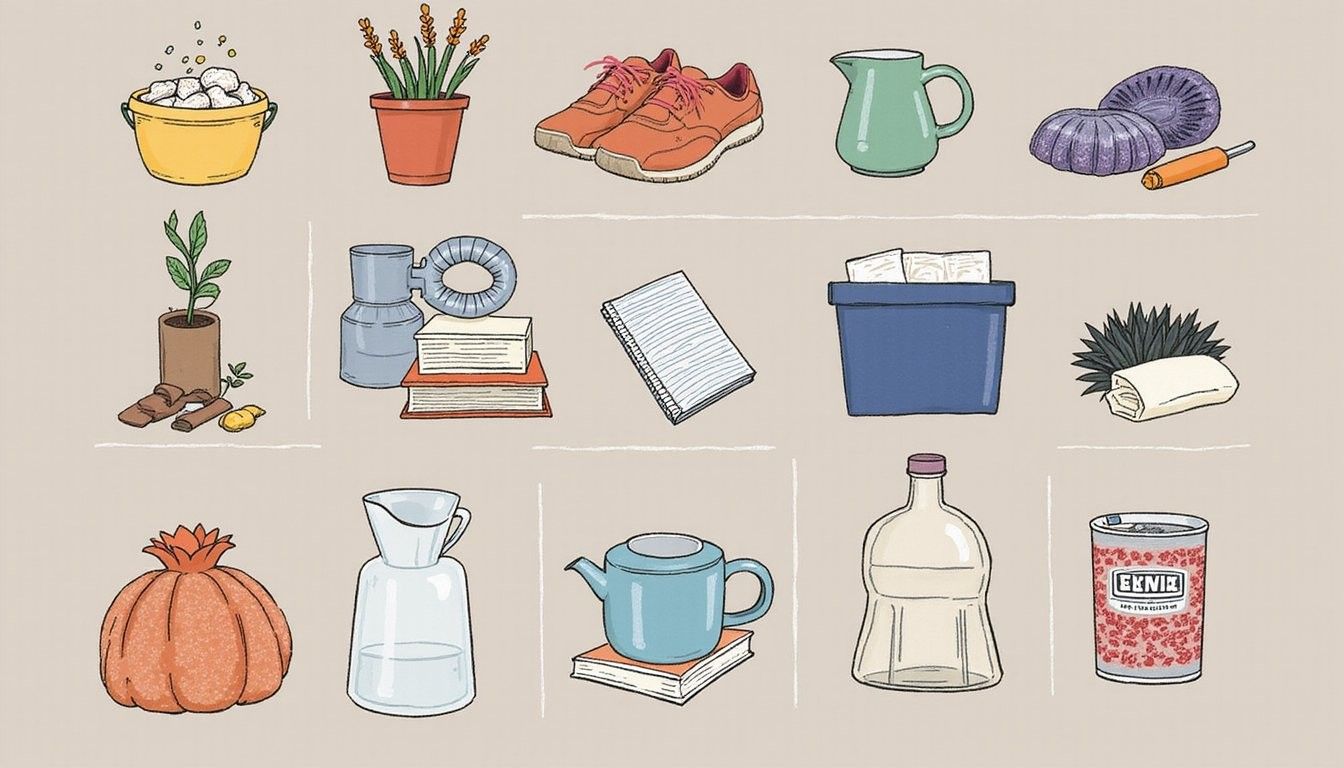
A few basic supplies make seasonal decluttering faster and cleaner, and having them ready removes excuses and awkward in-process piles that slow you down.
- Boxes and bins for keep, donate, recycle, and trash so decisions are quick.
- Labels and markers to identify seasonal storage and avoid second-guessing later.
- Cleaning cloths and sprays to freshen empty surfaces before returning items to storage.
- Donation bags and a plan for drop-off so giveaways leave the house promptly.
- Timer or playlist for focused sessions that limit fatigue and keep momentum.
Organizing supplies can be simple and inexpensive, and the goal is clear containers for visibility and durable boxes for seasonal storage so items don’t degrade while tucked away.
Spring Refresh
Start small with surfaces and clear flat areas like tabletops and counters so you can see progress quickly, then move to closets and drawers where seasonal clothing and accessories live because the change in weather highlights what you actually wore last year.
Look for items that show wear or no longer fit your life and set them aside for repair, donation, or recycling, being honest about whether the piece will be useful in coming months rather than keeping it out of guilt or hope.
Kitchen cupboards are a natural spring target because you can toss expired pantry items and consolidate duplicates, which frees shelf space for fresh staples and makes weekly meal planning easier.
| Area | Top Tasks | Why Now |
|---|---|---|
| Closets | Sort clothing, donate unworn pieces | Seasonal swap reveals usable items |
| Kitchen | Purge expired food, consolidate duplicates | Fresh start for lighter meals |
Summer Simplify
Use summer energy to tackle outdoor and hobby gear so garden tools, beach items, and seasonal sports equipment are clean, organized, and ready for use rather than hidden under a pile of things you forgot about last year.
Sort by function and frequency—keep daily or weekly items accessible and move occasional-use gear to clear, marked storage that stays out of sight but is easy to reach when needed.
Summer is a great time for light furniture edits because moving pieces out or rearranging creates an immediate sense of space, and temporary swaps help you test what you prefer before committing to permanent changes.
| Item | Action | Storage Tip |
|---|---|---|
| Garden Tools | Clean, oil, hang | Pegboard or wall hooks |
| Beach Gear | Rinse, dry, stash in breathable bag | Mesh bin for ventilation |
Autumn Prep
Before colder weather arrives rotate sweaters and outerwear into easy reach and check boots and coats for wear so repairs happen before you need them and run-out days are less rushed.
Take time to clear transition zones like mudrooms and entryways of summer clutter so drop-off spots become functional for coats, bags, and school gear instead of becoming countertop catchalls that derail the household flow.
Inspect seasonal linens and bedding for stains, moths, or fading and wash or repair items now so you aren’t surprised when you need them on a chilly night.
| Task | Why | Timing |
|---|---|---|
| Rotate wardrobe | Bring warm items forward | Early autumn |
| Check outerwear | Avoid last-minute repairs | Mid autumn |
Winter Cozy
Use winter decluttering to create comfort by prioritizing easy-to-reach blankets, reading nooks, and clear surfaces so the home supports slow evenings and relaxed weekends rather than adding friction to rest.
Clear holiday clutter efficiently by sorting decorations into clearly labeled, sturdy boxes and discarding broken items so decorating feels joyful instead of chaotic when you bring things out.
Gift wrap and paper goods should be consolidated so the next season’s wrapping is ready and you avoid buying duplicates because you can’t find what you own.
| Winter Task | Storage Tip |
|---|---|
| Holiday decorations | Use clear bins for quick visibility |
| Blankets and throws | Fold into breathable bags |
Decision Guides & Comparison Tables
Use simple rules to speed choices like ‘no wear, no use’ or ‘if untouched for one year, let it go’ because an agreed threshold stops endless second-guessing and moves items out of your space quicker.
| Decision | Keep | Let Go |
|---|---|---|
| Clothing | Fits and worn last season | Never worn, damaged, or out of style |
| Kitchen gadgets | Used more than twice a month | Single-use duplicates |
Compare cost and impact before deciding to replace items so your spending aligns with how much value an item adds to your day and how long it will last in your home.
| Item | Cost | Impact on daily life |
|---|---|---|
| Quality coat | Higher | High warmth and longevity |
| Trendy gadget | Low to medium | Short-lived convenience |
What to Avoid
Avoid perfectionism that pauses momentum; small, imperfect progress each season yields a calmer home over time and prevents burnout from trying to overhaul everything in one day.
Practical Checklists and Boolean Table
Use a short checklist for each room to keep focus and prevent overwhelm, and review that list at the start of each season so you return to the same patterns until they feel automatic and natural in your household routine.
| Item | Keep? | Donate? | Recycle? |
|---|---|---|---|
| Old coffee mugs | Yes | No | No |
| Torn linens | No | No | Yes |
A simple yes/no guide like the table above speeds decisions and reduces emotional attachment because choices are framed as actions rather than questions to be revisited endlessly.
Common Mistakes
Another frequent error is overbuying storage before you finish sorting; buy simple containers first and see what you actually need so you don’t encourage keeping extra items that should leave the home.
FAQ
Question? How often should I do seasonal decluttering?
Answer: Aim for a focused session at the start of each season and quick touch-ups midseason to prevent build-up, because sticking to a rhythm helps chores feel manageable rather than monumental.
Question? What if I feel guilty giving things away?
Answer: Remember that items have more value when they are used, and donating to a local charity or passing pieces to friends gives them new life and reduces waste from storage that never benefits anyone.
Question? How do I handle sentimental items?
Answer: Limit sentimental keepsakes to a single box per person or per household area and photograph items you can’t keep for memory’s sake; that way memories are preserved without overwhelming storage space.
Question? Can I do this with family members who resist?
Answer: Focus on shared spaces first and model quick wins, offer clear choices rather than open-ended questions, and set a timer so resistant family members know the task is short and contained.
