
Key Takeaways
- Sapporo is the vibrant urban heart of northern Japan, while Hokkaido encompasses a vast, diverse island region.
- Sapporo’s international reputation is rooted in its winter festivities and cosmopolitan cityscape.
- Hokkaido offers expansive natural areas defined by mountains, forests, and coastlines, attracting lovers of outdoor adventure.
- While Sapporo serves as Hokkaido’s administrative and economic capital, the island includes many distinct towns and landscapes.
- Travelers seeking urban culture will find it concentrated in Sapporo, whereas Hokkaido offers rural charm and ecological wonders.
What is Sapporo?
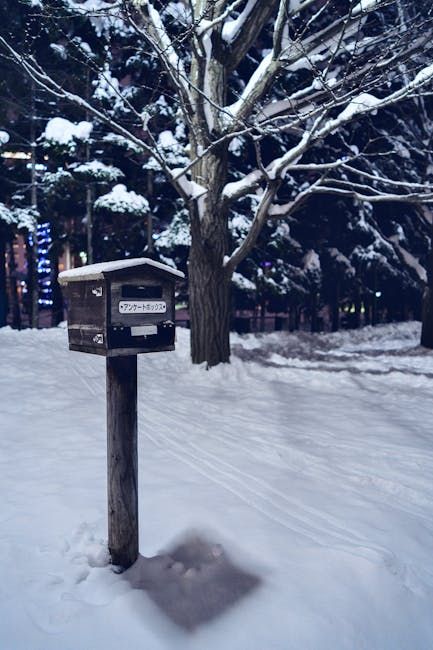
Sapporo is the largest city on Japan’s northernmost main island and serves as the capital of Hokkaido Prefecture. Known for its snowy winters, modern architecture, and lively cultural scene, Sapporo is a major urban center in the region.
Urban Landscape and Architecture
The city is characterized by wide, tree-lined boulevards and a grid-based street plan, a rarity in Japan. Modern high-rises coexist with historic buildings such as the Sapporo Clock Tower and the Former Hokkaido Government Office.
Odori Park, a green space stretching across downtown, hosts seasonal festivals and serves as a community gathering spot. The Susukino district, known for entertainment and nightlife, adds to Sapporo’s metropolitan vibe.
Public transportation in Sapporo is highly developed, with subway lines and trams efficiently connecting neighborhoods. The city’s infrastructure supports both residents and millions of annual visitors, particularly during winter events.
Landmarks like the Sapporo TV Tower offer panoramic views, while the city’s architecture reflects both Meiji-era influences and contemporary innovation. Each district showcases a unique blend of tradition and modernity.
Cultural and Culinary Identity
Sapporo is celebrated for its dynamic food scene, especially its miso-based ramen and fresh seafood. Local specialties such as soup curry and Jingisukan (grilled mutton) reflect both Hokkaido’s resources and the city’s diverse palate.
The annual Sapporo Snow Festival transforms the city into a winter wonderland, drawing artists and tourists from around the globe to admire massive snow sculptures. Sapporo’s breweries, particularly the namesake Sapporo Beer, highlight the city’s role in Japan’s brewing industry.
Concert halls, theaters, and modern art museums contribute to a thriving cultural life. Events like the Sapporo International Short Film Festival foster creative exchange and global connections.
Seasonal markets and street fairs offer opportunities to sample local produce and crafts. Residents celebrate both modern pop culture and indigenous Ainu traditions through community activities and performances.
Economic and Educational Hub
As Hokkaido’s capital, Sapporo is an administrative and commercial powerhouse with a diverse economy. Technology, retail, tourism, and food processing sectors are prominent employers in the city.
Universities such as Hokkaido University attract students and researchers from across Japan and abroad. The presence of research institutions supports innovation in agriculture, engineering, and environmental science.
Corporate headquarters, shopping complexes, and convention centers drive business activity. Sapporo Station functions as a vital transportation and commercial hub, seamlessly integrating shopping, dining, and transit options.
The city’s youthful population contributes to a dynamic job market and startup culture. Government initiatives encourage sustainable development and international business relations.
Recreational Opportunities and Green Spaces
Sapporo offers residents and visitors access to a range of outdoor activities within city limits. Moerenuma Park, designed by Isamu Noguchi, blends art and nature in a sprawling recreational landscape.
Mount Moiwa provides hiking trails and a ropeway, leading to scenic vistas over the urban expanse. Winter months bring opportunities for skiing and snowboarding at nearby resorts, such as Sapporo Teine.
The city’s rivers and parks provide spaces for jogging, cycling, and cherry blossom viewing. Public gardens like the Hokkaido University Botanical Gardens showcase native flora and seasonal blooms.
Sports fans can attend J-League soccer matches or baseball games at the Sapporo Dome, a venue renowned for its retractable surface. Community sports events and fitness facilities are accessible throughout the city.
What is Hokkaido?
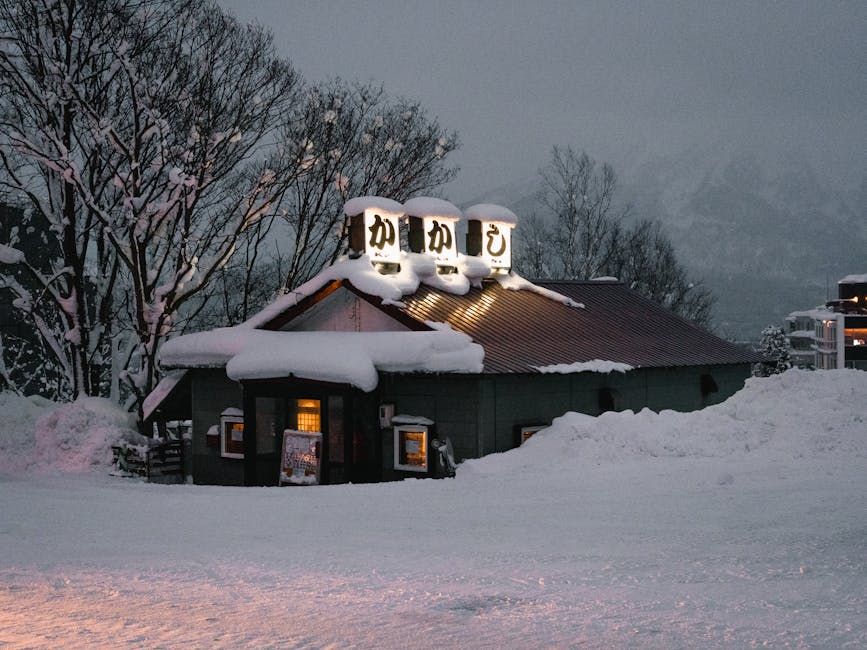
Hokkaido is Japan’s second-largest island and the northernmost of its main regions, renowned for its stunning natural landscapes and seasonal variety. The island is a prefecture that encompasses Sapporo and many other municipalities.
Geographical Diversity and Climate
Hokkaido covers an area of over 83,000 square kilometers, offering a mosaic of mountains, plains, forests, and coastline. The island is bordered by the Sea of Japan, the Sea of Okhotsk, and the Pacific Ocean, each influencing local ecosystems and weather.
Winters are long and snowy, with some areas experiencing some of the coldest temperatures in Japan. Summers, by contrast, are cool and comfortable, making the region a popular escape from heat and humidity elsewhere in the country.
Volcanic peaks like Mount Asahi-dake anchor national parks, while lowlands support extensive agriculture. The landscape supports diverse wildlife, including brown bears, eagles, and migratory cranes.
Distinct microclimates allow for a variety of outdoor pursuits, from skiing in Niseko to flower fields in Furano. Seasonal changes are celebrated through festivals, harvests, and outdoor activities unique to each locale.
Rural Communities and Regional Identity
Outside its major cities, Hokkaido consists largely of small towns and farming villages. These communities maintain traditional lifestyles centered on dairy farming, fishing, and agriculture.
Indigenous Ainu culture is especially prominent in certain regions, with museums and cultural centers preserving traditional crafts, language, and ceremonies. The regional identity is shaped by both Japanese and Ainu heritage, visible in festivals and place names.
Local industries include seafood processing, potato and corn cultivation, and dairy production, making Hokkaido a vital supplier to the national food market. Rural tourism offers farm stays, artisanal workshops, and nature excursions.
Population density is lower than in other Japanese regions, contributing to a sense of space and tranquility. Many towns are known for onsen (hot springs) resorts, which attract visitors year-round.
Wildlife and Natural Attractions
Hokkaido’s national parks, such as Shiretoko and Daisetsuzan, are recognized UNESCO sites and biodiversity hotspots. These areas offer opportunities to see wildlife in pristine habitats, including rare species and seasonal migrations.
Lake Akan is famous for its marimo algae balls and indigenous Ainu folklore. The Kushiro Shitsugen wetlands host Japanese cranes, drawing nature enthusiasts and birdwatchers from afar.
Ski resorts like Niseko are internationally acclaimed for powder snow and winter sports facilities. Flower fields in Biei and Furano transform the landscape into vibrant palettes during warmer months.
Coastal regions support fishing communities and scenic drives, such as the Shakotan Peninsula’s rugged cliffs. Nature-based tourism is a major draw, with hiking, canoeing, and wildlife tours popular among visitors.
Transportation and Connectivity
Hokkaido’s vastness is served by an extensive network of trains, buses, and highways, though travel times between towns can be considerable. The Shinkansen bullet train connects the island to Honshu via the undersea Seikan Tunnel, facilitating rapid access.
New Chitose Airport near Sapporo is the main air gateway, with domestic and international flights. Smaller regional airports link outlying areas with Japan’s major cities.
Ferries connect Hokkaido to ports such as Aomori and Niigata, supporting both passenger and freight movement. Rural bus lines and rental cars are common transportation methods for exploring remote areas.
In winter, snow and ice can affect travel, but infrastructure is designed to handle extreme conditions. Tourism agencies provide multilingual information to help visitors navigate the island’s expanse.
Comparison Table
