
The Struggle
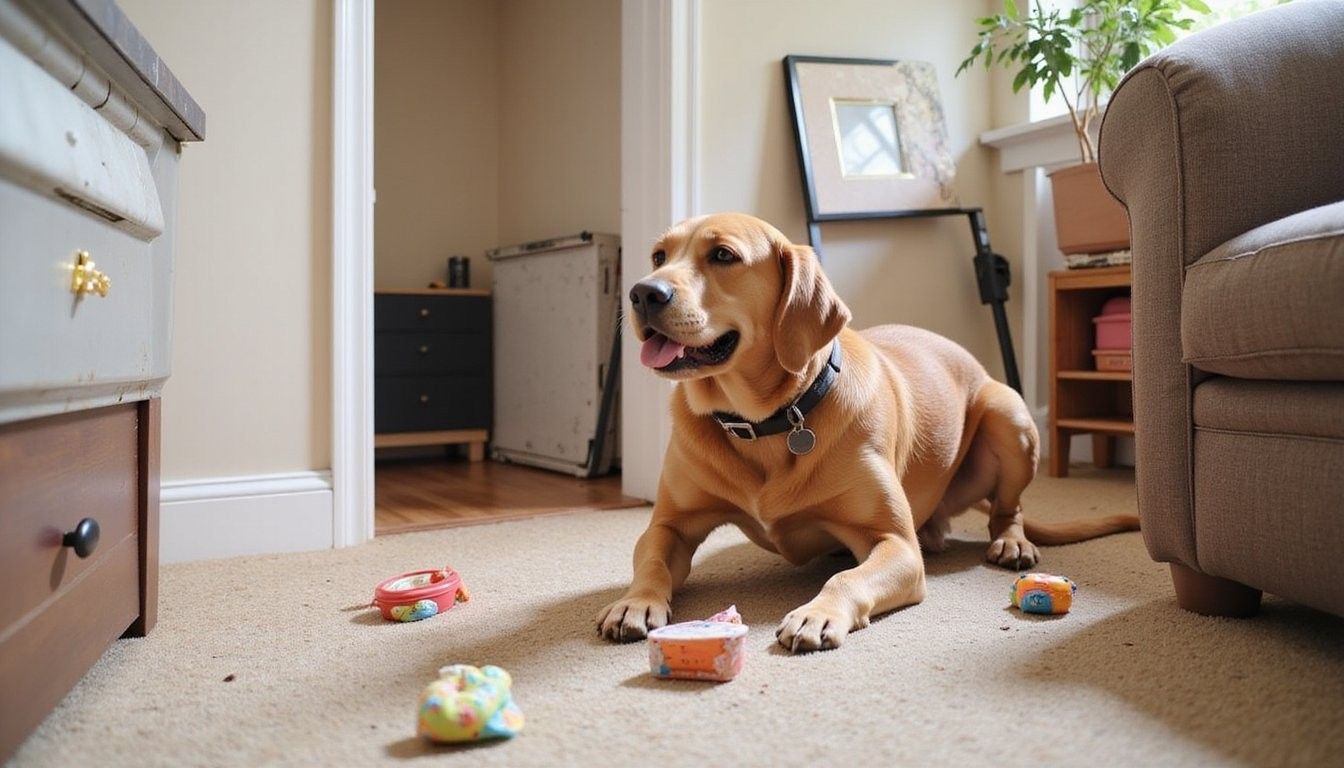
Small space, big pet mess? Living with animals in a compact home can feel like a constant battle between fur, toys and limited floor area, and many people find their rooms becoming cluttered despite their best efforts.
Every nook becomes a landing zone. When beds, bowls and playthings scatter across tight walkways, the home loses calm and comfort, and daily routines stretch longer as you chase down pet items and try to keep visual clutter at bay.
The Fix (Summary)
The Quick Fix
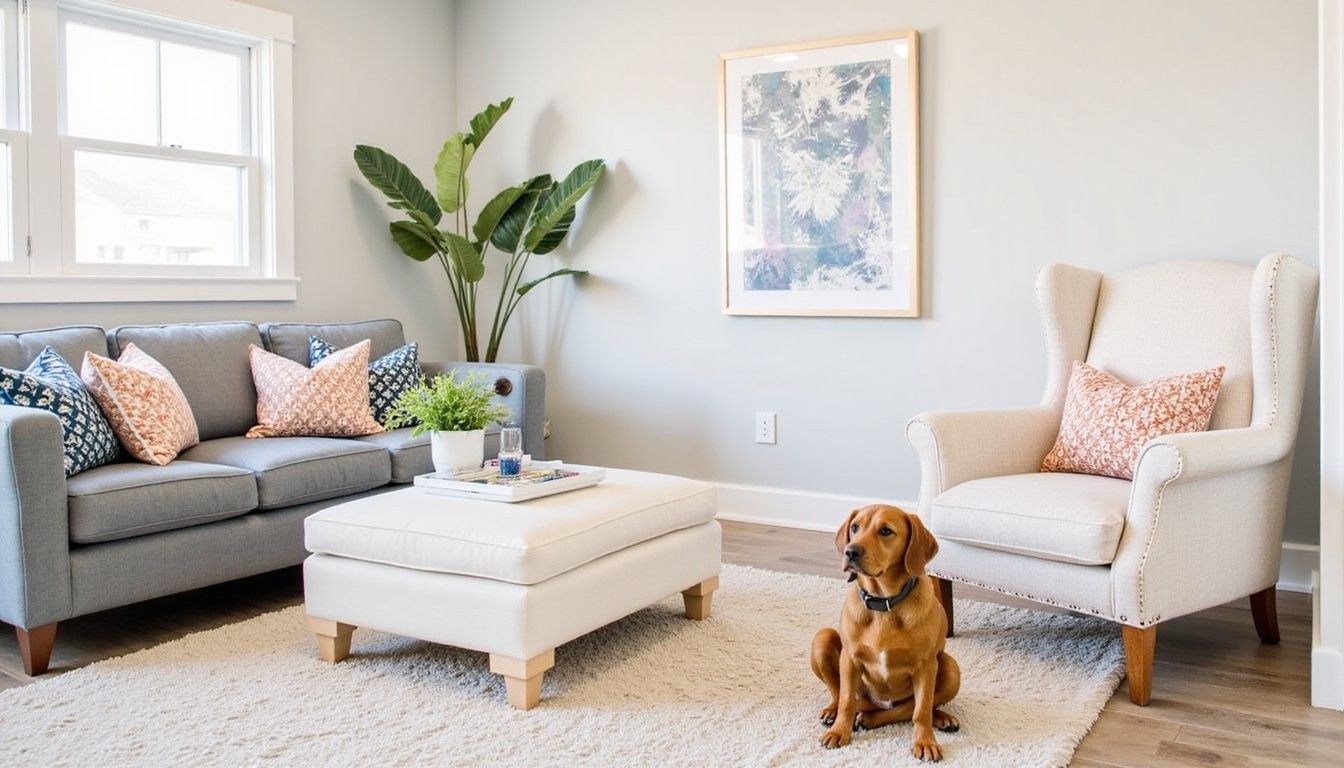
Designate zones, pick multi-function pieces and set simple routines. With built-in storage, smart furniture and predictable cleaning rhythms you can keep a pet-friendly home that still feels uncluttered and welcoming.
Hope is practical here. Small changes to layout and habits often create outsized improvements in floor space and visual calm, letting pets feel at home without the clutter taking over.
Getting Started
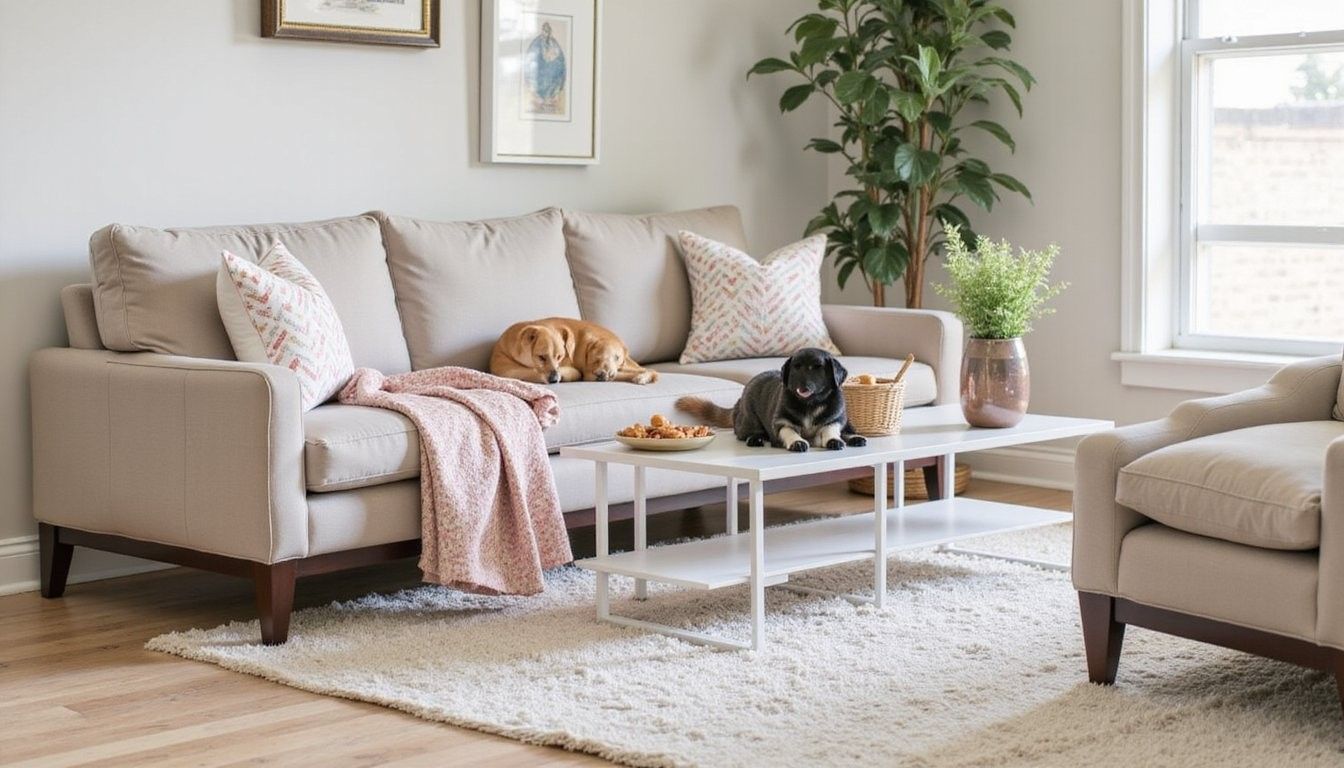
Begin with clear priorities. Decide which pet items must be always accessible (food, water, litter) and which can be stashed away when not in use so you can shape storage and layout around essential needs rather than reacting to daily scatter.
Measure your space and pet habits. Note traffic routes, pet favorite spots and how often you replace bedding or clean toys so your solutions match both the physical dimensions and the rhythm of your life.
Tools & Materials
- Stackable storage bins: Clear or labeled bins that slide under beds or into closets to keep pet toys and grooming supplies out of sight.
- Wall-mounted feeders or shelves: Save floor space with shallow units that hold food bowls, leashes or small litter supplies.
- Multi-use furniture: Benches with storage, ottomans that open, and cat condos that double as shelving give function without extra pieces.
- Washable rugs and mats: Low-pile, machine-washable textiles protect floors and make quick cleanups simple.
- Hooks and pegboards: Vertical gear storage for leashes, carriers and grooming tools keeps surfaces clear.
Smart Storage Strategies
Think vertical and hidden. In a small home, the walls are your most valuable real estate so installing shallow shelves, a pegboard for pet gear and wall-mounted feeding stations clears the floor and keeps essentials within easy reach without adding bulk.
Integrate pet storage into furniture. Choose benches, side tables and bookcases with built-in compartments that can hide bowls, toys and grooming kits so the room reads calm while everything your animal needs is still nearby.
Smart Storage Strategies (continued)
Use under-furniture space actively. Rolling bins under sofas or beds are ideal for toys and seasonal pet bedding because they stay out of sight yet slide out when needed, reducing daytime clutter and saving time at tidy-up moments.
Keep cleaning supplies accessible but stowed. Corral lint rollers, wipes and a compact vacuum in a single caddy or basket that can be moved from room to room so maintenance is quick and less likely to be postponed.
Designing Pet Zones
Map activity to place. Assign a clear feeding corner, a sleeping nook and a play spot so pet items do not migrate across the home, and use rugs or small furniture to visually anchor each zone so pets learn where things belong.
Flexible boundaries help flow. Low shelves, a short bench or a woven divider can define a pet area without blocking light or movement, preserving openness while containing mess to manageable pockets.
Furniture & Layout Choices
Choose multi-function pieces that save space. An ottoman with storage can hide toys, and a window-facing bench with an internal compartment can be both a perch and a stash spot so every object pulls double duty in a tiny footprint.
Prioritize durable, wipeable surfaces. Leather-look fabrics or high-performance weaves resist stains and are easier to maintain, meaning pet-related wear stays manageable and you keep fewer coverings and spare furnishings around.
Furniture & Layout Choices (tables)
Compare options before buying. Small investments in the right piece can shrink daily clutter and save time, so weigh cost, storage capacity and footprint against how you actually live with your animals.
| Piece | Cost | Clutter Reduction |
|---|---|---|
| Storage ottoman | $ | High |
| Bench with cubbies | $$ | High |
| Freestanding pet station | $$$ | Medium |
Cleaning Systems & Routines
Short daily rituals beat marathon cleans. A five-minute sweep, a quick lint roll on upholstery and returning toys to a bin each evening prevent the pile-up that makes small houses feel chaotic and helps keep pet hair from spreading to every surface.
Set a weekly reset time. A longer session for washing bedding, deep vacuuming and sanitizing food stations keeps allergens down and reduces the need for emergency cleans that disrupt your schedule.
Cleaning Systems & Routines (gear)
Stock compact, powerful tools. A handheld vacuum, a compact upright or a robot that can reach under furniture saves time, and keeping those items stored near pet zones makes it more likely you’ll use them regularly.
Rotate textiles to reduce laundry overload. Maintain two sets of pet bedding that you can swap weekly so you never feel stuck waiting for something to finish drying before you can restore a neat corner.
Playtime Without the Pile
Contain high-energy play to washable surfaces. Use a defined mat or washable rug for fetch and tug so toys and slobber stay in one place, and teach pets to bring toys back to a basket to reduce scatter during longer sessions.
Rotate toys to maintain interest and cut clutter. Keep just a few toys out at a time and hide the rest in a labeled bin so playtime feels fresh and your living space stays tidy between rotations.
Feeding & Litter Solutions
Contain bowls and litter to purpose-built stations. A dedicated feeding tray with a lip or a shallow mat keeps spills from spreading while a lidded litter corner or a compact litter box with a top entry can minimize scatter in tight layouts.
Choose compact dispensers for bulk items. Airtight canisters or wall-mounted kibble containers protect food and free up floor space while making refills quicker and less messy.
Safety & Comfort
Prioritize pet movement and escape routes. Even in a tidy small room, ensure furniture placement allows pets to move comfortably without squeezing through blocked paths, and anchor heavier pieces so they cannot tip during play.
Offer soft retreats that are easy to wash. Removable, machine-washable covers for beds and cushions keep smells and dander at bay and reduce the temptation to keep extra backups scattered around the home.
Furniture Choices: Quick Comparison
Compare function versus footprint. A small investment in the right furniture can reduce daily clutter dramatically, so consider trade-offs in price, storage and space saved before you buy.
| Option | Floor Space | Storage | Ease of Clean’ |
|---|---|---|---|
| Storage bench | Low | High | Medium |
| Open shelving | Very low | Medium | Low |
| Hidden pet station | Low | High | High |
Waste, Odor and Hair Management
Containment plus schedule reduces work. Lidded bins for litter and sealed canisters for food cut odors, and matching that setup with a predictable cleaning schedule lowers the daily load so the home stays pleasant with minimal fuss.
Groom regularly to cut hair at source. Brushing pets frequently and using a simple vacuum or grooming mitt near a window keeps loose hair from building up on furniture and floors, shrinking the need for constant laundry runs.
Storage Options Data Table
Look at real numbers when choosing storage. The table below compares common storage types by estimated cost, capacity and effort to maintain so you can pick what fits your budget and habits.
| Storage Type | Approx Cost | Capacity (toys/bins) | Maintenance Effort |
|---|---|---|---|
| Under-bed rolling bins | $ | 4-6 | Low |
| Built-in bench cubbies | $$ | 6-10 | Medium |
| Wall shelving with bins | $-$$ | 5-8 | Low |
Behavioral Tricks to Reduce Clutter
Train for return behavior. Teaching pets to drop toys into a basket or return a ball after fetch reduces scatter and reinforces tidy-up as part of play, cutting daily pick-up time for you.
Reward tidy habits consistently. Small treats and praise when pets use their bed, mat or toy box make the setup part of their routine so clutter diminishes naturally without constant human prompting.
What to Avoid
Don’t buy temporary fixes. Plastic bins dumped in corners or too many freestanding stands create visual noise and demand more attention than solutions that are built into your daily flow.
Maintenance Checklist
Create a short checklist you can follow weekly. Include steps like swapping bedding, sanitizing bowls, emptying swept-up hair and a quick vacuum so maintenance becomes a predictable habit rather than an occasional scramble.
Use reminders tied to daily anchors. Attach short tasks to routines you already do, such as clearing bowls after breakfast or evening toy returns, so upkeep becomes automatic and the home stays pleasant with minimal effort.
Pro Tips for Small Homes
Label and rotate to keep things lean. A simple system of rotating toys and labeling bins saves time and helps you track what items your pet actually uses so storage reflects real needs rather than wishful thinking.
Pro vs Con: Storage Choices
Weigh pros and cons before committing. Not all storage looks the same in day-to-day life, and the wrong choice can create more work than it saves, while the right piece will quietly simplify your routine.
| Storage | Pro | Con |
|---|---|---|
| Built-in bench | High capacity and neat appearance | Higher upfront cost and less flexibility |
| Rolling bins | Flexible and low cost | Can look cluttered if not uniform |
Styling Tips to Minimize Visual Clutter
Limit color and texture contrast. When pet gear matches your palette or sits behind a single material like woven baskets, eyes see a unified space and the room appears calmer even when items are present.
Choose closed storage when possible. Doors and lids hide the irregular shapes of toys and supplies, which prevents the visual noise that often makes small rooms feel chaotic.
When to Upgrade
Invest when daily friction is high. If you spend more time tidying than enjoying your home or you are constantly tripping over pet gear, an investment in a better solution will often pay back in calm and time saved.
Start small and iterate. Test low-cost changes like a bin system or a washable rug before moving to bigger purchases so you learn what truly changes behavior in your household.
Final Maintenance Mindset
Think habit over heroics. Small, consistent actions keep the home livable and prevent the exhaustion that comes with infrequent deep cleans, and habits are easier to maintain when they fit into existing routines.
Regular review prevents creep. Every season, reassess your storage and routines to remove redundant items and adapt to any changes in pet behavior or household needs so clutter never quietly grows back.
Frequently Asked Questions
How do I keep toys under control? Rotate a small selection weekly and store the remainder in a labeled bin so fewer pieces are out at once, and teach a simple pick-up cue that encourages pets to return toys to a basket at the end of play.
Can small apartments really handle multiple pets? With designated zones, compact storage and routine grooming, small homes can accommodate more than one animal, though additional systems for feeding and waste will be necessary to maintain calm and cleanliness.
What flooring choices work best for pets? Smooth, low-pile or sealed surfaces are easiest to clean and show less hair, and placing washable rugs in key areas protects floors while containing mess to smaller zones that are simple to launder.
How often should I deep-clean pet bedding? Aim for a weekly or biweekly wash depending on shedding and outdoor activity, and keep at least two bed covers so one can be in use while the other is being cleaned.
Are closed containers better for food? Yes, airtight canisters preserve freshness and reduce pests while taking up less space than multiple smaller bags, so they help reduce clutter and waste in tight kitchens.
