
Hook & TL;DR
Quick-access, safe storage makes cleaning feel less like a chore and more like a simple habit you can keep up every week.
Key Takeaways
- Group similar products so you can grab what you need without hunting.
- Store hazardous items out of reach using locks, high shelves, or safety latches.
- Choose durable, visible containers to prevent spills and speed up cleanup.
- Create a restock routine so you never run out mid-task.
Introduction
Organization saves time and reduces risk by helping you find what you need instantly while keeping harsh chemicals away from curious hands and paws.
Thoughtful placement improves style and function because well-placed cleaning supplies blend with your home and encourage regular upkeep without visual clutter.
Tools & Materials
Gather the right containers and safety gear before you start so each item has a proper home and hazardous materials are contained.
- Clear plastic bins or stackable drawers for spray bottles and cloths.
- Caddies with handles for portable cleaning kits.
- Childproof locks or latch systems for low cabinets.
- Heavy-duty hooks and a broom holder for vertically storing long-handled tools.
- Small shelving units or over-the-door racks to expand storage in tight spaces.
- Permanent marker or waterproof labels for simple identification.
- Spill trays or waterproof liners to protect shelves.
Sort, Declutter, and Categorize
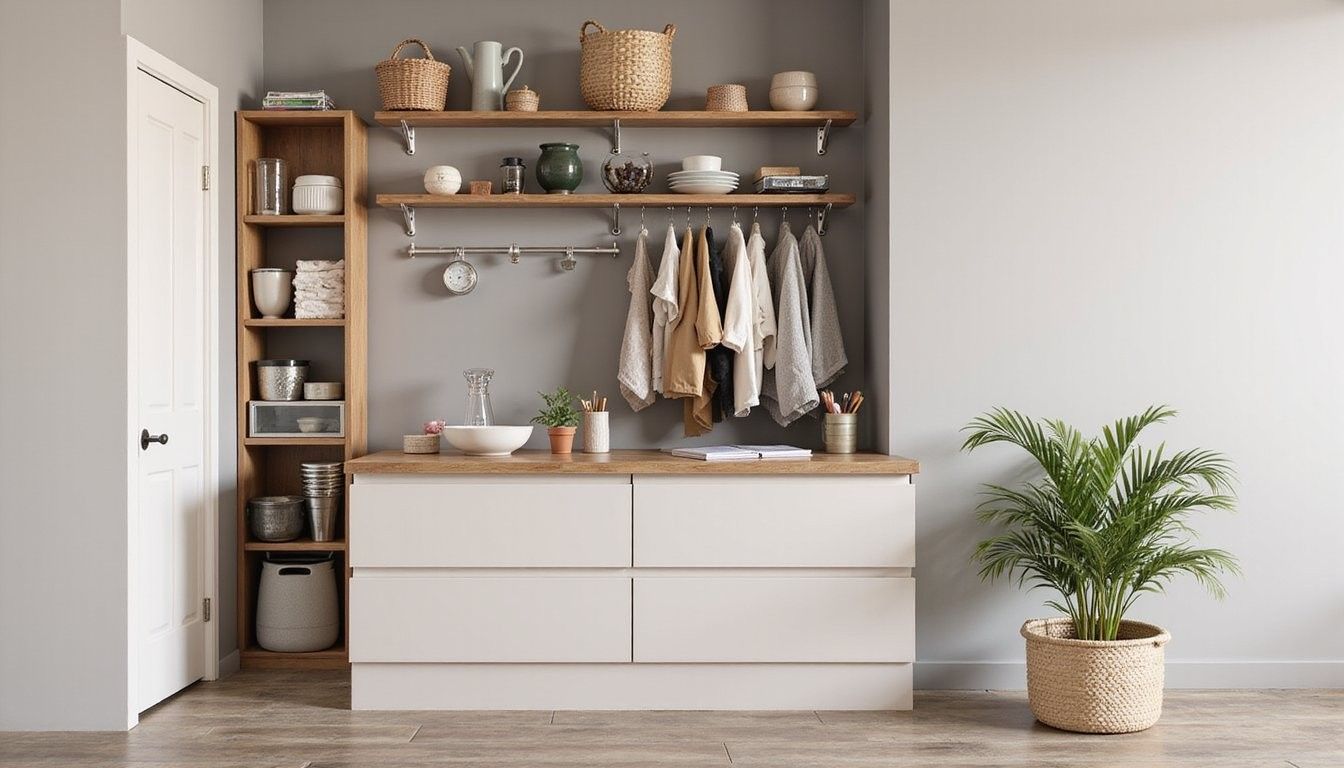
Begin with a single pull-out session where you empty your cleaning cabinet or closet and place everything on a table to see what you own and what you can discard.
Decide by use and expiry by grouping items into daily-use, occasional-use, and expired or duplicate piles so you can plan storage based on frequency of use and safety needs.
Separate hazardous from benign items by keeping bleach, oven cleaners, drain openers, and concentrated chemicals in a locked or elevated area and milder cleaners in an accessible spot for everyday reach.
Keep appliances and heavy items low such as vacuums and buckets on the floor where they won’t fall and where lifting is safer.
Storage Solutions by Zone
Assign a dedicated zone for each cleaning task such as kitchen, bathroom, laundry, and floors so tools and products are near where they are used most often.
Kitchen zone should prioritize grease and surface cleaners kept away from food items in a locked lower cabinet or high shelf if children are present.
Bathroom zone needs moisture-resistant storage like ventilated caddies or plastic drawers to avoid mildew and to keep glass cleaners and toilet products separate from personal items.
Laundry zone benefits from stackable bins and shelf toppers that hold detergent, stain removers, and fabric care items within arm’s reach of the washer and dryer.
Floor and tool rack zone should use wall-mounted holders for mops and brooms to keep floors clear and tools dried, reducing mold and tripping hazards.
| Zone | Best Storage | Safety Tip |
|---|---|---|
| Kitchen | Locked lower cabinet or high shelf | Keep away from food prep areas |
| Bathroom | Ventilated caddy or wall shelf | Avoid mixing cleaners |
| Laundry | Stackable bins and shelf toppers | Secure heavy jugs |
| Floors/Tools | Wall-mounted racks and hooks | Store heads up to dry |
Labeling, Visibility, and Compatibility
Clear visibility prevents mistakes so use transparent bins or position labels where you can read them at a glance and keep frequently used items in front.
Label contents and usage instructions for mixed storage areas to avoid accidental mixing of incompatible chemicals and to help guests or housemates find what they need safely.
Group by chemical compatibility so that oxidizers, acids, and bases are separated and never stored together on the same shelf to reduce risk in the event of a leak.
Use pictogram stickers for quick ID when a family member has limited time, and ensure stickers are waterproof and won’t peel in humid spaces.
Child and Pet Safety Measures
Keep dangerous products out of sight and reach by installing childproof locks on low cabinets and placing high-shelf items behind barriers if locks are not possible.
Use locking storage for concentrated chemicals and keep original packaging so safety data and dilution instructions remain available to adults handling the products.
Prevent accidental ingestion and skin contact by never transferring chemicals into food containers and by wiping up spills immediately using absorbent cloths and a spill tray beneath liquid containers.
Maintenance, Restock Routine, and Disposal
Schedule a monthly cabinet check to inspect for leaks, expired products, and low supplies so you keep a safe, functional inventory without last-minute runs to the store.
Use a simple checklist or a small whiteboard in the closet to note what needs restocking and to record expired items that require safe disposal at a hazardous waste facility.
Dispose of chemicals responsibly by following local guidelines and never pouring concentrated products down the drain where they can harm pipes or the environment.
Rotate stock with the oldest forward so you use opened products before they degrade and so packaging labels remain legible for safe handling directions.
Comparison Tables
Compare storage choices to match budget and needs using clear tables so you can decide between quick fixes and longer-term investments for safety and accessibility.
| Option | Cost | Impact on Safety | Ease of Access |
|---|---|---|---|
| Clear plastic bins | Low | Medium | High |
| Locked cabinet hardware | Medium | High | Medium |
| Wall-mounted rack | Low | High | High |
| Feature | Pro | Con |
|---|---|---|
| Caddies | Portable and organized | May tip if overloaded |
| Locked lower cabinet | Keeps kids out | Slower adult access |
Data Table: Cost vs. Impact
Quantify what you spend and what you gain using a compact data table to weigh immediate expense against safety and access improvements over time.
| Item | Estimated Cost | Safety Impact | Accessibility Impact |
|---|---|---|---|
| Clear stackable bins | $10–$30 | Moderate | High |
| Cabinet locks | $15–$50 | High | Medium |
| Wall tool organizer | $10–$40 | High | High |
Common Mistakes
Overcrowding a single shelf increases the chance of tipping and slow access, so spread items across multiple shelves or use bins to prevent falls.
Using food containers for chemicals creates ingestion hazards and confusion, so always keep cleaners in original packaging when possible or in clearly labeled containers designed for chemicals.
Hiding everything without order can save space but costs time when you need something quickly, so designate front-row items for daily use and back-row spaces for seasonal or infrequent supplies.
Quick Daily and Weekly Routines
Adopt a 5-minute end-of-day reset where you return used supplies to their home, wipe any drips, and close lids to maintain order with minimal effort.
Perform a weekly check of the most-used zone to top up wipes, swap out dirty cloths, and move products that may have been placed in the wrong spot during the week.
Small habits preserve organization like returning a bottle to its caddy as soon as you finish a task, which keeps the system working without a major weekend overhaul.
Boolean and Simple Decision Guide
Quick yes/no check saves time when deciding where an item belongs and whether it needs special handling or secure storage.
| Question | Yes/No |
|---|---|
| Is it corrosive or poisonous? | Yes = Lock or high shelf |
| Is it used weekly? | Yes = Keep front-row |
| Is it refillable safely? | No = Keep in original container |
Final Setup Checklist
Complete a final walk-through to confirm each zone has a clear purpose, storage is secure, and bins are labeled so everyone in the household can follow the system without confusion.
Test accessibility and safety by asking a family member to retrieve a common item and by checking that childproof measures cannot be bypassed easily.
Frequently Asked Questions
How do I store concentrated cleaners? Store concentrated cleaners in their original closed containers on a locked shelf or in a high cabinet, and keep spill trays under bottles to catch leaks so the product does not damage shelving or present a hazard to small children or pets.
Can I combine cleaners into one spray bottle? Combining cleaners risks a dangerous chemical reaction and removes original safety information, so instead prepare single-purpose diluted sprays and label them clearly while keeping the original concentrated container stored safely.
What is the best place to keep everyday wipes and sprays? Keep everyday wipes and sprays in a portable caddy near the main living areas or under the sink in an easy-reach spot so quick touch-ups are fast and not an obstacle to regular maintenance.
How often should I audit my supplies? Perform a light check monthly and a full audit every three to six months to remove expired items, consolidate duplicates, and verify that safety measures remain secure and functional.
