
The Myth

Common advice says one space must serve only one purpose. Many guides insist that a room cannot be both a restful guest area and a functional workspace at the same time, which stops people from experimenting with mixed layouts.
That rule makes people avoid creative solutions. The fear of clutter or a poor overnight experience often prevents homeowners from building a flexible space that fits modern routines and changing needs.
The Truth
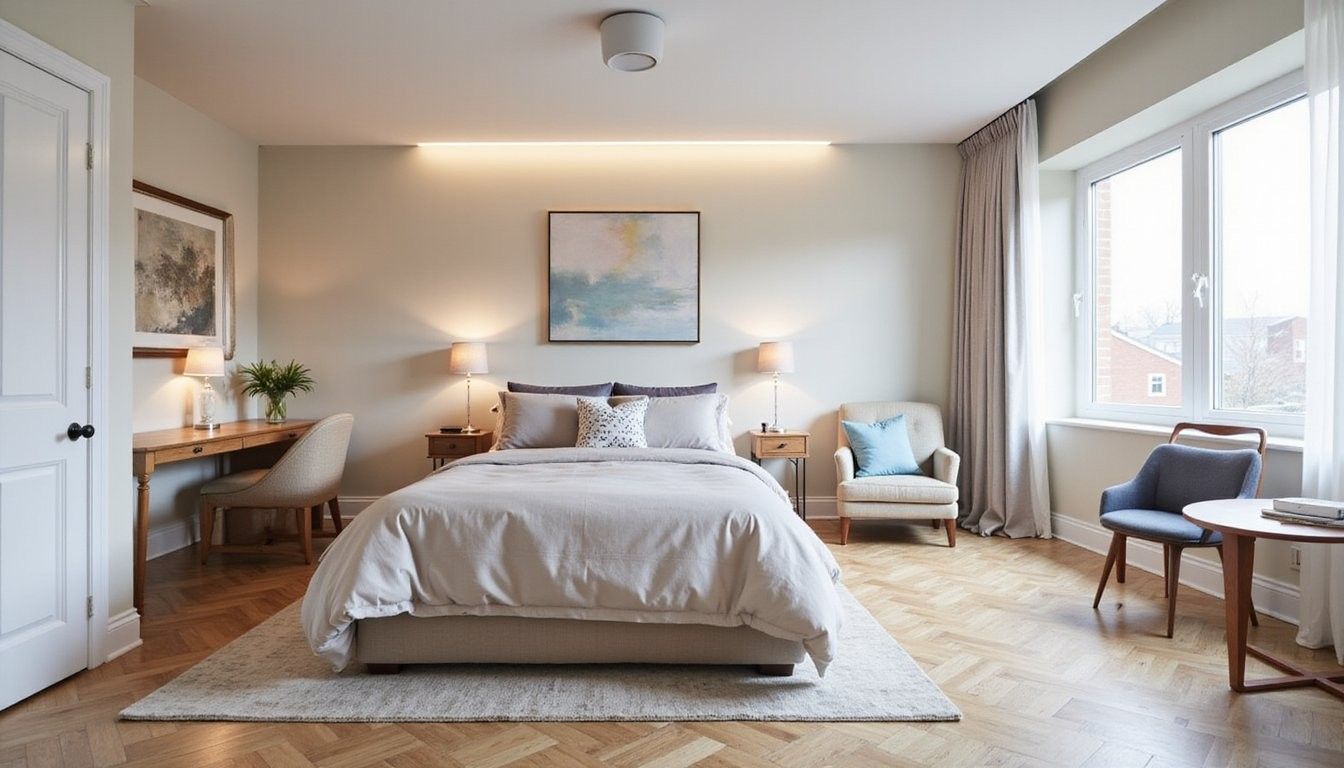
A single room can perform both roles well with smart decisions. With careful zoning, furniture choices, and storage strategies you can create a calm place to sleep and a productive place to work without either function undermining the other.
Design choices set the tone more than the room size. Small footprints respond well to multifunction solutions when priorities are clear and each item serves more than one purpose.
Myth-Buster Box
Reality: Thoughtful layout, multiuse furniture, and smart storage let a space serve guests and daily work without compromise.
Welcome Note
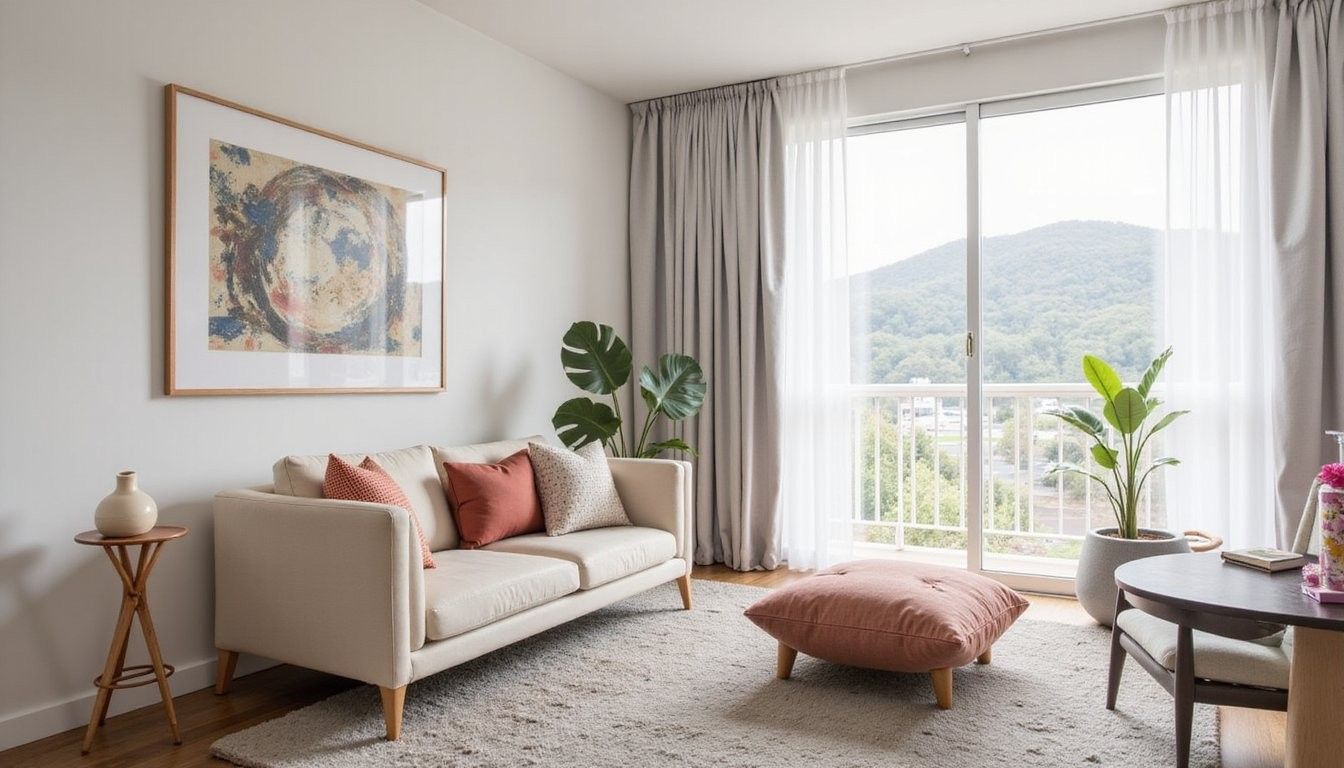
Start by clarifying how you really use the room. Identify the frequency of overnight stays, the length of work sessions, and whether you need video-call privacy so the design supports real life and not an idealized scenario.
Make choices that suit both short visits and daily routines. When you plan with both guests and work in mind you avoid constant rearranging and create a room that feels intentional and calm for either purpose.
Tools & Materials
- Fold-out or Murphy-style bed — choose a model with quick setup and unobtrusive hardware.
- Compact desk or wall-mounted drop-leaf surface — pick a finish that coordinates with bedroom elements.
- Modular shelving and lidded baskets — these hide office gear and guest supplies alike.
- Noise-control elements — a rug, curtains, and a quality door sweep cut echo and protect sleep.
- Task and ambient lighting — combine an adjustable desk lamp with warm overhead or wall lighting.
- Charging station and cable organizers — keep electronics accessible but out of sight when hosting.
Layout and Zoning
Define functional zones rather than forcing strict separation. Use a rug to anchor the sleep area and a different texture or mat under the desk to subtly mark the workspace, which helps the brain switch modes even in a single room.
Orient the bed and desk for their primary uses. Position the sleeping surface away from the door for privacy while placing the desk near natural light and outlets to support comfortable work sessions and reduce cable clutter.
Keep a clear path for guests and daily flow. Arrange furniture so visitors can reach the bed and storage without crossing the active work zone, which reduces friction when the room is used for both purposes.
Use visual separation to create privacy without heavy partitions. A tall shelving unit, a curtain, or a slim screen can block sight lines during calls or overnight stays while retaining light and air movement.
Think vertical to increase usable floor area. Floating shelves and wall-mounted lighting free up ground space for a sleeper sofa or a compact daybed while maintaining storage capacity for office supplies and guest linens.
Furniture and Storage Solutions
Choose pieces that serve more than one purpose. A bench with internal storage, a desk with a cabinet deep enough for bedding, and a sofa-bed with a neat profile all help you keep the space tidy while switching between uses quickly.
Prioritize quick transitions between modes. Pick furniture that folds, slides, or tucks away in seconds so you don’t avoid hosting because setup feels like a chore, which encourages regular use by both residents and guests.
Hide work clutter with closed storage layered beneath open display. Use lower cabinets for printers, notebooks, and chargers while reserving a shelf or two for decorative items that make the room feel calm and welcoming to visitors.
Label interiors rather than surfaces to keep visual calm. Inside drawers or baskets, create named spots for guest towels, linens, and toiletries, and for office items like notepads and spare cables, which speeds cleanup without adding visual noise.
Balance accessibility with concealment to protect sleep quality. Place frequently used office gear within arm’s reach but behind a door or curtain when guests arrive so the room reads as a restful bedroom rather than an active office.
Lighting and Sound
Layer light to suit work tasks and create a soothing night environment. Combine cool task light for focused work with dimmable warm overhead or wall lighting for evenings, which helps signal to the brain when it’s time to slow down.
Choose window treatments that allow daylight control and privacy. Use a combination of light-filtering blinds and heavier curtains so you can screen glare during work and block streetlight during overnight stays.
Manage sound without heavy construction. A thick rug, upholstered furniture, and fabric wall art absorb ambient noise, and a white-noise machine or fan can create steady background sound that helps both concentration and sleep.
Place lighting with zones in mind. Ensure the desk has an adjustable lamp with no glare on screens and consider bedside reading lights that guests can use independently of your workspace lighting to avoid disturbances.
Small investments in light and acoustics pay off more than swapping furniture. Thoughtful fixtures and soft surfaces improve both adult productivity and guest comfort without a full remodel.
Daily Routines and Guest Preparation
Create a short daily reset habit that serves both uses. Spend five minutes each evening clearing paperwork into a basket and closing the laptop, which makes the room ready for an unexpected guest without effort.
Prepare a quick guest checklist you can store with linens. Keep a simple bag of essentials — fresh pillowcases, a compact towel, and a bedside water carafe — so you can make the room inviting in minutes rather than hours.
Establish boundaries for work times and guest times. Use a visible habit like closing a privacy curtain or sliding a panel to mark when work ends, which helps you shift role and signals to guests that the space is meant to relax.
Keep chargers and cables in a dedicated drawer for easy access. A shallow organizer with labeled slots stops the mess that makes a room look like an office overnight and speeds setup when guests arrive.
Cost vs Impact Comparison
Understand where to invest for the biggest payoff. Some purchases change the feeling and functionality far more than others, so spending strategically improves both guest comfort and daily productivity.
| Item | Cost | Impact on Dual Use |
|---|---|---|
| Good mattress or mattress topper | Moderate | High |
| Fold-away desk | Low to moderate | High |
| Decorative accents and textiles | Low | Medium |
| Acoustic panels | Moderate | Medium to high |
Pro vs Con Table
Compare trade-offs to choose what matters to you. No layout is perfect for every household, so match strengths to your routines and tolerate small compromises where necessary.
| Approach | Pros | Cons |
|---|---|---|
| Sofa-bed | Space saving, daytime seating | Can be less comfortable for long stays |
| Murphy bed | Fast setup, clear floor | Higher upfront cost |
| Daybed with trundle | Comfortable, layered look | Takes more floor space |
Quick Decision Boolean Guide
Use a simple yes/no table when you must choose quickly. This helps you prioritize features like comfort, setup speed, and storage without overthinking minor details.
| Need | Yes/No |
|---|---|
| Priority is daily productivity | Yes |
| Priority is frequent overnight guests | No |
| Need instant guest-ready setup | Yes |
What to Avoid
Resist the urge to purchase obvious but bulky items. Large pieces that favor appearance over practical storage make multifunction use harder and create blind spots where clutter accumulates, which undermines both rest and work.
Don’t forget flexible storage close to the bed and desk. If linens and office supplies live in separate rooms you will waste time and add friction to hosting, so consolidate essentials near the multipurpose area instead.
Maintenance and Seasonal Adjustments
Plan for regular seasonal swaps to keep the room fresh. Rotate heavier bedding into storage in warm months and swap in lighter textiles, which keeps the space comfortable for guests and avoids permanent heaviness that can feel cluttered.
Schedule a monthly reset to tidy desk surfaces and refresh guest kits. A short, consistent routine prevents build-up of work mess and keeps the room ready for both visits and focused days without dramatic effort.
Keep a small sewing kit and basic tools nearby. Quick fixes like a loose button or a squeaky hinge are easier to solve on the spot and maintain the feel of care that both guests and hosts notice.
Styling to Calm and Welcome
Choose a restrained palette and layered textiles to make the room feel restful. Soft colors, tactile throws, and a few well-chosen decorative pieces communicate hospitality while keeping attention off work gear that you need to store.
A small selection of artwork and plants lifts the mood without visual chaos. Living greenery and a single framed piece create warmth and personality that guests appreciate and that makes work hours feel less sterile.
Keep surfaces visually simple so cleanup is fast. Minimal desktops and clear bedside tables let you prepare for a guest quickly, which reduces stress and encourages spontaneous hosting.
Small Upgrades That Make a Big Difference
Swap standard bulbs for dimmable LEDs with adjustable color temperature. This change helps you shift from alert daylight for work to a warmer, sleep-friendly tone for evening and overnight guests with a single control.
Add a bedside charging station that hides cables. Guests appreciate a tidy place to charge devices, and you keep electronics off main surfaces which keeps the room feeling less like an office.
Install a slim shelf above the desk for hospitality items. A dedicated spot for guest slippers, a small basket with toiletries, or spare chargers keeps those items out of the work zone yet ready when needed.
FAQ
How do I make a workspace disappear when guests arrive? Store laptop, paperwork, and cables in a single lidded basket or shallow drawer that you can tuck away quickly and position furniture so guest access does not require moving gear.
What is the quickest way to make a bed in a multipurpose room? Keep a ready set of bedding in a labeled container near the bed and use a duvet with a removable cover for fast laundering and quick changes.
Can small rooms feel welcoming and functional at once? Yes, clear zoning, layered lighting, and compact multiuse furniture allow even modest spaces to support rest and work comfortably.
How should I handle noise if someone is working while another sleeps? Use soft furnishings, a white-noise source, and timing strategies so work calls happen outside main sleeping hours when feasible, and consider headphones for louder tasks.
Which investment returns the most toward comfort and utility? A high-quality mattress or topper and a simple system for hiding workspace items yield the most immediate improvement to both guest experience and daily workflow.
