
The Struggle
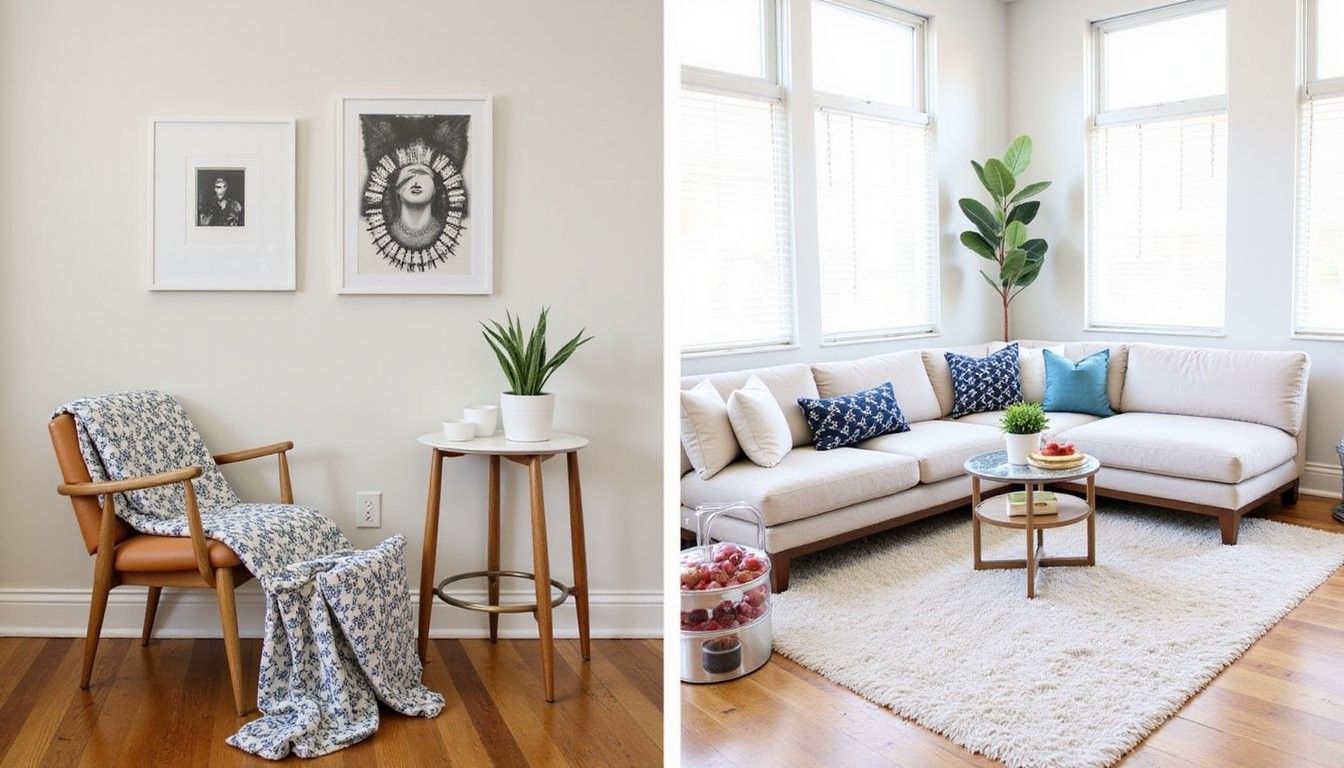
Many people feel stuck when their living space looks mismatched and uneven because high-end finds can overpower thrifted or budget items and cheap pieces can make a carefully chosen anchor feel less special, which leads to frustration and second-guessing at every styling step.
The Quick Fix
Create a deliberate mix of splurge and budget pieces by choosing one or two investment items as visual anchors and pairing them with thoughtfully chosen affordable accents to build cohesion, variety, and personality in a way that reads curated rather than chaotic.
The worry often shows up as guilt over spending or fear of looking cheap and that emotional tug-of-war can stop people from finishing a room, leaving corners bare or waiting to buy everything at once instead of making steady progress with smart pairings.
Getting Started
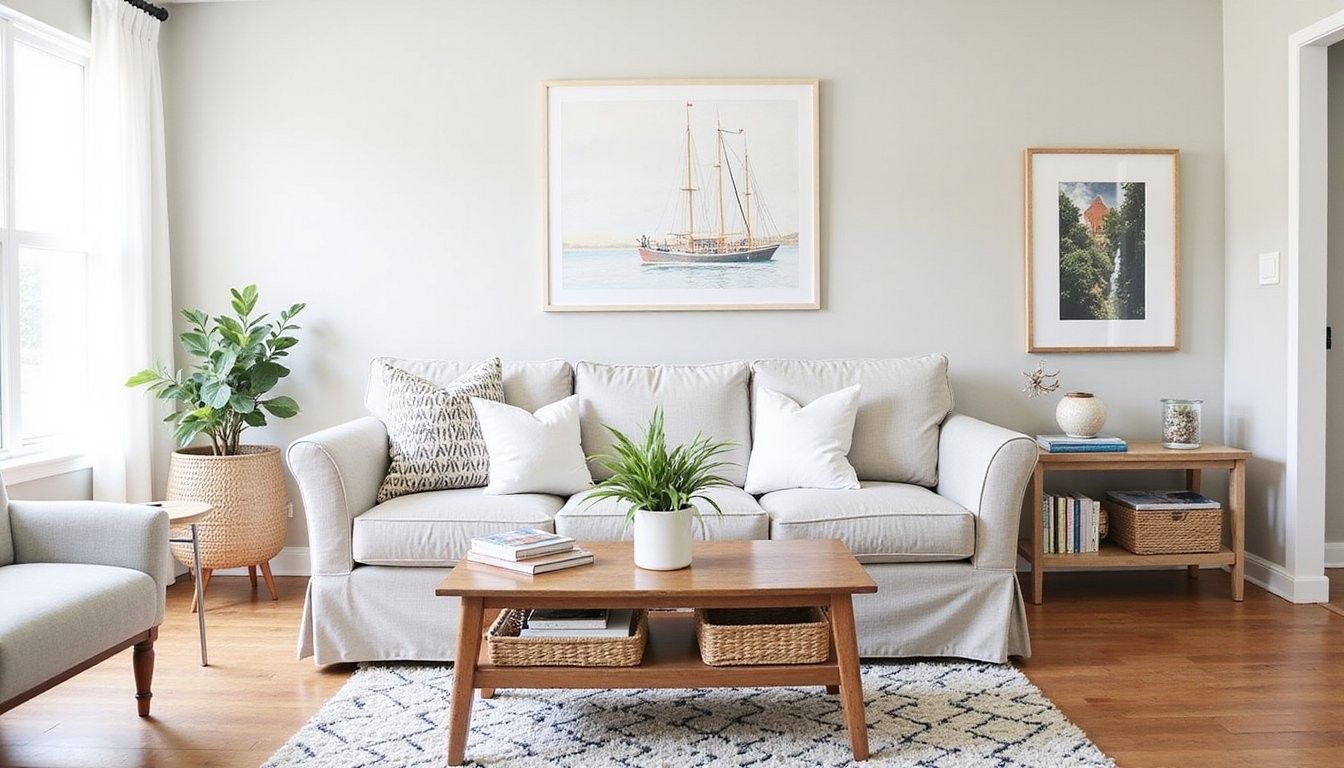
Begin with a clear visual goal by noting the mood you want—calm, lively, layered, or minimalist—and use that intention to guide whether a piece should be an investment or a budget-friendly complement, which helps prevent random purchases that fight with the room.
Decide on one dominant element to anchor the space such as a sofa, bed, or large rug and commit to making that your splurge if you want longevity and comfort, while allowing smaller pieces to be inexpensive experiments that add texture and seasonal flexibility.
Identify the design thread that will tie pieces together like a repeated color, finish, or material so that even when mixing price levels every item contributes to a cohesive overall story and the room reads calm rather than cluttered.
Tools & Materials

- A notebook or digital note app for tracking items, prices, and where each piece will live in the room so you can weigh choices without impulse decisions.
- A tape measure and scale references to ensure that both splurge and budget pieces will fit proportionally, preventing expensive mistakes from poor sizing.
- Swatches or sample pieces to compare finishes and fabrics in the actual light of the room and avoid mismatched undertones.
- A basic toolkit including hooks, level, and simple hardware so you can install and tweak pieces immediately and assess how they read together.
- A camera or phone to take progress shots from multiple angles so you can step back and check balance and rhythm objectively.
Balance Basics
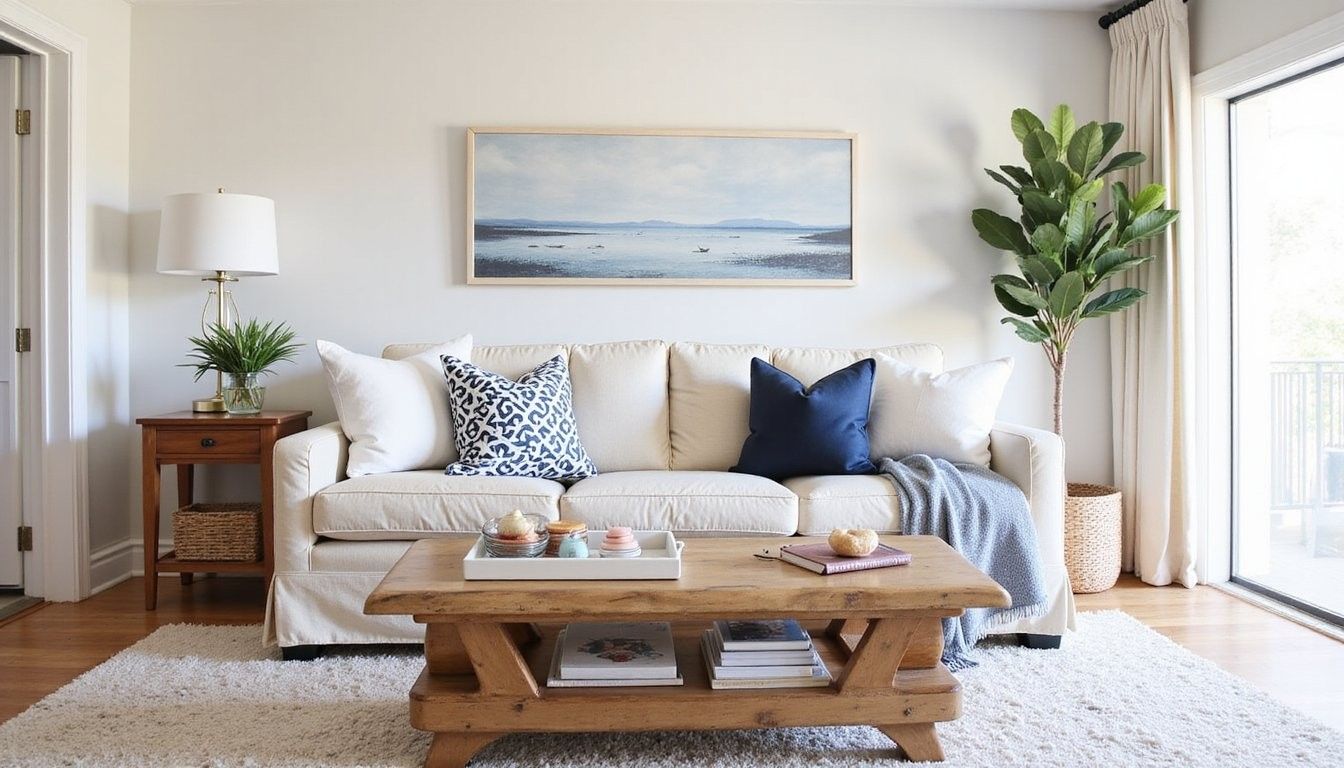
Think in terms of scale, contrast, and rhythm because successful mixes often rely on balancing a statement splurge with quieter budget pieces so that the eye has places to rest and points of interest without competing focal points creating visual noise.
Use proportion to moderate perceived value by pairing an expensive large piece with several smaller affordable items; the smaller scale of budget pieces keeps the room feeling curated while the investment anchors the composition and elevates the whole scheme.
Pay attention to color temperature and finish as matching warm woods with cool metals or mixing satin and matte surfaces can either harmonize or clash, so lean toward repeating a finish or hue two or three times to create intentionality that makes edges between price tiers invisible.
Introduce texture to blur differences between price points by layering textiles, woven baskets, and varied upholstery so that tactile richness distracts from price and emphasizes sensory appeal rather than cost labels.
Mixing Methods
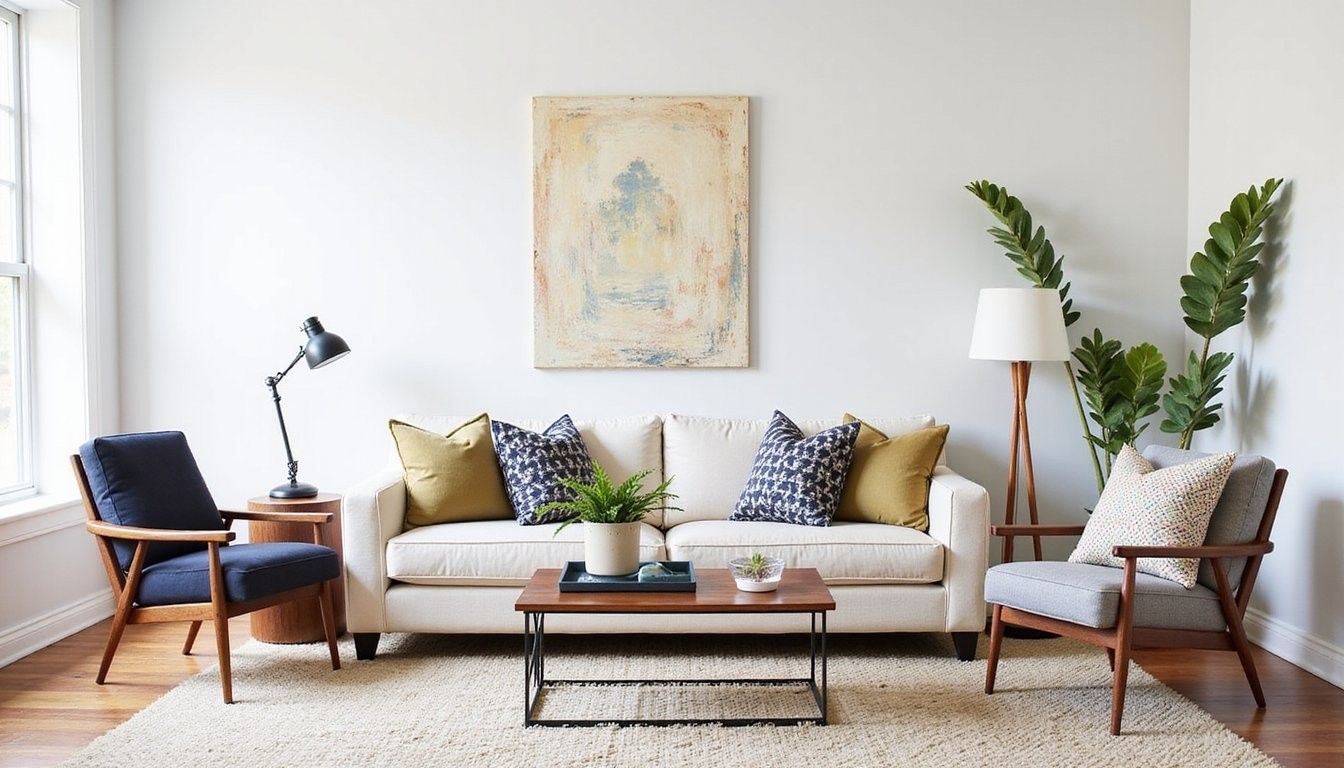
Choose an anchor-and-accents strategy where one or two high-quality items establish the room’s tone and the surrounding affordable pieces echo colors, shapes, or materials to build continuity and keep spending focused on what matters most.
Apply the 60/30/10 idea in practice by treating it as a flexible rule: 60 percent foundational elements (which can include your main splurge), 30 percent secondary pieces, and 10 percent accents that can be swapped often and purchased cheaply to refresh the look without huge expense.
Mix classic investment shapes with trendy budget finds to keep the room grounded while still feeling current, which means choosing timeless silhouettes for splurges and experimenting with fashion-forward items at lower cost for personality.
Run a small test by placing items together before committing because rearranging a few pieces or swapping cushions will reveal whether the pairing reads cohesive or discordant, saving money and time by validating the combination early.
| Cost Tier | Best Use | Visual Effect |
|---|---|---|
| Splurge | Anchor furniture and lasting textiles | Creates presence and longevity |
| Mid-range | Statement chairs, lighting, rugs | Adds personality and scale |
| Budget | Accessories and seasonal swaps | Offers flexibility and layering |
Styling and Layering
Layer with intention to connect value differences by using a common thread such as a repeating texture, color pop, or metal finish across both splurge and budget items so the eye reads a thoughtful plan instead of price mismatches.
Group objects into vignettes to create small curated scenes and balance an expensive lamp or artwork with thrifted books, plants, or ceramics to reduce visual tension and give each piece a job within the composition rather than leaving them to compete for attention.
Use repetition to sell the scheme by repeating a material or color in three or more places around the room which creates rhythm and trust in the eye, making the mixture of price levels feel deliberate rather than accidental.
A well-layered room tells a story about how objects relate rather than how much they cost because texture, color, and placement are stronger signals of style than price tags and can be used to nudge perception toward cohesion.
Practical Trade-offs and Quick Comparisons
Making smart choices often means weighing what you notice most versus what you feel comfortable replacing over time because you can save by buying temporary trend pieces cheaply while investing in core items that will age well and be easy to refresh with small updates.
| Decision | Cost | Expected Lifespan |
|---|---|---|
| Wearing piece daily (sofa) | Higher | Long |
| Seasonal trend decor | Lower | Short |
| Statement light fixture | Mid to Higher | Long |
A small boolean check can help when making quick buys by asking: does this fill a gap, repeat an element, or elevate the primary anchor; if the answer is no, it can wait or be bought cheaply until a better option appears.
| Feature | Splurge | Budget |
|---|---|---|
| Everyday comfort | Yes | No |
| Trend-driven accents | No | Yes |
| Visible hardware and finish | Yes | Use with care |
Common Mistakes
Many rooms read mismatched because buyers forget to repeat elements and the result is a collection of good pieces that lack a unifying thread, which makes cost differences obvious rather than integrated into a single narrative.
Another common error is ignoring proportion when mixing price ranges because a tiny budget lamp next to a massive designer sofa can read like an afterthought instead of a complementary choice, so test scale first and style second.
Frequently Asked Questions
What if I can only buy budget items right now? Focus on selecting items that repeat a material or color that could complement a future investment piece, and prioritize pieces that are easy to swap so you can update the room gradually as your budget allows.
How many splurge items should I have in a room? Aim for one or two meaningful investments that anchor the space and then surround them with thoughtful budget items that echo key tones or textures to create balance and personality without overspending.
Can I mix different eras and still have a cohesive look? Yes—use a repeating thread like metal finish, color family, or texture to link pieces across eras so that eclectic choices feel intentional and curated rather than haphazard.
Is it better to splurge on furniture or accessories? Prioritize splurging on furniture you use daily and that plays a structural role in the room, and reserve accessories for budget-friendly experimentation that lets you adjust mood and color affordably.
