
The Struggle
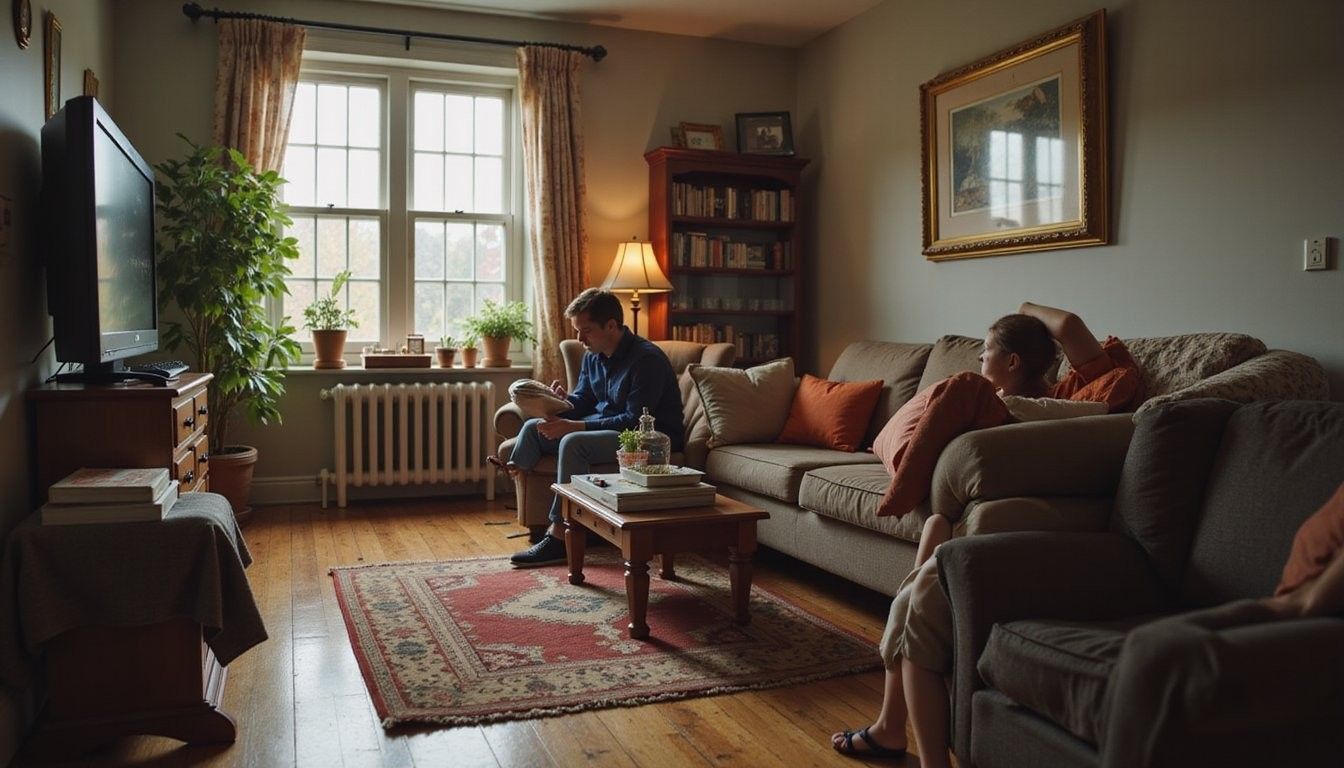
Feeling boxed in? Many homes have rooms that feel cramped, dim, and cluttered, which can make everyday tasks feel tight and tiring instead of relaxing.
Loss of flow saps joy. A small footprint combined with poor light and heavy furniture leaves surfaces closing in and corners disappearing into shadow, and that creates a sense of tension that interferes with how you use and enjoy the room.
The Fix (Summary)
The Quick Fix
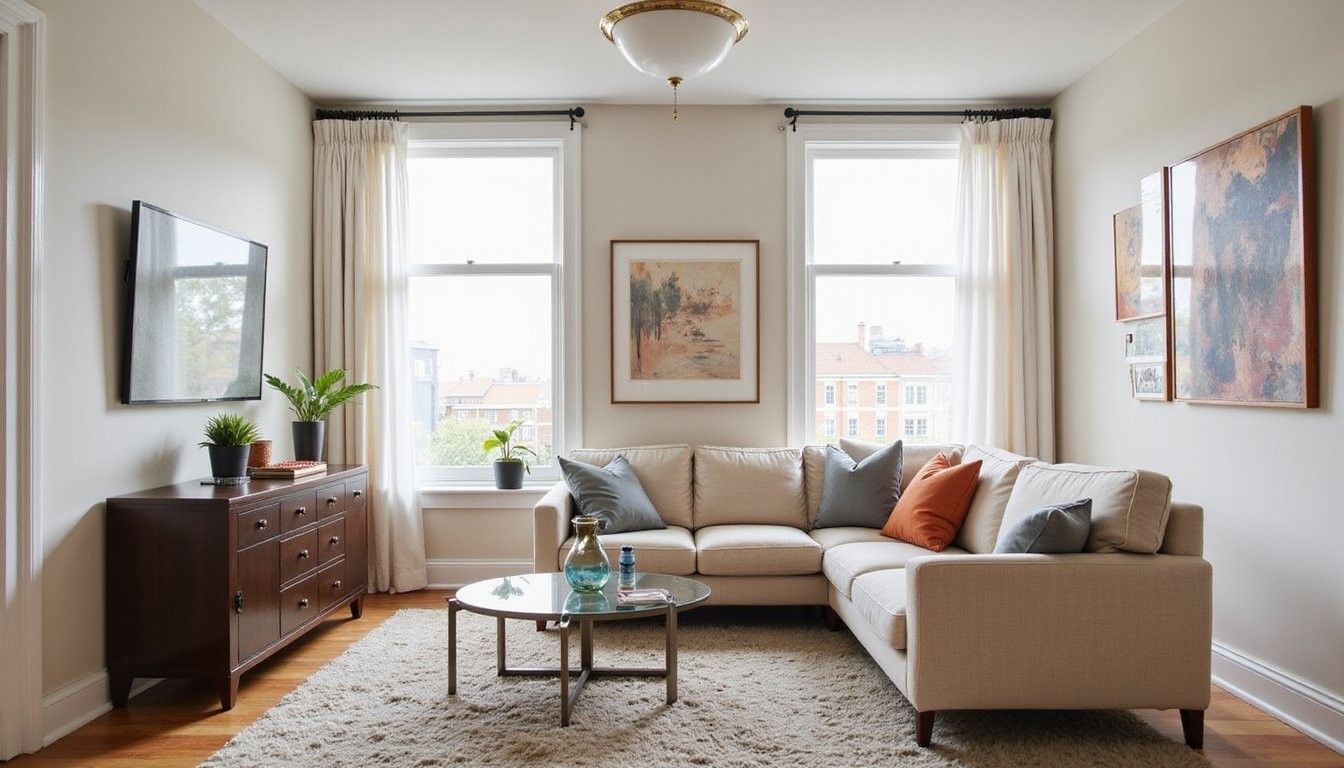
Brighten and reflect. Use well-placed mirrors to multiply light sources and add carefully layered lighting to open sightlines so walls and corners feel farther away than they are.
Overview
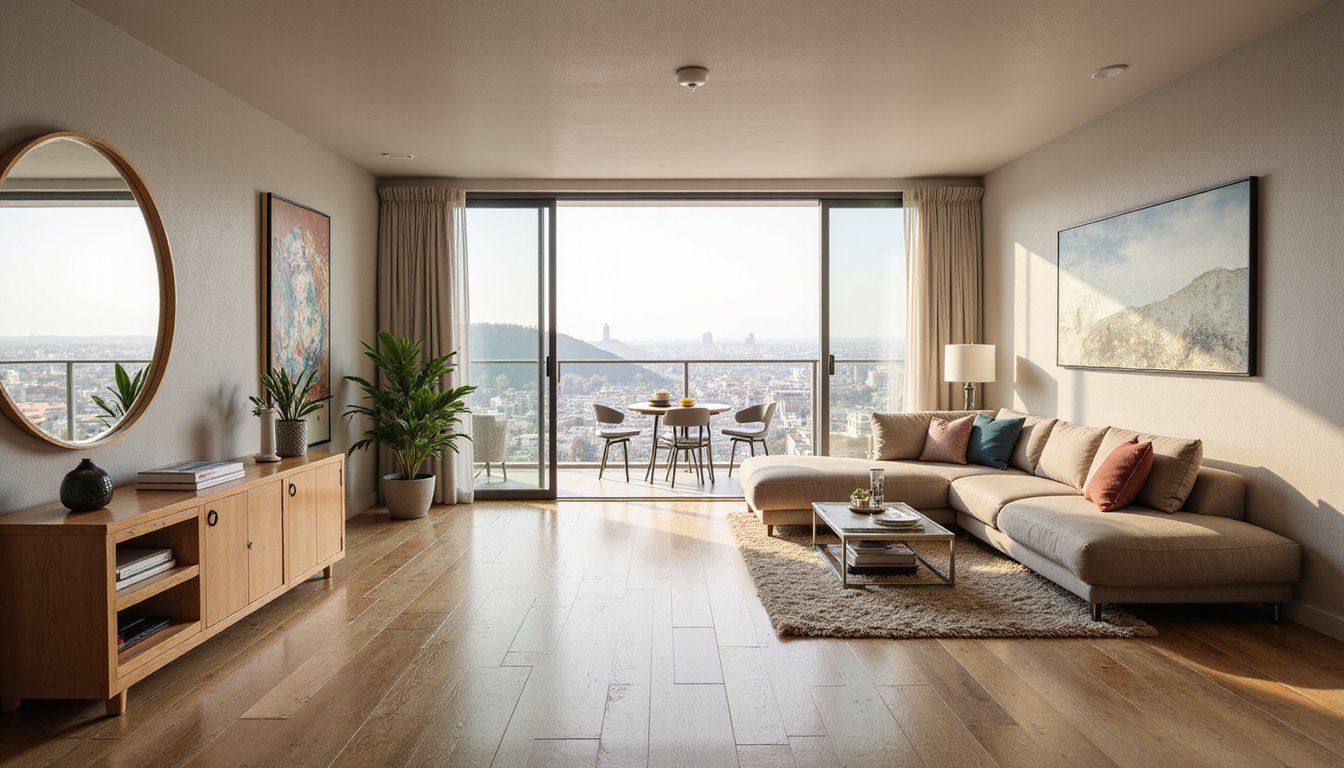
Start with the effect you want. Think about how open, airy spaces feel—light bouncing from surfaces and uninterrupted sightlines—and use mirrors and lights to recreate that perception even when square footage is limited.
Mindful choices change perception. Selecting mirror size, shape, placement, and the right mix of ambient, task, and accent lighting will transform how the room reads to the eye and the mood it projects to anyone who enters.
What You Will Need
Gather practical supplies. A short checklist helps avoid last-minute trips and keeps the project focused so you can see progress quickly.
- Large wall mirror or two medium mirrors with hanging hardware
- Full-length or floor mirror where possible
- Mirror adhesive or secure mounting brackets
- Layered lighting: ceiling fixture, table or floor lamps, and adjustable task lights
- Soft white bulbs (2700K–3500K range) and, if desired, daylight bulbs for north-facing rooms
- Dimmer switches and plug-in timers or smart bulbs for control
- Measuring tape, level, and painter’s tape for mock placement
Mirror Placement Strategies

Reflect natural light to multiply brightness. Position a mirror opposite or adjacent to the largest light source so the mirror captures daylight and throws it deeper into the room, which tricks the eye into reading the space as wider and airier.
Extend sightlines with careful orientation. Placing a mirror across from a doorway, along a long wall, or next to a passage visually doubles the distance to that wall and reduces the sense of enclosure, and hanging a slim vertical mirror can echo the height of a window for a farther-reaching effect.
Mirror Placement Strategies — Continued
Choose proportion to match scale. A mirror should relate to the wall and furniture around it so that a too-small mirror becomes a missed opportunity while an oversized mirror can dominate a tiny space awkwardly; aim for balance by making the mirror large enough to read as a surface rather than a picture.
Lean when wall anchoring is limited. A floor or leaning mirror adds depth without complex installation and creates a layered look when set at an angle to reflect different parts of the room, which softens perspective and adds an effortless, lived-in feel.
Lighting Techniques
Layer light for dimension. Combine ceiling fixtures for general glow, task lamps for focused use, and accent lights for highlighting and depth so each plane of the room receives attention and the eye moves through space rather than stopping at dark corners.
Match color temperature to mood. Soft white bulbs warm a room and make reflective surfaces feel welcoming while slightly cooler bulbs can read as crisp and modern in spaces with pale finishes; pick a primary color temperature and keep accent lights within a close range to avoid visual conflict.
Lighting Techniques — Continued
Avoid single-center glare. A single overhead light can flatten a room and cast harsh shadows that make walls close in, so spread light sources across the space to soften edges and reveal detail without increasing brightness to uncomfortable levels.
Install dimmers for flexible control. Being able to lower or raise overall light quickly allows the room to feel open during active hours and cozy in the evening, and dimming also changes how mirrors read the space by reducing hotspots and enhancing subtle reflections.
Combining Mirrors and Lighting
Use mirrors to amplify well-placed lamps. A table lamp reflected in a mirror creates the illusion of an additional light source and can warm far corners without extra wiring, making the room feel layered and more expansive at lower energy cost.
Place accent lighting near mirrors. Sconces or picture lights flanking or topping a mirror can create gentle backlight and halo effects that separate the mirror plane from the wall, which helps the eye perceive depth beyond the reflective surface rather than a flat echo.
Combining Mirrors and Lighting — Continued
Mind reflections to avoid clutter duplication. Angle mirrors so they show open sightlines or foliage instead of reflecting busy shelves or messy corners, because multiples of visual clutter multiply the sensation of chaos rather than relief.
Use mirror clusters for rhythm. Grouping small mirrors on a single wall creates a window-like pattern that suggests continuity and movement without the risk of a single dominant piece overwhelming the room’s proportion.
Styling and Finishing Touches
Keep frames simple to avoid visual weight. Slim metal or narrow wooden frames read lighter than chunky moulding, and a minimal frame helps the mirror act as an extender of space instead of a decorative focal point that pulls attention away from flow.
Coordinate reflections with decor palette. Make sure what appears in the mirror complements the room’s tones and textures so the doubled view feels intentional and curated rather than accidental or mismatched, which enhances harmony and perceived scale.
Practical Examples and Measurements
Follow proportional rules of thumb. For a mirror above a console or sofa, aim for widths around two-thirds to three-quarters of the furniture piece so the mirror reads as an extension and not a standalone object, which keeps scale comfortable and intentional.
Use painter’s tape for mockups. Temporarily marking proposed mirror edges and lamp positions lets you test sightlines and light coverage before drilling holes, saving time and preventing costly rehanging or repositioning.
Comparison Tables
Compare options to pick the best fit. The tables below help you weigh cost, visual return, and installation ease so choices match your budget and DIY comfort level rather than guessing and backtracking.
| Option | Typical Cost | Installation | Visual Return |
|---|---|---|---|
| Large fixed wall mirror | Moderate | Permanent mount | High |
| Leaning floor mirror | Low–Moderate | Simple | Medium |
| Mirror cluster | Low | Easy | Variable |
| Solution | Pros | Cons |
|---|---|---|
| Wall mirror | Maximizes depth | Needs secure mount |
| Leaning mirror | Flexible placement | Takes floor space |
| Mirror grouping | Decorative and forgiving | May reflect clutter |
Quick Checks (Boolean Table)
Fast decision guide. This compact table helps you decide whether a solution fits a small room before you buy or install anything.
| Feature | Works Here? |
|---|---|
| Large wall mirror | Yes |
| Leaning mirror | Yes |
| Mirror reflecting open view | Yes |
What to Avoid (Required Warning Box)
Pro Advice 1
Place mirrors to catch green. Reflecting houseplants or a glimpse of outdoor foliage inside a mirror adds color and a sense of continuity that suggests the room extends beyond its walls.
Pro Advice 2
Use warm reflections for softness. When wall finishes and textiles are warm-toned, mirrors help bounce that warmth across the room so surfaces feel connected and less boxed in.
A Quick Blockquote
Less can feel larger. Clear floor space and thoughtfully placed reflections help the eye move rather than stop, and that sensation alone can make a room feel free and generous.
Frequently Asked Questions
Will a mirror double my light? Yes, a mirror can double the perceived light when placed to catch daylight or a lamp, and even modest lamps feel more impactful when their glow is echoed across a reflective surface.
Can mirrors make a room feel cold? They can if the reflected view is stark or the frame is heavy, so choose warmer bulb tones and lighter frames to keep the space feeling inviting rather than clinical.
What size mirror is right? A mirror that reads as a surface rather than a picture usually needs to be fairly large relative to the furniture around it, and mockups with tape help you judge proportion before purchase.
Are mirrored walls a good idea? A single mirrored wall can open a room dramatically but may require careful placement to avoid reflecting clutter or repeating awkward angles, so treat mirrored walls as a commitment rather than a quick fix.
