
Key Takeaways
- Maori and Aboriginal refer to the Indigenous peoples of New Zealand and mainland Australia, respectively, each connected to distinct geopolitical territories.
- Both groups maintain deep-rooted cultural identities shaped by their unique environments, oral traditions, and historical experiences.
- Land, language, and kinship play central yet differently interpreted roles in each group’s social structure and worldview.
- Political recognition, treaty arrangements, and rights movements have unfolded along divergent paths for Maori and Aboriginal peoples due to varied colonial policies and local contexts.
- Modern expressions of identity involve revitalization efforts, artistic contributions, and ongoing negotiations for self-determination within their respective nations.
What is Maori?
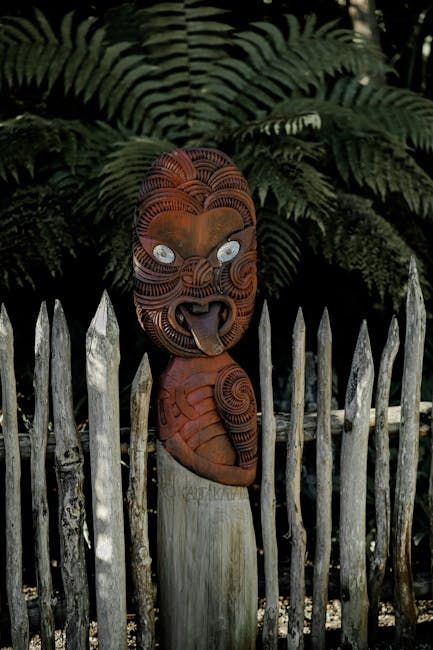
Maori are the Indigenous Polynesian people of New Zealand, whose ancestral arrival predates European settlement by centuries. Their presence is defined by a unique language, social structure, and deep connections to the land known as Aotearoa.
Origins and Territorial Identity
Maori trace their origins to Polynesian navigators who settled the islands of New Zealand around the 13th century. Over generations, these early communities developed distinct iwi (tribes) and hapū (sub-tribes) across the North and South Islands.
Their connection to land is formalized through the concept of “whenua,” reflecting both physical territory and spiritual belonging. Each iwi holds specific rights and ancestral claims to defined geographical areas, influencing contemporary resource management and political discourse.
Place names across New Zealand, such as Waikato or Taranaki, signify historical Maori occupation and enduring custodianship. Territorial boundaries are often marked by natural features like rivers, mountains, and coastlines, which hold cultural and genealogical significance.
Modern Maori identity remains intertwined with these defined territories, shaping community activities, ceremonial gatherings, and legal negotiations. In recent decades, land settlements and treaty claims have further reinforced the geopolitical dimensions of Maori self-identity.
Social Organization and Kinship
The traditional Maori social system is based on collective kinship, with the whānau (extended family) as the foundational unit. Above the whānau are hapū and iwi, each responsible for governance, land stewardship, and cultural transmission.
Leadership roles, such as the rangatira (chief), are determined by lineage and service to the community. Decision-making often involves consensus and participation from elders and respected members, fostering a sense of shared responsibility.
Maori social gatherings, or hui, facilitate intergenerational knowledge exchange and community cohesion. Marae (communal meeting grounds) serve as vital centers for both ceremonial and day-to-day activities, reinforcing territorial ties.
Kinship networks extend beyond immediate geography, connecting Maori across urban and rural settings, and enabling coordinated responses to social and political challenges. The emphasis on whakapapa (genealogy) ensures the continuity of cultural identity and responsibility to the land.
Language and Cultural Revitalization
Te Reo Maori, the Maori language, is a cornerstone of identity and cultural practice. Despite a period of decline during colonial rule, concerted revitalization efforts have led to increased use in education, media, and public life.
Language plays a key role in formal occasions, legal contexts, and the naming of places and institutions. Initiatives such as Kōhanga Reo (language nests) and Maori-language broadcasting have reinvigorated intergenerational transmission.
Traditional arts like kapa haka (performing arts), carving, and weaving are flourishing alongside modern Maori creative expressions. These cultural practices often reference ancestral stories, territorial affiliations, and environmental stewardship.
Maori language and artistic forms are increasingly celebrated on national and international stages, highlighting the group’s distinct geopolitical and cultural identity. Public policy continues to support the normalization and protection of Te Reo Maori within Aotearoa New Zealand.
Legal Recognition and Political Influence
The Treaty of Waitangi, signed in 1840, underpins Maori rights and relationships with the New Zealand state. This foundational document has shaped legal interpretations of land ownership, resource management, and self-determination.
Maori have established unique political representation through dedicated parliamentary seats and influential advocacy organizations. Regular negotiations with the government address grievances and facilitate compensation for historical injustices.
Recent decades have seen landmark settlements returning land, resources, and cultural assets to iwi and hapū. These agreements often include co-management arrangements for national parks, rivers, and coastal areas, reflecting Maori perspectives on stewardship.
Maori political influence extends into environmental law, education policy, and public health, reinforcing the importance of territorial identity. Dialogue between Maori and the Crown remains a dynamic aspect of New Zealand’s evolving constitutional framework.
What is Aboriginal?

Aboriginal refers to the Indigenous populations of mainland Australia, whose occupation dates back tens of thousands of years. Their collective identity is defined by a mosaic of languages, cultures, and spiritual connections to the Australian continent.
Diversity and Geographic Spread
Aboriginal peoples encompass hundreds of distinct nations, each with unique languages and cultural customs. Their traditional territories stretch across deserts, coasts, forests, and river systems, reflecting adaptation to varied Australian environments.
Clan and language groups are often tied to specific landforms, known as “Country,” which underpins spiritual beliefs and daily practices. The wide dispersal of groups has resulted in significant cultural diversity even within neighboring regions.
Many Aboriginal communities maintain ceremonial sites and sacred landscapes, whose access and custodianship are strictly regulated. These places are integral to social identity and the maintenance of cultural authority.
Migrations, displacements, and settlement policies since European colonization have altered traditional boundaries, yet connection to Country remains central to Aboriginal worldviews. Contemporary land rights movements seek to restore recognition of these ancestral territories.
Social Structure and Kinship Systems
Aboriginal societies are organized around complex systems of kinship, totemic affiliations, and moiety divisions. These frameworks dictate social obligations, marriage rules, and transmission of cultural knowledge.
Extended family networks provide mutual support and reinforce connections to land and tradition. Elders play a significant role in decision-making and the preservation of oral history, law, and ritual.
Kinship ties extend across language groups, facilitating alliances and trade between distant communities. Ceremonial gatherings, including corroborees, serve as important venues for cultural exchange and dispute resolution.
Despite the impact of urbanization and government intervention, kin-based structures continue to inform governance and social organization in Aboriginal communities. These relationships are crucial for negotiating contemporary challenges and maintaining a sense of belonging.
Language and Cultural Continuity
Aboriginal Australia was home to over 250 languages prior to European settlement, many of which are now endangered or being revived. Language is deeply linked to land, ceremony, and the transmission of creation stories known as Dreaming or Songlines.
Efforts to document and revitalize Aboriginal languages are supported by community initiatives and educational programs. These projects foster pride and intergenerational learning, particularly in remote and regional areas.
Art, music, and dance are central to Aboriginal identity, often depicting connections to Country and ancestral beings. Dot painting, bark art, and storytelling are globally recognized yet remain rooted in local significance.
Contemporary Aboriginal artists and performers use their platforms to address social issues, assert rights, and celebrate cultural resilience. The ongoing survival of language and tradition is a testament to the adaptability and strength of Aboriginal groups.
Recognition and Rights Movements
Unlike New Zealand, Australia has no formal treaty with its Aboriginal peoples, leading to a different trajectory of recognition. Aboriginal activism has focused on land rights, legal acknowledgment, and the rectification of historical dispossession.
The 1967 Referendum marked a turning point, granting Aboriginal Australians inclusion in national censuses and enabling federal legislative action. Landmark legal cases, such as Mabo and Wik, have established the principle of native title and challenged colonial land tenure systems.
Community-controlled organizations advocate for improved health, education, and social outcomes, often working independently from state structures. Political representation at national and regional levels remains an ongoing issue
