
The Myth
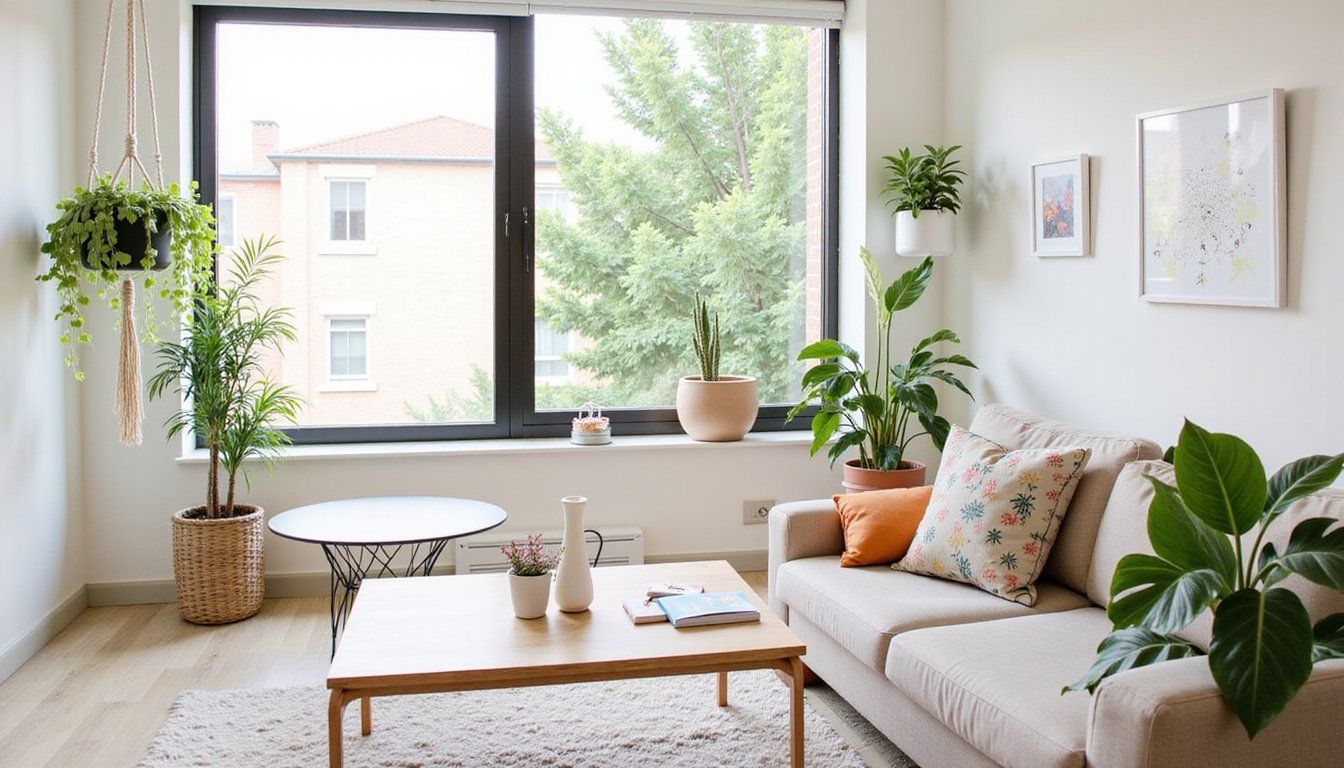
Many people claim macrame needs a lot of empty space and that statement keeps hobbyists from trying hanging plant projects in tight apartments because they picture tall windows and wide walls that they don’t have.
This belief makes some skip simple crafts and miss out on vertical greenery that can soften a compact home while using corners, rails, and ceiling hooks with skillful planning.
The Truth
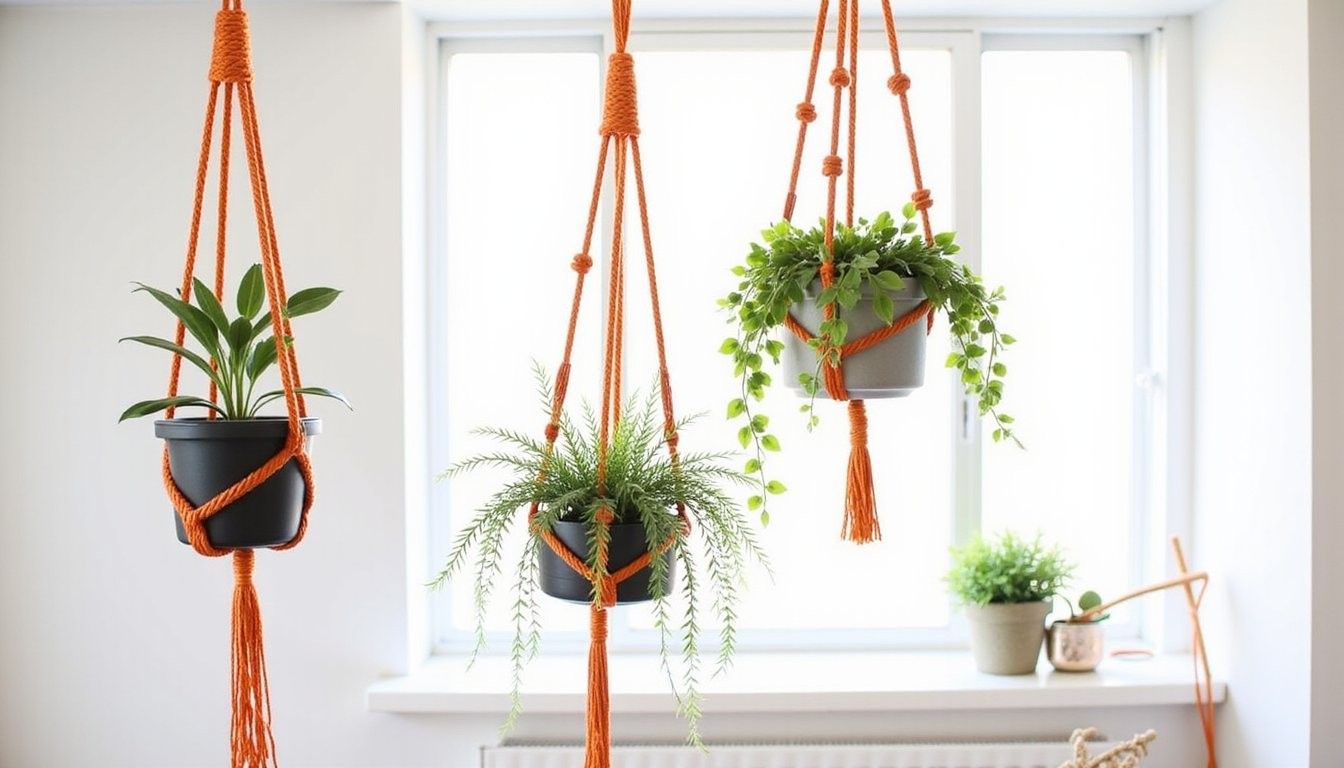
Macrame plant hangers are ideal for compact living because they lift plants off surfaces, free up tabletops, and create visual height without eating into floor area when you choose compact knots and shorter cord lengths.
With simple techniques you can make hangers for tiny balconies, narrow windows, or over a sink so that even the smallest homes enjoy the texture and life that hanging plants bring.
Myth-Buster Box
Reality: Compact hangers and clever mounting let you add hanging greenery to balconies, bathrooms, and narrow corners without sacrificing usable space.
Getting Started
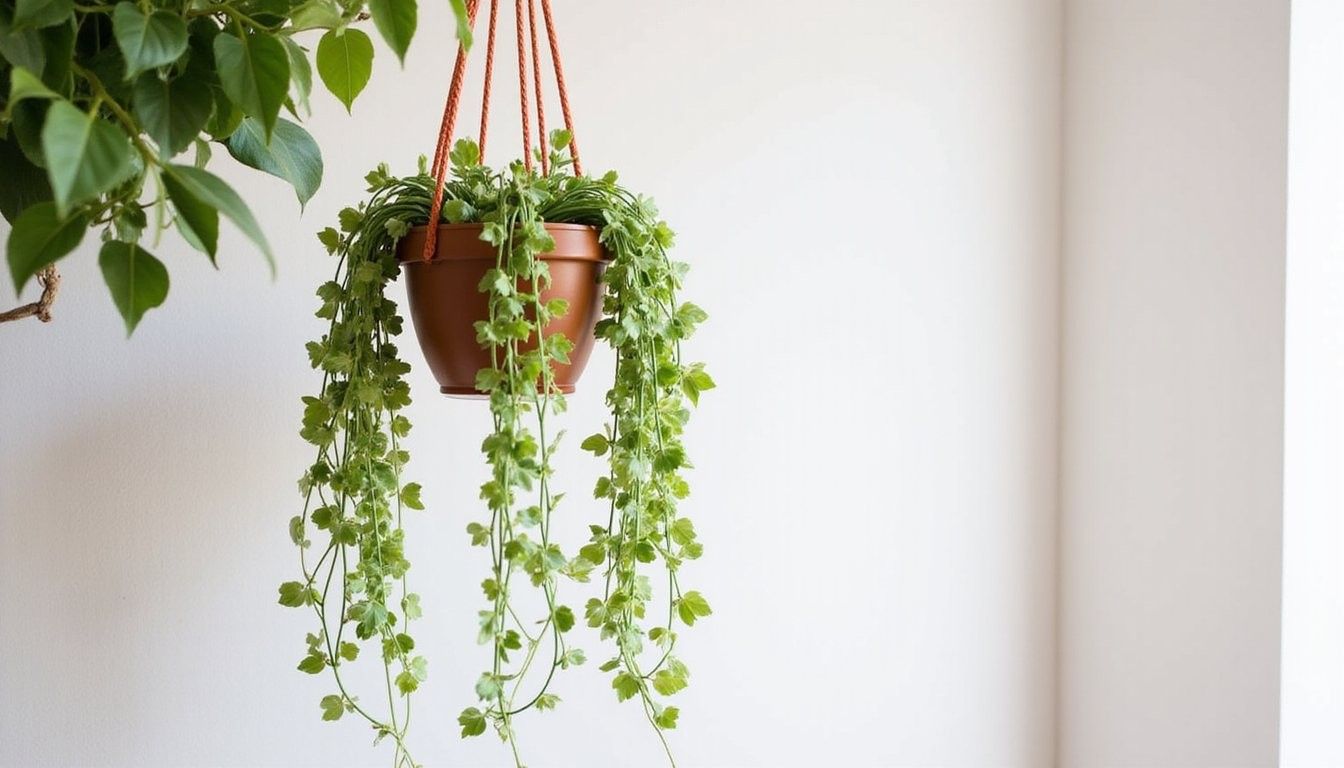
Start by imagining where a hanger will live because visualizing the exact spot helps you choose cord length, knot style, and mounting hardware that won’t overwhelm a tight area and ensures the plant will get the right light and clearance.
Measure vertical and horizontal clearance before you cut cord so that the finished piece hangs at a comfortable height without brushing shelves or obstructing doorways, which saves time and prevents redo work.
Tools & Materials
Gather a short checklist before you begin because having everything to hand makes the project quick and stress free and avoids interruptions that are awkward in compact homes.
- Macrame cord: 3mm to 5mm cotton cord (20–50 feet depending on finished length)
- Wooden or metal ring: 1.5″–3″ for ceiling or rail mounts
- Scissors and measuring tape
- Optional beads or small wooden dowel for style and stability
- Ceiling hook or S-hook rated for the pot weight
- Small pot with drainage saucer to protect surfaces below
Choosing the Right Cord and Knots
Select cord that balances strength and scale because thicker cord can look bulky in a petite space while a slimmer cord supports lighter pots and reads as delicate and modern when paired with small plants.
Practice a few foundational knots before cutting long lengths since mastering square knots and half hitch techniques on short samples helps you control tension and avoid bunching that makes hangers look heavy.
Designs That Save Space
Choose compact profiles like single-bundle hangers that cradle the pot closely instead of wide, cascading designs, because they tuck into corners and fit over narrow counters without stealing room.
Consider rail-mounted and window-rail hangers which use existing structures so you don’t need extra ceiling mounts and you keep floor and tabletop areas free for daily use.
Mounting Options for Small Homes
Ceiling hooks, tension curtain rods, and over-shelf S-hooks are all usable depending on tenant status and surface types, and choosing the right mount means you can hang plants without drilling into prized walls or using excessive space.
Test weight limits and use anchors or adhesive hooks rated for the load so that lightweight pots remain secure and you avoid accidents that can damage plants and interiors.
Step-by-Step Tutorial
Prepare cord lengths with a small allowance because cutting slightly longer pieces lets you tidy ends and adjust knot spacing for a snug fit around the pot rather than running out mid-project and needing to splice.
- Attach cord to ring: Fold four equal cords and secure with a lark’s head to a small ring, leaving equal tails for symmetry and balanced knots.
- Create the cradle: Make two or three sets of square knots spaced to form a cup that matches your pot’s height, adjusting spacing to make the cradle tighter for small pots.
- Form the hanger stem: Gather strands and bind with a wrapped knot or a few tight half hitch rows to create a short stem that lifts the pot to your desired height without dangling low.
- Finish and trim: Secure with a final knot, add a bead for visual weight if you like, and trim tails to a neat length so the hanger looks tidy in compact sightlines.
Sizing and Proportion for Small Pots
Match the cradle depth to your pot height so the rim rests near the top of the knot work, preventing the pot from tipping and keeping the visual footprint small and tidy in a tight area.
Keep the overall hanger length proportional to ceiling height and furniture so the plant sits at eye level or above a surface without interfering with movement or sightlines in a constrained room.
Styling and Plant Choices
Pick plants that thrive in the available light such as small pothos, baby rubber plants, or compact succulents when light is limited, because a healthy plant makes the hanger feel purposeful rather than decorative clutter.
Use pots with clean lines and modest rims to let the knot work show and keep the scale right for narrow shelves, railings, and small balconies where ornate pots would dominate the scene.
Materials Comparison
Compare cord types and expected durability because choice of cotton, jute, or synthetic fiber affects look, longevity, and how the knots hold up in humid spots like bathrooms.
| Material | Appearance | Durability in Humidity | Recommended Pot Weight |
|---|---|---|---|
| Cotton cord | Soft, classic | Moderate | Light to medium |
| Jute or hemp | Rustic, textured | Moderate to low | Light |
| Polypropylene | Smooth, modern | High | Light to medium |
Cost vs. Impact
Understand how small investments yield high visual returns because a little cord and a simple ring can transform an unused corner into a sculptural point of interest that elevates the whole room’s feel.
| Element | Estimated Cost | Visual Impact |
|---|---|---|
| Cord and ring | $5–$15 | High |
| Hardware (hook/anchor) | $3–$10 | Medium |
| Decorative bead or dowel | $2–$8 | Low to medium |
Quick Safety Checklist
Confirm that hooks and anchors match load ratings because a secure mount prevents drops that can harm plants and damage small interiors where spills are riskier on limited surfaces.
Keep drainage considerations in mind and use a saucer or hang the planter over water-safe areas so that accidental overflow doesn’t harm furniture or floors in tight quarters where water stains show easily.
Common Mistakes
Avoid overcrowding a single spot with heavy hangers because too many fixtures in a tiny area makes movement awkward and visually claustrophobic, while well-spaced single hangers create rhythm and airiness.
Troubleshooting and Adjustments
If the pot tilts, loosen and re-space knots while keeping the bundle symmetrical so the weight centers correctly and the plant hangs straight rather than pressing against walls or windows in narrow settings.
If knots slip, add stopper knots or a sewn wrap to the critical joins and consider a small bead threaded inside for friction so the hanger gains security without bulky reinforcement.
Creative Variations for Tiny Spaces
Try wall-mounted mini hangers that use a small dowel and sit flush to the wall so the plant reads as art rather than occupying three-dimensional space, which works well above narrow console tables and sinks.
Consider cluster hangers with staggered lengths placed near a single hook to create a brio of plants that feel curated and compact when arranged thoughtfully instead of scattered across surfaces.
Pro Tips — Placement
Use reflected light from mirrors or light-colored walls to give plants the impression of more space and brighter light, which helps small species thrive and keeps the hanger from feeling cramped.
Pro Tips — Materials
Add a small bead near the base for weight and polish to keep the pot steady and introduce a subtle accent that ties the hanger to other decor elements without using extra floor space.
A Quick Visual Guide
Keep a mini swatch board of cord types and pot options so you can quickly choose combinations that will look harmonious at a glance and avoid mismatched scales that distract in small rooms.
Smart choices let a single small hanger change a room and that impact often exceeds what the material cost suggests.
Quick Boolean Mount Guide
Use a clear yes/no guide to pick mounts since a simple decision chart helps determine whether to use a ceiling hook, tension rod, or shelf based on rental rules and weight limits.
| Mount Type | Tenant-Friendly | Supports Medium Pots |
|---|---|---|
| Adhesive hook | Yes | No |
| S-hook on rail | Yes | Yes |
| Ceiling anchor | Depends | Yes |
Maintenance Tips
Check knots and hardware monthly so you catch slipping or wear before a mishap and ensure the hanger continues to fit neatly within small living areas without surprise damage to surfaces below.
Spot clean natural fibers gently with a soft brush to remove dust while preserving the cord texture and keeping the hanger looking fresh without removing it from its tight spot often.
What to Avoid
Resist the urge to overdecorate around the hanger because small rooms benefit from breathing space, and clustering too many ornaments near a single hanger can make the area feel cramped rather than curated.
Final Inspiration
A single well-made hanger can feel like an interior lighting fixture for plants, offering texture and life while freeing precious surfaces in a compact home and making daily routines feel brighter and more grounded.
Explore small experiments with one hanger at a time because incremental changes help you learn what scale and placement suit your home without overwhelming the room or your schedule.
Frequently Asked Questions
Can I use synthetic cord for a bathroom hanger? Yes, synthetic cord resists moisture and keeps knots secure in humidity, making it a safe choice for bathrooms while natural fibers may absorb water and weaken over time.
How do I measure for the right hanger length? Measure from the mounting point to the desired pot rim height, add a small allowance for knot bulk, and leave extra tail if you plan decorative fringe so the final proportion sits right in the space.
What pot size works best in small hangers? Choose pots that are small to medium with a stable base and avoid top-heavy pots that can tip, and select lightweight materials like glazed ceramic or thin terracotta to reduce load on mounts.
Is macrame difficult for beginners? No, basic knots are accessible and quick to learn with practice, and starting with a short, single-bundle hanger gives fast success that builds confidence for slightly more elaborate designs.
Can I make hangers without a ceiling hook? Yes, use tension rods, rail hooks, or shelf-mounted S-hooks when ceiling access is limited, which lets you enjoy hanging plants without permanent modification to your home.
