
The Struggle
Household frustration: Many homes carry an invisible layer of store-bought fragrance, chemical residue, and a stack of jars under the sink that feel intimidating to sort through, leaving you wishing for simpler, fresher options that are kinder to your space and body.
Emotional toll: When cleaning and freshening become chores that add stress rather than ease, it’s hard to keep a home that feels welcoming and healthy, and that tension is a real barrier to caring for the spaces you love.
The Quick Fix
Simple switch: Mix a few pantry ingredients—white vinegar, baking soda, rubbing alcohol, and essential oils—to make room sprays and cleaners that smell fresh and clean without harsh chemicals; these blends save money and reduce waste.
Getting Started
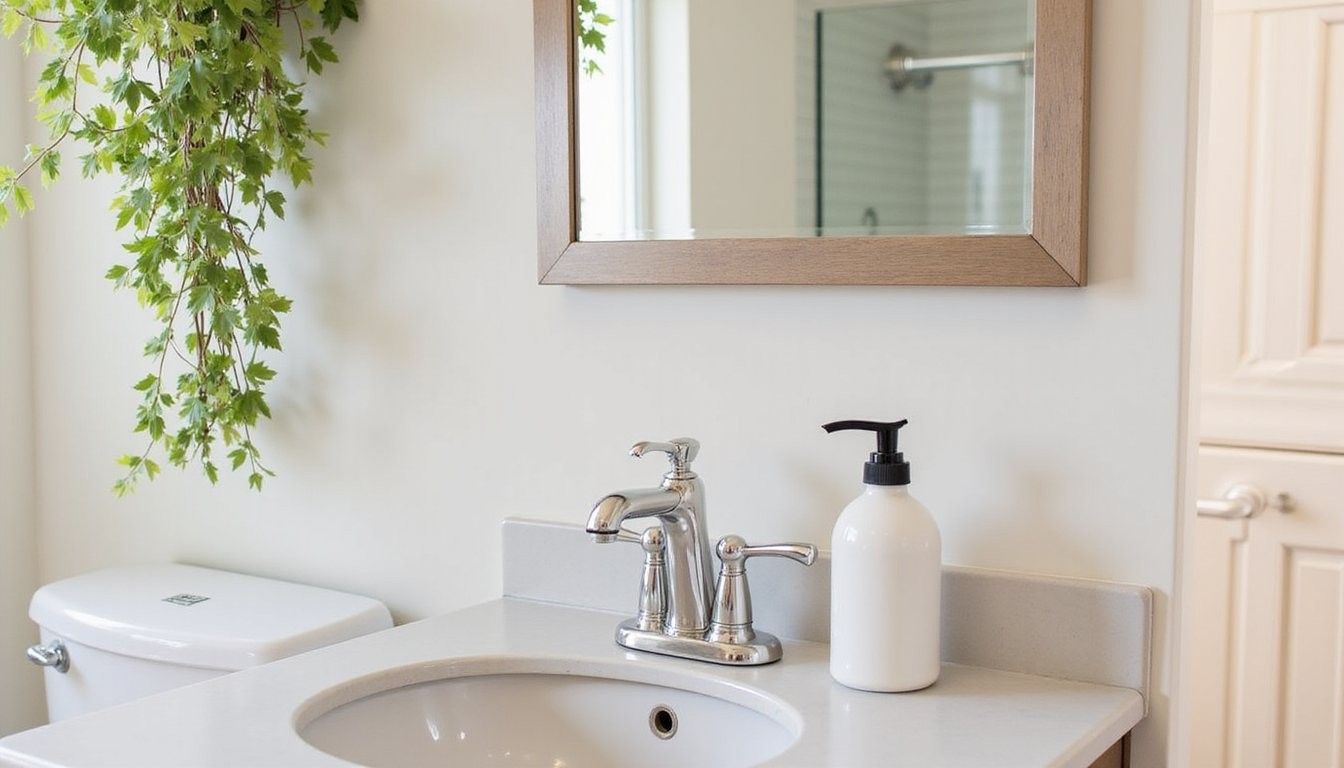
First steps: Begin by assessing the rooms you want to refresh and the cleaning tasks you handle most often so you can match recipes to real needs and avoid accumulating single-use products that sit unused.
Mindful approach: Choosing natural solutions reduces exposure to unnecessary chemicals while making your routine more intentional, and learning a few base recipes lets you adapt scents and strengths for different surfaces and rooms.
Tools & Materials
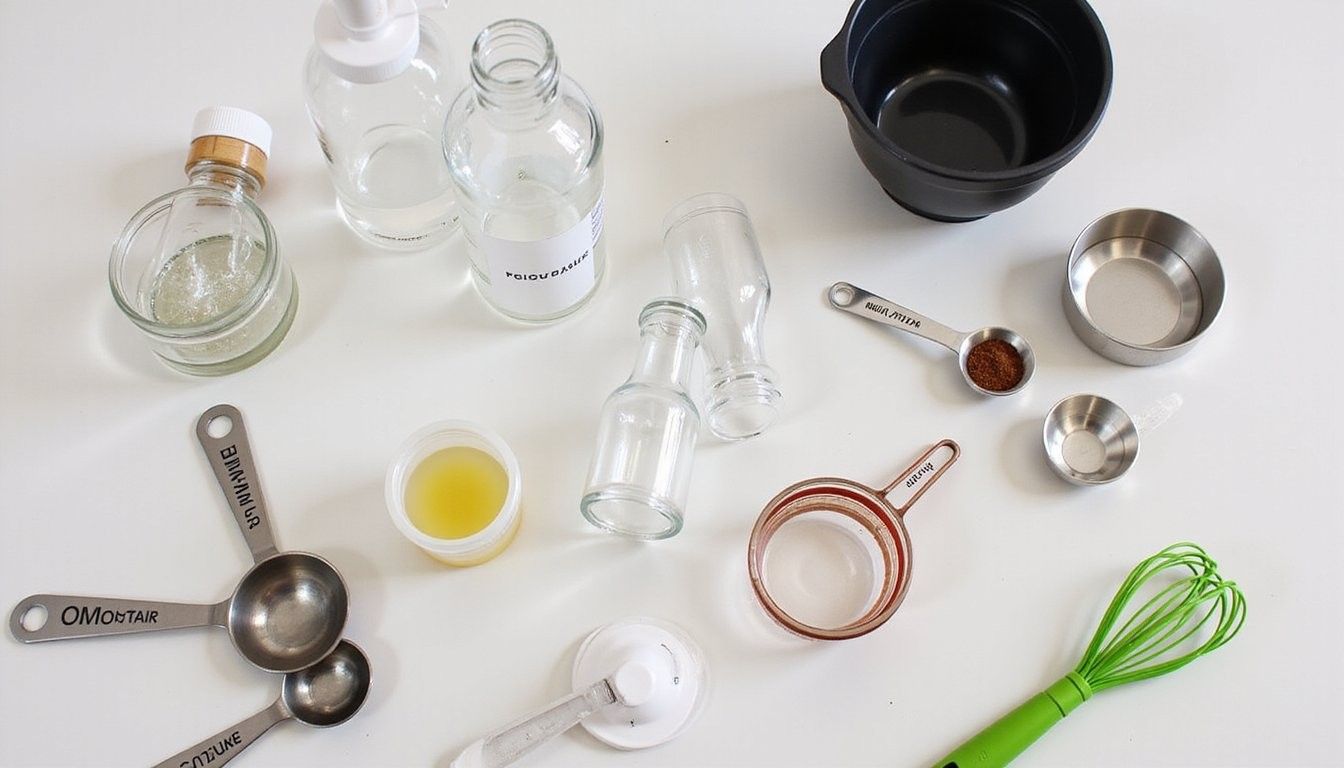
Core items: Gather a selection of glass or PET spray bottles, funnel, measuring spoons and cups, a small whisk or jar to shake blends, and clean labels for organization so you can mix safely and store neatly.
- Liquids: Distilled water, white vinegar, hydrogen peroxide (3%), rubbing alcohol (70-90%).
- Solids & powders: Baking soda, washing soda, castile soap, borax (optional).
- Scenting: A selection of essential oils such as lemon, lavender, tea tree, eucalyptus, and peppermint.
- Extras: Citrus peels, fresh herbs, and optional witch hazel or vodka as a preservative base for sprays.
Room Spray Recipes

Basic room spray: Combine 1 cup distilled water with 2 tablespoons vodka or witch hazel and 20 to 30 drops of essential oil, then shake well to disperse scent evenly; vodka helps the oil mix into water so the spray doesn’t separate quickly on the shelf.
Citrus freshener: Use a base of 1 cup distilled water, 1 tablespoon rubbing alcohol, and 20 drops citrus essential oil blended with 10 drops lavender for balance to brighten kitchens and living areas without overpowering the senses.
Herbal linen mist: Infuse a jar of hot water with rosemary or mint for 30 minutes, strain and combine 1 cup of the infusion with 1 tablespoon of witch hazel and 15 drops of eucalyptus for a light, natural linen spray that refreshes fabrics and adds a subtle herbal note.
Custom blends: Start with a base of one dominant oil and add supporting oils in smaller amounts—example ratio is 3:2:1 for main:middle:top to build a layered scent that disperses nicely in a room spray.
Natural All-Purpose Cleaners

Vinegar cleaner: Combine 1 cup white vinegar with 1 cup water and 10 to 15 drops of essential oil for scent when cleaning countertops, tile, or windows, keeping vinegar out of natural stone where it can dull the surface.
Castile soap spray: Mix 2 teaspoons liquid castile soap with 2 cups warm water and a tablespoon of baking soda for a gentle cleaner that lifts grease and wipes away without leaving a heavy residue on painted surfaces and sealed woods.
Alcohol-based cleaner: For quick evaporation and streak-free shine, mix 1 cup rubbing alcohol with 1 cup water and a teaspoon of glycerin or a few drops of dish soap for glass and stainless steel surfaces, avoiding finishes that alcohol can strip.
Degreasing solution: For heavy kitchen grime, dissolve a tablespoon of washing soda in 2 cups hot water, add a teaspoon of castile soap and 10 drops lemon essential oil to lift oil and speed cleaning on stovetops and backsplashes.
Stain-Fighting & Disinfecting
Baking soda paste: Mix baking soda with a little water to form a paste for scrubbing stains on grout, ceramic, and some stainless surfaces, letting it sit for 10 to 15 minutes before scrubbing gently to lift stubborn marks.
Hydrogen peroxide spot treatment: Apply 3% hydrogen peroxide to organic stains such as blood or wine, allow it to bubble for a few minutes, then blot and rinse, taking care with colored fabrics and finishes to test first in a discreet spot.
Natural disinfectant: Use a solution of 1/2 cup white vinegar, 1/2 cup water, and 1/4 cup rubbing alcohol for quick surface wiping when stronger germ control is desired, and allow surfaces to air dry for a few minutes for contact time.
Storage and Safety
Safe storage: Store homemade cleaners in a cool, dry place out of direct sunlight and away from children and pets, keeping stronger agents like hydrogen peroxide and rubbing alcohol in tightly sealed containers to prevent evaporation and accidental ingestion.
Labeling routine: Clearly label each bottle with contents and date made, and keep a small log or photo of recipes to repeat blends that worked well for you while discarding solutions after a few months to maintain freshness and effectiveness.
Care note: Natural does not mean nonreactive, so keep acids and bases separate and never mix vinegar with bleach or peroxide directly to avoid hazardous fumes or reactions.
Common Mistakes
Overconcentration error: Making blends too strong with excess essential oil or vinegar can irritate skin and mucous membranes and leave residues that attract dirt, so follow measured recipes and err on the milder side when trying a new mixture.
Storage mistakes: Leaving mixtures in warm or direct sunlight speeds degradation of oils and alcohol, reducing effectiveness, and unlabeled containers increase the risk of accidental misuse, so keep records and rotate bottles regularly.
Comparison Table
Quick comparison: The table below helps weigh cost, accessibility, environmental impact, and scent control when choosing DIY versus store-bought options so you can make choices that match values and household needs.
| Category | DIY Homemade | Store-Bought |
|---|---|---|
| Cost per use | Low with pantry basics | Variable, often higher |
| Ingredients control | High | Low |
| Scent customization | Full control | Pre-set |
| Shelf life | Shorter without preservatives | Longer with stabilizers |
Feature checklist: The boolean table below offers a quick yes/no view for common priorities when deciding whether to DIY or buy.
| Feature | DIY | Store-Bought |
|---|---|---|
| Custom scent | Yes | No |
| Eco-friendly packaging | Yes with reuse | Varies |
| Ready-to-use convenience | No | Yes |
Frequently Asked Questions
How long do DIY sprays last? Homemade room sprays and general cleaners made with water and essential oils should be used within one to three months for best scent and effectiveness, and solutions with alcohol or vinegar can last a bit longer when stored in cool, dark places.
Are essential oils safe around pets? Some essential oils can be harmful to pets, so research specific oils and consult a veterinarian before regular use, and keep sprays out of reach while using only very low dilutions in shared spaces.
Can I use vinegar on all surfaces? Vinegar is an effective cleaner but should never be used on natural stone or waxed wood; for those surfaces choose pH-neutral cleaners such as diluted castile soap or a manufacturer-recommended product.
Will DIY cleaners disinfect? DIY cleaners can reduce germs on surfaces when formulated with alcohol or hydrogen peroxide, but for high-risk disinfecting situations follow public health guidance and consider EPA-approved products when required.
How can I make scents last longer? Add a small amount of a solubilizer like witch hazel or a preservative alcohol and store sprays in colored glass in cool areas to preserve volatile fragrance molecules and slow degradation over time.
