
The Myth
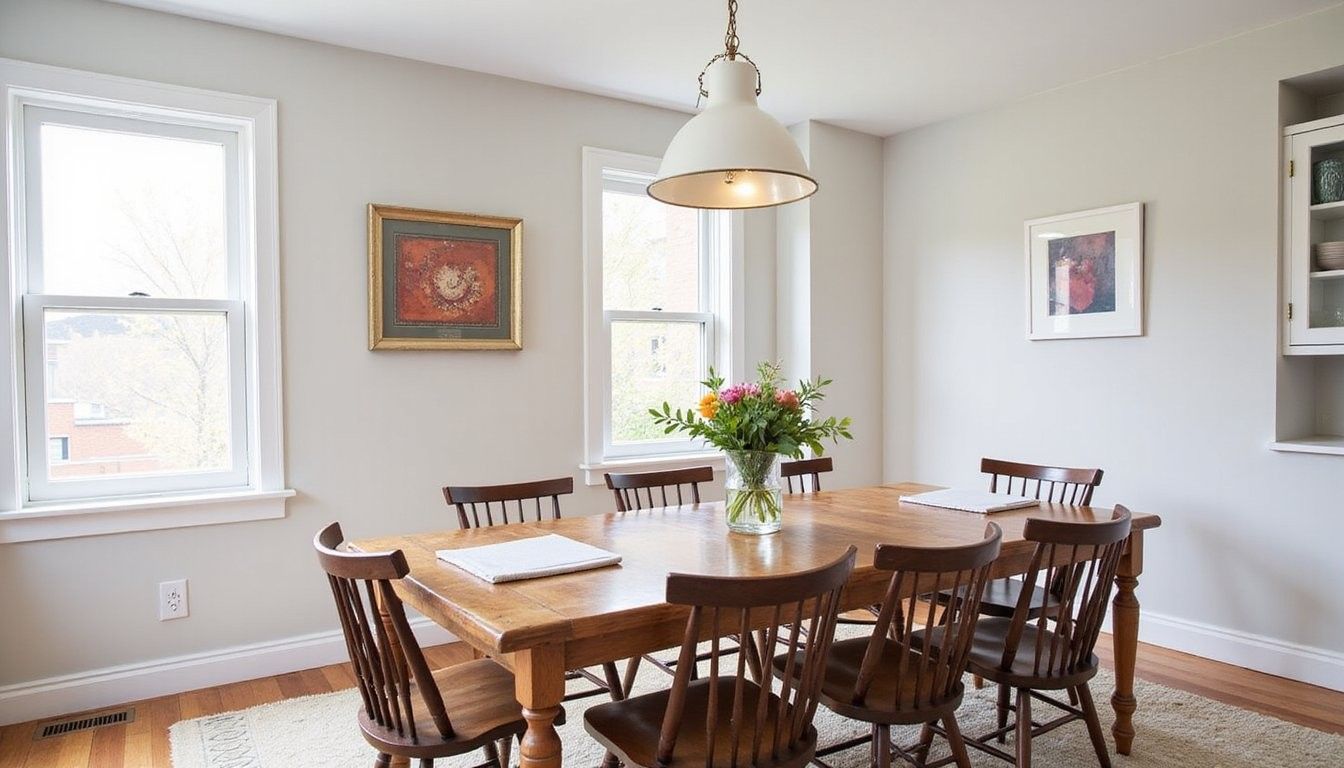
Everyone says you need a large dedicated room to dine in style, but that belief can stop people from creating a pleasant eating spot in a tiny footprint.
Space limitations do not equal style limitations, and many small homes can host dining areas that feel deliberate, welcoming, and practical when planned with intention.
The Truth
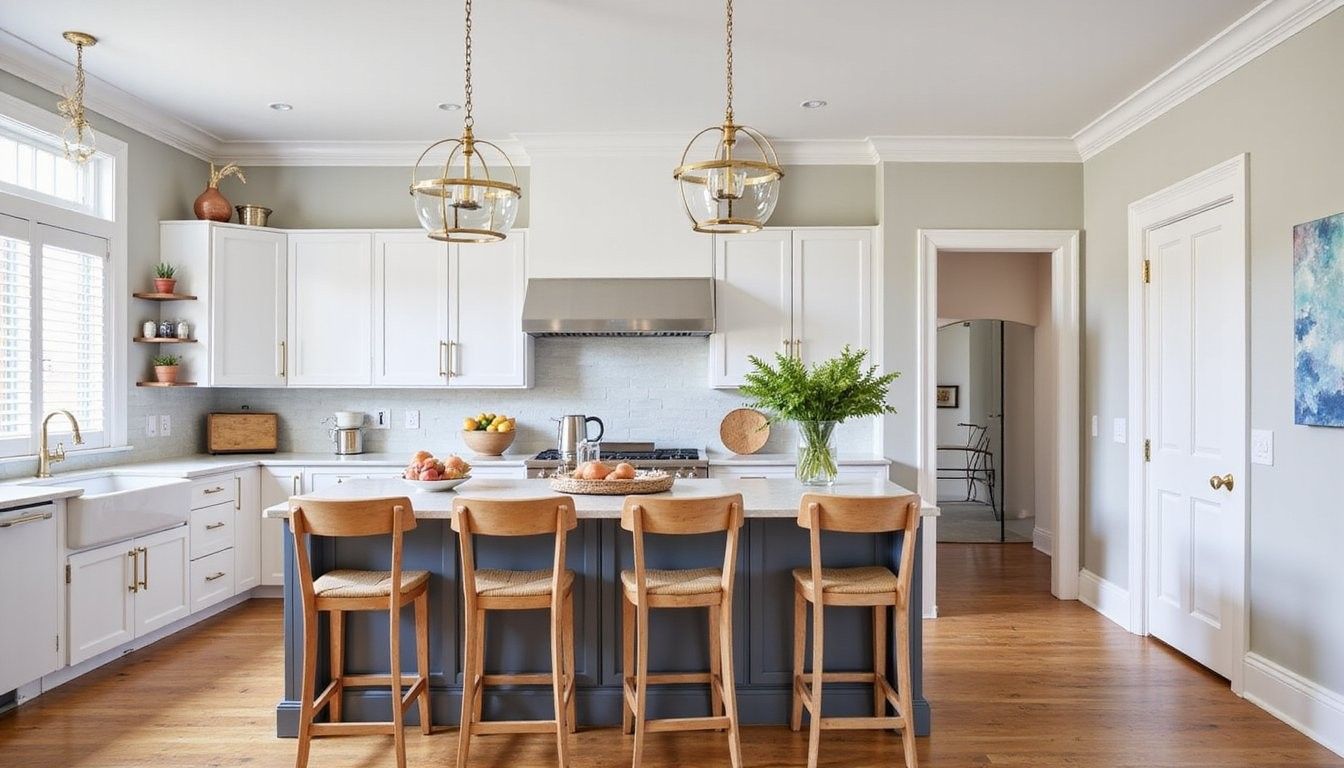
A thoughtful approach trumps square footage because layout, furniture scale, lighting, and multiuse solutions create a feeling of purpose that makes a tight space comfortable for meals and gatherings.
Small can feel generous when every element supports function and atmosphere, turning an awkward corner into a beloved spot that serves dining, work, and social needs.
Myth-Buster Box
Reality: With smart scale, versatile furniture, and targeted lighting, compact spaces can host dining areas that feel intentional and welcoming.
Intro
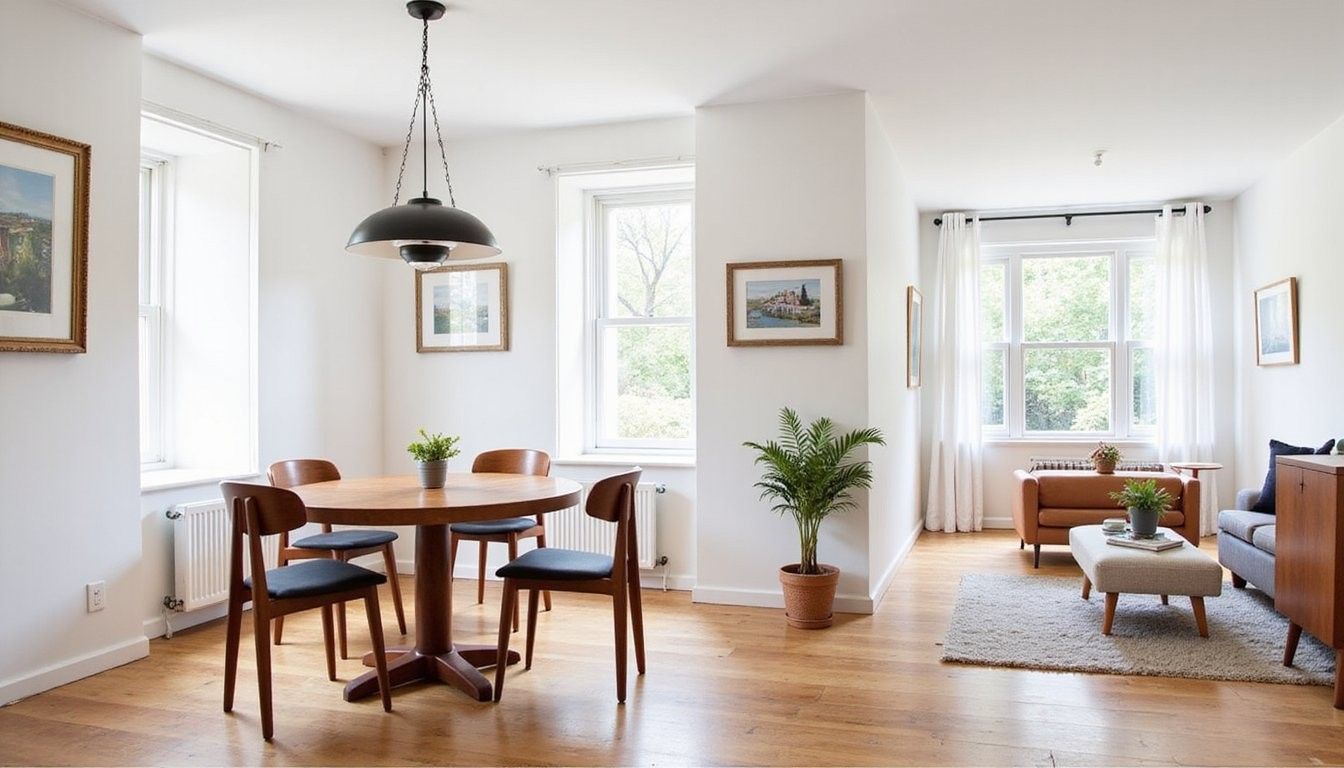
Creating a compact dining area is a practical design exercise that blends measurement, habit-awareness, and a few smart purchases to meet daily needs while leaving room to breathe.
Good design focuses on experience rather than size, so thinking about how you actually use meals, social time, and nearby zones will guide the choices that make the area feel natural and useful.
Tools & Materials
- Measuring tape to record wall lengths, clearance zones, and door swing areas.
- Painter’s tape to mark table footprints on the floor and visualize circulation space.
- Notebook or phone to track dimensions, inspiration photos, and product links.
- Compact furniture pieces such as folding tables, drop-leaf tables, and stackable chairs to test in the space.
- Proper lighting like a small pendant, sconce, or adjustable floor lamp to test placement and brightness.
Smart Layouts
Begin by measuring and mapping the space because accurate dimensions reveal what table shapes and sizes will fit while preserving comfortable circulation paths for chairs and doorways.
Allow at least 30 inches of clearance behind seated guests when possible to enable people to move in and out without brushing walls or blocking adjacent zones, and use painter’s tape to test footprints before buying furniture.
Smart Layouts – Compact Configurations
Round and oval tables compress awkward corners into usable seating because curved edges eliminate sharp corners and often fit better in tight walkways while offering flexible chair placement.
Long narrow tables can function as both prep surfaces and dining spots when placed against a wall and paired with benches or stools that tuck away to save floor space between uses.
Furniture Choices
Choose scaled furniture that matches the room proportions because oversized pieces make a compact area feel cluttered while slim silhouettes preserve visual breathing room.
Opt for pieces with exposed legs and light finishes to keep sightlines open and reduce the visual weight of the dining setup, which helps the whole room read as larger and airier.
Furniture – Seating Strategies
Benches are space-efficient and flexible because they can slide fully under the table when not in use and accommodate varied guest numbers better than rigid chairs.
Stackable or folding chairs expand seating without permanent bulk, allowing you to store extras in a closet or under a bed and bring them out only when needed for guests.
Lighting & Mirrors
Proper lighting defines the dining space in open-plan homes by creating a focused pool of light that signals purpose and draws the eye to the area, helping it feel intentional even in a corner of a living room.
Layer task and ambient lighting such as a pendant or wall sconce over the table plus softer ambient sources nearby to set mood and ensure meals are well lit without glare.
Lighting – Mirror Use
Mirrors amplify light and create depth when placed opposite windows or light sources, and even a modest mirror can make a compact dining area feel brighter and visually larger.
Choose simple frames or frameless mirrors to avoid adding visual clutter, and position them at a height that reflects tabletop activity rather than creating awkward sightlines into seating faces.
Multifunctional Solutions
Design for multiple uses to get more value from the same footprint by choosing tables that double as work surfaces, console tables, or breakfast bars depending on the time of day and household routines.
Integrate storage into furniture to reduce clutter, for example select a table with drawers or place storage baskets beneath benches to keep placemats, napkins, and extra utensils within reach but out of sight.
Storage & Vertical Solutions
Think vertically to add storage without losing floor space, installing open shelves, narrow cabinets, or wall hooks above or beside the dining spot to hold daily items and display a few decorative pieces.
Keep frequently used items at arm’s reach on lower shelves and tuck less-used pieces higher up, which reduces trips to other rooms and preserves the dining area as a functional hub.
Practical Comparison Tables
Use comparison tables to weigh options quickly when choosing between furniture types or lighting solutions, because a clear visual matrix helps you decide which trade-offs make the most sense for your lifestyle.
Below are tables that compare cost, impact, and practical pros and cons so you can match choices to your budget and daily needs without guessing.
| Option | Approx Cost | Impact on Space |
|---|---|---|
| Round table (3-4 ft) | $150 – $600 | Creates cozy flow and flexible seating |
| Drop-leaf table | $120 – $550 | Expands only when needed, saves daily footprint |
| Bench seating | $60 – $400 | Tucks under table, flexible guest capacity |
Boolean Table – Quick Choices
A short boolean table helps rule in or out ideas fast when you want a quick yes or no for a space-saving feature so you can narrow options without overthinking.
| Feature | Space-Saving? |
|---|---|
| Drop-leaf table | Yes |
| Full-size or bulky buffet | No |
| Bench seating with storage | Yes |
Style Choices Without Overcrowding
Select a restrained color palette to make the area feel cohesive, using a dominant neutral with one or two accent tones to add interest without visual chaos that shrinks the room.
Introduce texture rather than pattern overload by choosing natural materials like wood, woven seat covers, or a simple rug to add warmth while keeping the visual field calm and unified.
Pro Tips Section 1
Small adjustments create outsized benefits such as picking a slimline pendant or dimmable bulbs that let you control mood without overwhelming the room.
Practical Styling and Tabletop
Keep tabletop styling minimal to avoid clutter which makes the surface feel usable and calm; a single low centerpiece or a tray with condiments keeps the area purposeful without crowding.
Choose dinnerware that stacks neatly and stores close by so setup and cleanup are quick tasks, making the dining area easier to maintain as a daily zone rather than an occasional mess magnet.
Pro Tips Section 2
Testing footprints saves returns and buyer’s remorse because walking the actual space with taped outlines shows whether a choice will block traffic or feel cramped, and it guides a confident purchase.
Common Mistakes
Troubleshooting Tight Corners
If the space feels cramped, reassess circulation paths and consider moving the table to a diagonal or into a corner with bench seating to open up walking zones, which often frees up usable room without major purchases.
Remove or relocate competing furniture like a bulky living room side table that may be squeezing the dining spot, because freeing adjacent space transforms the perception of roominess more than a new table alone.
Storage-Focused Solutions
Smart storage keeps the dining area tidy and functional so choose pieces that hide linens, cutlery, and extra plates while keeping essentials close and visible, which makes daily dining effortless.
Use multipurpose furniture such as storage benches or consoles that can act as seating, display, and hidden storage, keeping the footprint compact while boosting usability.
Blockquote Insight
Design is about decisions that favor use over perfection and small spaces reward thoughtful trade-offs that prioritize comfort, circulation, and light.
Maintenance and Habits
Daily habits keep compact dining areas pleasant such as clearing the table after meals, returning chairs to their tucked position, and wiping surfaces to prevent clutter from accumulating.
Design small rituals around the area like setting a simple centerpiece each evening or keeping a small caddy for napkins and condiments, which reinforces the spot as an organized destination rather than a dumping ground.
Frequently Asked Questions
How big should a dining table be for two people? Ideally allow for a table diameter or width of around 30 to 36 inches for two people to eat comfortably while leaving room for place settings and a small centerpiece.
Can a dining area double as a workspace? Yes, a compact dining table can serve as an occasional workspace if you keep minimal office clutter, use a small organizer for supplies, and choose seating that provides ergonomic comfort for short periods.
Is a rug necessary under a small dining table? A rug is optional but can anchor the area visually; choose a low-pile rug slightly larger than the chairs’ footprint so chairs remain on the rug when pulled out to avoid a disjointed look.
What lighting is best for small dining areas? A single focused pendant or a pair of wall sconces with dimming capability provides task lighting and atmosphere without overwhelming the room, and positioning is key to avoid glare.
How do I make a corner dining area feel less cramped? Use a round or oval table, add a bench that tucks under the table, keep the palette light, and add a mirror to reflect light and create visual depth.
