
The Myth

Popular rule says you must match every ornament to a strict palette. Many people feel pressured to follow that rigid approach, yet it can drain joy from the process because it removes personality and play from the display.
Another piece of advice claims every light strand must be tucked deep into the branches. That prescription can leave the tree looking dull and flat because lights that sit only beneath foliage rarely highlight the tree’s shape or ornaments.
The Truth
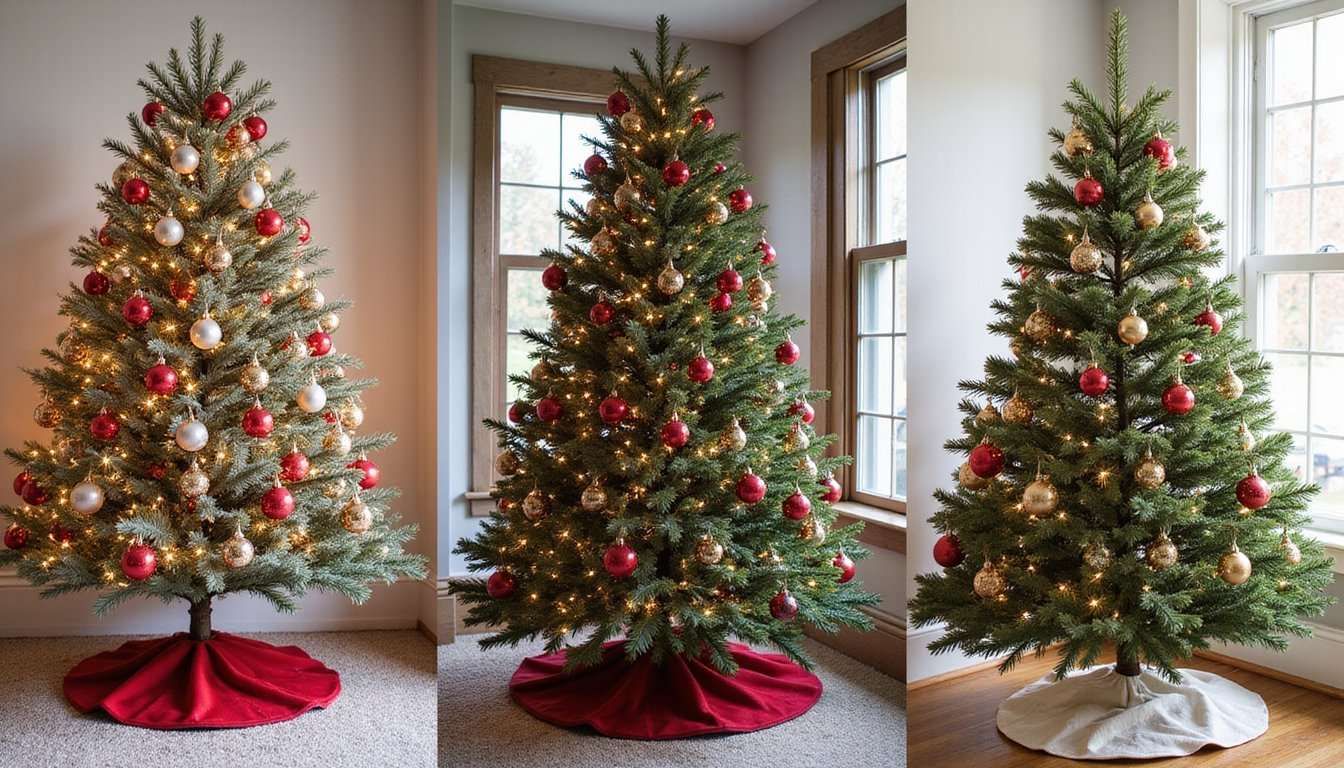
Your tree will look better when harmony and contrast are balanced rather than every item matching exactly. Embracing a curated mix of colors, textures, and eras lets a tree tell a story and feel more welcoming because each piece brings character.
Lights are most effective when layered and placed both inside and on the surface of branches. That approach creates dimension, gives ornaments sparkle, and helps the tree read as warm and lively from across the room.
Myth-Buster Box
Reality: A balanced mix of coordinated pieces and thoughtfully layered lighting yields warmth, depth, and personality.
Warm Welcome
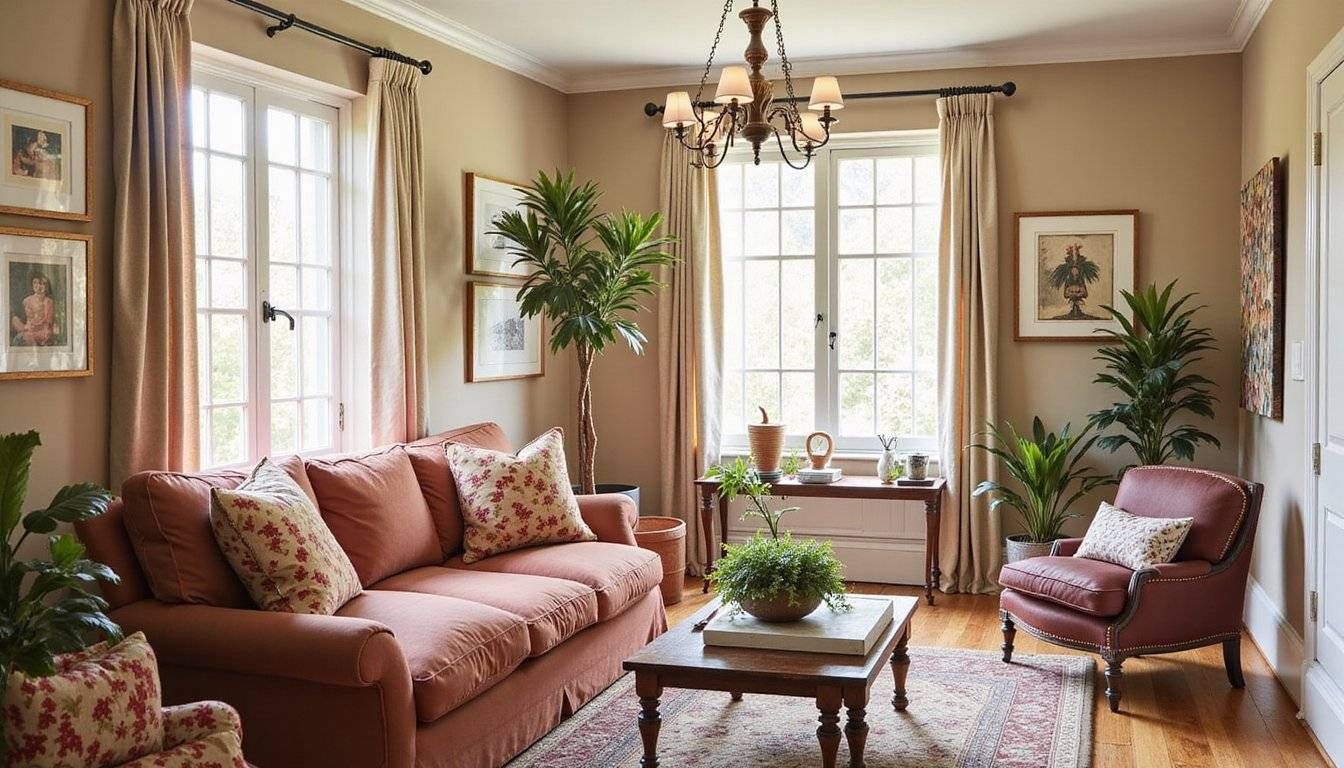
Start by deciding the mood you want the space to have. Choosing whether the room should feel cozy and nostalgic, bright and festive, or modern and minimalist will guide every choice from lights to ornament scale.
Measure the tree and the placement area before buying anything else. Knowing exact height and clearance ensures the topper, skirt, and lights fit properly and prevents last-minute compromises that hurt the final look.
Tools & Materials
Gather these items before you start to keep the process calm and efficient. Having everything at hand prevents interruptions and helps maintain the creative flow.
- String lights in two types: warm white and cool white or colored strands
- Ornaments in three size ranges: small, medium, large
- Ribbon or garland for depth
- A reliable ladder or step stool
- Tree topper and skirt
- Ornament hooks and clear fishing line
- Command hooks or ties for securing larger pieces
Theme Planning
Pick a guiding idea that will shape color, texture, and ornament choice. You can choose a nostalgic theme that mixes vintage pieces, a nature-driven look with wood and botanical accents, or a glamorous palette with metallics and glass, and each choice will influence the type of lighting and placement that works best.
Create a palette of two main colors and one accent to keep the display cohesive without being rigid. This rule of thumb gives room for variety while preventing visual chaos and helps when sourcing ribbon or replacement ornaments later in the season.
Lighting Techniques
Think of lighting as the scaffolding that makes ornaments sing. Begin with lights closest to the trunk then work outward to the tips so the tree glows from within and each ornament catches highlights in a subtle, layered way.
Mix light temperatures and densities for depth. Pair a tighter warm white strand near the core with looser, slightly dimmer strands toward the outer branches to create movement and sparkle that your eyes naturally enjoy.
Ornament Placement & Layering
Place larger pieces first to establish rhythm and silhouette. Distributing heavy or large ornaments evenly helps the tree read as balanced and keeps smaller pieces from clustering awkwardly in one area.
Fill gaps with mid-size ornaments and finish with small ones for visual texture. Smaller items look best toward the tips where they catch light, while mid-size decorations anchor the middle layers to show depth between branches.
Vary orientation and depth to let each ornament have its moment. Tuck a few ornaments deeper into branches so lights appear behind them, and hang others farther forward to create a layered tableau that rewards close inspection.
Tree Finishing Touches
Add ribbon, garlands, and picks last to frame the ornaments and soften gaps. A gentle weave of ribbon or a string of beads can unify disparate ornament styles while garland can add motion as it cascades down the tree.
Choose a topper that complements rather than competes with the rest of the display. If the tree already has a lot of sparkle, a simple star or bow will read better than a highly detailed figure, and vice versa if the rest of the tree is restrained.
Design Comparisons
Compare choices to decide where to spend time and budget. A direct comparison helps prioritize what gives the greatest visual return for effort and cost when planning a tree you love.
| Element | Cost | Impact |
|---|---|---|
| Quality lights | Moderate | High |
| Designer ornaments | High | Medium to High |
| Ribbon and garland | Low to Moderate | Medium |
Ornament Decision Data
Use a quick table to weigh options when planning purchases or swaps. A compact chart clarifies where a small investment will change the overall feel and what can wait until next season.
| Item | Role | Recommended Quantity |
|---|---|---|
| Large ornaments | Anchor shape | 6-12 depending on tree size |
| Medium ornaments | Fill and focus | 12-24 |
| Small ornaments | Texture and sparkle | 20+ |
Practical Boolean Guide
Use a simple yes/no grid to make quick decisions about each ornament type. That kind of checklist speeds choices during installation and helps you keep balance without overthinking placement.
| Feature | Use? |
|---|---|
| Shiny vs matte mix | Yes |
| All ornaments same era | No |
| Lights only on trunk | No |
Common Mistakes
Avoid relying on a single ornament type to carry the design. Mixing scales and finishes avoids monotony and helps the eye move through the display while making each element more interesting against a varied backdrop.
Final Styling and Safety
Secure heavy ornaments close to the trunk and use sturdy hooks for fragile pieces. This reduces the risk of drops and damage, especially if pets or small children might brush the tree during the season.
Hide extension cords safely and avoid overloading outlets. Tucking cords under the skirt and using a surge-protected timer keeps the display safe and lets you automate the lights for evening ambiance.
Quick Troubleshooting
If lights flicker or sections go out, swap strands to identify the faulty segment. Having a spare strand at hand and testing connections before full installation saves time and reduces frustration during setup.
When a tree looks lopsided, step back and redistribute focal ornaments rather than adding more pieces at the same spot. A careful rebalancing will correct silhouette issues without cluttering one area and will keep the overall design calm and intentional.
Inspirational Touches
Add unexpected materials like dried citrus, cinnamon sticks, or small wooden shapes for warmth. Natural elements introduce scent and tactility that make the tree more evocative and approachable to guests, while blending with many palettes.
Consider a theme of memory by dedicating certain branches to family ornaments and travel pieces. That gentle tribute makes the tree more meaningful and encourages storytelling when friends gather near it.
Maintenance During the Season
Check lights and anchor points weekly and adjust as needed when branches settle or humidity changes. Small tweaks keep the tree looking fresh and prevent mid-season surprises from dimming the overall effect.
Dust ornaments gently with a soft brush to preserve shine and prevent buildup. Regular light maintenance extends the life of delicate finishes and keeps glass and metallic pieces reflecting light beautifully.
Wrap-Up Strategies
Plan disassembly with labels and storage methods that protect fragile items. Separating ornaments by size and wrapping them in tissue or individual compartments saves time and keeps parts ready for next year without extra shopping stress.
Take photos of each tree side before taking it down to remember your layout choices. Cataloging favorite arrangements makes it simple to recreate looks you loved without guessing or retracing complicated steps when the season returns.
Frequently Asked Questions
How many lights does a standard tree need? A good rule of thumb is 100 lights per vertical foot for a full glow, but adjusting up or down based on light density preference gives you control over sparkle versus subtlety.
Should I put the biggest ornaments at the bottom? Placing the largest items lower helps anchor the base visually and prevents top-heavy appearances, while scattering a few large pieces higher can add balance when needed.
Can I mix vintage and new ornaments? A curated blend adds warmth and personality; combine similar finishes or repeat a color to keep the mix cohesive and intentional.
What is the best way to hide light cords? Tuck cords behind the tree skirt and along the trunk, use clear clips to fasten them to branches if needed, and route plug connections to a surge protector for safety and convenience.
How do I keep pets from tampering with the tree? Secure the tree stand, use pet-safe deterrents, and place fragile ornaments higher while creating an inviting lower zone with safe toys or distractions to reduce temptation.
