
The Struggle
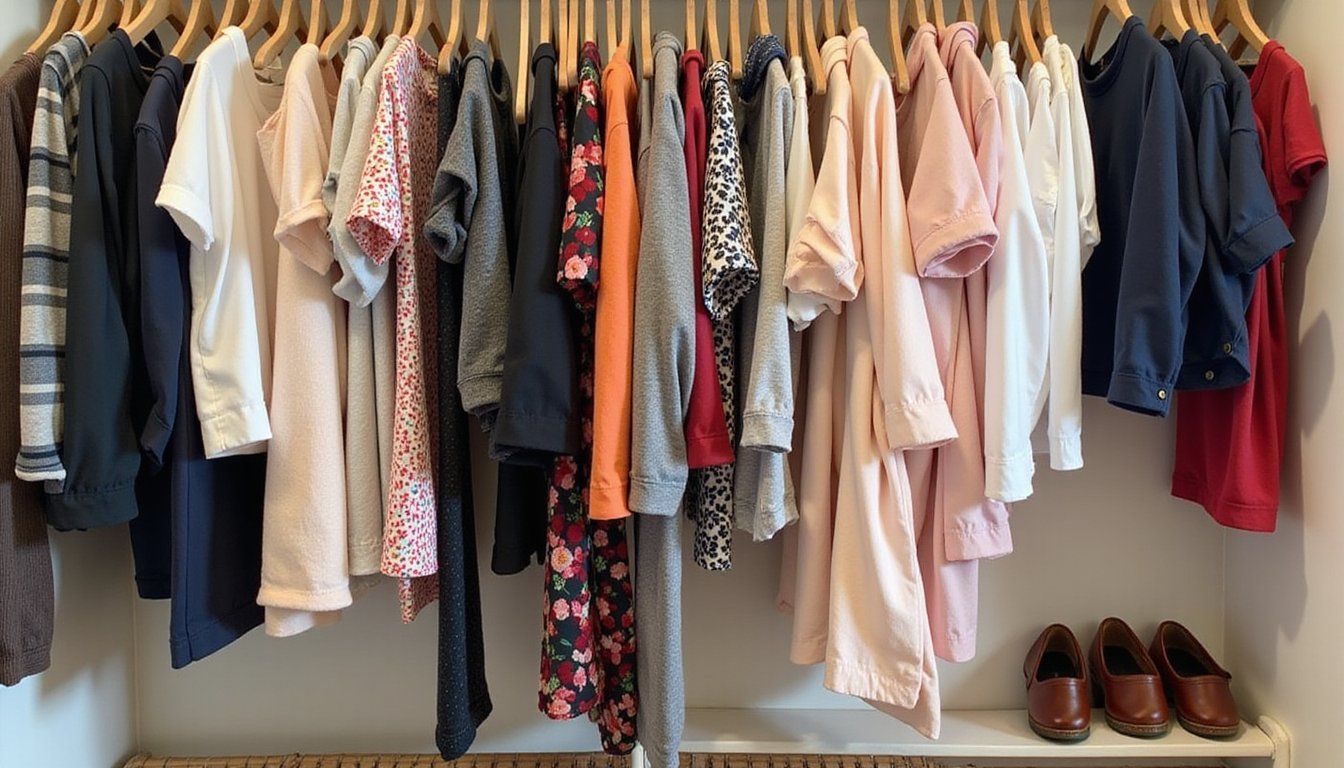
Too many choices, not enough joy. You stand in a crowded closet each morning hunting for something that feels right and the time wasted before you leave can sour the whole day.
Clothing that doesn’t get worn costs space and peace. When shelves are overloaded and hangers are tangled you lose clarity about what you own and what actually serves you, which makes getting dressed feel like a chore rather than a small act of care.
The Quick Fix
Start with a small, focused capsule and a repeatable editing routine. Narrow your closet to versatile foundational pieces, set simple rules for adding replacements, and schedule brief seasonal reviews so the wardrobe stays useful and calm.
Start Here
Begin with a clear intention for how you want dressing to feel. Defining whether you want effortless mornings, fewer decisions, or clothes that reflect a specific aesthetic will guide what you keep and what goes, cutting through emotional clutter so each piece earns its place.
Think of the wardrobe as a curated tool, not a collection for every what-if. When you view clothing through the lens of use and joy, it becomes easier to let go of impulse items and prioritize pieces that work together day after day.
A small set of reliable items unlocks simple confidence each morning.
What You Will Need
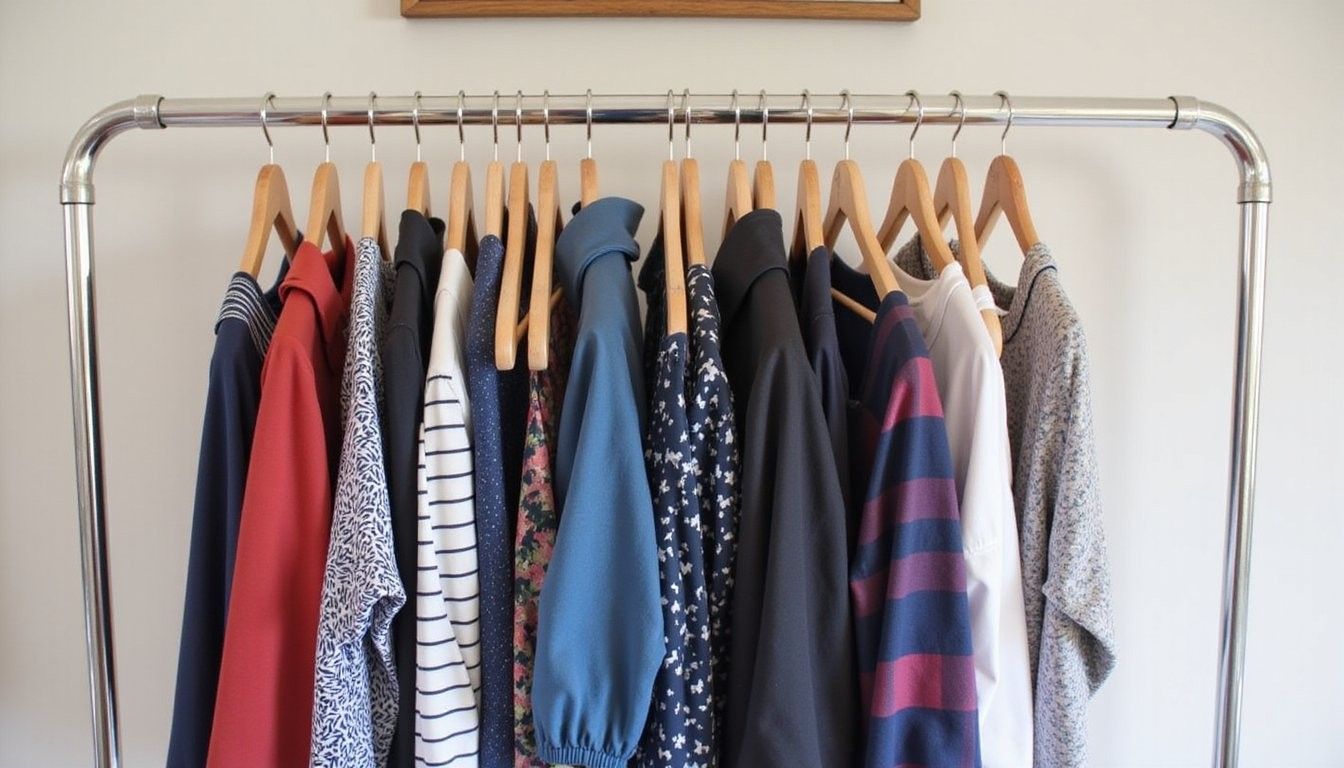
Gather a few basic tools to make editing simple and quick. Having containers for donation, a camera or phone for outfit photos, a lint roller, and a sturdy wardrobe checklist speeds decisions and prevents second-guessing while you work through pieces.
- Donation box or bag
- Trash bag for unsalvageable items
- Marker and sticky notes for temporary labels
- Camera or smartphone for outfit references
- Closet dividers or matching hangers to tidy the finished capsule
These items help you move swiftly from decision to action. A compact, prepared setup reduces the friction that often stalls wardrobe projects and keeps momentum so you finish the session feeling relieved rather than overwhelmed.
Declutter and Edit
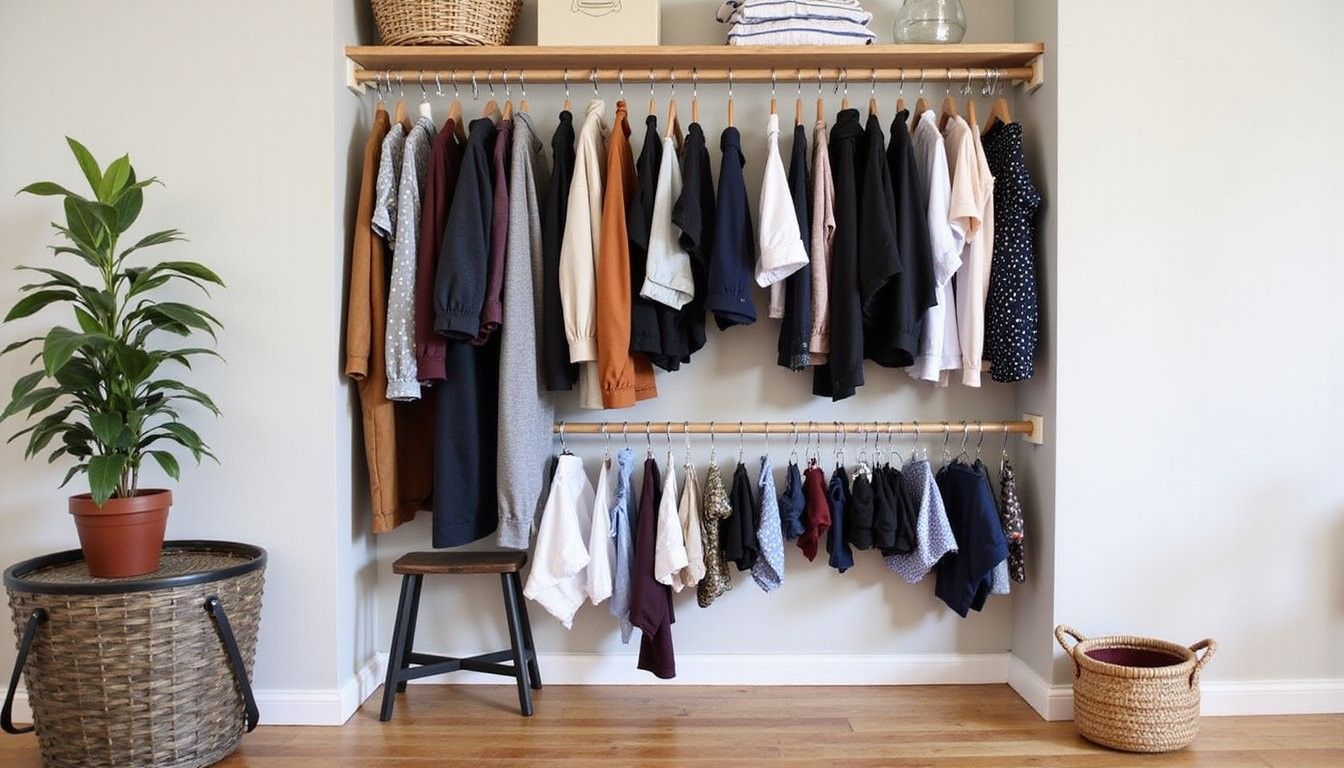
Use time-boxed sessions to strip the closet down to what you actually wear. Work in 30- to 60-minute blocks and make three piles: keep, donate, and maybe, so you avoid decision fatigue and keep momentum toward a leaner capsule.
Assess each item against practical questions about fit, condition, and frequency of wear. If something is uncomfortable, damaged, or hasn’t been worn in a year and offers no sentimental or functional justification, it is a strong candidate to move on so the remaining pieces truly serve you.
Build a Versatile Base
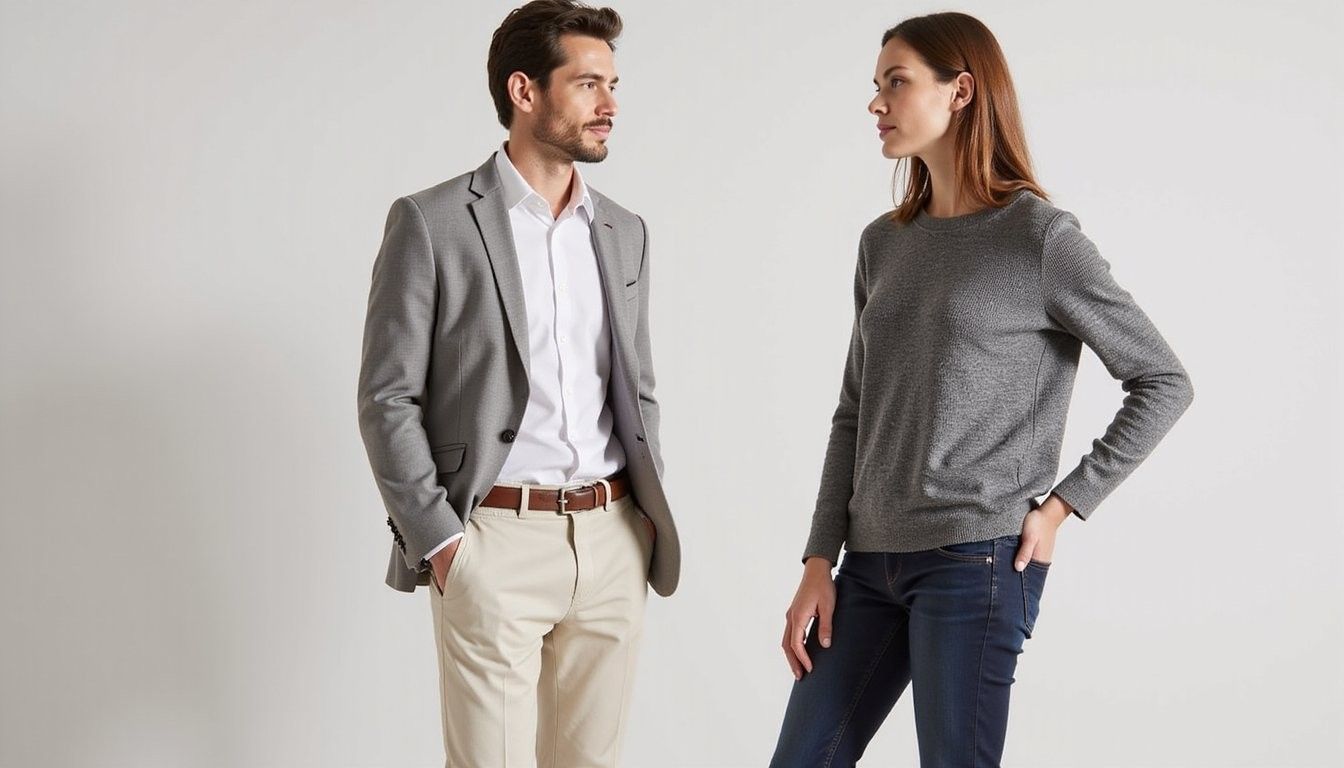
Create a neutral, interchangeable foundation of pieces you can mix and match. Focus on 8–12 core items such as a clean white shirt, tailored trousers, a neutral knit, a good pair of jeans, and a classic jacket that combine easily for many looks, reducing the need for specialty items that hang unworn.
Quality and fit matter more than quantity for a minimal wardrobe. Select fabrics that hold shape and colors that flatter your life and personal palette so every item feels intentional and lasts through regular wear, repair, and seasonal rotation.
Seasonal Rotation & Storage
Rotate seasonally to keep the active wardrobe slim and convenient. Store off-season pieces in breathable bins or a top shelf and bring forward only what you need for the months ahead so closet space reflects current use and decision-making stays simple.
Label containers and create a short list of what goes into storage and why. This short record makes it easy to swap items back in without second-guessing and prevents slow creep where off-season clutter returns to the main wardrobe unnoticed.
Daily Care & Simple Habits
Small daily actions keep a capsule working smoothly. Hanging garments as soon as you change, spot-treating stains, and returning items to their designated spots each evening prevents the pile-up that undermines a minimal approach and keeps outfits ready to wear.
Establish a weekly five-minute tidy ritual and a monthly review session. These short check-ins let you notice evolving needs, mend small issues before they grow, and decide calmly about replacements rather than reacting under time pressure.
Smart Shopping & Replacement Rules
Adopt simple rules for adding new pieces so the capsule stays coherent. Consider a one-in-one-out guideline, buy only when an item fills a clear gap, and prefer neutral tones or patterns that harmonize with your base so additions increase outfit options rather than duplicating them.
Set a short cooling-off period before purchases and test new items against existing clothes at home. This habit reduces impulse buys and ensures new pieces actually integrate with what you own, keeping the wardrobe streamlined and meaningful.
Quick Comparisons
Use simple side-by-side thinking when evaluating wardrobe decisions. Comparing cost against everyday wear helps justify investments in better garment construction while revealing where budget buys are wiser for trend pieces.
| Item Type | Typical Cost | Wear Frequency |
|---|---|---|
| Everyday knit or tee | Low | High |
| Tailored jacket | Medium to high | Medium |
| Trend item | Low to medium | Low |
Another useful frame is Pro vs Con when considering a buy or keeping an item. This table clarifies trade-offs so you can make a choice aligned with how you live rather than impulse or habit.
| Decision | Pro | Con |
|---|---|---|
| Keep worn-out favorite | Comfort and sentiment | Degrades overall look |
| Buy higher-quality staple | Better longevity | Higher upfront cost |
Practical Checklists and Wardrobe Data
Track simple counts so you know where your closet balance sits. A short table that records numbers of tops, bottoms, outerwear, and shoes gives a clear snapshot of whether your capsule is skewed toward excess in any category and where a small edit will pay off.
| Category | Count | Target Range |
|---|---|---|
| Tops | 14 | 8–12 |
| Bottoms | 8 | 6–10 |
| Outerwear | 5 | 3–6 |
| Shoes | 10 | 6–10 |
What to Avoid
Avoid using the closet as storage for random extras. When non-clothing items, sentimental boxes, or one-off pieces take over, they hide what you actually reach for and make maintaining a capsule much harder than it needs to be.
Maintenance Checklist
Set short recurring tasks so the capsule remains lean without big effort. Simple rituals like a five-minute tidy each Sunday, repairing one item per month, and photographing outfits every season create a low-effort upkeep rhythm that prevents clutter from returning.
Use a one-line entry in your calendar to remind yourself and stay consistent. Habit beats willpower; small consistent prompts keep the system functional so you spend minutes on upkeep not hours on overhaul.
Troubleshooting Fit and Wear
When items feel off, narrow the problem to fit, fabric, or mood. If a garment is uncomfortable, check the cut and sizing; if it loses shape quickly, note the fabric; and if it simply doesn’t feel like you, accept that aesthetic mismatch and move it along so the capsule stays coherent.
Repair or tailor when the issue is fixable and donate when it is not. Small alterations breathe new life into favorites and are often cheaper than replacing an item that already works stylistically, keeping the capsule sustainable and practical.
A Minimal Capsule Checklist
Use a compact checklist to confirm your capsule covers daily needs. A simple list that asks about formality, weather, activity, and color mix will make sure the closet answers your real life and not a theoretical one, so mornings stay smooth.
| Question | Yes / No |
|---|---|
| Do these items cover typical work and weekend needs? | Yes / No |
| Can I create 8–10 outfits from these pieces? | Yes / No |
| Are the key items in good repair and comfortable? | Yes / No |
Maintaining Momentum
Celebrate small wins so the system sticks. Noting that mornings feel easier, that wardrobe choices are clearer, or that donated items found new homes encourages you to keep the practice and makes maintenance feel worthwhile rather than punitive.
Share outcomes with a friend or partner if keeping less feels risky emotionally. A supportive listener can help you release items with confidence and offer honest feedback when you consider additions, reinforcing the habits that keep the capsule useful.
Sustainability and Cost Considerations
Tracking total cost per wear clarifies whether an item is worth keeping. A simple mental math of purchase price divided by number of wears shows when splurges pay off and when cheaper replacements make more sense for trend items, guiding future buys toward lasting value.
Donate or resell pieces that no longer fit the capsule to extend their life. Rehoming garments reduces waste, recovers some cost, and keeps your closet aligned with current needs without simply transferring clutter to another shelf at home.
Final Wardrobe Checklist
Before you finish each editing session, run a short final pass. Confirm that every item left earns its place for fit, function, or joy, and place anything that fails that test into the donation pile so your closet reflects useful choices rather than indecision.
Store a short note about why the capsule works for quick review later. A one-line reminder about your core color palette, activity needs, or go-to outfit helps you make consistent choices in future edits and onboarding of new pieces.
FAQs
How many pieces should a capsule closet have? A sensible target for many wardrobes is between 30 and 40 items if you count tops, bottoms, outerwear, dresses, and shoes, but a smaller 20–25 piece capsule works well for a very streamlined lifestyle or seasonal living.
Can a capsule include bright or patterned pieces? Yes, include a few carefully chosen accents that you love, but limit them so the majority of the capsule remains neutral for ease of mixing; this balance lets personality shine without reducing versatility.
What if my job or life requires varied uniforms? Create a subset of work-specific garments that rotate independently of the casual capsule and apply the same editing rules so neither area becomes overloaded, making transitions simpler when roles or seasons change.
How do I stop impulse shopping from breaking the system? Use a 48-hour pause and a rule such as one-in-one-out or a spending threshold to slow purchases, and test new items with existing clothes at home before committing so additions add clear value.
How often should I review my capsule? A short seasonal review four times a year keeps the wardrobe responsive to weather and lifestyle shifts and prevents build-up, while light weekly tidies maintain day-to-day order.
