
The Myth
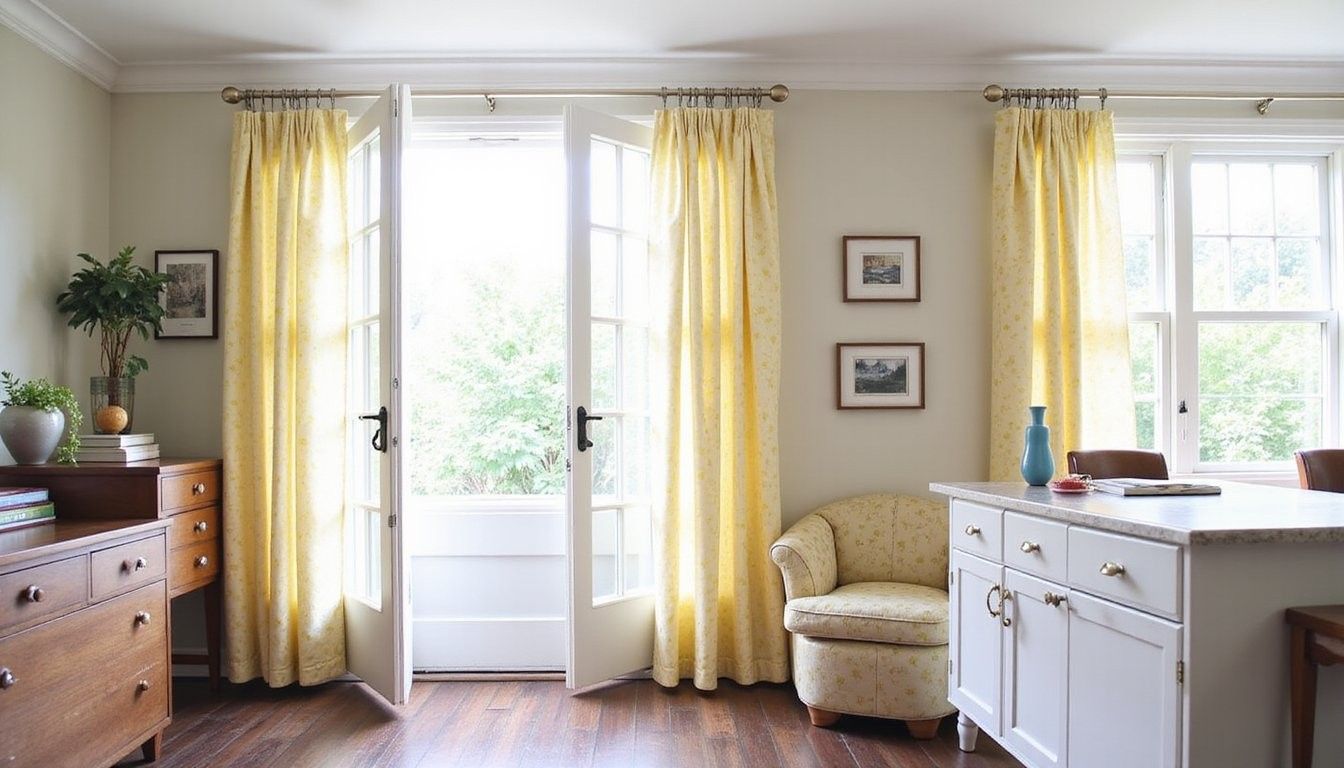
Everyone says you need expensive hardware to make curtains look finished but that belief keeps people from experimenting with inexpensive, creative alternatives that can be just as attractive and more personal.
High price is not a requirement for style because small details like placement, proportion, and texture can transform inexpensive materials into a polished result without costly purchases.
The Truth
You can achieve a designer look on a tight budget by rethinking materials, using everyday items creatively, and paying attention to scale and color to make modest pieces read as intentional and well chosen.
Creative choices beat catalogue sameness since mismatched finds, upcycled pieces, and handcrafted finishes give windows personality that store-bought items often cannot match.
Myth-Buster Box
Reality: Thoughtful placement, texture, and simple handcrafts can create an equally refined outcome at a fraction of the cost.
This box summarizes the challenge to a widespread belief and prepares you to focus on practical moves that make a big visual difference without a big price tag.
Affordable choices become intentional when combined with good proportions because a heavy, elegant drape paired with a delicate tieback or a light curtain offset with a bold holdback can each read as deliberate design decisions rather than compromises.
Getting Started
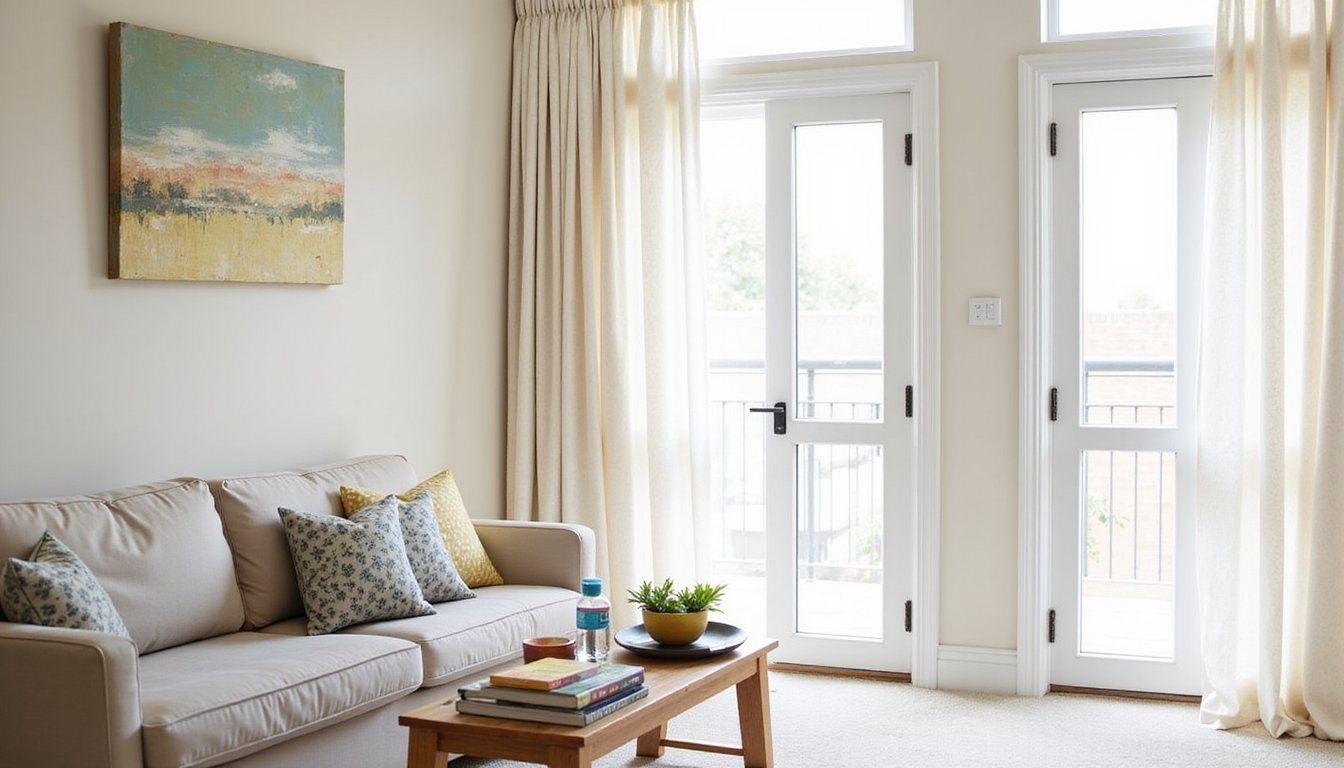
Before you gather materials, measure windows and note curtain weight because scale matters: large windows need stronger anchors and heavier fabric benefits from wider tiebacks to hold proportionally pleasing folds.
Consider how curtains will be used day to day since a functional living room window that opens frequently needs easy, durable tiebacks while a formal dining room can favor decorative, less-frequently touched options.
Tools & Materials
Start with a short checklist so you can shop thoughtfully and avoid impulse buys — the right small items extend what you already own into new styling territory.
- Measuring tape
- Scissors and a fabric marker
- Needle and strong thread or a basic sewing kit
- Hot glue gun and glue sticks
- Rope, ribbon, trim, or old belts
- Decorative beads, wooden rings, or curtain rings
- Command hooks, screw-in hooks, or simple holdbacks
- Upcycled hardware like drawer pulls or old jewelry
Buying a few versatile basics lets you create many different looks because the same rope or ring can be combined with beads for one room and with fabric scraps for another to shift the style quickly.
Budget Tieback Ideas and How to Make Them
Rope or leather tiebacks read as rustic or coastal depending on finish and are simple to make by knotting, looping through a ring, or braiding, which offers a sturdy hold for medium-weight curtains and a tactile, crafted appearance.
Use decorative ribbon or trim for a softer, cottage-style look by sewing or gluing the ends around a small ring or button and anchoring to a hook for an approachable and changeable accent that stays friendly on the wallet.
| DIY Tieback | Materials Cost | Style Read |
|---|---|---|
| Braided rope loop | $3–$8 | Coastal, casual |
| Ribbon with button | $2–$6 | Cottage, feminine |
| Beaded trim on ring | $5–$12 | Boho, eclectic |
This table helps you weigh cost against the look you want and shows that modest investments in simple supplies can produce diverse aesthetic results suited to different rooms and moods.
For heavier drapery, reinforce soft materials with a hidden loop or small ring that distributes weight and reduces stress on a single hook, which keeps ties looking neat and prevents sagging over time.
Upcycled and No-Sew Tiebacks
Repurposing old belts, necklaces, or curtain rings creates unique hardware with no sewing required and offers both durability and individualized character while keeping costs near zero if you shop your home first.
Attach a repurposed drawer pull or hook to the wall as a holdback for an instant upgrade where the visual weight of a metal or porcelain pull reads like intentional decor rather than a makeshift solution.
| Item | Can You Use It? |
|---|---|
| Old leather belt | Yes |
| Costume necklace | Yes |
| Paper ribbon | No |
This simple boolean check helps you decide quickly which found items are safe to repurpose and prevents attempts to reuse fragile materials that won’t hold up to daily handling or weight.
No-sew options are both fast and forgiving because adhesive, knots, and clever wrapping techniques allow you to tweak or replace tiebacks as your taste evolves without permanent alterations to curtains or walls.
Window Treatments Beyond Tiebacks
Layering treatments creates depth and function while still staying budget-friendly by pairing inexpensive sheers with a single heavier panel or by adding a simple roman shade made from canvas and a few wooden dowels for privacy and light control at low cost.
Think about hardware placement and curtain length because those decisions shape perception more than the price of fabric — raising rods a few inches above the frame and letting curtains puddle slightly or skim the floor changes the room’s proportions in ways that read expensive.
A small styling choice can read like a big upgrade — moving a rod up by five inches often makes ceilings feel taller and windows feel grander.
Consider DIY curtain rods from wooden poles or painted copper pipes which provide a professional look when finished cleanly and can be styled with minimal-cost finials or leftover hardware for a cohesive effect.
Common Mistakes
Avoid placing hooks at the midpoint of the curtain body because low placement flattens fabric and ruins drape, whereas placing hooks closer to the wall edge or higher creates balanced folds and an elegant silhouette.
Do not ignore wear points when choosing materials since soft fibers that rub against hooks or metal rings will fray faster and may need reinforcement to last through daily use, especially in high-traffic rooms.
Practical Comparison Table
Compare quick cost against visual return to make confident choices by checking how small inputs translate into perceived quality so you can prioritize spending where it matters most.
| Option | Approx Cost | Visual Impact |
|---|---|---|
| DIY rope tieback | Low ($3–$8) | High when proportioned correctly |
| Custom hardware | High ($40+) | High, but less unique |
| Upcycled pulls | Very low | Medium to high with styling |
This chart helps allocate a small budget to the moves that create the biggest change so you can decide quickly whether to invest in material upgrades, hardware, or styling techniques like rod placement and layering.
Frequently Asked Questions
Is it necessary to drill holes for every tieback? No, you can choose adhesive-backed hooks for lighter curtains and test weight limits first, while heavier drapery benefits from screw-in anchors to ensure long-term stability and safety.
Can I make tiebacks that match different rooms? Yes, by selecting a repeating accent—such as a color, bead style, or metal finish—you create visual continuity across rooms without buying identical pieces, which keeps costs down while unifying the home.
How do I hide hardware when I don’t love the look? Small fabric wraps, decorative knots, or strategically placed trim can conceal unattractive hooks or screws and transform hardware into an intentional detail that complements the curtain rather than distracting from it.
What’s an easy way to refresh tiebacks seasonally? Swap ribbons, beads, or a light scarf to change color and texture quickly, which refreshes the room’s mood without replacing core elements and keeps the budget intact.
Will handmade tiebacks damage my curtains? Not if you distribute weight properly and avoid abrasive materials against delicate fabrics; using a lining, small rings, or protective backing prevents rubbing and preserves fabric life.
