
The Struggle
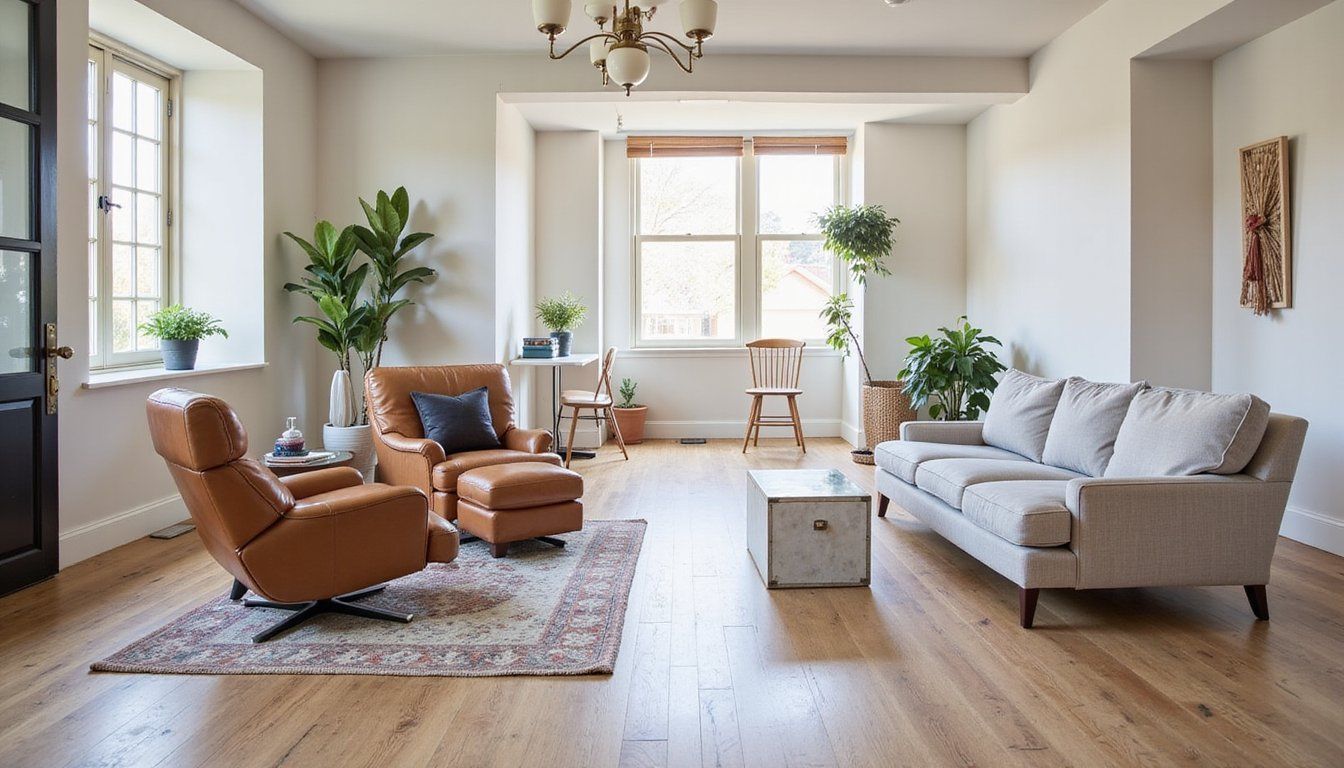
Ever walk into a room that feels unfinished? The furniture may be great but an empty floor can make seating feel like floating pieces rather than a coherent whole, which leaves a space that lacks warmth and purpose.
It can be frustrating to shop for a rug on a tight budget. You may find thousands of options online and in stores, and the choices can feel overwhelming when you also want something durable, well-sized, and stylish without spending a small fortune.
The Quick Fix
Anchor the room with a well-chosen affordable rug. Pick the right size and material, place it so key furniture sits on or at least touches the rug, and shop smart by comparing low-cost materials, outlet finds, and seasonal sales to get big visual impact for less money.
Opening
A rug does more than cover flooring. When chosen with intention it sets a scale, ties color and texture together, cushions sound, and gives a room emotional warmth that makes furniture feel connected.
Being budget-minded does not mean compromising feel or style. With careful sizing, smart material choices, and placement that reads like a design decision rather than an afterthought, you can achieve a polished look without a large spend.
Tools & Materials
- Measuring tape — to determine room dimensions and ideal rug sizes for seating arrangements.
- Rug pad — to keep the rug in place and add cushioning while protecting floors.
- Vacuum and spot cleaner — to maintain appearance and handle spills quickly.
- Notebook or phone photos — to record furniture layout and existing colors for matching.
- Painter’s tape or floor markers — to outline rug placement on the floor before buying.
Choosing Size and Shape
Size is the most powerful visual decision you can make for a rug. A rug that is too small disrupts flow and makes furniture feel disconnected, while the right size expands perceived space and visually anchors seating, dining, or bedroom zones.
Use a few simple rules to choose size quickly. For living rooms aim to have the front legs of sofas on the rug or opt for a larger rug that fits all furniture legs, in dining areas leave enough space for chairs to pull out without catching the rug, and in bedrooms choose a piece that creates a soft landing around the bed.
Material & Durability
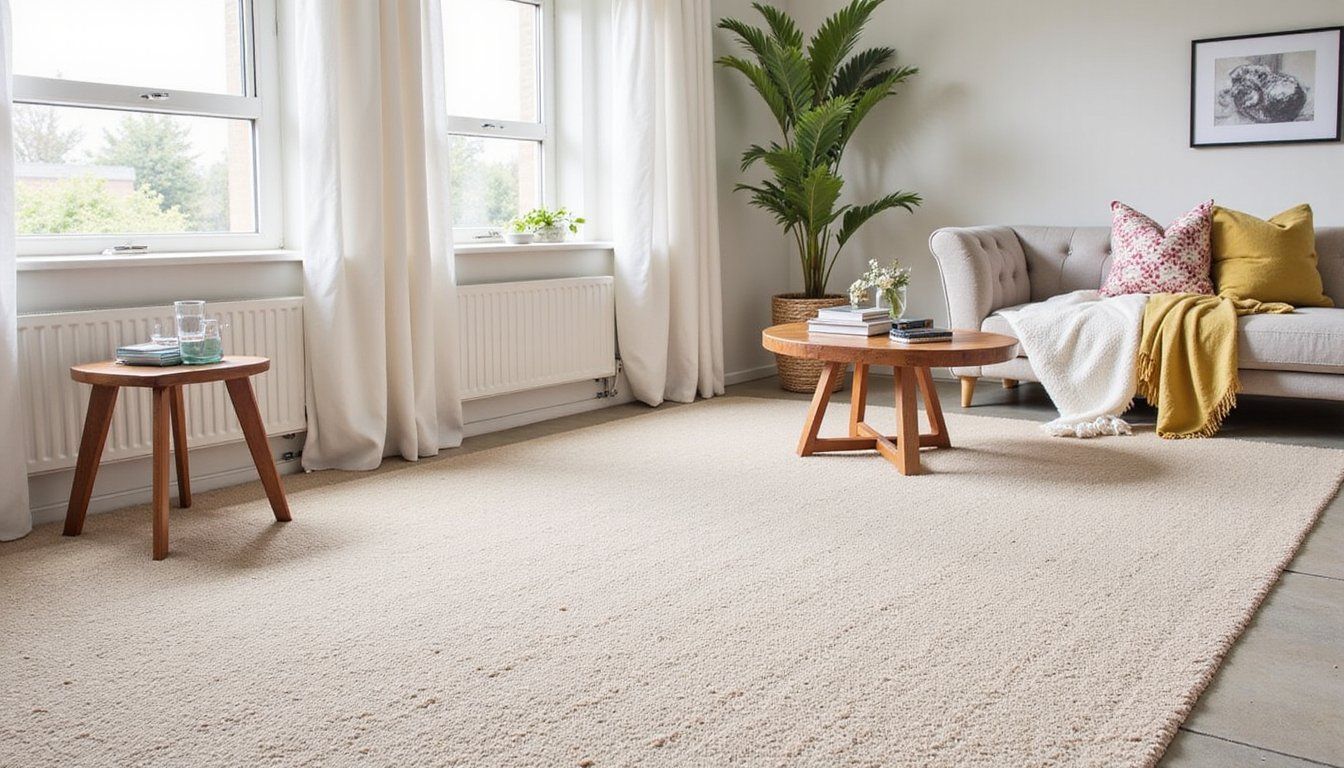
Material determines both lifespan and look. Natural fibers like wool offer softness, resilience, and rich texture, while synthetics such as polypropylene can mimic looks for lower cost and resist stains, which makes them practical in high-traffic or pet-friendly homes.
Select a fiber based on where the rug will live and how it will be used. Choose denser weaves and low piles for heavy-traffic areas to avoid flattening, and favor flatweaves or indoor/outdoor constructions when you want a lightweight, washable option that still reads like a decorative anchor.
| Material | Look & Feel | Care Notes |
|---|---|---|
| Wool | Lush texture, warm tones | Regular vacuuming, spot clean, professional clean for deep stains |
| Cotton/Flatweave | Casual, lightweight | Machine or gentle wash for small rugs, air dry |
| Polypropylene | Affordable, versatile | Easy to clean, resists staining |
| Jute/Seagrass | Earthy, textured | Avoid moisture, spot clean only |
Placement and Layering
Placement makes a rug feel intentional rather than accidental. Anchor a conversation area by placing the front legs of seating on the rug, or opt for an oversized rug that accommodates all furniture legs for a cohesive look that reads as intentionally designed.
Layering a small rug over a larger neutral base can add pattern and depth. Use a natural fiber base for texture and a patterned, affordable piece on top to bring color and personality while keeping the overall cost down and maintenance manageable.
Smart Shopping Strategies
Shop with intention rather than impulse. Know the sizes you need, the color family that complements your furniture, and acceptable material trade-offs to filter options quickly and avoid decision fatigue while hunting for bargains.
Use multiple sources to compare prices and sales. Check outlet sections, online marketplaces, local warehouses, and seasonal clearance events, and be ready to act quickly when you spot a quality rug at a deep discount because lower-priced favorites often move fast.
Budget Comparison
Consider how much visual return you get per dollar spent. A well-chosen mid-priced rug that fits and complements your space will often deliver more perceived value than an ill-fitting high-priced piece.
| Price Range | Typical Materials | Best Use |
|---|---|---|
| Low ($50 – $250) | Polypropylene, cotton blends | High-traffic, temporary rooms, kids or pets |
| Mid ($250 – $800) | Wool blends, higher-density synthetics | Main living spaces where longevity matters |
| Higher ($800+) | Hand-knotted wool, luxury natural fibers | Heirloom pieces, investment décor |
Balance immediate needs with long-term value. If a rug will see heavy use, favor a stronger construction even if it nudges your budget upward, because replacement costs and frustration from wear can outweigh the initial savings.
Quick Decision Checklist
Having a short checklist speeds confident purchases. Confirm room measurements, visualize how furniture will sit on the rug, and select a color family and pile height that align with daily life to avoid returns and regrets.
| Question | Yes / No |
|---|---|
| Does the rug size allow furniture legs to sit on it? | Yes |
| Is the chosen fiber suitable for pet hair and stains? | No |
| Does the pattern hide dirt between cleanings? | Yes |
Styling Tips for Small Budgets
Mix textures and neutral colors to make modest rugs feel more expensive. Layer a cheap patterned rug over a plain jute or sisal base, or pair a low-cost rug with luxe textiles like velvet cushions or a throw to create a curated look that reads upscale.
Use scale to your advantage by placing bold patterns on the floor rather than the walls. A vibrant rug becomes the focal point so other elements can be quieter and less costly while still achieving a designer sensibility.
What to Avoid
Avoid impulse purchases without measurements or a plan. Returning rugs is tedious and time-consuming, so take a few measurements and mock up placement before you commit to a final purchase to prevent buyer’s regret.
Maintenance and Care
Routine care keeps an affordable rug looking fresh for years. Vacuum regularly on the appropriate setting, address spills promptly with manufacturer-friendly cleaners, and rotate the rug periodically to even out wear from sun and foot traffic.
Consider professional cleaning for deeply set stains or fibers that trap dirt. For inexpensive rugs that are machine washable or can be spot-cleaned, follow care tags closely to avoid shrinkage or texture loss, and keep wet-cleaning to a minimum for natural fiber pieces.
Small Room Strategies
Opt for larger rugs to make small rooms feel bigger. A rug that reaches under most furniture creates the visual illusion of space and prevents the awkward feeling of furniture floating on bare floors of different islands.
When a single large rug is out of budget, consider visual tricks. Use runner rugs to create directional flow, or place matching smaller rugs in adjacent zones to give the appearance of continuity at a lower cost.
When to Invest More
Invest more when the rug is a long-term centerpiece. If a rug will be under heavy use in a main living space for years, spending a bit more on a higher-quality construction and timeless pattern will reduce replacement needs and keep the room feeling cohesive.
Save on trend-driven accents and splurge on fundamentals. Spend on a well-made neutral base and use affordable patterned rugs, pillows, or art to change the character of the room seasonally without a large commitment.
A Short Checklist Before Checkout
Quickly verify fit and function before buying. Double-check dimensions, confirm return policy, verify shipping times, and ensure you have the right rug pad type ready so installation is seamless and the purchase enhances the room immediately upon arrival.
Quick reminder: A good return policy and visible customer photos can save you from an ill-fitting surprise.
Final Styling Examples
Think in terms of zones and balance. Use rugs to create clear living and dining areas in open-plan homes, and balance color intensity so the rug enhances rather than dominates the rest of the décor by echoing one or two accent tones elsewhere.
Rotate accents seasonally to refresh the room for low cost. Swap pillows, throws, or an inexpensive patterned rug for a different look while keeping a stable neutral base, which maximizes the visual life of budget purchases.
Frequently Asked Questions
What size rug should I get for a living room? Aim for a rug that allows at least the front legs of sofas and chairs to sit on it, or choose a larger rug that fits all furniture legs to create a cohesive seating area and prevent visual fragmentation of the space.
Can I put a cheap rug in a high-traffic area? Yes, if you prioritize low-pile, stain-resistant materials and pair the rug with a durable pad; cheaper rugs can perform well in busy zones when chosen for function rather than just appearance.
Do I need a rug pad? Absolutely; a pad prevents slipping, reduces wear, adds comfort, and helps the rug keep its shape which extends lifespan and protects the floor underneath.
How do I clean spills on different rug fibers? Blot liquids immediately with a clean cloth and consult care guidance for the fiber type—synthetics tolerate mild cleaners and water better, while natural fibers often require gentler, specialized care or professional treatment.
Is it better to buy online or in person? Buying in person lets you judge texture and tone directly, but online shopping expands options and pricing; if purchasing online, read reviews, check return policies, and compare photos from customers to reduce uncertainty.
