
Key Takeaways
- Acetaminophen and Paracetamol are two names for the same chemical compound, widely used as a pain reliever and fever reducer across different regions.
- The distinction between the terms mainly arises from geographical naming conventions rather than differences in formulation or function.
- Both are accessible over-the-counter medications but may be marketed under various brand names depending on the country.
- Despite identical active ingredients, availability, labeling, and regulatory guidelines can vary between areas that use the term Acetaminophen versus Paracetamol.
- Understanding local drug terminology is essential for proper medication use and avoiding confusion in international healthcare settings.
What is Acetaminophen?

Acetaminophen is a widely used over-the-counter medication primarily recognized in North America and some other regions. It serves as a pain reliever and fever reducer and is often the first choice for mild to moderate discomfort.
Regional Usage and Recognition
In the United States and Canada, acetaminophen is the dominant term encountered on medication labels and healthcare instructions. This naming convention has historical roots linked to pharmaceutical development and marketing strategies in these countries.
Hospitals and pharmacies in these regions typically stock acetaminophen-based products under familiar brand names, making it a household staple. Consumers often rely on this term when discussing pain relief options with healthcare providers.
Pharmacological Properties
Acetaminophen works by inhibiting the synthesis of chemical messengers in the brain that signal pain and elevate body temperature. Unlike nonsteroidal anti-inflammatory drugs (NSAIDs), it does not reduce inflammation, making it suitable for patients who cannot tolerate NSAIDs.
The compound’s safety profile at recommended doses is generally favorable, but overdosing can lead to severe liver damage, emphasizing the importance of dosage awareness. It is metabolized primarily in the liver, necessitating caution in patients with hepatic impairment.
Common Applications and Forms
Acetaminophen is available in multiple formulations including tablets, capsules, liquids, and suppositories, catering to various patient needs. It is frequently combined with other medications such as opioids or cold remedies to enhance therapeutic effects.
Its use spans from treating headaches and muscle aches to managing fever in both adults and children. The accessibility of acetaminophen in many forms makes it a versatile option in primary care settings.
Regulatory Environment and Safety Guidelines
In North America, acetaminophen is regulated by agencies such as the FDA, which sets limits on prescription combination products to prevent overdose. Public health campaigns often emphasize reading labels carefully to avoid accidental excessive intake from multiple sources.
Despite its over-the-counter status, acetaminophen carries warnings regarding liver toxicity, especially when combined with alcohol consumption. Healthcare providers routinely advise patients on safe use practices to minimize risk.
What is Paracetamol?
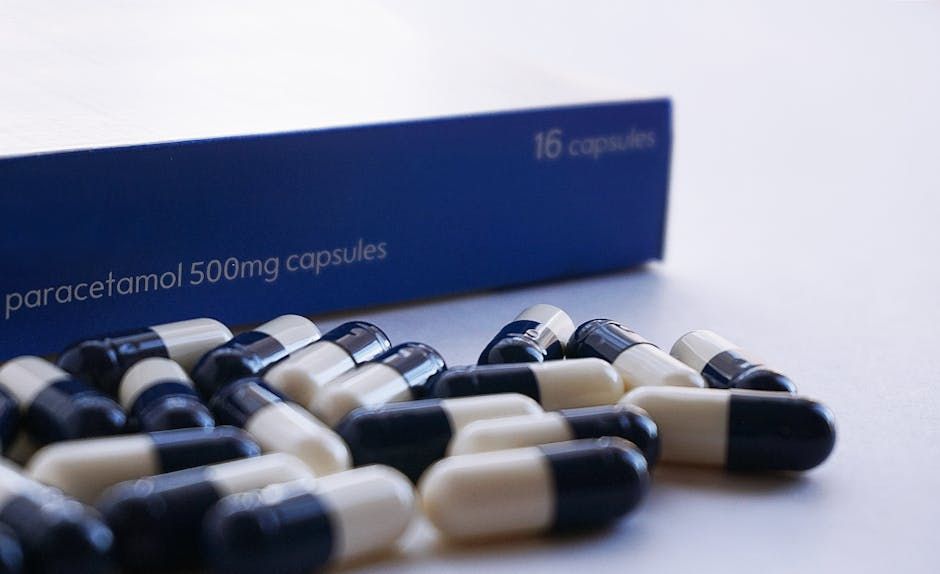
Paracetamol is the term commonly used in Europe, Asia, Australia, and many other parts of the world for the same chemical compound known as acetaminophen. It is widely recognized for its effectiveness in reducing fever and alleviating mild to moderate pain.
Global Naming Conventions
The term paracetamol derives from a longer chemical name and has been adopted by the World Health Organization and many national health systems. It is the preferred term in countries like the United Kingdom, India, and Australia, reflecting regional pharmaceutical traditions.
This uniform terminology helps standardize medical communication in international contexts, especially in clinical trials and global health policies. Consumers in these regions are generally more familiar with paracetamol than acetaminophen.
Therapeutic Uses and Administration
Paracetamol is extensively utilized for treating conditions such as headaches, arthritis pain, and fever associated with infections. Its analgesic and antipyretic properties make it a frontline medication in both outpatient and hospital settings.
Dosage forms available include tablets, syrups, and intravenous preparations, enabling use in diverse clinical scenarios. Paracetamol is often recommended for patients who require pain relief but cannot tolerate NSAIDs due to gastrointestinal or bleeding risks.
Pharmacodynamics and Metabolism
Like acetaminophen, paracetamol acts centrally to inhibit pain and fever pathways, though the exact mechanism remains partially understood. It undergoes hepatic metabolism, producing metabolites that require detoxification by glutathione, linking its safety to liver function.
Excessive intake saturates this detox pathway, leading to accumulation of toxic metabolites that cause liver cell damage. This metabolic profile necessitates caution in patients with pre-existing liver conditions or those consuming alcohol regularly.
Regulatory Oversight and Public Health Impact
Health authorities in paracetamol-using regions issue guidelines on maximum daily doses and interactions with other drugs to prevent misuse. Educational efforts often stress the importance of adhering to recommended dosages to prevent adverse events.
Paracetamol is included in many essential medicine lists globally due to its efficacy and safety when used appropriately. Its widespread availability makes it a critical component in managing pain and fever across diverse populations.
Comparison Table
The following table highlights key practical, regulatory, and cultural distinctions between acetaminophen and paracetamol in everyday healthcare use.
| Parameter of Comparison | Acetaminophen | Paracetamol |
|---|---|---|
| Common Geographic Usage | Primarily North America (USA, Canada) | Europe, Asia, Australia, Africa |
| Brand Name Examples | Tylenol, Mapap | Panadol, Calpol |
| Labeling Terminology | Acetaminophen prominently displayed on packaging | Paracetamol used on labels and instructions |
| Regulatory Agencies | US FDA, Health Canada | MHRA (UK), TGA (Australia), CDSCO (India) |
| Public Awareness Campaigns | Focus on preventing liver toxicity through label education | Emphasis on safe use and avoiding overdose in combination products |
| Dosage Recommendations | Maximum 4000 mg per day for adults | Generally capped at 4000 mg per day, with local variations |
| Availability in Combination Products | Common in cold remedies and opioid analgesics | Widely combined with cough suppressants and NSAIDs |
| Formulations Offered | Tablets, capsules, liquids, suppositories | Tablets, syrups, injectable forms |
| Consumer Perception | Viewed as safe, common household medicine | Trusted as first-line analgesic and antipyretic |
| Healthcare Provider Terminology | Frequently used in clinical documentation and prescriptions | Preferred term in medical guidelines and literature |
Key Differences
- Terminology Origin — Acetaminophen is derived from the chemical name used predominantly in North America, while paracetamol is the internationally recognized name based on the chemical structure.
- Market Branding — The two terms are tied to distinct brand names that vary regionally, influencing consumer familiarity and trust.
- Regulatory Frameworks — Different countries have separate regulatory bodies that control labeling, packaging, and dosage limits despite the identical active ingredient.
- Healthcare Communication — Medical professionals use one term over the other depending on the country, affecting prescription writing and patient counseling.
FAQs
