
Hook & TL;DR
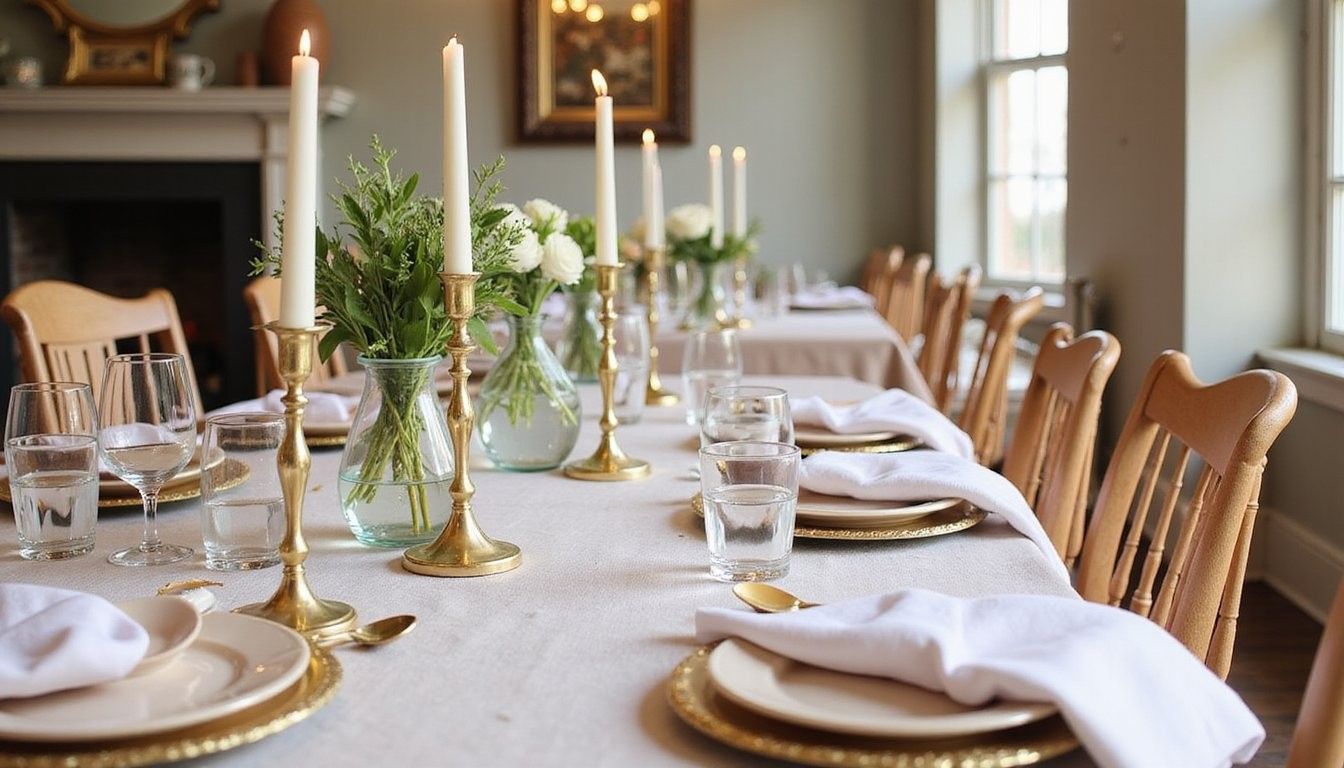
Set the tone from the moment your guests arrive by designing a table that feels warm, intentional, and effortless, so everyone senses the care behind every detail.
Simple choices make a big impression when you balance textures, light, and thoughtful accents to create a cohesive scene that invites conversation and comfort.
Key Takeaways
- Choose a clear color direction and repeat it across elements for unity.
- Layer fabrics and heights to add depth and visual interest.
- Combine natural and crafted pieces for a textured, welcoming feel.
- Prioritize lighting and personal touches to make guests feel seen.
Welcome
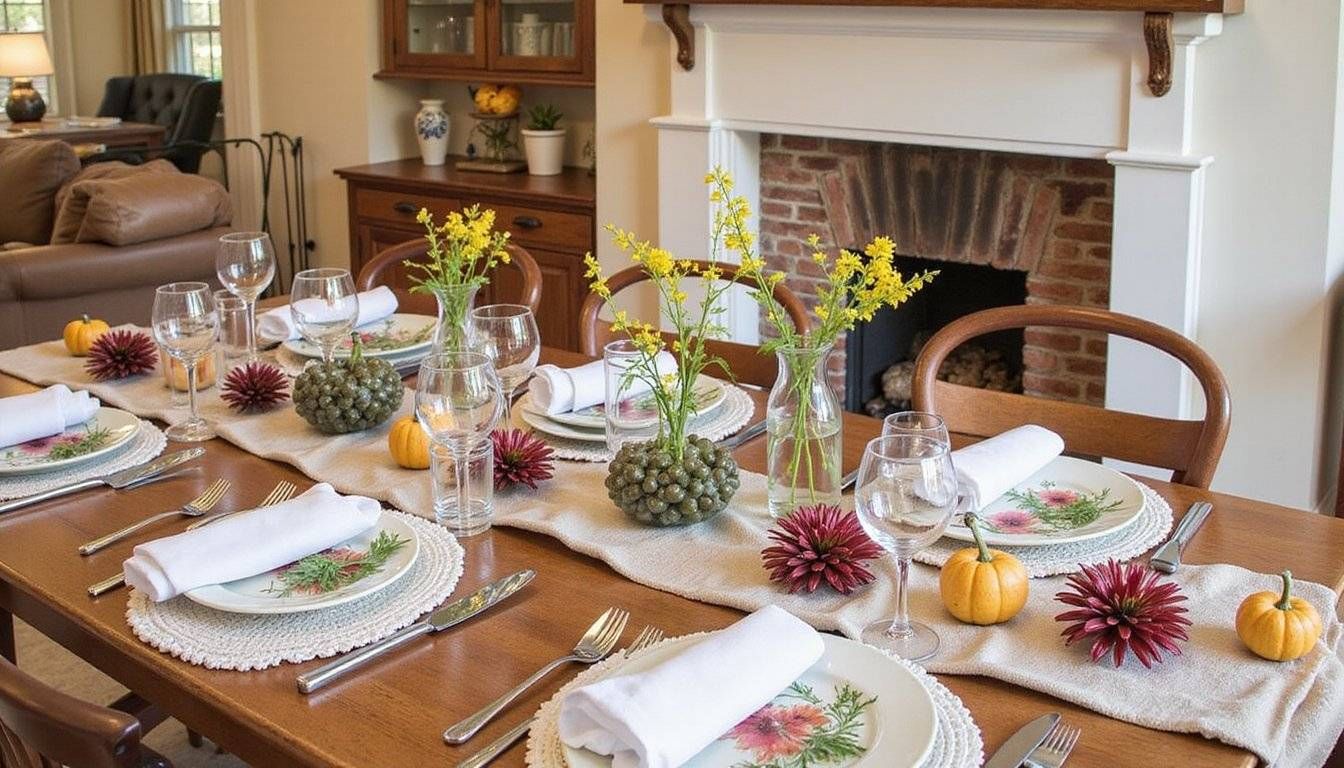
Think of your table as a scene that invites lingering by arranging items so every guest has room to breathe while still feeling surrounded by seasonal charm and thoughtful details.
You can create a memorable experience without extravagance by pairing a handful of quality pieces with practical planning so the atmosphere feels curated rather than cluttered.
Simple rituals make gatherings feel special such as a small welcome note, a shared appetizer bowl, or a soft playlist that complements the meal rhythm.
Tools & Materials
Gathering your materials ahead of time saves last-minute stress and lets you test combinations so the finished table feels intentional rather than improvised.
- Tablecloth or runner (linen, cotton, or burlap)
- Placemats or chargers
- Plates, bowls, glassware, flatware
- Napkins and napkin rings or ribbon
- Candles, candleholders, or lanterns
- Fresh or dried foliage, small pumpkins, pinecones, or fruit
- Serving pieces and center decorative items
- Small name cards or favors (optional)
A short checklist lets you tick items off as you set up and keeps focus on staging the table rather than hunting for missing pieces at the last minute.
Color & Theme
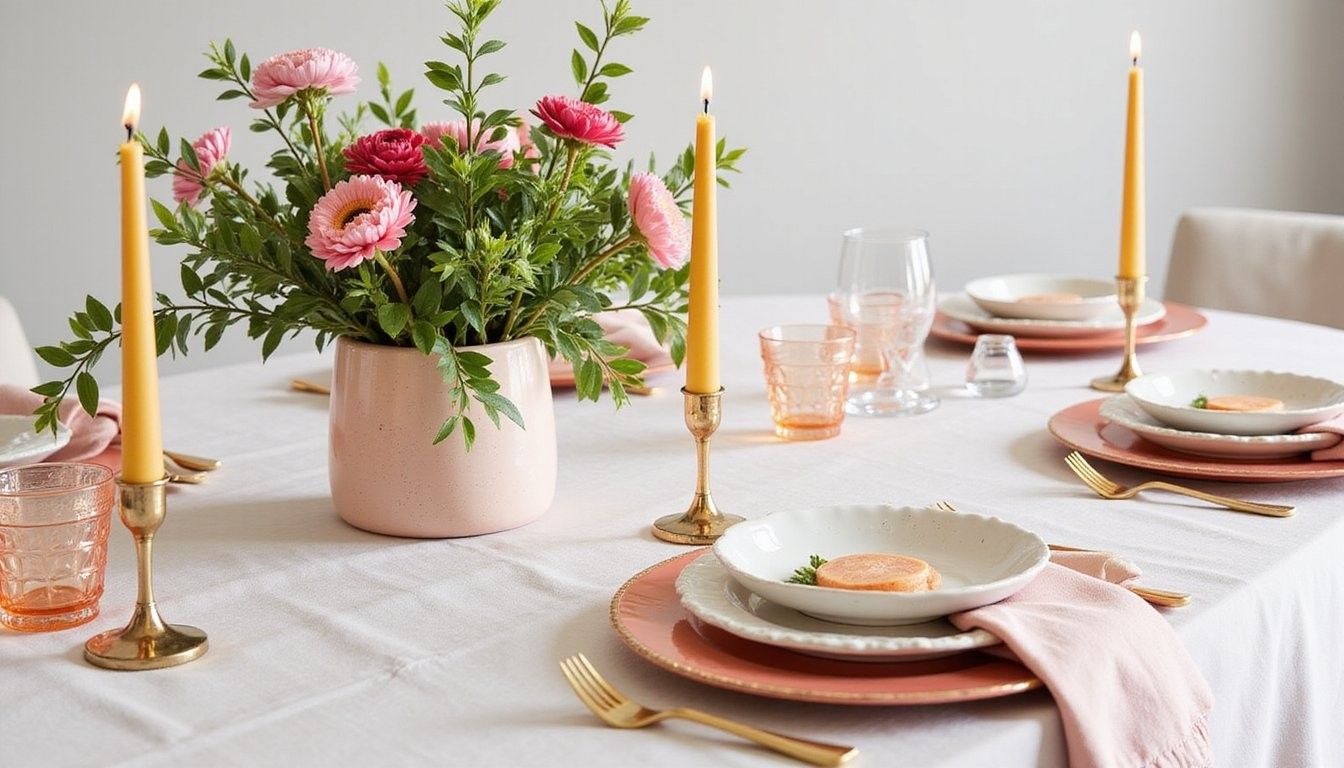
Picking a clear color direction makes styling simpler because repeating two or three core colors across linens, dishes, and accents creates harmony and reduces decision fatigue while you stage the table.
Consider choosing one anchor shade and two supporting hues so elements like napkins, chargers, and decorative gourds feel coordinated rather than competing for attention.
Natural palettes lend timeless warmth—think warm neutrals with rust or deep green accents—but don’t shy away from a bold thankful tone such as deep blue or burgundy if it reflects your home’s character.
Textures act like a fourth color by introducing tactile contrast through woven placemats, matte stoneware, and shiny glass to create visual layers that read as cohesive from a distance.
Layering & Layout
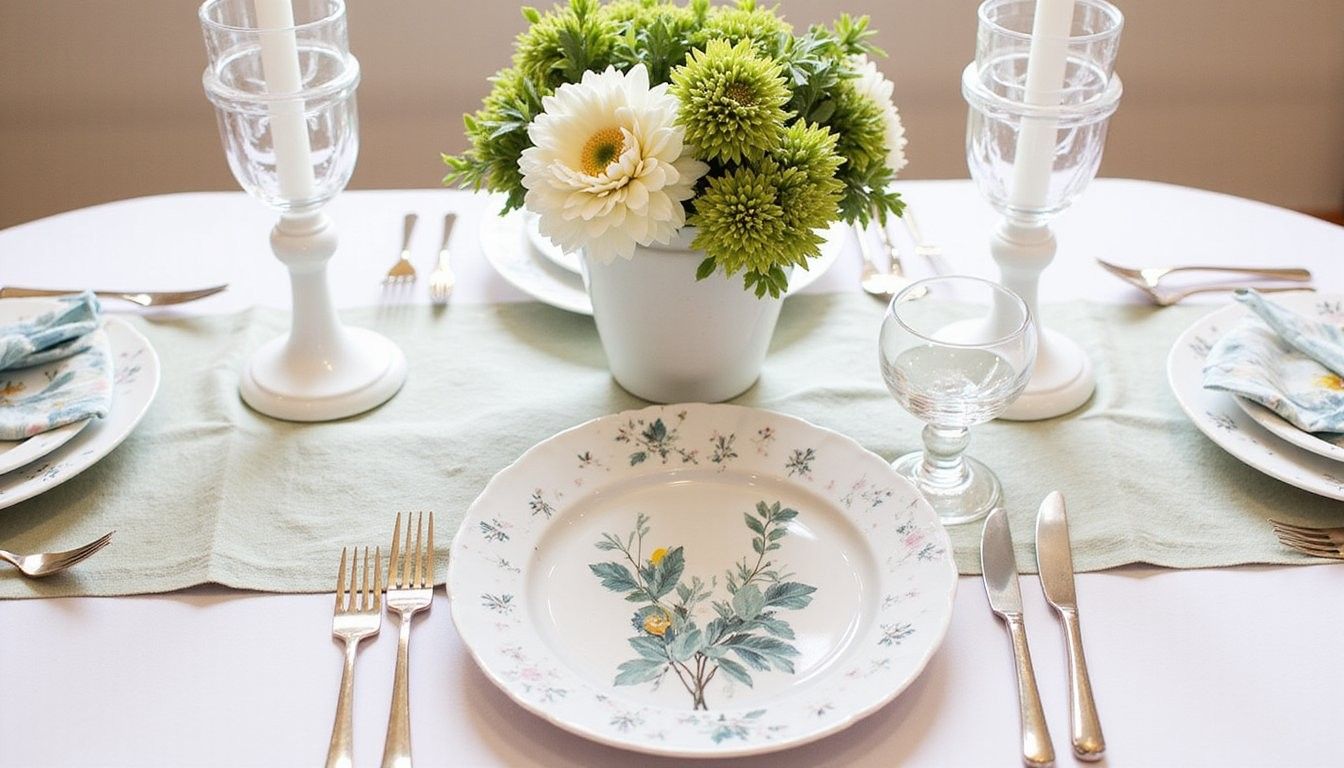
Work from the largest anchor inward by placing a tablecloth or runner first, adding chargers or placemats, then plates and napkins, which creates a stable visual foundation and helps you judge scale as you add decorations.
Vary heights to create movement across the table surface using tall candlesticks, low bowls of greens, and medium-height vases so eyes travel and conversation finds natural focal points without obstructing sightlines between guests.
Leave space for serving and elbows by keeping the central composition narrow or offsetting larger items to one side, which balances showmanship with practical staging for a meal service that flows easily.
| Element | Purpose | Placement Tip |
|---|---|---|
| Runner or cloth | Creates backdrop and anchors colors | Center lengthwise or offset for asymmetry |
| Chargers | Frame plates and add structure | Place under each setting before dinnerware |
| Candles and greenery | Add warmth and texture | Alternate tall and low, leave clear paths |
Centerpieces & Lighting
Centerpieces set the emotional tone so choose pieces that reflect the meal mood: abundant and low for communal feasting, or sculptural and vertical for a dramatic, modern dinner.
Balance live elements with durable accents by mixing fresh foliage, seasonal fruit, or small pumpkins with metal or ceramic vessels to avoid wilting focal points and to extend the display through the evening.
| Centerpiece Type | Best For | Notes |
|---|---|---|
| Low foliage runner | Large family tables | Easy to pass dishes around |
| Single tall vase | Small dinner for impact | Keep stems slim and high |
| Cluster of candles | Evening dinners | Use varying heights and drip trays |
Layered lighting creates intimacy by combining overhead dimming, candles, and table lamps so the table glows without glare and each face reads softly in photos and memories alike.
Mind safety and clearance around flames by trimming greenery away from candlesticks and using hurricane glasses or flameless candles when a busy service plan could lead to accidental knocks.
Place Settings & Details
Thoughtful place settings help guests feel recognized so add a small personal touch like a name tag, tiny favor, or a handwritten greeting that doesn’t crowd the plate area.
Layer plates and glassware with intention by setting chargers first, followed by dinner plates, salad plates, and finally folded napkins, leaving utensils easy to access without needing to shuffle items when the meal begins.
| Cost vs. Impact | Low Cost | High Cost |
|---|---|---|
| Visual lift | Reusable napkin rings, seasonal sprigs | Designer linens, hand-blown glassware |
| Practicality | Pressed or thrifted chargers | Custom settings and matching flatware |
Small details photograph beautifully so arrange a consistent direction for cutlery and place special pieces where camera angles and sightlines will capture them naturally.
What to Avoid
FAQ
How far in advance should I set the table? Ideally set the base layers like tablecloth, chargers, and place settings a day ahead to free up time for food prep the day of, and add delicate items such as fresh foliage and candles just before guests arrive.
Can I mix different sets of dishes? Yes, mixing plates and glassware can feel intentional when tied together by a repeating color or texture so mismatched pieces read as eclectic instead of haphazard.
Are real candles necessary? Real candles add warmth and scent, but high-quality LED candles are a safe alternative that still provide flicker and glow without worry, especially around families with children or pets.
What if my table is small? On a compact table, prioritize a slim, low centerpiece and use vertical wall or mantel decorations to extend the feeling of abundance without crowding the place settings.
Final Notes
Practice a quick layout rehearsal to confirm scale and circulation, moving pieces until serving paths and sightlines feel natural so the evening runs smoothly and the aesthetic remains intact during service.
Remember that warmth matters most—a well-lit, comfortable table with meaningful small touches will outshine an overly staged or sterile setup because guests remember how welcome they felt long after the dishes are cleared.
