
The Struggle
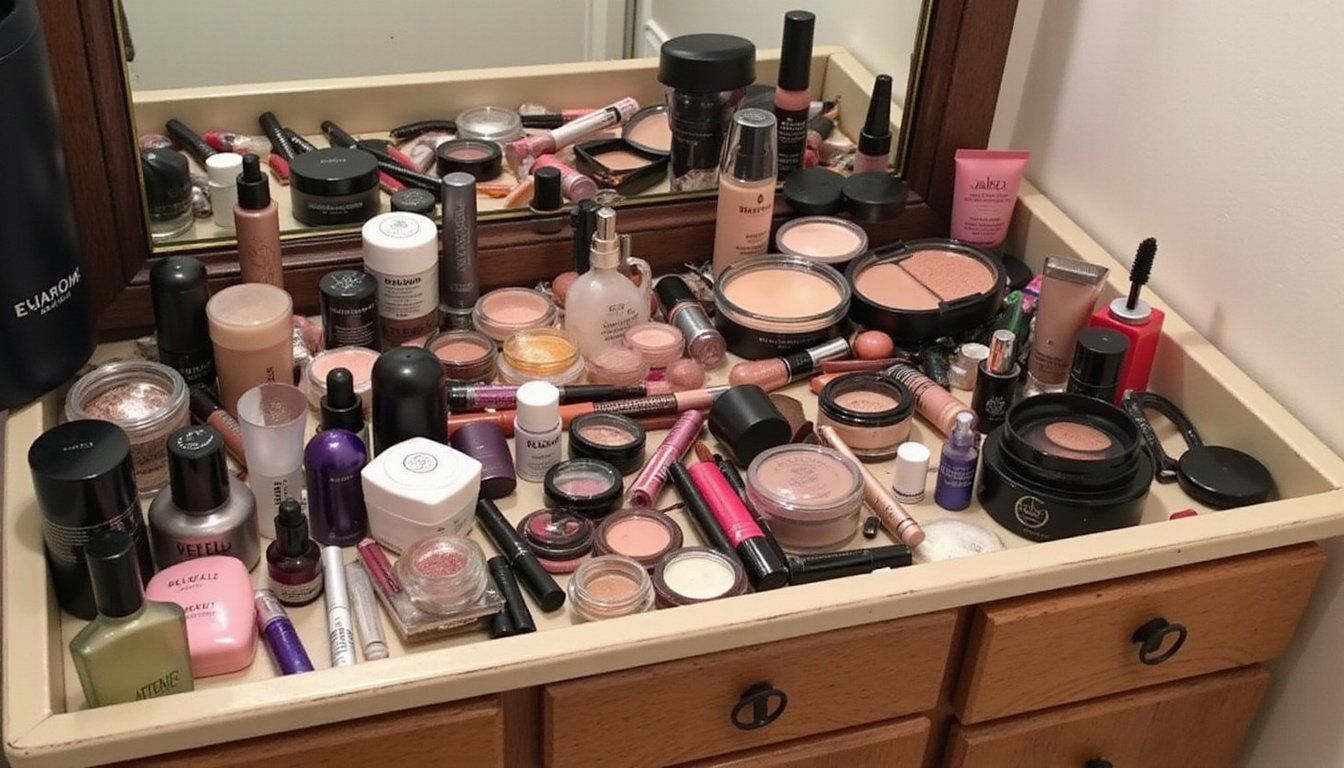
Overstuffed surfaces make the mirror a minefield of products and the top drawer a jumbled, stressful experience for anyone getting ready, which turns a calm routine into a hunt for a single eyeliner or a missing moisturizer.
Scattered supplies leave expired pills tucked behind bottles and half-empty travel tubes shoved to the back, creating safety risks and constant irritation when you just want a smooth, efficient start to the day.
The Quick Fix
Clear zones and simple routines transform chaos into calm by grouping items by use, assigning each product a home, and adding a handful of smart containers so everything is easy to find and easy to put away.
A small investment in bins, trays, and labels pays back minutes every morning and keeps fragile medicines safer by giving them stable, visible homes rather than hiding them behind shampoo bottles.
Overview
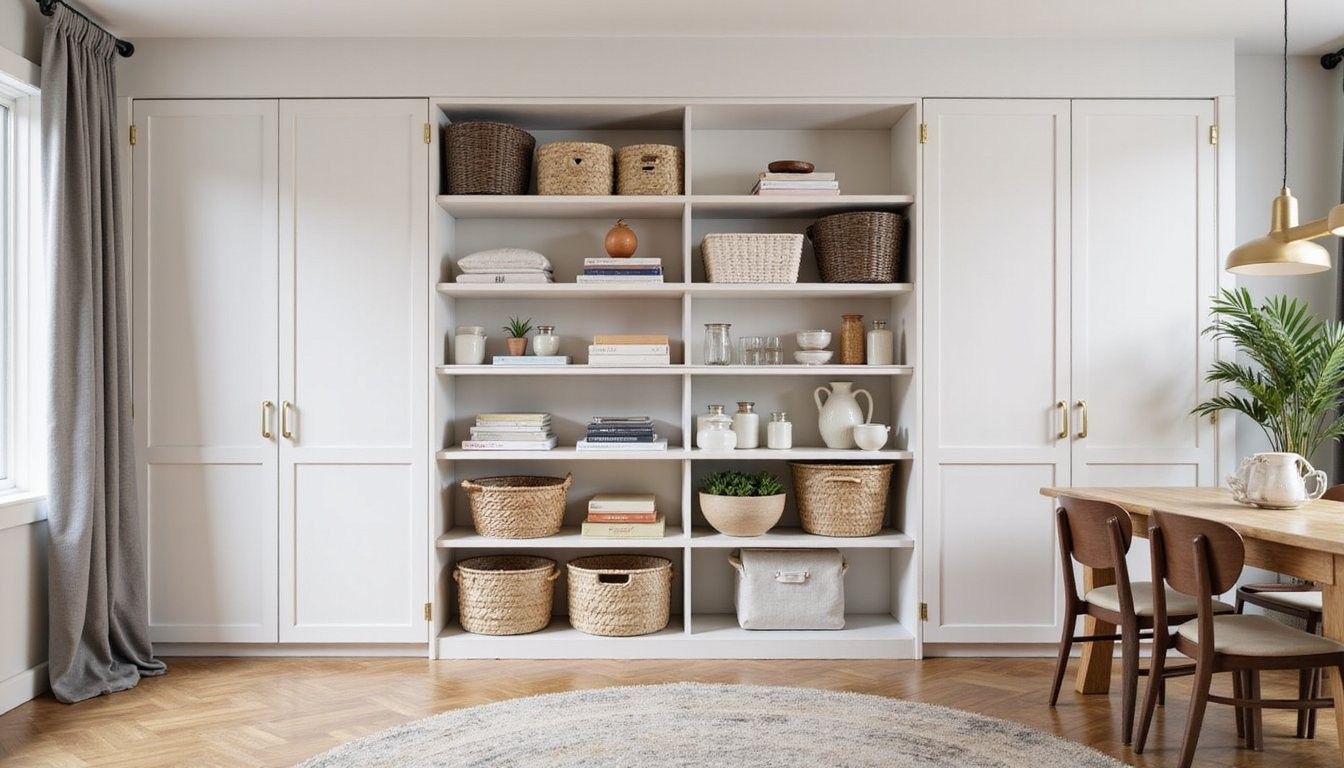
Order brings ease when daily routines are supported by storage that mirrors how you use products, so choosing places based on frequency of use means fewer frustrating searches and less clutter buildup over time.
Small changes matter because a few containers, one drawer system, or a dedicated shelf for sensitive items can convert a chaotic setup into a reliable, pleasant space where everything has a clear role.
Tools & Materials
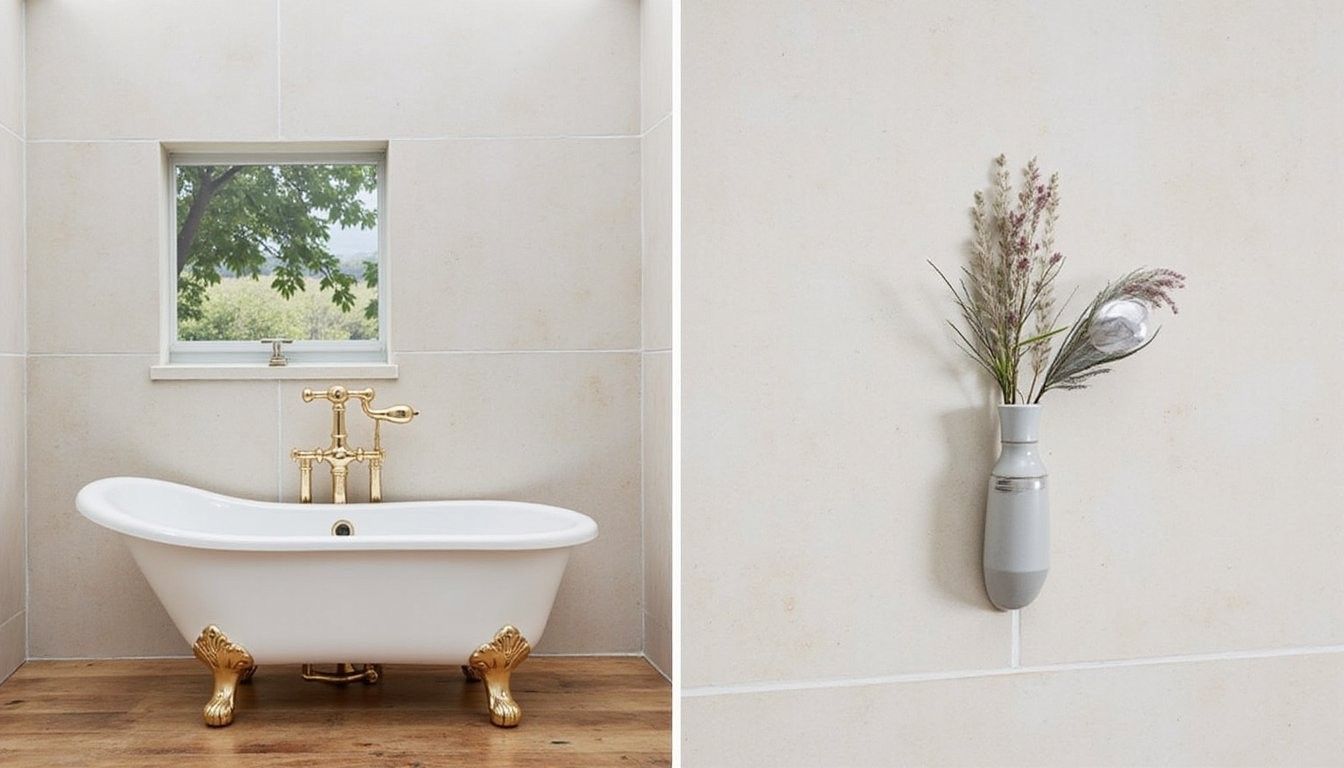
Gathering the right basics makes the setup process much faster and less guesswork-driven, so collect containers that match your style and the bathroom layout before you start.
- Clear acrylic trays and drawer dividers
- Stackable bins in neutral tones
- Small glass jars for cotton pads and swabs
- Magnetic strips and small metal tins
- First aid kit box or lockable medicine container
- Label maker or waterproof labels
- Lazy Susan for deep cabinets
- Over-the-door hooks and narrow shelving
Makeup Storage Strategies
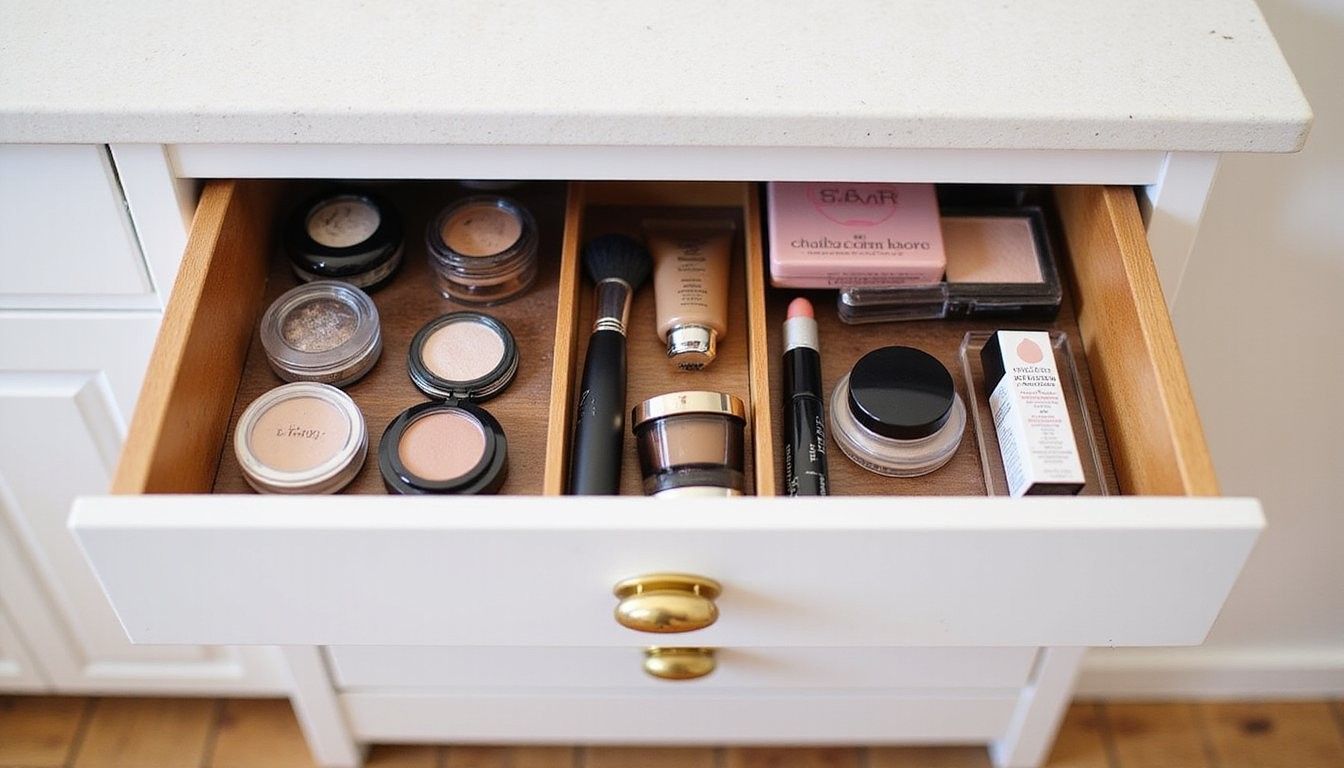
Sort by routine by placing daily makeup at eye level and special-occasion items in a lower drawer so the products you reach for most often are the easiest to grab, which reduces time and effort every morning.
Use vertical space by installing shallow shelves or a narrow hanging organizer to keep palettes and brushes visible and flat, preserving product condition and making cleanup quicker at the end of the day.
Drawer dividers change everything because they prevent liners and shadows from sliding into one another, and clear compartments let you see colors at a glance so you spend less time choosing and more time enjoying getting ready.
Toiletries & Daily Essentials
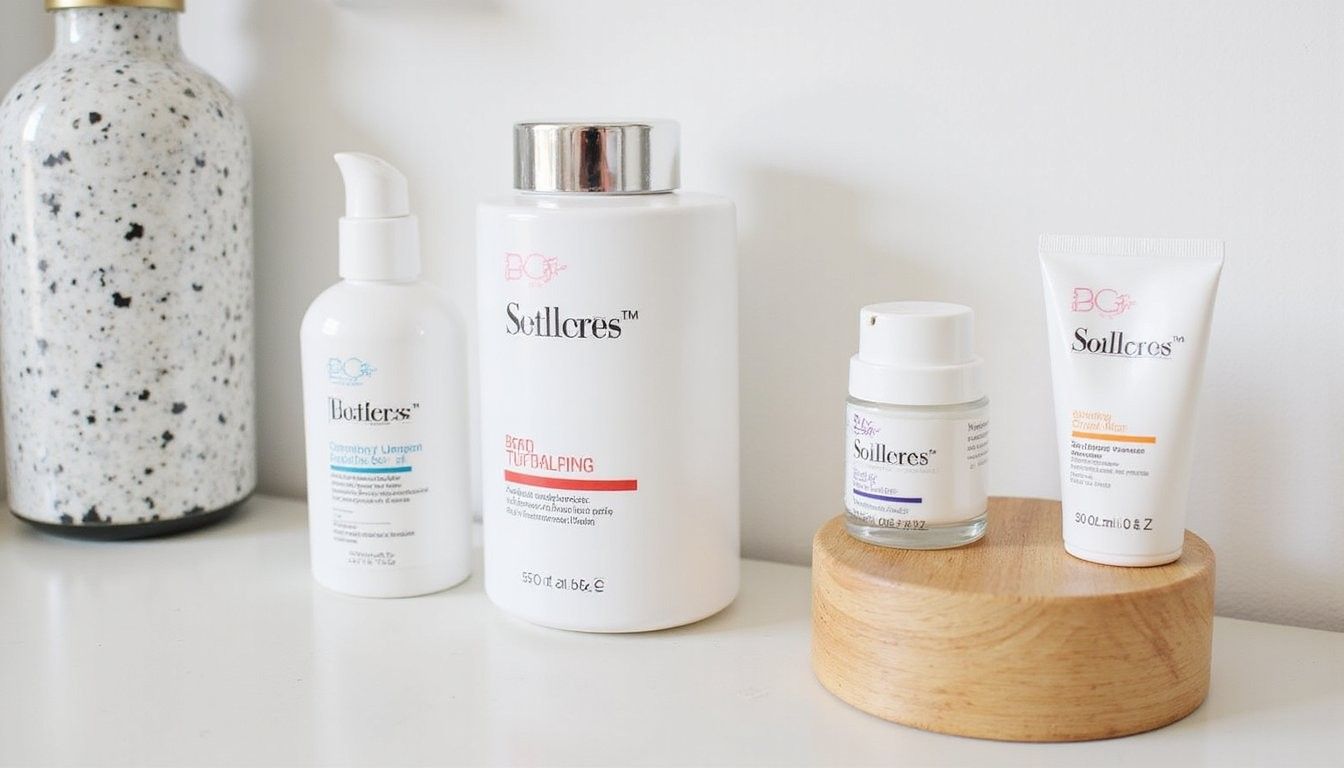
Zone by function with a morning area for toothpaste, cleanser, and sunscreen, and an evening area for treatments and heavier creams, so each part of the day has a predictable location and routine.
Choose containers that match moisture levels by keeping items that tolerate humidity, like soaps or bottles, on open shelving while placing cottons and paper-based items inside closed jars to maintain dryness and neatness.
Rotation keeps clutter down by removing empties and consolidating half-used bottles into one refill container every month, which saves space and keeps cabinets from becoming a catchall for nearly-empty products.
Medicine & First Aid
Safety first means keeping prescription medications in a secure, dry place at eye level to reduce mix-ups and prevent children and pets from reaching them, while also making expiry checks simple and routine.
Separate categories by grouping daily prescriptions, occasional remedies, and first aid supplies in clearly demarcated containers so you can respond quickly in an urgent moment without rifling through multiple boxes.
| Storage Type | Best For | Notes |
|---|---|---|
| Lockable box | Prescription drugs | Keeps away children and limits accidental use |
| Small drawer divided | Daily vitamins and regular OTC | Easy visibility for quick checks |
| Labeled pouch | Travel or emergency kit | Portable and ready to go |
Small Bathrooms & Space-Saving
Think up and behind doors by using tall slim shelving, over-the-toilet units, and the back of cabinet doors for slim racks which add storage without taking floor space and keep things accessible.
Multipurpose pieces win when a mirror medicine cabinet doubles as both a cosmetic station and a secure place for medicines, cutting the need for extra furniture and keeping open surfaces clear.
| Solution | Space Use | Quick Benefit |
|---|---|---|
| Over-door rack | Vertical | Keeps items off counters |
| Stackable bins | Cabinet depth | Adds layers of storage |
| Magnetic strips | Wall or inside doors | Holds metal tools neatly |
Common Mistakes
Overcrowding hides problems because stuffing every shelf and drawer makes expiration checks and cleaning harder, which leads to waste and reduces the overall usability of the room.
Ignoring maintenance by not reassessing storage monthly allows clutter to creep back in, so a short monthly sweep keeps supplies fresh and systems quick to use.
Frequently Asked Questions
Can I store medicines in the bathroom? Bathrooms can be humid and warm, which reduces the shelf life of some drugs, so keep sensitive medications in a cool, dry, locked box outside the damp zone and use the bathroom only for less sensitive remedies.
How do I keep makeup from getting damaged? Store palettes flat, keep brushes upright in containers to preserve bristles, and use clear trays so you can see shades and reach what you need without rummaging.
What is the easiest way to manage small items like cotton swabs? Transfer them into clear jars or small lidded containers and place them near the sink for daily use so you maintain accessibility while keeping the surface neat.
How often should I check expirations? A quick monthly inventory prevents surprises and ensures safety; mark a recurring date on your calendar to remove expired items and consolidate half-used bottles.
Any tips for traveling with medicines and toiletries? Use a labeled pouch with a partial duplicate of essentials and place prescriptions in the original bottles when possible so you have what you need in one easy-to-grab kit.
