
Story Hook
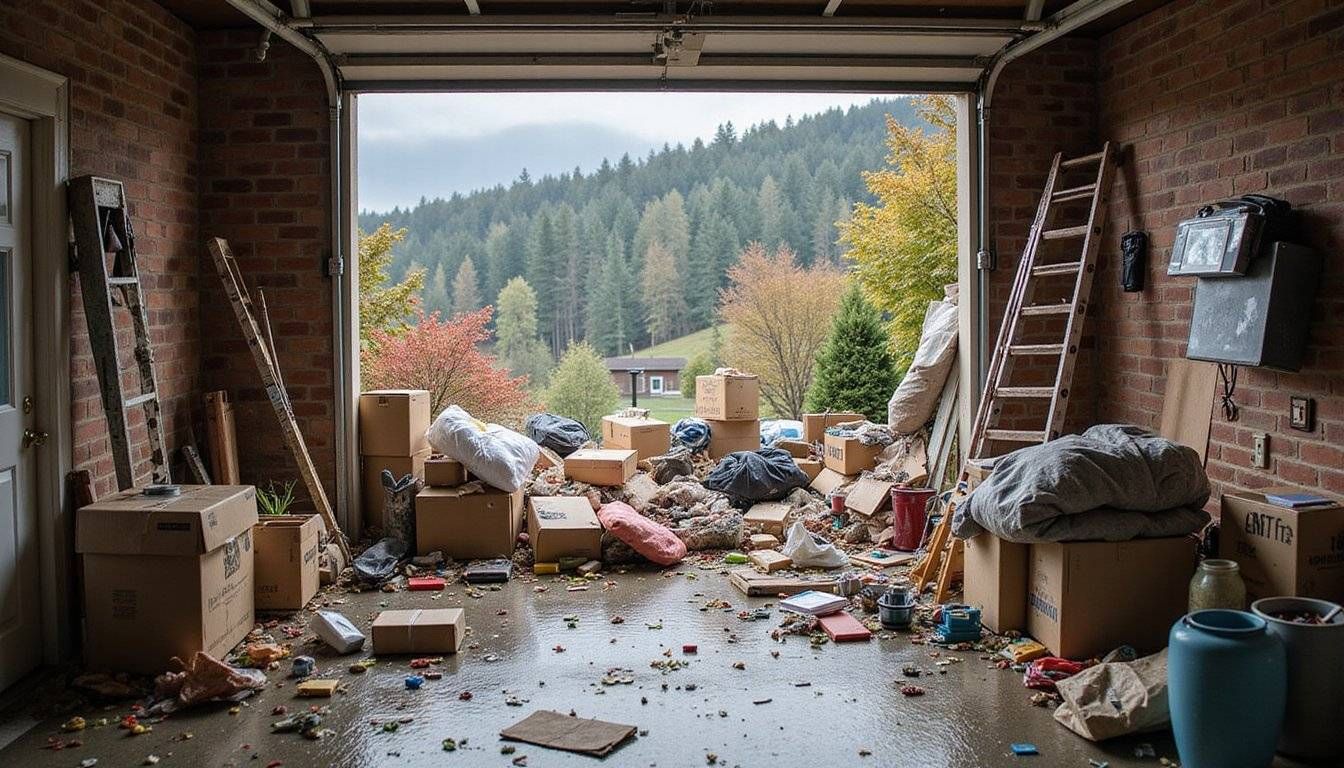
Late one rainy Saturday I opened the garage to grab a hammer and a cascade of boxes, bags and a loose ladder tumbled out and nearly took me with it.
That messy morning pushed me to rethink how the space worked and to invent low-cost fixes that kept tools safe and made projects start faster on future weekends.
The Why
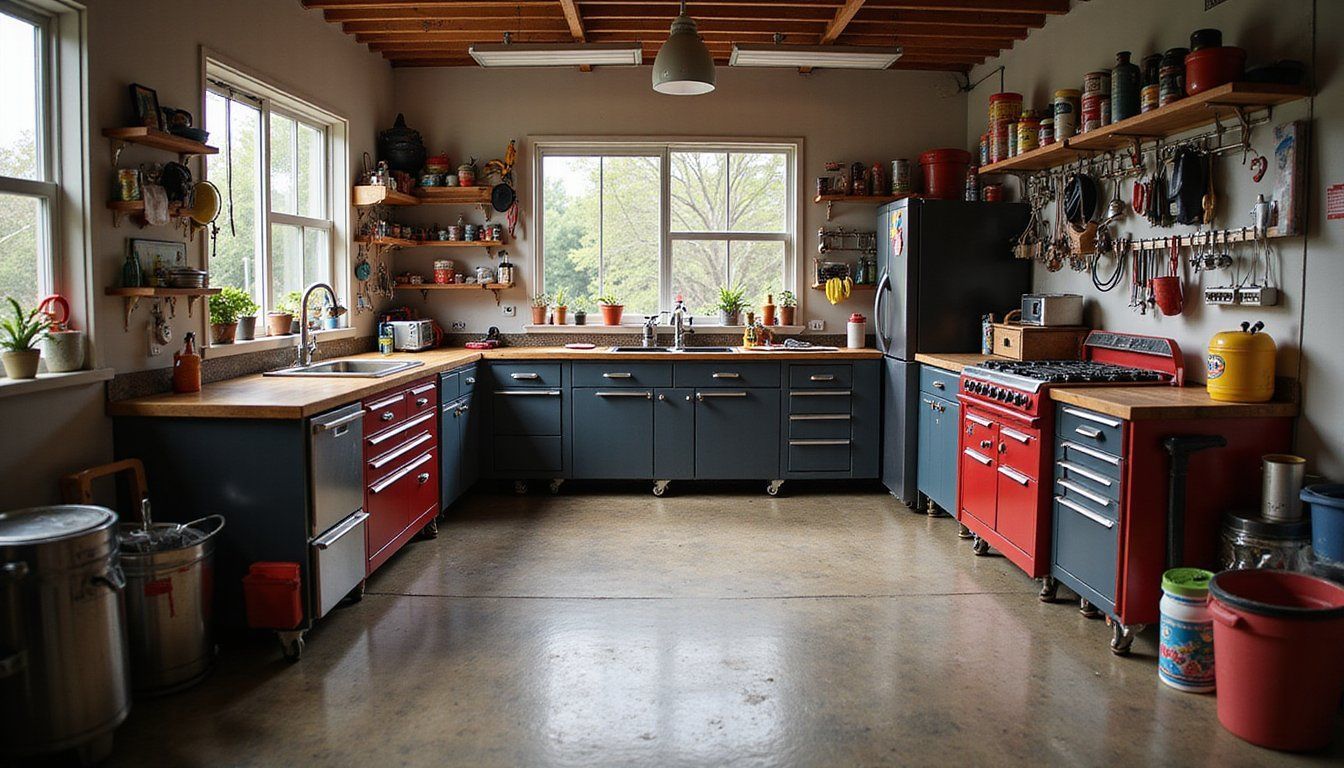
When a garage is chaotic it steals time, causes frustration and makes small jobs feel huge because tools are buried or damaged and surfaces are unusable.
Organizing on a budget changes that by creating clear places for things, saving money on replacements and turning the garage back into a practical extension of the home rather than a dumping ground.
Overview
This guide walks through low-cost solutions for storing hand tools, power tools and seasonal items while defining zones so everything has a predictable place and retrieval is fast.
The goal is to mix small purchases, DIY builds and smart layouts so the space improves noticeably without a big budget or a full renovation.
Tools & Materials
Gathering the right items at the start keeps projects compact and prevents impulse buys that add cost.
- Basic tools: hammer, screwdrivers, tape measure, adjustable wrench and cordless drill.
- Fasteners and hardware: assorted screws, nails, anchors and a small box of zip ties.
- Storage basics: plastic bins, clear shoebox containers, pegboard or slotted wall panels, hooks and a few shelving brackets.
- Mounting supplies: anchors for masonry or drywall, wood screws and a level.
- Labeling supplies: masking tape and a permanent marker for quick identification.
Zone Planning
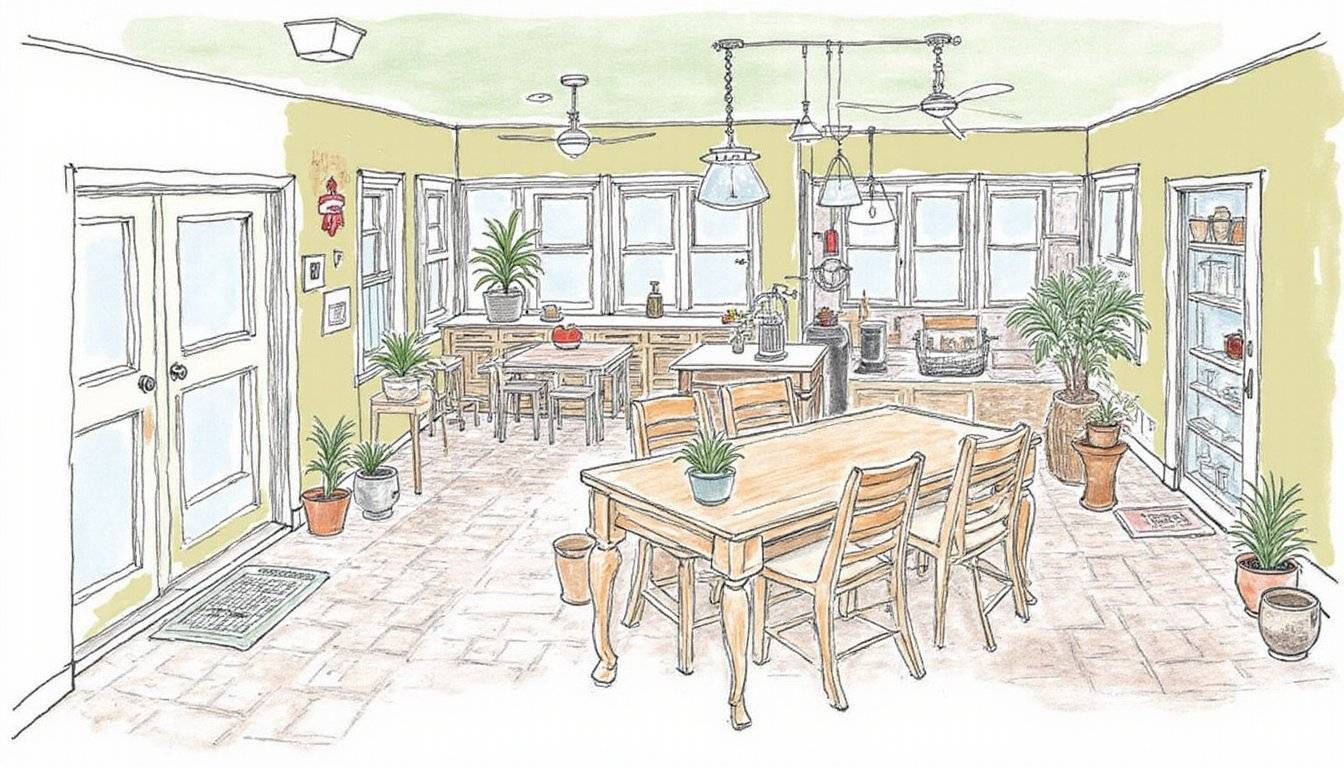
Begin by mapping activity areas so tools sit near the work they support, for example gardening gear by the door used to reach the yard and power tools by the bench where you repair items.
Clear traffic lanes and leave space for opening car doors or moving large items so the layout feels roomy even when storage is dense.
Tool Storage Solutions
Pegboard or slotted panels offer visual order and let you see what you have at a glance while keeping frequently used hand tools within arm’s reach of the bench.
Affordable bins and tote systems protect small parts and allow stacking; choose clear containers for visibility or uniform opaque bins for a cleaner look on high shelves.
Repurposed furniture like an old dresser with drawers or a secondhand shelving unit can become labeled zones for power tools, chargers and safety gear without new purchases.
Vertical and Ceiling Storage
Go vertical by mounting bikes, ladders and rakes on wall hooks to free floor space and protect items from moisture and accidental knocks.
Ceiling-mounted racks are an efficient choice for seasonal boxes and rarely used gear, keeping them out of the way yet accessible with a small step stool.
Budget Upgrades and DIY Builds
Simple DIY projects like a narrow tool shelf or a portable rolling cart can be built from plywood and a few casters for a fraction of the cost of prebuilt units while matching your exact needs.
Convert common materials such as pallets, reclaimed wood or extra shelving into customized holders for drills, clamps and hoses with minimal tools and basic fasteners.
Paint and uniform containers create the look of a curated space even when you use inexpensive storage; a fresh coat of paint on shelves or a matching set of bins ties the garage together visually.
Layout and Labeling
Logical groupings reduce search time, so keep fasteners together, place sanding and finishing gear near the woodworking area and store safety equipment centrally where it can be grabbed for every project.
Label everything with a quick strip of masking tape and a marker to enforce the habit of returning things to their place and to help others in the household find what they need without guessing.
Maintenance and Habits
Weekly 10-minute tidy sessions keep the system working because small returns of items to their homes prevent the slow creep of clutter that demands major effort to fix.
Teach household members where things belong and make it easy to maintain by keeping common items at reachable heights and heavier items low to avoid strain when moving them back.
Comparisons
Weighing cost against convenience helps choose which upgrades pay off quickly and which can wait until the budget allows a bigger investment.
| Option | Typical Cost | Ease of Installation |
|---|---|---|
| Pegboard and hooks | Low | Easy |
| Ceiling racks | Moderate | Moderate |
| Custom cabinetry | High | Difficult |
Cost vs Impact Table
Quick reference to decide where to spend limited funds for the greatest day-to-day benefit.
| Purchase | Approx Cost | Daily Impact |
|---|---|---|
| Plastic stackable bins | $1–$10 each | High for small parts |
| Pegboard and hooks | $20–$60 | High for tools |
| Wall shelving | $30–$150 | Moderate to high |
| Overhead racks | $50–$250 | High for seasonal storage |
Pro Tips
Small investments like good hooks and a sturdy shelf bracket often outlive inexpensive furniture and keep the structure safe under weight.
More Pro Tips
Charging stations for cordless tools grouped together simplify charging routines and reduce the chance of losing chargers and batteries around the house.
What to Avoid
A Quick Checklist to Start
First actions to transform a cluttered garage into an organized workshop include sorting, routing items to keep/give/donate and creating a simple map of where categories will live.
Then pick a single small project like installing a pegboard or building a small shelf so you get a visible win that motivates continued progress.
A Blockquote for Motivation
Remember that tidiness grows when systems are simple and repeatable; small daily habits beat rare, massive cleans.
Consistency keeps the garage usable and welcoming, so choose the solutions that you will actually keep up with rather than the most elaborate option you will neglect.
Frequently Asked Questions
How do I start if the space feels overwhelming? Begin by creating three piles: keep, donate and toss, then focus on one wall or one shelf so progress feels immediate and manageable.
What are budget-friendly ways to store small parts? Clear plastic containers, repurposed jars or divided tackle boxes are inexpensive and make fast visual retrieval easy for screws, anchors and small fittings.
Can I safely hang heavy tools on pegboard? Use reinforced mounting by anchoring the pegboard to studs or mounting a plywood backer first and then add heavy-duty hooks to support weight safely.
How do I keep kids from accessing dangerous tools? Store blades, solvents and power tool batteries in a locked cabinet or high shelf and teach safe boundaries while keeping frequently used, low-risk items accessible.
