
The Struggle
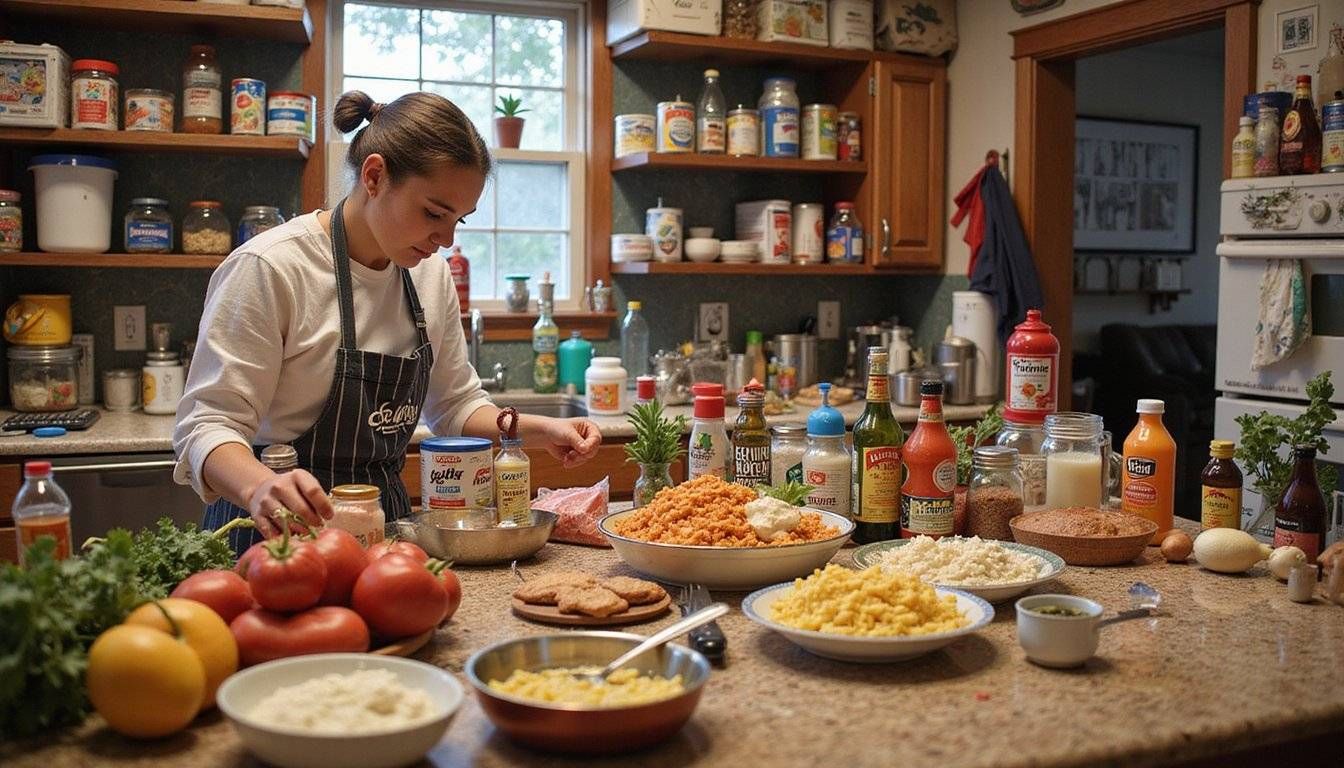
Clutter and chaos make it hard to find ingredients when you are trying to cook, and expired items hide behind new ones so money gets wasted and meal plans fall apart.
Overwhelm at restocking creeps in when you buy duplicates because you cannot see what you already own, which drains time and joy from kitchen routines while pushing dinner prep later into the evening.
The Quick Fix
Sort, zone, and store by grouping like items, choosing airtight containers for long-term goods, and setting up a simple rotation system so older food gets used first; this reduces spoilage and speeds up meal prep.
Overview
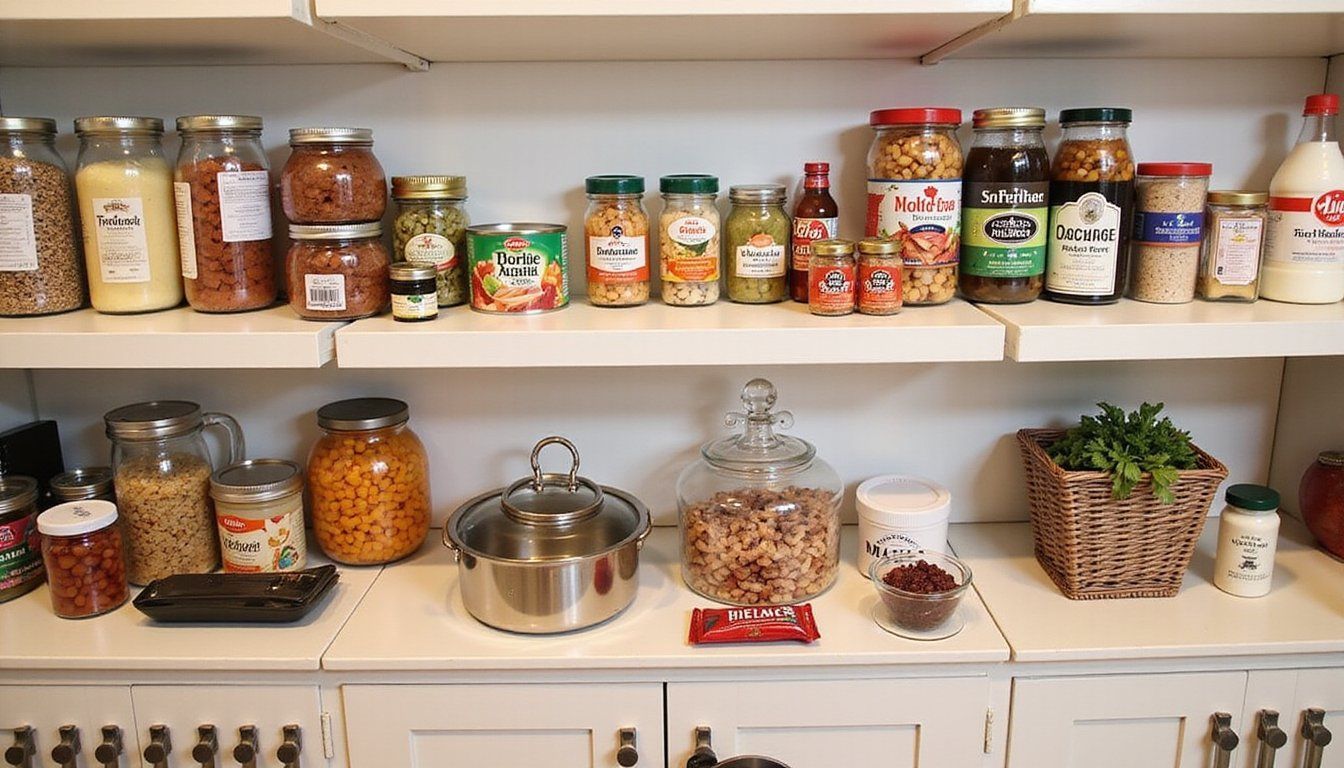
Why an orderly pantry matters goes beyond looks because a tidy storage area saves money, reduces stress during cooking, and creates breathing room for creative meals, while making shopping lists shorter and more accurate.
How this guide helps is by offering systems you can adapt to your space and shopping rhythm so you stop hunting for ingredients and start enjoying simpler meal prep that fits your week.
Tools & Materials
- Airtight containers in mixed sizes (glass or BPA-free plastic) for grains, flour, sugar and bulk items.
- Clear canisters with lids for snacks and cereals that make it easy to see quantity at a glance.
- Stackable bins and baskets to create zones for snacks, baking, or condiments and to pull out when you need items from the back.
- Lazy Susans and risers that make use of corner space and create visible layers on deep shelves.
- Labels and a marker or a label maker to note purchase or opened dates and to keep categories clear on every shelf.
- Wire shelf inserts or shelf extenders that add another surface when vertical space is wasted.
- Thermometers and humidity absorbers for root cellars or cool storage areas if you keep long-term staples like potatoes or garlic.
Pantry Layout and Zones

Start by mapping the space and place frequently used items at eye level so your everyday staples live in the easiest reach while backup supplies occupy higher or lower shelves.
Create clear zones such as baking, grains, snacks, breakfast, and sauces so each area has a purpose and you stop mixing jars and packets that slow you down when cooking.
Use pull-out bins for depth so that deep shelves become accessible and items at the back are not forgotten, which keeps your inventory realistic and reduces food waste.
Long-Term Storage Strategies

Choose the right containers for long-term staples by selecting airtight options that block light and pests to keep grains, legumes, and flours fresher for months rather than weeks.
Vacuum sealing and mylar bags extend shelf life for bulk purchases and are excellent for emergency food kits or seasonal buying, while oxygen absorbers add an extra layer of preservation for dry goods.
Store heavy items low such as bulk oil bottles and large containers of flour so they are safer to lift and do not tempt you to place fragile glass on unstable upper shelves.
Consider temperature and humidity when deciding what to keep where, because cooler, darker corners suit grains and roots while humid environments shorten the life of crackers and certain spices.
| Item | Best Storage | Expected Shelf Life |
|---|---|---|
| White rice (airtight) | Cool, dry, dark | Up to 5 years |
| Whole wheat flour | Airtight jar, cool spot | 3–6 months |
| Dried beans | Airtight, dark | 1–2 years |
Meal Prep and Batch Cooking
Plan around containers by prepping meals that fit the storage you have so you can stack containers in the fridge and freezer without losing space or creating food safety risks.
Cook in batches that match your schedule and portion into ready-to-grab containers so weekday meals become reheats rather than full-cook projects, freeing up evenings for family time.
Keep a visible grab-and-go shelf stocked with single-serve breakfasts, snack packs and ready sauces so those rushed mornings and last-minute dinners rely on your system rather than fast food.
| Batch Size | When to Make | Storage |
|---|---|---|
| Single-serve meals | Weekly | Fridge 3–4 days, freezer 2–3 months |
| Large batch sauces | Monthly | Freezer 6–12 months |
Labeling and Rotation
Label with dates the moment you open packages or transfer bulk into jars so the oldest goods are used first and spoilage becomes rare rather than routine.
Adopt FIFO (first in, first out) by placing new items behind older ones so rotation becomes automatic when you reach for ingredients, which reduces guesswork and waste.
Color-code or tag categories when helpful to speed visual searches for baking, breakfast, or meal-prep zones, while keeping consistent marks so everyone in the household follows the same system.
Maintenance & Cleaning
Schedule a quick weekly check of the pantry to remove crumbs, spot mold, and pull items that are nearing the end of their life so the space stays hygienic and practical without a big overhaul.
Empty and wipe shelves seasonally to clear dust and spills, and take that time to re-evaluate what you keep so the layout evolves with your cooking habits rather than stagnating.
What to Avoid
Resist overbuying unless you have the right containers and a plan for rotation because excess goods create clutter that undermines the whole organization system and makes meal prep slower rather than quicker.
Quick Comparisons
Cost versus benefit is worth checking before buying storage solutions, because a few well-chosen pieces often outperform a drawer full of mismatched containers and wasted shelf space.
| Option | Cost | Practical Payoff |
|---|---|---|
| Uniform glass jars | Medium | High visibility and longevity |
| Cheap plastic bins | Low | Short-term fix, can warp |
| Vacuum sealing kit | High | Great for bulk storage |
Pros and Cons
Weighing trade-offs helps you pick solutions that match your lifestyle, since some choices save time while others save money or shelf space, so plain rules do not fit every home.
| Approach | Pros | Cons |
|---|---|---|
| Uniform containers | Clear, stackable, aesthetic | Higher up-front spend |
| Open baskets | Flexible and low cost | Less protection from pests |
Troubleshooting & Quick Fixes
If pests appear transfer exposed goods to airtight containers immediately, remove crumbs, and examine adjacent cabinets to stop spread while you treat the source.
If moisture becomes a problem add silica packets or small desiccant packs to jars and move vulnerable items to cooler areas to slow down spoilage and clumping.
Frequently Asked Questions
How often should I check dates? Check expiry or best-by dates during your weekly glance and whenever you move goods between containers so the oldest items are used first and surprises are rare.
Can I store flour long term? White flour can last months in airtight jars at cool temperatures and longer in the freezer, while whole grain flours need quicker use due to natural oils that turn rancid faster.
Are glass jars better than plastic? Glass resists stains and odors and generally lasts longer, while plastic can be lighter and less breakable, so match material to your household needs and handling patterns.
What is the best way to buy in bulk? Split bulk into meal-sized portions and store in airtight containers or vacuum bags so you reduce exposure each time you open a larger package and keep rotation simple.
