
The Myth
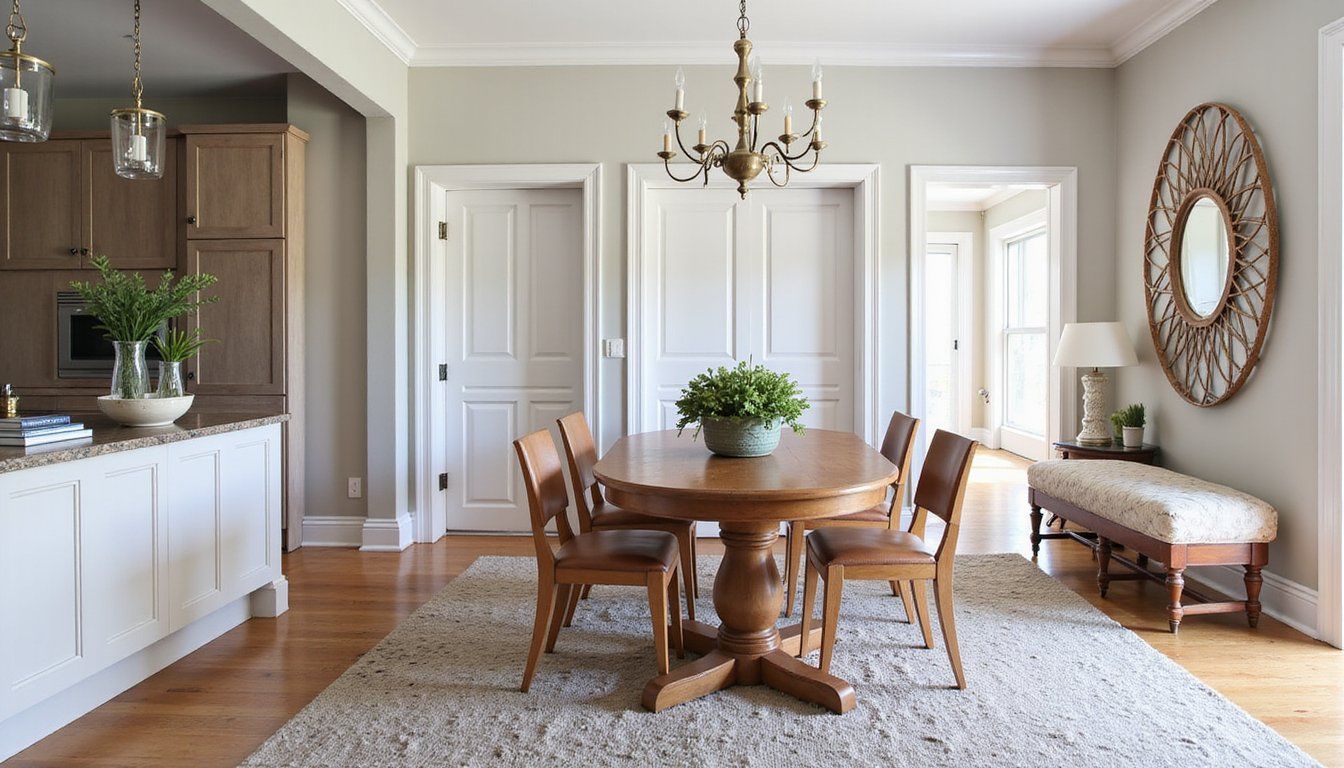
Most people believe that luxury requires big spending. Many assume a polished, high-end home needs expensive brand-name furniture and total room makeovers, so they delay improvements until a large budget appears.
The Truth
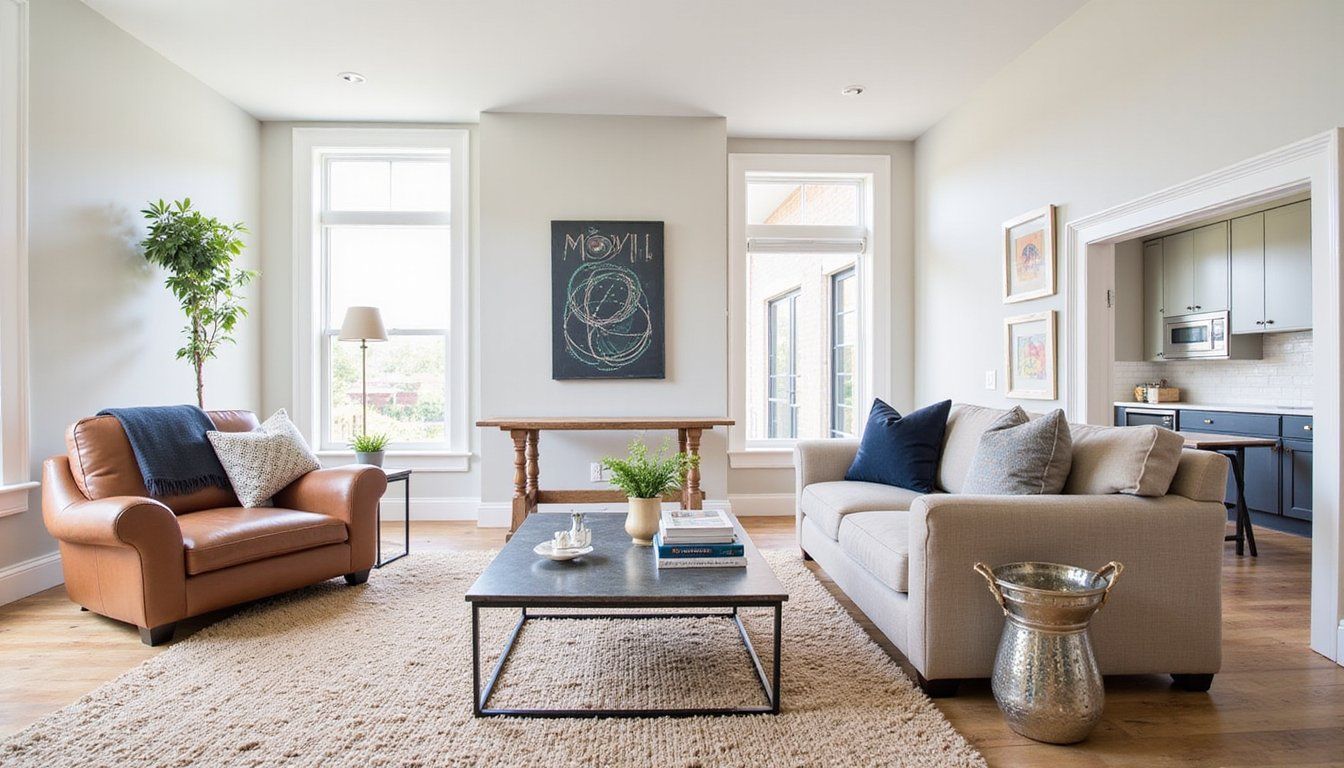
A confident eye and a few targeted moves create a luxe feel more than a big bank account does. Smart choices about scale, finish, color, and focal points deliver a refined atmosphere without expensive purchases by shifting attention to how items relate to one another.
Myth-Buster Box
Reality: Thoughtful editing, smart finishes, and balanced composition produce a high-end result on a modest budget.
Opening Note
This guide focuses on practical moves that change perception, not bank balances. You will find clear explanations of why certain approaches read as luxe and step-by-step suggestions you can apply in small sessions.
Remember: Anedit of restraint often reads more polished than an edit of excess.
Tools & Materials
Gathering a concise toolkit prevents impulse buys and keeps projects focused. A short list of reliable items helps you make the moves that matter without cluttering your home with unnecessary pieces.
- Measuring tape: to check scale and placement.
- Paint sample pots: for testing color in natural light.
- Drop cloth and basic tools: screwdriver, level, nails, and removable hooks.
- Soft furnishings: a simple throw, two decorative pillows, and a rug pad.
- Polish kit or a neutral spray paint: for refreshing metal or small decor.
Palette & Texture
Start with a restrained color plan so individual items feel cohesive and deliberate. Limiting the number of dominant hues and adding depth with tone shifts creates a calm foundation that suggests careful design rather than a grab-bag of purchases.
Layer textures to give the eye interest without visual clutter. Pair a matte wall finish with a soft woven throw, a velvet cushion, and a metallic accent to create contrast that reads luxe because it feels curated and tactile.
Choose neutrals with rich undertones for an elevated backdrop. A warm greige, deep taupe, or soft charcoal will show depth under light and help mixed pieces read as intentional instead of mismatched.
Use small areas of restrained color to direct attention. A deep navy or muted emerald on an accent chair or small rug will anchor a room and make other elements feel more purposeful.
Furniture & Layout
Scale matters more than price when pieces determine how a room feels. A cheap oversized sofa that fills a room poorly will look clumsy while a modestly priced well-proportioned piece can make the same space feel sophisticated.
Edit to reduce clutter and allow breathing room around furniture. Negative space suggests intentionality, so remove anything that interrupts sightlines or crowds seating arrangements.
Mix saved or thrifted finds with one well-made anchor piece. Pairing an affordable sofa with a slightly higher-quality coffee table or an elegant lamp elevates the whole composition by giving the eye a focal point it trusts.
Choose simple silhouettes for longevity and versatility. Clean lines with modest detailing avoid visual fads and make it easier to refresh a room through accessories instead of major swaps.
Accessories & Details
Curated accessories tell a coherent story rather than scream for attention. Select objects that share a tonal language or material family so arrangements look intentional instead of accidental.
Scale accessories in groups to create visual weight. A trio of items in graduated sizes on a mantel or console feels considered and the repetition of shape or color reads as a styling choice.
Stick to a restrained number of metals and finishes. Too many competing metal tones fragment a design; choosing one or two harmonizing finishes gives a sense of unity without costly replacements.
| Accessory Move | Why It Reads Luxe |
|---|---|
| Group items in odd numbers | Creates rhythm and a designer arrangement without many pieces |
| Use matte ceramics | Offers refined texture that photographs and reads as high-end |
| Add one organic element | Brings life and counterpoint to manufactured finishes |
Finishes & Lighting
Quality finishes on small items influence perceived value across a room. Replacing cabinet hardware, refreshing lamp shades, or painting trim crisp white costs little but reads like a larger investment because eyes fix on edges and details.
Layer lighting for depth and mood. Combining overhead, task, and accent lighting makes a space feel measured and comfortable while highlighting textures and art in flattering ways.
Match finishes across key items to create cohesion. If you choose aged brass for a lamp, echo that tone in a frame or tray so the finish becomes a recurring motif rather than a stray accent.
| Upgrade | Typical Cost | Perceived Impact |
|---|---|---|
| New cabinet hardware | $30–$150 | High |
| Dimmable LED bulbs | $10–$40 | High |
| Refinish small wood piece | $20–$100 | Moderate |
Cost vs. Impact Comparison
Compare the relative cost and visual return of common updates to prioritize budgets. The table below helps you focus on moves that produce the biggest perception shift for the least spend.
| Update | Estimated Cost | Visual Impact |
|---|---|---|
| Rearrange + edit accessories | Minimal | High |
| New rugs for anchor | $100–$600 | High |
| Replace lighting fixtures | $50–$500 | High |
| Custom upholstery | $800–$2500 | Moderate |
Styling Routines and Maintenance
Small, regular styling rituals keep the high-end look intact over time. Simple habits like rotating cushions, dusting carefully, and rebalancing items weekly prevent drift toward clutter and preserve the curated feel.
Develop a one-hour seasonal refresh to update textiles and swap accessories. This makes big changes feel achievable by breaking them into short, focused sessions where you can evaluate pieces against your core palette and remove what no longer fits.
Smart Sourcing Strategies
Mix secondhand finds with new purchases to achieve an edited, expensive-looking outcome. Scouting thrift stores, online marketplaces, and outlet sales gives access to high-quality shapes at low cost while letting you keep your splurge items limited to a few anchors.
Learn to assess condition quickly so you invest only in items that respond well to repair or refinishing. Small fixes like new upholstery, fresh hardware, or a sand-and-stain can transform a bargain into a signature piece for a fraction of retail cost.
Common Mistakes
Neglecting scale is costly because poorly sized furniture destroys flow and makes even expensive pieces seem awkward. Always measure and visualize before committing to large items to avoid awkward proportions.
Using harsh overhead lighting without softer layers flattens texture and reveals flaws more than it flatters finishes. Layer warmer accent and task lighting to create depth and a welcoming atmosphere.
Quick Refresh Plan
Create a timed refresh plan to avoid decision fatigue and to see quick wins. Break tasks into 30- to 90-minute blocks such as editing surfaces, switching textiles, and anchoring the room with a new rug or focal lamp.
Start with editing then add one new element to change the story of the room. Editing clears the visual field so a single new object or finish reads as an intended upgrade rather than an add-on.
Before You Buy Checklist
Run a brief checklist for each candidate purchase so your choices reinforce the luxe objective. Confirm scale, finish compatibility, and whether the item fills a gap or duplicates what you already own to prevent impulse mistakes.
- Measure twice: Check both the piece and the intended space.
- Assess finish palette: Will the material harmonize with existing tones?
- Ask about return policy: Ensure an easy exit if the piece fails in real life.
- Photo test: Place the item in your room and photograph in both daylight and evening light to see its true effect.
Pro vs. Con: Investment Choices
Compare small targeted investments against sweeping purchases to choose with clarity. The table below helps you weigh immediate cost against the broader visual effect so you spend where it matters most.
| Choice | Pros | Cons |
|---|---|---|
| Replace lighting | Big ambiance shift | Can be costly per fixture |
| New rug | Anchors layout | Budget varies by size/quality |
| Thrifted decor | Low cost, unique finds | Time investment to source |
Sourcing and Repair Basics
Learning to do small repairs and finishes extends the life of budget finds and increases perceived value. Replacing a cushion fill, re-staining a top, or swapping cheap knobs can transform the look of a piece without high cost.
Keep a short list of reliable local services for upholstery, staining, and hardware restoration. A trusted craftsperson can often upgrade a bargain so it comfortably lives alongside more costly items, balancing the room.
What to Expect Over Time
A high-end look sustained on a modest budget relies on editing and maintenance rather than new purchases alone. Expect to cycle textiles, refresh finishes, and occasionally invest in a replacement anchor so the space stays current and intentional.
Invest small amounts regularly instead of saving for a single large purchase to see steady improvement without decision paralysis. This approach allows you to test what feels right in your home and to refine the aesthetic with lower risk.
Final Styling Checklist
Before concluding a styling session, run through a concise checklist to confirm cohesion and balance. Check light, balance of textures, negative space, and whether a single focus anchors the view to ensure the room reads as composed.
Make any tiny adjustments that improve sightlines or lighting before declaring the room done. Small shifts in object placement or lamp angle often deliver a disproportionate effect compared with larger purchases.
Extra Pro Tips
These habits help you refine the look without adding cost. Viewing your room through a camera or by removing small items forces clarity so you can see what elevates the space and what distracts.
Frequently Asked Questions
Q&A below answers common practical concerns that come up when aiming for an upscale look on a budget. Short, direct answers follow each question to help you move from idea to action with confidence.
How can I make a cheap sofa look better? Add a fitted throw, two well-chosen cushions in complementary textures, and a small side table to anchor the piece so it reads as styled rather than basic.
Do I need to match metals throughout the room? No; keep metal tones to one or two harmonizing families and repeat them across accessories to achieve unity without rigidity.
Is a neutral palette necessary for a luxe result? Neutrals provide a calm backdrop that highlights texture and form, but a restrained accent color used sparingly can deliver equal refinement when balanced against textured neutrals.
What lighting level should I aim for? Layer warm light sources and include dimming where possible so you can tune brightness for tasks, ambiance, and flattering evening light.
