
Hook & TL;DR
Make the first step feel like a warm welcome by turning a tight entry into a practical, attractive zone that greets guests and tames daily clutter with smart storage solutions that fit narrow footprints.
Key Takeaways
- Prioritize flow so the path from door to home feels open despite limited width.
- Choose slim storage like wall hooks, floating shelves, and built-in benches to maximize function.
- Layer lighting and texture to add warmth and visual depth without crowding the space.
Introduction
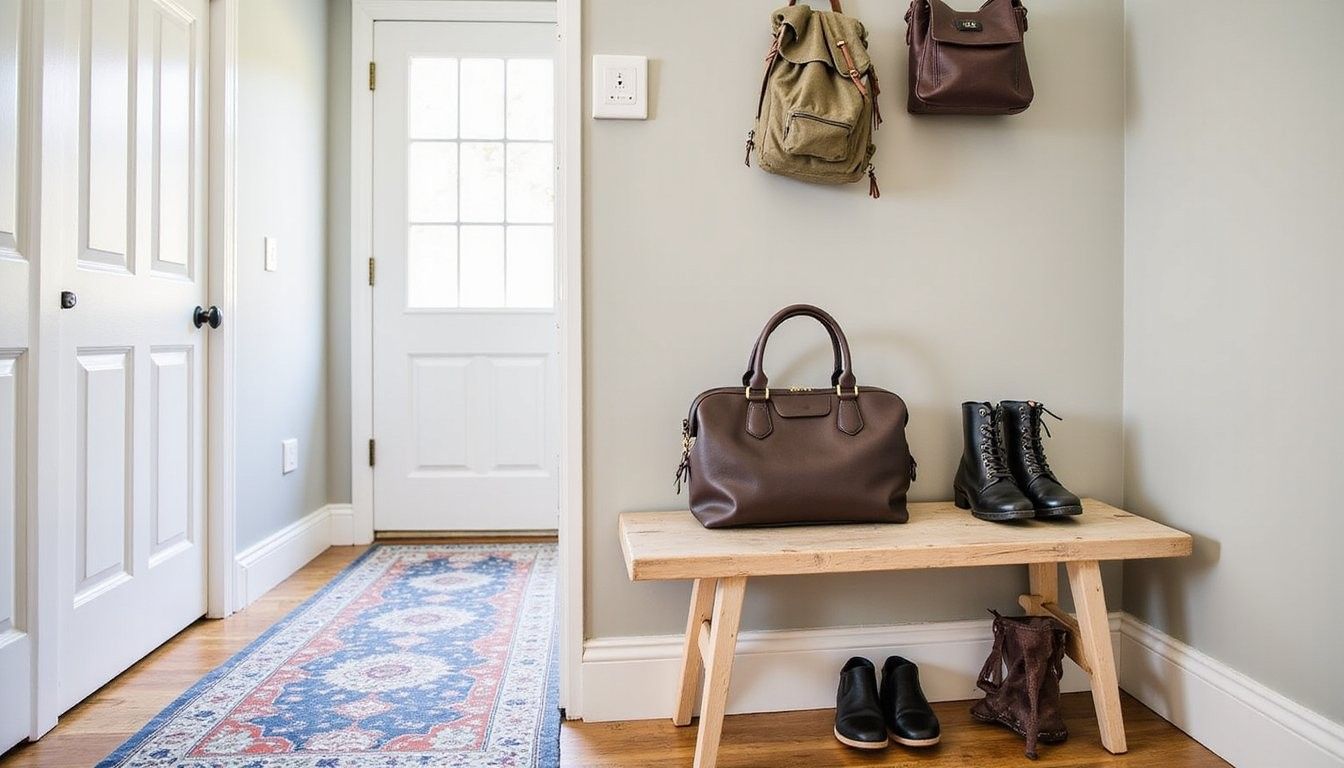
Small entryways can feel chaotic when shoes, keys, bags and mail pile up, and a thoughtful approach to storage makes that first stretch of home work for everyday life instead of against it.
Design choices should balance usable storage with clear walking space so the entry functions smoothly for every household member and guest.
Tools & Materials
- Measuring tape — accurate dimensions are the foundation of tight-space design and prevent costly mistakes.
- Level and stud finder — secure wall-mounted storage safely in thin walls without surprises.
- Slim bench or floating shelf — choose a depth that keeps an unobstructed walkway while offering a surface for sit-and-shoe routines.
- Wall hooks and rails — vertical systems free floor area and keep daily items easy to reach.
- Baskets or bins — contained storage for seasonal gear and quick tidy-ups.
- Soft runner rug — protects floors, guides traffic, and adds a welcoming layer without bulk.
- Task and ambient lighting — combine a small overhead fixture with wall sconces or a slim table lamp to brighten the space.
Smart Layouts for Narrow Spaces
Plan the circulation first by measuring the clear width from wall to wall and mapping the minimum walking area so storage never blocks the natural path into the home.
Think vertical before horizontal so you add hooks, shelves, and slim cabinets that keep floors open and reduce visual clutter.
Use slimline benches with open storage below to allow seating while keeping shoes off the floor and providing compartments for baskets or bins that slide in and out.
Consider a staggered layout where storage alternates sides or uses high and low elements to avoid a tunnel-like feel and keep the eye moving.
A small tweak in layout can double usable surface area without reducing walkable space, especially when you favor wall-mounted options.
| Solution | Estimated Cost | Practical Effect |
|---|---|---|
| Floating shelf + hooks | $30–$150 | Adds drop zone and display space without narrowing walkway |
| Narrow built-in bench | $200–$1,200 | Seating and hidden storage in one compact element |
| Wall-mounted mail sorter and key shelf | $25–$100 | Keeps small items organized and visible |
Storage Solutions That Save Space
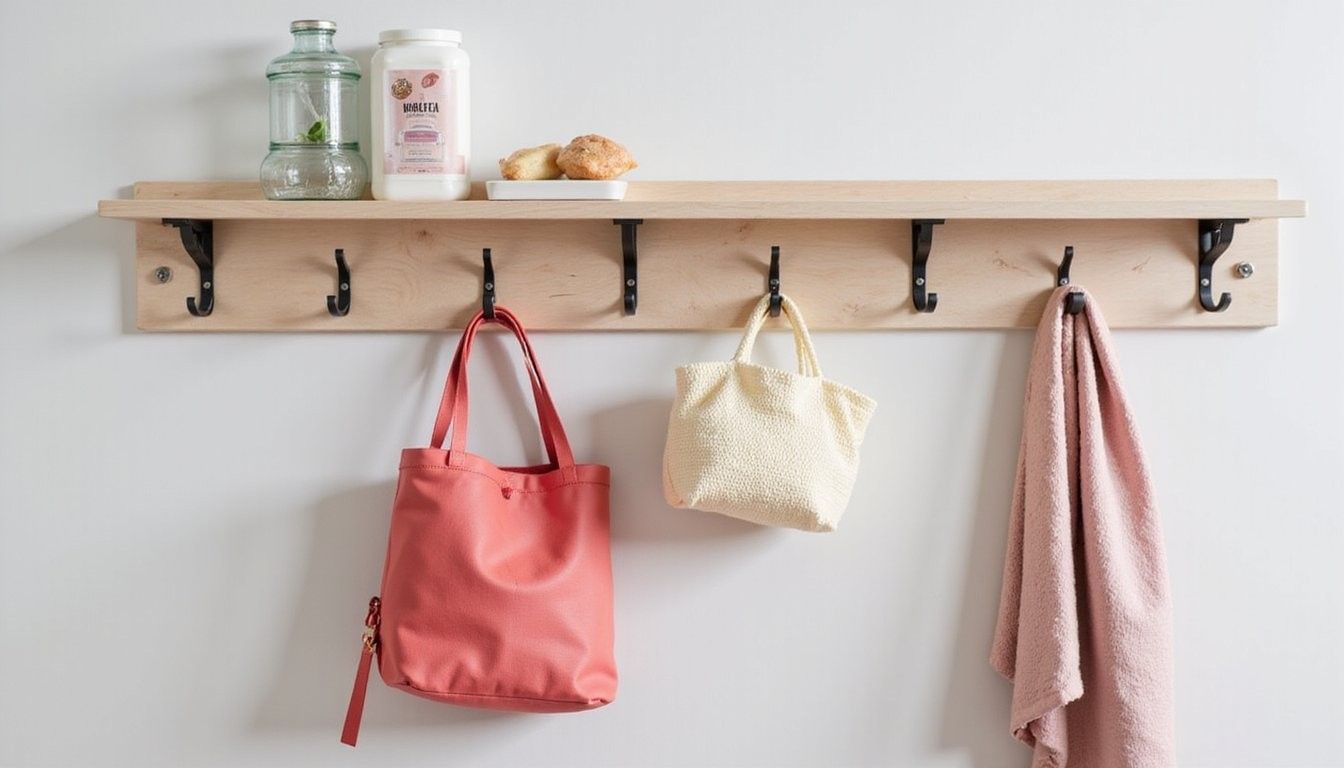
Hooks and rails are the simplest space-savers because they keep coats and bags off the floor and can be grouped at different heights for adults and children.
Built-in cubbies maximize depth efficiency by using the full wall thickness and offering discreet places for shoes and seasonal gear without bulky furniture.
Slim cabinetry with shallow drawers gives the feel of closed storage while preserving visual calm, and narrow pull-out shoe racks are great where depth is limited.
Open baskets on lower shelves are forgiving for a quick drop-and-go routine while keeping the visual weight low and the space tidy between cleanups.
| Feature | Works in Narrow Foyer? |
|---|---|
| Built-in shallow bench with drawers | Yes |
| Freestanding deep hall console | No |
| Wall-mounted multi-hook rail | Yes |
Styling, Lighting, and Warmth
Good lighting makes a tight space feel larger so pair a compact overhead fixture with wall sconces or a directional lamp to avoid shadows in corners and keep the entry welcoming after dark.
Mirrors expand perceived width by reflecting light and creating the illusion of depth, and a long, narrow mirror works far better than a small square one in a slim foyer.
Choose a cohesive palette and a few textures such as a woven rug, a painted wall, and one wood accent to keep the design engaging without cluttering the senses.
Personal touches like a small plant or framed photo add warmth and make the entry feel lived-in while keeping the number of decorative items small to maintain order.
| Element | Why it Helps | Quick Tip |
|---|---|---|
| Mirror | Reflects light and opens sightlines | Choose vertical or horizontal based on wall shape |
| Runner rug | Protects flooring and defines the path | Keep runner width to one-third of foyer width |
| Task lighting | Brightens zones for shoe-tying and key-finding | Use warm bulbs for welcoming glow |
Practical Builds and Quick Updates
Small updates can transform usability quickly so start with easy installs like a floating shelf with hooks or a narrow shoe bench that requires minimal tools and time.
For longer projects, plan storage in layers so you mix permanent solutions like built-in benches with adaptable items such as baskets and removable hooks to respond to changing needs.
A short checklist prevents overspending because it keeps goals focused on seating, hanging, and concealed storage rather than decorative extras that reduce practical capacity.
| Project | Time | Estimated Cost |
|---|---|---|
| Install floating shelf + hooks | 1–2 hours | $30–$150 |
| Build shallow bench with storage | 4–10 hours | $150–$700 |
| Add wall-mounted mail organizer | 30 minutes | $25–$80 |
Common Mistakes
Overfilling the floor area so there is no comfortable walking zone is the most frequent misstep and it turns a compact entry into a cramped choke point, making daily routines harder.
Choosing heavy patterns and dark colors without balancing them with light and reflective surfaces can make a slim foyer feel smaller than it is, so keep contrast and scale in mind.
Frequently Asked Questions
How do I stop my entryway from feeling crowded? Use wall-mounted storage and slim furniture to preserve walking space and select a runner and mirror to create continuity and perceived width.
What is the best flooring choice for a narrow foyer? Durable, low-profile flooring such as hardwood or compact tile with a narrow runner protects the surface and reinforces a clean, linear path.
Can I add seating in a very narrow entry? Yes, a shallow bench or built-in seat with storage below offers a practical place to sit while keeping the footprint small and useful.
How do I manage family clutter without losing style? Assign zones for shoes, bags, and mail with labeled baskets or trays, keep decorative items minimal, and choose storage solutions that hide everyday mess behind attractive fronts.
