
The Myth
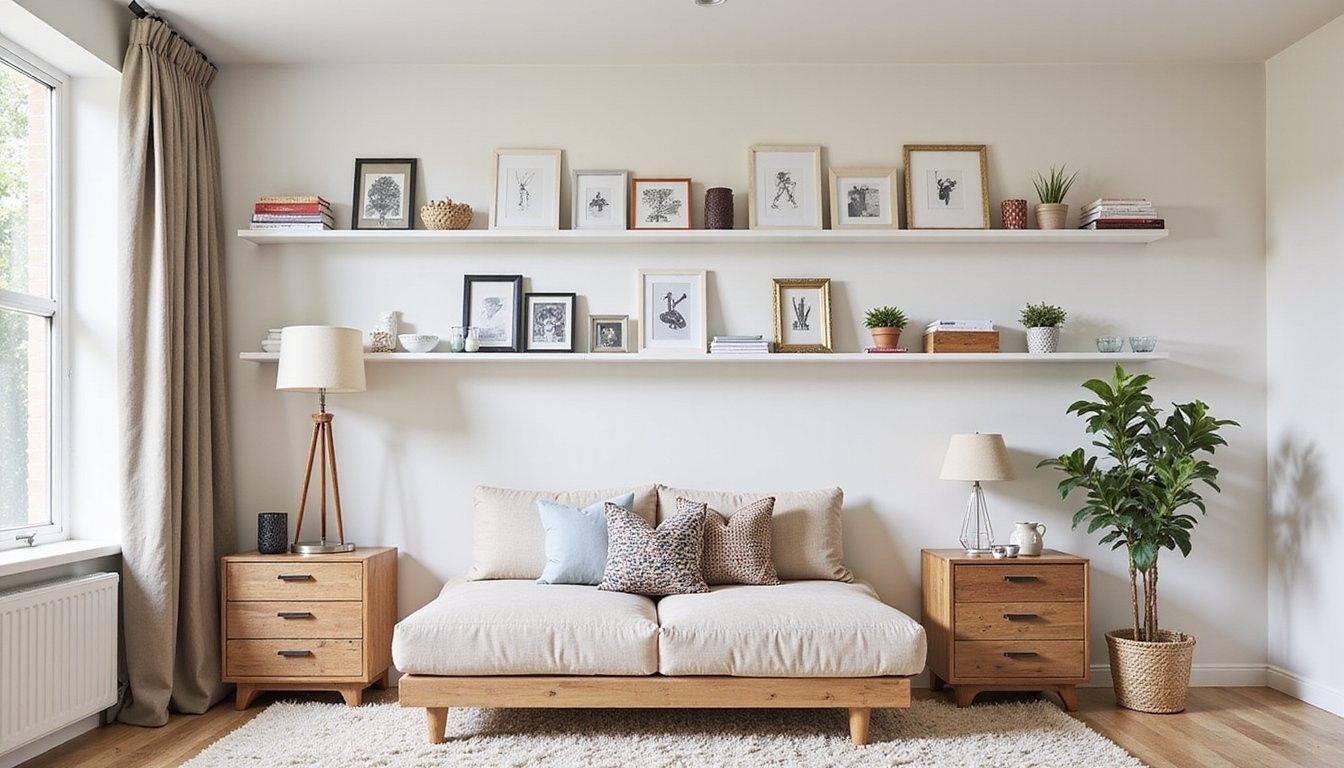
Old rule: Many people are told that small footprints force you into low shelving and bulky storage that eats floor area, which feels limiting and uninspired.
Reality gap: That notion has steered countless rooms toward cluttered setups and missed opportunities for smart use of height and invisible storage.
The Truth
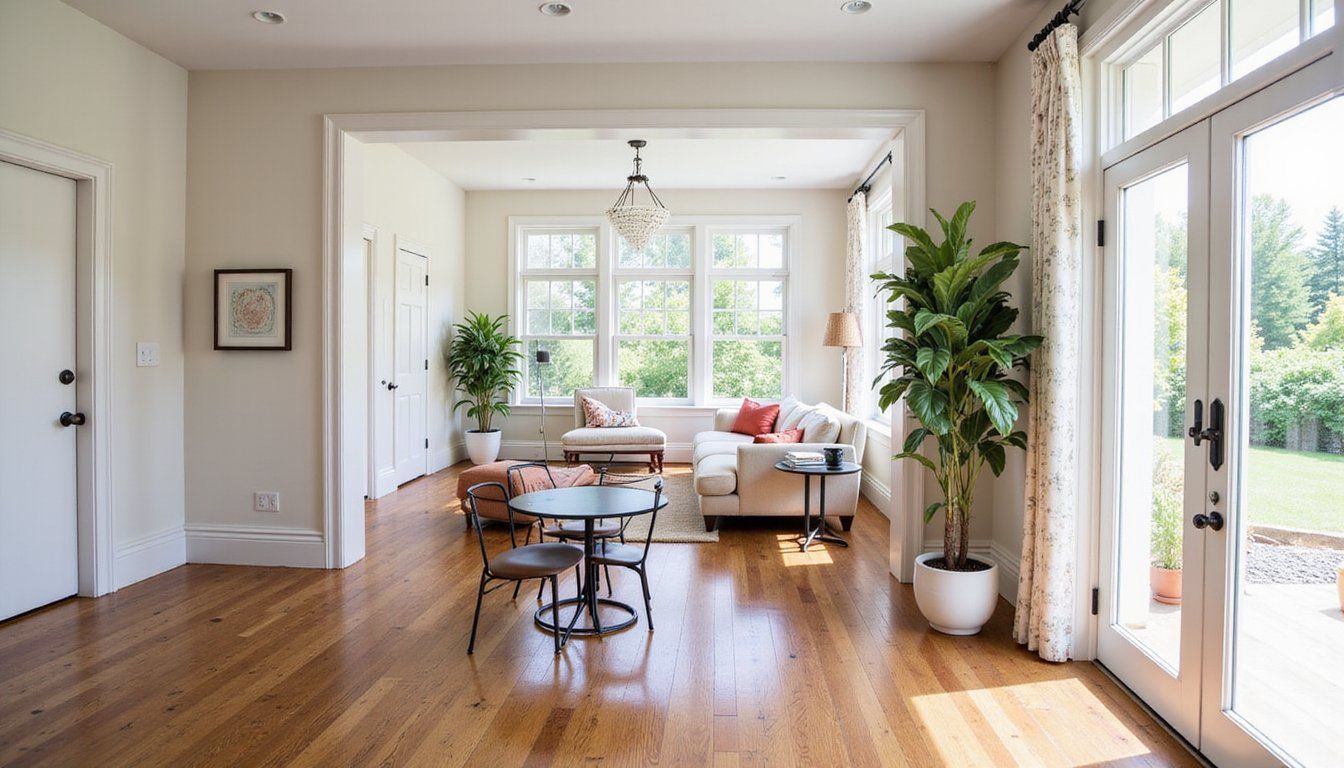
Surprising fact: Storing upward can multiply usable space, make small rooms feel airier, and add strong visual interest without crowding the floor.
Practical view: With the right shelves, hooks, and hanging organizers you can reduce visible clutter and create tidy zones that read as design, not afterthought.
Myth-Buster Box

Reality: Smart vertical choices reclaim floor area, suit modest budgets, and often look more polished than oversized pieces.
Intro
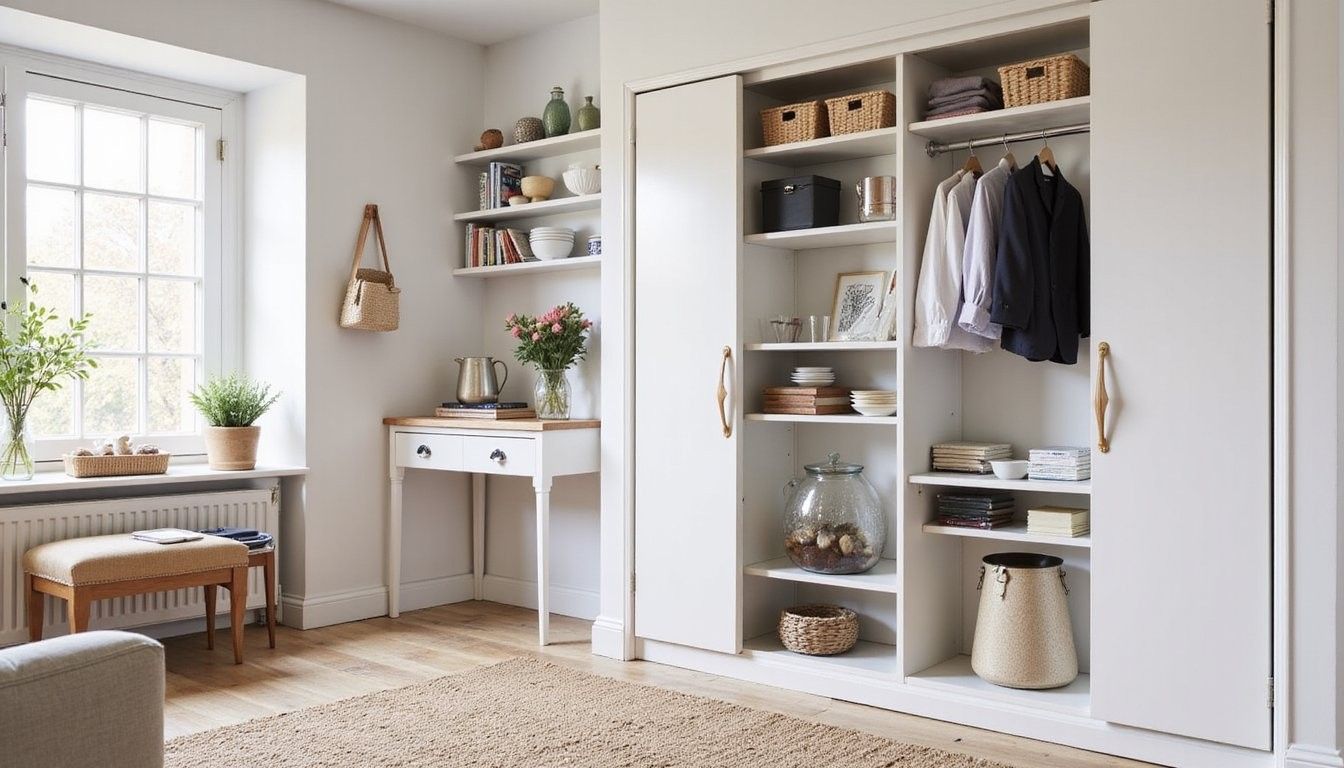
Why vertical works: Taller storage makes walls do the heavy lifting, which frees walking space and clarifies room function without expensive renovations.
How it helps daily life: Using vertical elements creates visual order, supports easy cleaning, and gives every item a home so surfaces stay clear and breathing room increases.
Tools & Materials
- Basic toolkit: Stud finder, level, drill, anchors, screws, measuring tape, pencil.
- Shelving options: Floating shelves, bracketed shelves, tall ladder shelves, cube systems.
- Hooking supplies: Command hooks, screw-in hooks, pegboards, rail systems with S-hooks.
- Hanging organizers: Over-door pockets, hanging shoe racks, fabric shelves, ceiling-mounted baskets.
- Styling aids: Baskets, bins, labels for small bins, non-slip shelf liners.
Shelf Strategies
Go upward in layers: Start from about 18 inches above the floor and plan shelves up to near the ceiling so each level holds a category, which preserves elbow room at eye level.
Balance weight and reachability: Put heavier items on lower shelves and less-frequent items higher, and keep a sturdy step stool handy so top storage is usable, not forgotten.
Mix open and closed: Combine open shelving for display with closed boxes or baskets to hide odds and ends, which keeps the look tidy while allowing personality to show through.
Use corners smartly: Install corner shelves or vertical corner cabinets to capture that awkward volume and create a continuous visual line that draws the eye up rather than across the floor.
Hooks & Hangers
Entryway essentials: A vertical row of hooks by the door creates a drop zone for coats, bags, and keys so surfaces stay clean and items are ready when you head out.
Kitchen utility: Rail-mounted hooks under cabinets or along backsplash areas free counter space and keep frequently used utensils within sight and reach.
Bedroom solutions: Use wall hooks or peg rails for robes, hats, and jewelry to prevent dresser top clutter while adding an intentional decorative rhythm to the wall.
Hanging Organizers
Door-mounted wins: Over-door pockets and shoe organizers transform wasted door panels into tidy storage for cleaners, toys, or accessories without drilling holes.
Closet maximizers: Hanging shelves that clip to a closet rod multiply horizontal space and separate categories so outfits and linens are easier to maintain.
Ceiling-mounted ideas: Install a ceiling rack or pulley basket in kitchens or bathrooms to store seldom-used items and keep counters clear; this works well for seasonal pieces or light cookware.
Styling & Maintenance
Consistent containers: Use a small set of basket or bin colors and textures so storage reads as design rather than clutter, which makes a tight space feel curated and calm.
Rotate and edit: Schedule a quarterly tidy where you move seasonal items to the topmost shelves and clear out anything you no longer use, which prevents accumulation in limited homes.
Label smartly: Attach unobtrusive tags or tiny icons inside bins so searching becomes fast without visual noise on open shelves, preserving the quiet look you want in a small room.
Design note: When shelves align vertically and share a material, walls will appear taller and rooms will feel more unified, which amplifies the sense of space.
| Strategy | Best for | Visibility |
|---|---|---|
| Open tall shelving | Living rooms, kitchens | High |
| Hooks and rails | Entryways, bathrooms | Medium |
| Hanging fabric organizers | Closets, doors | Low to Medium |
What to Avoid
Common pitfalls: Putting heavy objects up top without secure hardware invites accidents, so test anchors and avoid guessing load limits on rented walls.
Quick fix warning: Temporary hooks can fail if used beyond their rating, so match weight to hardware and spread load across studs or use rated anchors.
Frequently Asked Questions
Can I install tall shelves in a rental? Yes, many renters can use bracket-free floating shelves that attach with removable anchors, or use a tension ladder shelf that needs no wall hardware.
Are adhesive hooks reliable for winter coats? Adhesive options are great for light items, but for heavier outerwear choose screw-in hooks or rail systems anchored to studs to avoid slips.
Will hanging organizers look messy? When you pick a limited palette and tuck random pieces into bins, hanging organizers read as thoughtful utility rather than clutter, which keeps the space tidy and intentional.
How high should top shelves be? Top storage is best placed where you can reach with a step stool, keeping seasonal or rare-use items above eye level while daily items stay lower for convenience.
| Option | Cost | Space saved |
|---|---|---|
| Floating shelves | Low to Medium | High |
| Rail and hooks | Low | Medium |
| Built-in cabinets | High | High |
