
Key Takeaways
- Tornadoes and hurricanes are both powerful atmospheric phenomena, but they differ significantly in scale, formation, and impact.
- Tornadoes develop over land with highly localized effects, whereas hurricanes form over warm ocean waters and affect vast coastal regions.
- The lifespan of a tornado is usually minutes to an hour, while hurricanes can persist for days or even weeks.
- Warning systems and preparedness strategies vary greatly due to the different speeds and predictability of these storms.
- Both events cause extensive damage, yet the mechanisms and extent of destruction are distinct because of their physical characteristics.
What is Tornado?
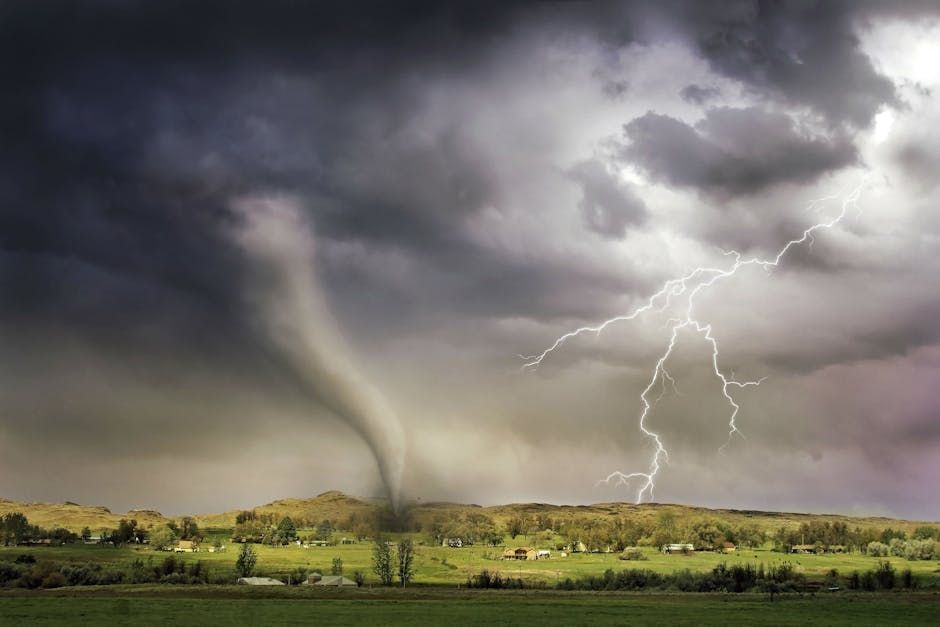
A tornado is a rapidly rotating column of air extending from a thunderstorm to the ground, typically causing intense localized destruction. It is characterized by its funnel shape and extreme wind speeds concentrated in a relatively small area.
Formation and Development
Tornadoes usually form within severe thunderstorms called supercells, where wind shear causes the air to rotate horizontally before being tilted vertically. This rotation intensifies, creating a visible funnel that descends to the ground as a tornado.
The necessary ingredients include instability in the atmosphere, moisture, and strong wind shear, which together create conditions conducive to tornado genesis. These storms are most common in regions such as the central United States, often referred to as “Tornado Alley.”
Not all thunderstorms produce tornadoes; the specific dynamics of wind speed and direction changes are critical to their formation. This makes tornado forecasting challenging despite advances in meteorological technology.
Characteristics and Behavior
Tornadoes have extremely strong, concentrated winds that can exceed 300 miles per hour, albeit over a narrow path often less than a mile wide. Their small size and rapid movement make them difficult to predict with precision.
They typically last from a few seconds to over an hour, with most tornadoes existing for less than 10 minutes. The damage path can vary from a few hundred yards to several miles, depending on the tornado’s strength and duration.
The destructive power of tornadoes is largely due to the intense winds and flying debris, which can tear apart buildings, uproot trees, and disrupt infrastructure. Their sudden onset and variability pose challenges for emergency response efforts.
Geographic Distribution and Frequency
Tornadoes occur worldwide but are especially frequent in the United States, where conditions favor their formation during spring and early summer. Other notable regions include parts of Canada, Bangladesh, and northern Europe, though with less frequency and intensity.
Seasonal patterns influence tornado occurrence, with peak activity linked to the collision of warm, moist air from the Gulf of Mexico with cooler, dry air from the Rockies or Canada. This creates the necessary atmospheric instability for tornado development.
Urban areas can experience tornadoes, but their impact is often magnified due to population density and infrastructure complexity. The unpredictability of tornado paths calls for continuous monitoring and public awareness in vulnerable regions.
Impact and Preparedness
Tornadoes cause significant property damage and pose serious risks to human safety due to their high wind speeds and debris. However, their localized nature means the overall affected area is smaller compared to hurricanes.
Early warning systems rely on Doppler radar and storm spotters to detect and communicate imminent threats, although lead times can be short. Community preparedness includes designated shelters and public education on safety protocols during tornado watches and warnings.
Despite advances in technology, tornado damage can be sudden and devastating, underscoring the importance of robust emergency planning and resilient infrastructure. Insurance and disaster recovery efforts often focus on rapid response in the aftermath of tornado events.
What is Hurricane?

A hurricane is a large-scale tropical cyclone that forms over warm ocean waters, characterized by organized convection and a defined eye at its center. These storms bring widespread heavy rainfall, strong winds, and storm surges to coastal and inland areas.
Formation and Structure
Hurricanes develop from tropical disturbances, gaining strength through the heat and moisture of warm sea surface temperatures above 26.5°C (80°F). As the storm organizes, low pressure at the center intensifies, creating a cyclonic wind pattern.
The classic structure includes an eye, eye wall, and spiral rainbands, with the eye being a calm, clear area surrounded by the most intense winds and precipitation. This organization distinguishes hurricanes from other storm types and indicates their maturity.
Wind speeds must reach at least 74 miles per hour (119 km/h) for a tropical cyclone to be classified as a hurricane. The Saffir-Simpson scale further categorizes hurricanes based on sustained wind speeds to assess potential damage.
Geographic Reach and Duration
Hurricanes typically form over the Atlantic Ocean, Caribbean Sea, and eastern Pacific Ocean, affecting coastal nations in the Americas and sometimes reaching inland areas. Their paths can span hundreds to thousands of miles, impacting multiple countries.
The lifespan of a hurricane ranges from several days to over two weeks, as the storm moves across ocean waters and sometimes over land. Hurricanes lose energy once they move over cooler waters or encounter land, but their remnants can still cause flooding and wind damage inland.
The large size and long duration of hurricanes mean their impact zones are extensive, affecting millions of people in coastal and interior regions. Preparedness efforts often involve large-scale evacuations and coordination across jurisdictions.
Economic and Social Impacts
Hurricanes cause widespread destruction through flooding, wind damage, and storm surges, often leading to long-term economic disruption in affected regions. Critical infrastructure such as power grids, transportation networks, and water supplies can be severely impacted.
The social consequences include displacement of populations, loss of livelihoods, and increased vulnerability among marginalized communities. Recovery efforts may span years, particularly in areas with limited resources for rebuilding.
Insurance claims from hurricane damage represent some of the highest in natural disaster history, prompting ongoing improvements in risk assessment and mitigation strategies. Coastal cities worldwide continuously invest in resilience to reduce hurricane-related losses.
Warning Systems and Mitigation
Hurricane tracking relies heavily on satellite imagery, aircraft reconnaissance, and computer models to predict storm paths and intensities days in advance. This allows for timely warnings and organized evacuations to reduce loss of life.
Mitigation efforts include building codes designed to withstand high winds, levees, and flood control systems, especially in hurricane-prone coastal areas. Public education campaigns emphasize preparedness kits, evacuation routes, and emergency communication plans.
Despite these measures, hurricanes remain complex threats due to their scale and potential for rapid intensification. Coordination between government agencies, communities, and international partners is essential for effective disaster management.
Comparison Table
Below is a detailed comparison highlighting specific attributes of tornadoes and hurricanes reflecting their meteorological and societal impact differences.
| Parameter of Comparison | Tornado | Hurricane |
|---|---|---|
| Typical Diameter | Several hundred meters to 2 kilometers | Hundreds of kilometers, often 300-600 km wide |
| Duration | Seconds to about 1 hour | Several days to over two weeks |
| Area of Impact | Localized, narrow damage path | Extensive, affecting coastal and inland regions |
| Primary Energy Source | Atmospheric wind shear within thunderstorms | Warm ocean water heat and moisture |
| Maximum Wind Speeds | Up to 300+ mph (strongest observed) | Typically up to 200 mph (Category 5) |
| Seasonality | Most common in spring and early summer | Peak from June to November, especially August to October |
| Warning Lead Time | Usually minutes to an hour

|