
Key Takeaways
- Arab and Pakistani identities are rooted in distinct geographic regions, each with unique cultural and linguistic attributes.
- The concept of “Arab” spans numerous countries and is tied to the Arabic language and a shared historical legacy.
- Pakistani identity centers around the nation-state of Pakistan, with a rich tapestry of ethnicities and languages.
- Religious practices, social customs, and traditional attire differ notably between Arab and Pakistani populations.
- Migration patterns and diaspora communities further highlight the global presence and influence of both groups.
What is Arab?
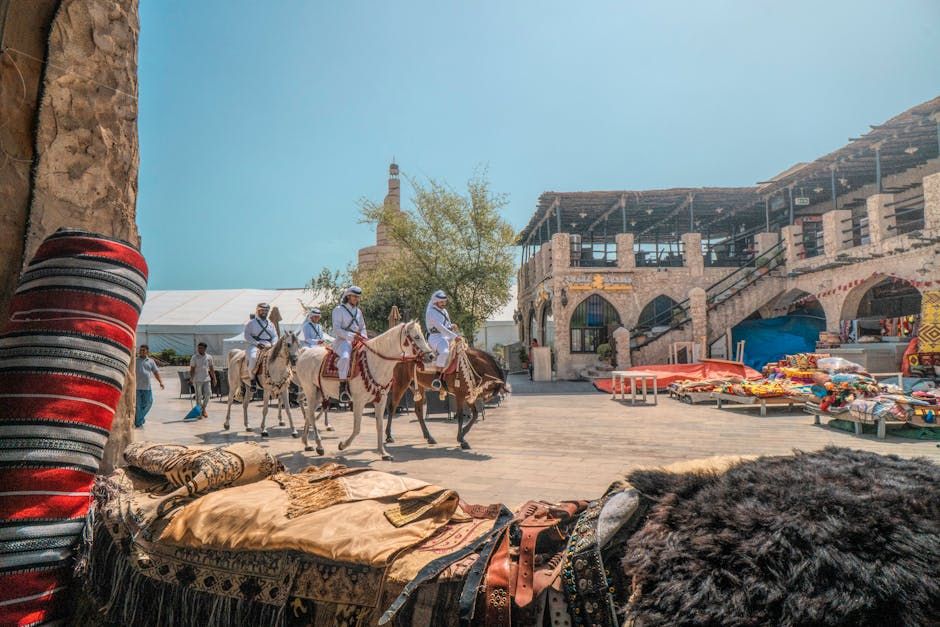
The term “Arab” typically refers to people originating from the Arabian Peninsula and neighboring regions where Arabic is the primary language. This designation encompasses a wide range of countries across the Middle East and North Africa.
Geographical Range and Diversity
Arabs inhabit a region that stretches from the Atlantic shores of Morocco to the Arabian Gulf, including over twenty nations. This vast area encapsulates a spectrum of environments, from deserts and oases to bustling urban centers.
Major cities such as Cairo, Riyadh, and Casablanca exemplify the urban diversity found within Arab societies. These cities serve as economic, political, and cultural hubs, influencing both regional and international affairs.
Arab populations often reflect varying lifestyles, from nomadic Bedouins in the deserts to cosmopolitan professionals in cities like Dubai. This diversity is mirrored in their daily routines, social structures, and communal interactions.
The boundaries of the Arab world are defined by a combination of historical, linguistic, and cultural factors rather than a single political entity. As a result, the Arab identity transcends national borders and governmental frameworks.
Language and Communication
Arabic is the unifying language of the Arab world, with numerous dialects spoken from one country to another. Classical Arabic is used in formal contexts, literature, and religious rituals.
Colloquial Arabic dialects, such as Egyptian, Levantine, and Gulf Arabic, are prevalent in everyday communication and media. These dialects can differ significantly, sometimes making mutual understanding challenging between speakers from distant regions.
Media outlets, including satellite television and online platforms, have played a key role in fostering a shared Arab cultural dialogue. Pan-Arab news channels like Al Jazeera and Al Arabiya are examples of this transnational media presence.
Language also serves as a marker of identity, reinforcing social bonds and a sense of collective heritage among Arabs. The preservation of Arabic is seen as vital to maintaining continuity across generations.
Cultural Practices and Traditions
Hospitality is a deeply valued tradition within Arab societies, often demonstrated through elaborate meals and welcoming gestures to guests. Coffee and dates are customary offerings in many households and public gatherings.
Music, dance, and poetry hold prominent places in Arab culture, with genres such as the Egyptian “tarab” and the Gulf “ardha” reflecting regional styles. Public festivals and celebrations often showcase these art forms.
Traditional attire, like the “thobe” for men and “abaya” for women, varies in style and significance across different Arab countries. These garments convey both cultural pride and adherence to local customs.
Family and community are central to social organization, influencing personal decisions and societal expectations. Intergenerational ties and respect for elders are foundational values in most Arab households.
Religious and Social Life
Islam is the predominant religion in the Arab world, shaping daily routines, legal systems, and cultural observances. Major religious events such as Ramadan and Eid are celebrated with communal prayers and festivities.
Minority religious groups, including Christians and Druze, contribute to the region’s pluralism, particularly in countries like Lebanon and Egypt. Interfaith relations can vary, influenced by historical and political contexts.
Social norms around marriage, gender roles, and public conduct are informed by religious teachings as well as local customs. These norms can differ widely between conservative rural areas and more liberal urban environments.
Charitable giving, known as “zakat,” is a widely observed practice, reflecting the importance of social responsibility in Arab societies. Philanthropic foundations and local initiatives often support education, healthcare, and disaster relief.
Modern Developments and Global Influence
Arab nations have witnessed rapid modernization and economic growth, particularly in Gulf countries like the United Arab Emirates and Qatar. Skyscrapers, technology hubs, and international events now characterize many urban landscapes.
Migration from Arab countries has led to sizable diaspora communities in Europe, North America, and Australia. These communities maintain cultural connections through language schools, religious centers, and annual festivals.
Political developments, including regional alliances and conflicts, influence the global perception of Arab states. The Arab League serves as a platform for diplomatic coordination among member countries.
Arab artists, writers, and entrepreneurs increasingly contribute to global culture and innovation, earning recognition in fields ranging from cinema to scientific research. These achievements highlight the evolving role of the Arab world in international affairs.
What is Pakistani?

Pakistani refers to individuals who are citizens or nationals of Pakistan, a country located in South Asia. This identity is tied to a modern nation-state established in 1947 following the partition of British India.
Geographic and Ethnic Landscape
Pakistan is situated at the crossroads of South Asia, bordering India, Afghanistan, Iran, and China. Its landscape ranges from the towering peaks of the Himalayas in the north to the fertile plains of the Indus River and the arid expanses of Balochistan.
The Pakistani population comprises numerous ethnic groups, including Punjabis, Sindhis, Pashtuns, Baloch, and others. Each group maintains unique traditions, languages, and cultural practices, contributing to the nation’s diversity.
Major cities such as Karachi, Lahore, and Islamabad serve as administrative, economic, and cultural centers. These urban areas are hubs of education, commerce, and the arts, drawing people from across the country.
Rural communities in Pakistan often maintain distinct lifestyles centered around agriculture and local customs. The interplay between rural and urban influences shapes the nation’s evolving identity.
Language and Multilingualism
Urdu is the national language and serves as a lingua franca among Pakistan’s diverse population. English is widely used in official settings, education, and business, reflecting the colonial legacy.
Regional languages such as Punjabi, Sindhi, Pashto, and Balochi are widely spoken and celebrated in literature, music, and media. These languages reinforce regional pride and are integral to local identity.
Multilingualism is common, with individuals often fluent in two or more languages for social and professional interaction. This linguistic versatility enables Pakistanis to navigate complex social environments and maintain cross-cultural ties.
Language policies in education and government continue to spark debate, as communities seek to balance national unity with the preservation of regional languages. Literary festivals and language academies play an important role in this dialogue.
Cultural Expressions and Heritage
Pakistani culture is known for its vibrant festivals, colorful dress, and rich musical heritage. Celebrations such as Basant, Eid, and weddings are marked by elaborate rituals and communal gatherings.
Traditional clothing varies by region, with the “shalwar kameez” being the most common attire for both men and women. Embroidery, jewelry, and textile arts reflect the craftsmanship and aesthetic sensibilities of different provinces.
Music ranges from classical forms like Qawwali and Ghazal to contemporary pop and rock, often blending Eastern and Western influences. Renowned musicians and poets, such as Nusrat Fateh Ali Khan and Faiz Ahmed Faiz, are celebrated both nationally and internationally.
Visual arts, literature, and cuisine showcase a blend of indigenous, Persian, Central Asian, and British influences. Culinary staples such as biryani, nihari, and pakoras are enjoyed across the country and among diaspora communities worldwide.
Religious and Civic Life
Islam is the state religion of Pakistan and shapes many aspects of daily life and public policy. Religious observances, including Ramadan and Muharram,
