

Key Takeaways
- Hamlets and villages are both small settlements but differ in population size, services, and recognition.
- Hamlets typically lack formal governance and infrastructure, whereas villages are more likely to have organized administration and communal facilities.
- Villages often serve as local hubs for surrounding rural areas, while hamlets remain more isolated and dependent on nearby towns or villages.
- While both terms are used globally, their definitions and implications can vary regionally based on cultural and administrative frameworks.
- Understanding the distinction helps clarify planning, development, and service provision in rural environments.
What is Hamlet?
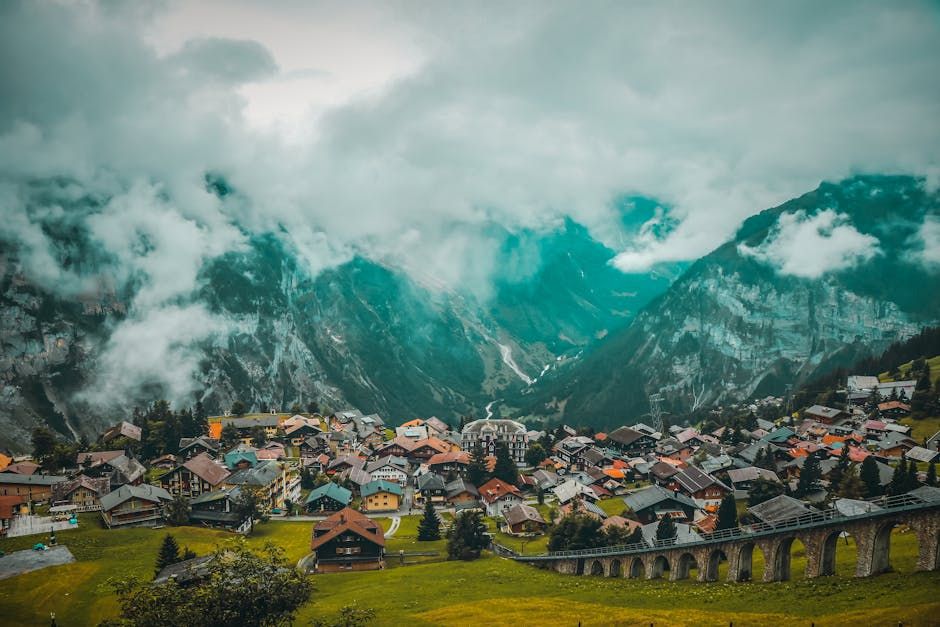
A hamlet is a small rural settlement, generally smaller than a village and lacking formal governance structures. It often consists of a cluster of houses or farms, with limited communal facilities or services.
Population and Settlement Size
Hamlets are characterized by their very small populations, often numbering only a few dozen residents. These settlements rarely expand beyond a handful of households, which distinguishes them clearly from larger rural communities.
Population density in hamlets is low, and homes may be spread out with agricultural land separating them. This sparse arrangement is typical in regions where farming or herding is the dominant way of life.
Growth in hamlets occurs slowly, as there is limited infrastructure to support a rapid influx of new residents. Expansion is usually organic, following the availability of land and family needs.
Some hamlets remain static for generations, maintaining the same number of residents due to limited economic opportunities. In many cases, younger generations may move to larger nearby settlements in search of work or education.
Infrastructure and Services
Hamlets often lack essential public amenities such as schools, healthcare clinics, or retail shops. Residents typically travel to neighboring villages or towns to access these services.
Roads leading to hamlets are frequently unpaved or minimally maintained, reflecting the low level of investment in such tiny communities. Modern utilities like electricity, running water, and sanitation may be absent or only partially available.
Postal services, waste collection, and public transportation rarely serve hamlets directly. Households may rely on self-sufficiency, using wells for water and individual systems for waste.
In some countries, the absence of communal buildings or facilities is a defining feature of hamlets. This contrasts sharply with villages, which are more likely to have central meeting places and public infrastructure.
Governance and Administrative Status
Hamlets generally lack formal governance or local councils, making them administratively dependent on larger nearby entities. Any representation or advocacy for residents is typically handled at the township or parish level.
This lack of administrative structure can make it challenging for hamlets to secure funding for improvements or to participate in community planning. Decisions affecting the hamlet are usually made externally, with limited input from local residents.
In many jurisdictions, hamlets are not recognized as official entities for statistical or governance purposes. This can result in their exclusion from census counts or regional planning initiatives.
Despite their small size, some hamlets develop informal leadership, with respected elders or families acting as intermediaries with outside authorities. However, such roles lack legal standing and formal authority.
Economic Activities and Daily Life
Hamlet residents often engage in agriculture, animal husbandry, or other primary sector activities. These economic pursuits are typically for subsistence, with any surplus sold or traded locally.
Daily life in a hamlet is closely tied to natural cycles and seasons, as there are few alternative employment opportunities. Community members may cooperate on farming tasks or share resources to manage workloads.
Markets and commercial centers are generally absent, so goods and supplies must be sourced from larger settlements. This adds to the sense of isolation and encourages self-reliance among residents.
Social life in a hamlet is intimate and familial, with most residents knowing each other well. Celebrations, gatherings, and traditions are usually held within private homes or outdoor spaces.
What is Village?
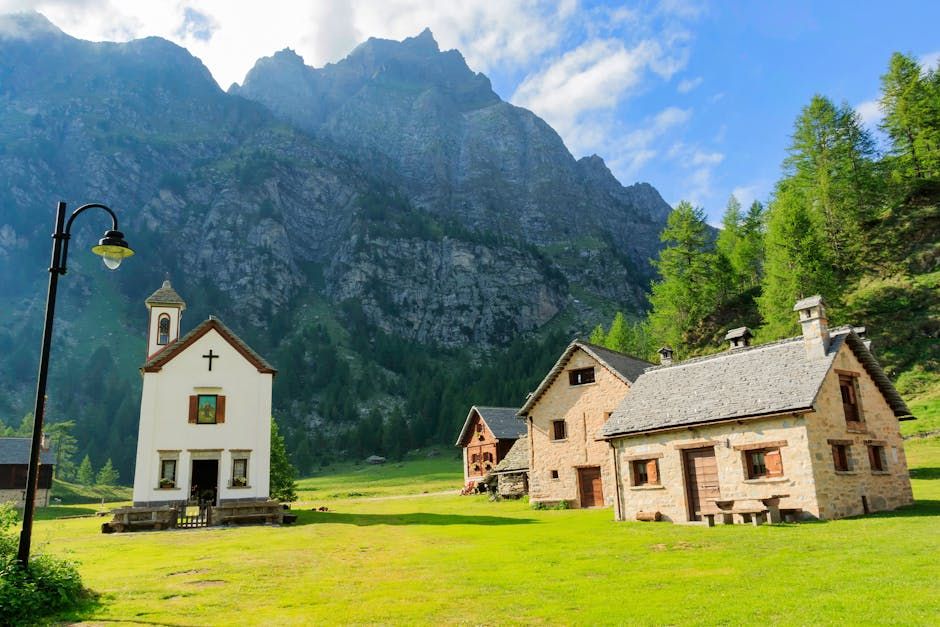
A village is a small but organized settlement that is larger than a hamlet, often featuring a defined community structure and basic public amenities. Villages serve as important social and economic centers within rural regions.
Community Size and Layout
Villages typically house hundreds or even a few thousand people, allowing for a greater diversity of residents and occupations. The higher population density fosters more vibrant social networks and communal activities.
The layout of a village often includes a defined center, such as a square or main street, around which homes and public buildings are clustered. This arrangement encourages interaction and shared use of communal spaces.
Villages may expand over time, incorporating new housing and infrastructure as the community grows. This adaptability supports sustained population increases and evolving needs.
Boundaries of villages are usually recognized by local authorities, making it easier to plan for development and provision of services. This contrasts with the loosely defined edges of most hamlets.
Public Services and Amenities
Villages commonly offer access to essential services such as primary schools, clinics, and local shops. These amenities provide for the basic needs of residents and reduce reliance on distant towns.
Public transportation is more likely to serve villages, connecting them with regional centers and facilitating movement of people and goods. The presence of roads, bus stops, and sometimes even small train stations enhances accessibility.
Community facilities, including religious institutions, meeting halls, or recreational areas, are often found within villages. These spaces support social cohesion and collective decision-making.
Villages may also have local markets or periodic fairs, stimulating economic exchange and fostering a sense of identity. These events attract people from surrounding hamlets and farms, reinforcing the village’s role as a local hub.
Governance and Representation
Villages are usually recognized as administrative units, often with elected leaders or councils. This structure allows residents to participate in governance and advocate for their collective interests.
Local decision-making is facilitated by formal processes, such as regular meetings or referenda, empowering villagers to influence policies affecting their community. Representation at the village level can also connect the settlement to broader regional or national initiatives.
Legal status as a village may grant access to government funding or development programs. These resources can be used to improve infrastructure, education, or public health.
In some countries, villages are grouped together into larger municipalities for certain administrative functions, but the individual identity of each village is usually preserved. This helps maintain cultural traditions and community pride.
Economic and Social Activities
While agriculture remains important, villages tend to have a more diversified economy compared to hamlets. Small businesses, skilled trades, and service providers often operate within the community.
Villagers may commute to nearby towns for employment, but many find work locally, contributing to a resilient economic base. The presence of schools and markets also supports job creation within the village itself.
Cultural and religious festivals are commonly celebrated in villages, providing opportunities for socialization and reinforcing community bonds. Such events often draw participants from neighboring areas, further enhancing the village’s status as a focal point.
Villages may support local sports teams, artistic groups, or volunteer organizations, enriching the social fabric. These activities foster intergenerational connections and a strong sense of belonging.
Comparison Table
The following table outlines specific differences between hamlets and villages across several meaningful dimensions.
| Parameter of Comparison | Hamlet | Village |
|---|---|---|
| Typical Resident Count | Usually fewer than 100 people | Often ranges from several hundred to a few thousand |
| Central Gathering Place | Rarely present; gatherings occur in homes or outdoors | Common; includes village squares or communal buildings |
| Educational Facilities | None or very limited; children travel elsewhere | At least one primary school, sometimes more |